

 Önizle
 Gönder
 Paylaş
 Detaylar
 Rehber

 Dosyayı İndir
 Benzerleri
 X-Işını
 Slayt Gösterisi
 İstatistikler
The Annunciation
 Oil On Canvas
- WallArt
 1670
1670- Late Medieval
 187.0 x 134.0 cm
 Wallace Collection
 Devamını Oku
Giclée / Sanat Baskısı
Hızlı üretim ve esnek bitiş seçenekleriyle müze kalitesinde giclée veya kanvas baskı. ( El Yapımı Tablo Satın Al Dijital Görsel Satışına Geç)




P118B ₺10

P118H ₺10

P118W ₺10

P438Z ₺10

P508JH ₺12

P508YH ₺12

P805H ₺10

P805Z ₺10

P919BZ ₺10

P919G ₺10

P919XJ ₺10

P959ZH ₺10

P968JZ ₺12

W106C ₺8

W218G ₺10

W218JH ₺8

W218Y ₺10

W307PJ ₺10

W316G ₺10

W316PJ ₺8

W316Y ₺10

W398PJ ₺8

W4111J ₺10

W500HY ₺15

W500JH ₺15

W692G ₺12

W849H ₺8

W940BG ₺15

W953PJ ₺8




Eserin orijinal oranlarıyla uyumlu, önceden belirlenmiş boyutlarımız arasından seçim yapın.

Çerçevenize veya duvarınıza uygun olması için ihtiyacınız olan genişlik ve yüksekliği yazın. Bir baskı yalnızca kesilebilir, görselden daha büyük hale getirilemez; bu nedenle farklı bir formdaki boyut seçimi, görselin bir kısmının kaybına neden olur. Herhangi bir baskı yapmadan önce onaylamanız için size bir dijital taslak gönderiyoruz. Bu sayfada gösterilen resim gerçek kesimi göstermez — bunu yalnızca taslak gösterir.
Dünya Çapında Teslimat (); standart 4/5 hafta yerine 2 haftada. (26 Ekim)

Dünya Çapında Ücretsiz Ekspres Kargo

Yüksek Kaliteli Keten Tuval

Tam Nakliye Sigortası

Gümrük Vergisi İadesi Garantisi

Gerçek Renk Uyumu Garantisi

100 Günlük İade Koşulları (Sadece Üretim Hatalı Ürünler İçin)

%100 Para İade Garantisi

Toplu Alım Avantajı
 Cam seçeneği yalnızca 110 cm altındaki boyutlar için mevcuttur.

The Annunciation
Giclée / Sanat Baskısı
Baskı Boyutu
-


Toplam Fiyat
₺ 3916
Bartolomé Esteban Murillo’s Divine Encounter
Bartolomé Esteban Murillo's “The Annunciation,” completed in 1670 and currently residing within the Wallace Collection in London, is more than simply a depiction of a pivotal biblical moment; it’s a profound meditation on grace, humility, and the transformative power of faith. Murillo, born into a family marked by early tragedy in Seville, Spain, possessed an extraordinary ability to imbue his subjects with a palpable sense of humanity—a characteristic that distinguishes his work from the more austere styles prevalent at the time. This particular painting captures a moment of exquisite serenity and spiritual revelation, rendered with the luminous quality for which Murillo would become renowned.
The composition immediately draws the eye to the kneeling young woman, dressed in a vibrant red robe—a color traditionally associated with Mary’s purity and royalty. Her posture is one of profound reverence, her hands clasped together as if in prayer or deep contemplation. Above her, the angel Gabriel, rendered with delicate wings and an expression of gentle authority, extends his hand to present a lily – a potent symbol of innocence, chastity, and divine grace. The lighting within the scene is masterful; Murillo employs chiaroscuro—the dramatic contrast between light and shadow—to sculpt the figures and create a sense of depth, drawing the viewer into this intimate dialogue between heaven and earth.
Baroque Sensibilities and Andalusian Light
“The Annunciation” firmly establishes itself within the Baroque artistic tradition. While influenced by earlier masters like Zurbarán and Ribera—particularly in its realistic portrayal of figures and use of tenebrism—Murillo developed a distinctly personal style, characterized by a softer palette, an emphasis on idealized beauty, and a remarkable ability to capture fleeting expressions of emotion. The painting’s background, subtly receding into a hazy blue, contributes to the overall sense of ethereal serenity, while the three cherubs floating above, holding musical instruments, evoke the celestial harmony of the event being depicted. These figures aren't merely decorative; they represent the divine orchestration underpinning the miraculous encounter.
Murillo’s background in Seville profoundly shaped his artistic vision. The city’s rich cultural heritage—its vibrant religious traditions and its connection to the New World trade routes—provided a fertile ground for his creativity. His work often reflects this Andalusian sensibility, imbued with warmth, color, and a deep appreciation for everyday life. This is evident in the careful attention to detail – from the folds of the woman’s robe to the delicate petals of the lily – demonstrating Murillo's meticulous approach to capturing both spiritual and material reality.
Symbolism and Emotional Resonance
Beyond its formal beauty, “The Annunciation” is rich in symbolic meaning. The lily, as mentioned, represents purity and divine grace, while the open book suggests Mary’s receptive state—her willingness to accept God's will. The angel’s gesture signifies not just the announcement of a miraculous event but also an invitation to faith and devotion. Murillo masterfully conveys the emotional impact of this encounter through subtle gestures and expressions: the woman’s serene acceptance, the angel’s gentle authority, and the overall atmosphere of quiet reverence. The painting speaks to the profound mystery of human existence—the intersection of the divine and the earthly—and invites viewers to contemplate their own relationship with faith and grace.
Reproductions of “The Annunciation” by OriginalUniqueArt offer a remarkable opportunity to experience this masterpiece in exquisite detail, capturing Murillo’s luminous style and profound emotional depth. Whether adorning a grand salon or a more intimate space, this iconic painting continues to inspire awe and contemplation, reminding us of the enduring power of faith and beauty.
Soru ve Cevaplar
Bartolomé Esteban Murillo imzalı "The Annunciation" eserinin parlaklık değeri nedir?
"The Annunciation" eserinin renkleri Gentle Luminance düzeyinde bir parlaklık sergiliyor.
Bartolomé Esteban Murillo imzalı "The Annunciation" portre, manzara mı yoksa kare kompozisyon mu?
Bartolomé Esteban Murillo imzalı "The Annunciation", Portrait bir kompozisyona sahiptir. Baskı boyutuna karar vermeden önce oranları kontrol etmeye değer.
Bartolomé Esteban Murillo imzalı "The Annunciation" nasıl bir renk uyumu sergiliyor?
Bartolomé Esteban Murillo imzalı "The Annunciation" eserinin renkleri Strong Color Unity bir uyum sergiliyor. Uyum, renklerin birbirleriyle olan ilişkisini tanımlar.
Sanatçı Biyografisi
Andaluz Işığında Bir Yaşam
Bartolomé Esteban Murillo, İspanyol Barok resminin altın çağıyla özdeşleşmiş bir isim olarak 1618 yılında hareketli Sevilla şehrinin kalbinden doğdu. Hayatı, kişisel trajediler ve toplumsal değişimlerle dolu olsa da, döneminin ruhunu yakalayan sanatsal bir kariyere dönüştü; bu dönem dini coşku, sosyal dönüşüm ve gelişen sanatsal yeniliklerin zamanıydı. Gaspar Esteban (berber-cerrah) ve María Pérez Murillo’nun on dört çocuklu geniş ailesi içinde dünyaya gelen genç Bartolomé, ebeveynlerinin ard arda ölümüyle erken yaşta büyük kayıplar yaşadı. Bu zorluk onu kız kardeşinin kocası Juan Agustín Lagares'in himayesine soktu; bu figür dolaylı olarak onun sanatsal yolunu şekillendirecekti. Murillo’nun ilk eğitimi, annesi aracılığıyla akrabası olan yerel bir sanatçı olan Juan del Castillo ile başladı ve sonunda benzersiz tarzının temellerini attı. Erken yıllar, Sevilla'da yaygın olan gerçekçi geleneklerle yoğruldu; Zurbarán, Ribera ve Cano gibi ustaların etkilerini özümsedi—keskin gerçekçiliği ve dramatik yoğunluğu önceliklendiren sanatçılar. Ancak Murillo’nun dehası sadece taklit etmekte değil, bu temelleri daha yumuşak, daha parlak ve derinden insani bir şeye dönüştürmekte yatıyordu.Gerçekçilikten Işıltılı Zarafete
Murillo'nun sanatsal yolculuğu ani bir şöhret sıçraması değildi; aksine belirgin aşamalarla işaretlenmiş bir evrimdi. Çağdaşlarının katı gerçekçiliğinden etkilenen erken eserleri, titiz detaylara dikkat ve kasvetli bir palet sergiliyordu. Yaklaşık 1640-50 yıllarında yaratılan *Genç Adam Sepetiyle (Yazın Kişileştirilmesi)* bu döneme örnek teşkil ediyor—olağanüstü hassasiyetle işlenmiş, gündelik yaşamın yerinde bir tasviri. Ancak, bu erken eserlerde bile olgun tarzını tanımlayacak olan şefkat ve duygusal derinliğin ipuçları belirmeye başladı. Yaklaşık 1645'te çizilen *Küçük Dilenci*, Velázquez’in günlük insanlara yönelik ustalıkla yaptığı tasvirlere benzer şekilde, insan acısına karşı artan bir duyarlılığı gösteriyor. Murillo olgunlaştıkça tarzı olağanüstü bir dönüşüm geçirdi. Önceki sanatçılarının keskin gerçekçiliğinden uzaklaşarak, Sevilla'nın gelişen burjuva ve aristokrat sınıflarının zevklerine hitap eden daha cilalı ve rafine bir estetik benimsedi. Bu değişim özellikle dini eserlerinde kendini gösterdi; burada geleneksel ikonografiyi benzeri görülmemiş bir sıcaklık, zarafet ve duygusal erişilebilirlikle aşıladı. 1650-52 yılları arasında çizilen *Aziz Jerome*, bu olgun tarzın bir kanıtıdır—sakinliği ve bağlılığı yayan yumuşak bir şekilde parlayan tasvir.Dini Duyarlılığın ve Tür Sahnesinin Ustası
Murillo’nun sanatsal üretimi, dini tabloları, tür sahnelerini, portreleri ve mitolojik konuları kapsayacak şekilde dikkat çekici derecede çeşitlilik gösteriyordu. Ancak en çok Immaculate Conception tasvirleriyle tanınır—kariyeri boyunca onu büyüleyen bir konu ve her biri benzersiz bir uhrevi güzellikle aşılanmış sayısız varyasyonla sonuçlandı. Hassas fırça darbeleri, parlak renkleri ve zarif kompozisyonlarıyla karakterize edilen bu eserler büyük popülerlik kazandı ve Murillo’yu İspanya'da dini imgelemin önde gelen ressamı olarak yerleştirdi. Kutsal konularının ötesinde, Murillo sıradan insanların günlük yaşamını yakalamada da başarılı oldu. Tür sahneleri—çiçek kızları, sokak serserileri ve dilencilerin tasvirleri—17. yüzyıl Sevilla'sının sosyal gerçeklerine dokunaklı bir bakış sunuyor. Bu tablolar sadece gözlemsel çalışmalar değil; onlara derin bir empati ve şefkat aşılanmıştır, mütevazı konuları saygınlık ve zarafet düzeyine yükseltir. Çocukluğun masumiyetini yakalama konusunda olağanüstü bir yeteneğe sahipti ve genç çocukları dikkat çekici gerçekçilikle ve şefkatle tasvir etti.Mirası ve Kalıcı Etkisi
Bartolomé Esteban Murillo’nun İspanyol sanatı—ve hatta Avrupa resminin seyrine olan etkisi yadsınamaz. Dini bağlılığı insani duyarlılıkla harmanlayan, sosyal tabakalar arasında derin yankı uyandıran eserler yaratan kendine özgü bir tarz oluşturdu. Etkisi yerli İspanya'nın ötesine uzandı ve Avrupa genelinde nesillerce sanatçıyı etkiledi. Gainsborough ve Greuze gibi isimler Murillo’nun parlak stiline ve insan duygularının hassas tasvirlerine olan borçlarını kabul ettiler. Sevilla atölyesinde çok sayıda çırak yetiştirdi, sanatsal mirasının devamını sağladı. Resimleri, Madrid'deki Museo del Prado, Saint Petersburg'daki Hermitage Müzesi, Londra'daki Wallace Koleksiyonu ve San Diego'daki Timken Museum of Art dahil olmak üzere dünya çapındaki prestijli müzelerde bulunuyor—kalıcı çekiciliğine ve tarihi önemine tanıklık ediyor. Murillo’nun sanatı güzelliği, zarafeti ve derin insanlığıyla izleyicileri büyülemeye devam ediyor; İspanyol Barok döneminin en sevilen ve etkili ressamlarından biri olarak yerini sağlamlaştırıyor. Dini imgeleme duygusal derinlik aşılaması ve gündelik yaşamı empatiyle tasvir etme yeteneği, ölümünden yüzyıllar sonra bile eserlerinin alakalı ve ilham verici kalmasını sağlıyor.
Bartolomé Esteban Murillo
1618 - 1682 , İspanya
Kısa Bilgiler
- Bu Sanatçıdan Etkilenenler:
- Gainsborough
- Greuze
- Doğum Tarihi: 1 Ocak 1618
- Doğum Yeri: Sevilla, İspanya
- Etkilendiği Sanatçılar:
- Zurbarán
- Ribera
- Sanatsal Akım: Barok resim
- Tam Adı: Bartolomé Esteban Murillo
- Uyruğu: İspanyol
- Ölüm Tarihi: 3 Nisan 1682
- Önemli Eserleri:
- Kutsal Kavram
- Genç Dilenci
İlgili Yazılar

The Dramatic Flourish: Exploring the Baroque Movement's Enduring Legacy in Art History
Explore the dramatic world of Baroque art! Discover iconic artists like Caravaggio & Rubens, defining techniques, and its lasting impact on art history. Expert insights for collectors & enthusiasts at OriginalUniqueArt.
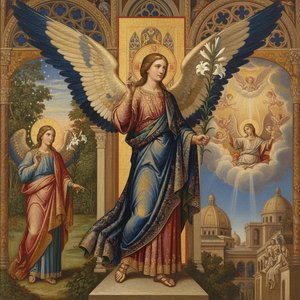
Divine Messengers: A Curated Guide to the Iconography of Angel Gabriel in Art History
Explore the profound beauty of Angel Gabriel in art history. From Renaissance masterpieces to Baroque splendor, our expert guide delves into the sacred iconography and timeless techniques of these divine messengers for the discerning art enthusiast.

Celestial Messengers: Angels in Painting – A Historical & Artistic Exploration
Explore the captivating history of angels in painting! Discover symbolism, iconic Renaissance & Byzantine masterpieces, and renowned artists. Expert insights for art lovers & collectors at OriginalUniqueArt.

Dante Gabriel Rossetti'nin En İyi 25 Eseri: Sanat, Estetik ve Ev Dekorasyonu Rehberi
Dante Gabriel Rossetti'nin en iyi 25 eserini keşfedin! Pre-Raphaelite akımının büyülü dünyasına dalın, sembolizm ve romantizmi evlerinize taşıyın. Sanat reproduksiyonları OriginalUniqueArt.com’da.

Celestial Messengers: A Comprehensive Exploration of Angelic Representation in Art History
Explore the captivating history of angels in art! Discover symbolism, iconic Renaissance masterpieces & renowned artists. Expert insights for art lovers & collectors at OriginalUniqueArt.