- Ana Sayfa

- Dijital Görsel Listesi
- barnaba da modena
- Virgin and Child
 Önizleme yap
 Paylaş
 Paylaş
 Detayları Gör

 İndir
İndir
 Benzerlerini gör
 X-Işını
 Slayt Gösterisi
Virgin and Child
 Tempera On Panel
- Byzantine Style
 1360
1360- Late Medieval
 100.0 x 63.0 cm
 Museum of Fine Arts
 Tümünü Gör
Çevrimiçi önizlemeden çok daha üstün, yüksek çözünürlüklü ve iyileştirilmiş bir dijital görüntü satın alın.
Her dosya, uzman ekibimiz tarafından gelişmiş araçlar ve titiz manuel rötuş teknikleri kullanılarak özenle hazırlanır. Her görüntünün olağanüstü netliğe, kusursuz renk doğruluğuna ve ince ayrıntılara sahip olduğundan emin oluruz.
Son dosya; profesyonel, editoryal ve baskı süreçlerinde anında kullanıma uygun şekilde optimize edilerek 72 saat içinde e-posta yoluyla teslim edilir. Bu, seçkin tasarım stüdyoları, yayıncılar ve galerilerin güvendiği aynı kalite standartlarındadır.
Dijital Görsel
Kişisel sergileme, baskı ve yaratıcı projeleriniz için yüksek çözünürlüklü bir dosya indirin. ( Baskıya Geç El boyaması versiyona geç)
Her Dijital Görüntü Siparişinde Dahil Olanlar
Uzman Dijital Teslimat, Garantili
OriginalUniqueArt.com seçtiğinizde, sadece bir görsel edinmekle kalmaz; titizlikle hazırlanmış, profesyonelce iyileştirilmiş dijital bir sanat eserine sahip olur ve memnuniyet garantisiyle güvence altına alınırsınız. Siparişinizle birlikte otomatik olarak sunulan her şey şunlardır:

Hızlı E-posta ile Teslimat
Yüksek çözünürlüklü dijital görüntü dosyanız, siparişinizin üzerinden en geç 72 saat geçmeden e-posta ile size gönderilecektir; hemen kullanıma hazırdır.

Yapay Zeka İle İyileştirilmiş Dijital Dosya
Sanat eseriniz; maksimum detay, netlik ve renk doğruluğu sağlamak amacıyla gelişmiş yapay zeka araçları ve manuel düzenleme kullanılarak profesyonelce optimize edilmektedir.

Ömür Boyu Ücretsiz Yeniden Gönderim
Dosyanızı yanlışlıkla mı sildiniz yoksa kayıp mı oldu? Endişelenmeyin; dosyanızı dilediğiniz zaman size ücretsiz olarak tekrar göndereceğiz.

Hiçbir Zaman İthalat Ücreti Ödemeyin
Sanat eserinizin tadını gümrük vergisi, harç veya teslimat ücreti ödemeden anında çıkarın; dijital indirmeler her zaman vergiden muaftır.

Renk Doğruluğu Garantisi
Profesyonel araçlar ve renk yönetimi kullanarak dijital görselinizin orijinal renklere mümkün olduğunca yakın yansıtılmasını sağlıyoruz.

60 Günlük Memnuniyet Garantisi
If you're not satisfied with your digital image, we'll revise it or refund 100% within 60 days - no questions asked.

100% Para İadesi Garantisi
Memnun kalmadınız mı? Dijital dosyanızı aldıktan sonraki 60 gün içinde, hiçbir soru sorulmaksızın tam iade alın.

Toplu Sipariş İndirimleri
Buy 3 images, save 10% - Buy 5, save 15% - Buy 10+, save 20%. Great for creative projects, galleries, and agencies.
Koleksiyon Detayları
A Tender Encounter in Gold and Grace
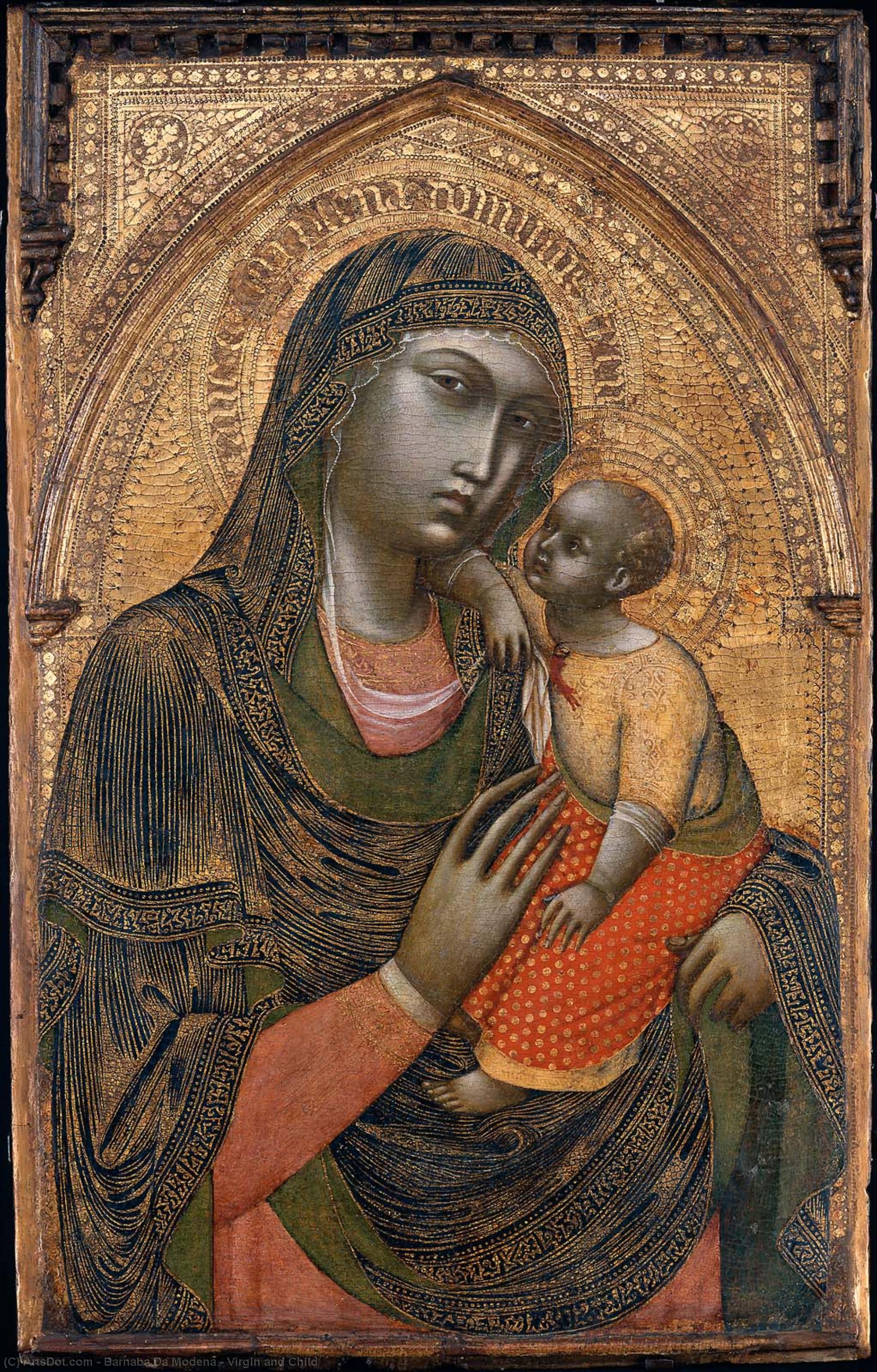
In the quiet intimacy of Barnaba da Modena’s Virgin and Child, we are invited into a sacred moment that transcends the centuries. Created around 1360, this masterpiece serves as a profound window into the spiritual heart of the Trecento period. The painting captures a deeply human connection between the Virgin Mary and her infant son, presenting a scene where divine majesty meets maternal tenderness. As she cradles the young boy, there is an unmistakable sense of protection and warmth; the way she holds him close suggests a sanctuary of love amidst the grandeur of her celestial station. This is not merely a religious icon, but a poignant study of the bond between mother and child, rendered with a delicacy that speaks directly to the soul.
The visual language of the piece is heavily influenced by the Byzantine tradition, a stylistic choice that Barnaba da Modena championed with singular devotion. This influence is most evident in the luminous, ethereal quality of the figures and the use of ornate, symbolic elements. Above the Virgin’s head, an intricate crown rests, signaling her status as the Queen of Heaven, while the decorative archway framing the scene provides a sense of architectural permanence and sanctity. The interplay of light and shadow across the soft features of the Christ child creates a lifelike presence, grounding the divine subject matter in a palpable, earthly reality that continues to captivate viewers today.
A Masterpiece of Byzantine Echoes
To behold this work is to witness the bridge between the rigid formality of Eastern iconography and the burgeoning naturalism of the Italian Renaissance. Barnaba da Modena, working during a time of great cultural transition in Lombardy and beyond, utilized a technique that emphasizes texture and symbolic depth. The composition is balanced yet emotionally charged, making it an ideal centerpiece for those looking to infuse a space with historical gravity and contemplative peace. For the discerning collector or interior designer, this painting offers more than just aesthetic beauty; it provides a focal point of profound narrative strength.
Integrating a high-quality reproduction of this Virgin and Child into a curated collection allows for the introduction of a timeless, classical elegance. Whether placed in a sunlit gallery or a sophisticated contemporary living space, the painting’s rich historical context and emotive power act as a conversation starter. It evokes an era of craftsmanship where every brushstroke was an act of devotion, making it a perfect acquisition for those who appreciate art that possesses both a scholarly pedigree and a deeply moving emotional resonance.
Sanatçı Özgeçmişi
Barnaba da Modena (c. 1328 – c. 1386): A Byzantine Echo in Lombard Painting
Barnaba da Modena stands as a singular figure in the artistic landscape of fourteenth-century Italy—a pioneer who bravely championed a stylistic tradition largely abandoned by his contemporaries, firmly rooted in the grandeur and spirituality of Byzantium. Born around 1328 in Modena (Emilia), he emerged from obscurity to become arguably the first Lombard painter of considerable renown, leaving behind an impressive oeuvre that testifies to his unwavering devotion to this venerable artistic heritage. His activity spanned Lombardy, Piedmont, and Pisa in Tuscany, establishing him as a pivotal artist within the burgeoning cultural dynamism of the era.- Early Life & Training: Precise biographical details surrounding Barnaba’s formative years remain elusive. Records indicate he was active in Genoa from approximately 1364, where he secured patronage and honed his craft amidst a vibrant artistic milieu. This Genoese engagement undoubtedly exposed him to the prevailing stylistic currents of the time—a stark contrast to the increasingly naturalistic tendencies gaining traction elsewhere in Italy.
- Byzantine Influence: Barnaba’s distinctive style is undeniably indebted to Byzantine painting, particularly its use of gold leaf and shimmering backgrounds. He meticulously replicated techniques perfected centuries earlier, prioritizing luminous color palettes and compositional schemes that emphasized symbolic grandeur rather than realistic representation. This commitment to tradition speaks volumes about his artistic sensibilities and reflects a profound understanding of the visual language of religious art.
- Notable Works & Patronage: Barnaba’s prolific output encompassed around fifty paintings—a remarkable achievement considering the period—primarily focused on depictions of the Virgin Mary and Christ, often framed within elaborate architectural settings reminiscent of Byzantine churches. His commissions included prominent roles in Genoa’s Palazzo Ducale and contributed significantly to the artistic embellishment of ecclesiastical spaces throughout Lombardy.
- Technique & Innovation: Despite adhering to Byzantine conventions, Barnaba demonstrated considerable technical skill—a testament to his meticulous attention to detail and masterful manipulation of pigment. His paintings exhibit a remarkable level of refinement, achieved through painstaking layering of glazes and incorporating subtle gradations of color that imbue the images with an ethereal quality.
- Legacy & Influence: Barnaba’s artistic vision profoundly impacted subsequent generations of Lombard painters. Notably, Nicolò da Voltri continued his stylistic trajectory in Liguria until circa 1420, perpetuating Barnaba's Byzantine aesthetic and solidifying his position as a foundational figure in the development of Lombard painting. His enduring legacy resides not merely in his individual masterpieces but also in his contribution to shaping the artistic landscape of his time—a beacon of spiritual contemplation amidst the burgeoning complexities of the Renaissance.
Major Achievements & Artistic Style
Barnaba’s most celebrated achievements lie in his masterful execution of monumental frescoes adorning churches throughout Lombardy and Genoa. These works exemplify the pinnacle of Byzantine influence, characterized by:- Gold Leaf Backgrounds: Extensive use of gold leaf created radiant surfaces that evoked the splendor of imperial cathedrals—a deliberate stylistic choice reflecting Barnaba’s reverence for Byzantine iconography.
- Symbolic Composition: Paintings prioritized conveying theological concepts through carefully orchestrated visual narratives, emphasizing spiritual significance over mere aesthetic beauty.
- Luminous Color Palette: Barnaba skillfully employed vibrant hues—particularly blues and reds—to illuminate biblical scenes and imbue them with emotional intensity.
Connections & Artistic Context
Barnaba’s artistic milieu was shaped by the prevailing stylistic trends of his time, yet he steadfastly resisted the emerging naturalism championed by artists like Giotto di Bondone. He remained firmly committed to Byzantine principles—a conscious decision that distinguished him from many of his contemporaries and cemented his reputation as a champion of tradition. His work stands apart as an exceptional example of artistic integrity—a testament to his unwavering devotion to conveying spiritual truths through visual art.Further Exploration
For deeper insights into Barnaba da Modena’s life and oeuvre, consult the following resources:- tiraboschi, Giuseppe Maria.Storia della letteratura lombarda dal secolo IX al XVI. Milano: Boccaveri Editore, 1867.

barnaba da modena
1328 - 1386 , Italy
Kısa Bilgiler
- Artistic Movement Or Style: Byzantine-influenced Lombard Painting
- Artists Or Movements Influenced By This Artist: ['Nicolò da Voltri']
- Artists Who Influenced This Artist: ['']
- Date Of Death: 1386
- Full Name: Barnaba da Modena
- Nationality: Italian
- Notable Artworks:
- Madonna and Child
- Crucifixion
- Place Of Birth: Modena, Italy

