
 Gerçek Boyutta Önizle
 Paylaş
 Paylaş
 Detayları Gör
 Rehber

 İndir
İndir
 Benzer ürünler
 X-Işını
 Slayt Gösterisi
 Soru & Cevap
 İstatistikler
Fruits and Shells on a Ledge

- 37.0 x 51.0 cm


 Tümünü Gör
Giclée / Sanat Baskısı
Hızlı üretim ve esnek bitiş seçenekleriyle müze kalitesinde giclée veya kanvas baskı. ( El Yapımı Tablo Satın Al Dijital Görsele Geç)




P118B ₺10

P118H ₺10

P118W ₺10

P438Z ₺10

P508JH ₺12

P508YH ₺12

P805H ₺10

P805Z ₺10

P919BZ ₺10

P919G ₺10

P919XJ ₺10

P959ZH ₺10

P968JZ ₺12

W106C ₺8

W218G ₺10

W218JH ₺8

W218Y ₺10

W307PJ ₺10

W316G ₺10

W316PJ ₺8

W316Y ₺10

W398PJ ₺8

W4111J ₺10

W500HY ₺15

W500JH ₺15

W692G ₺12

W849H ₺8

W940BG ₺15

W953PJ ₺8




Eserin orijinal oranlarıyla uyumlu, önceden belirlenmiş boyutlarımız arasından seçim yapın.

Çerçevenize veya duvarınıza uygun olması için ihtiyacınız olan genişlik ve yüksekliği yazın. Bir baskı yalnızca kesilebilir, görselden daha büyük hale getirilemez; bu nedenle farklı bir formdaki boyut seçimi, görselin bir kısmının kaybına neden olur. Herhangi bir baskı yapmadan önce onaylamanız için size bir dijital taslak gönderiyoruz. Bu sayfada gösterilen resim gerçek kesimi göstermez — bunu yalnızca taslak gösterir.
Dünya Çapında Teslimat (); standart 4/5 hafta yerine 2 haftada. (9 Kasım)

Dünya Çapında Ücretsiz Ekspres Kargo

Yüksek Kaliteli Keten Kanvas

Tam Nakliye Sigortası

Gümrük Vergisi İadesi Garantisi

Gerçek Renk Uyumu Garantisi

100 Günlük İade Politikası (Sadece Kusurlu Ürünler İçin)

%100 Para İade Garantisi

Toplu Alım İndirimi
 Cam seçeneği yalnızca 110 cm altındaki boyutlar için mevcuttur.

Fruits and Shells on a Ledge
Giclée / Sanat Baskısı
Reproduksiyon Boyutu
-


Toplam Tutar
₺ 3996
A Microcosm of Abundance: The Luminous World of Balthasar van der Ast
To gaze upon Balthasar van der Ast’s “Fruits and Shells on a Ledge” is to step through a portal into the heart of the Dutch Golden Age. Painted around 1630, this masterpiece is far more than a mere arrangement of inanimate objects; it is a meticulously orchestrated symphony of texture, light, and life. The canvas presents an opulent assembly of nature’s finest offerings—plump apples, vibrant oranges, deep plums, and the exotic curve of bananas—resting alongside a collection of seashells that whisper of distant, sun-drenched shores. Through his unparalleled skill, van der Ast transforms a simple stone ledge into a stage where the natural world performs its silent, breathtaking drama.
The painting serves as a profound reflection of the 17th-century Dutch spirit, an era defined by scientific curiosity and burgeoning global connections. During this period, the reach of the Dutch East India Company brought treasures from far-flung corners of the earth to the ports of Zeeland and beyond. The inclusion of exotic shells and tropical fruits was not merely a display of wealth, but a celebration of discovery and the expanding horizons of the human experience. Yet, amidst this display of prosperity, there is a poignant layer of vanitas—a subtle reminder of the fleeting nature of existence. As tiny insects buzz around the ripening fruit, the artist invites us to contemplate the delicate balance between the permanence of art and the ephemeral beauty of life itself.
Mastery of Light and Tactile Realism
What distinguishes this work for the discerning collector is van der Ast’s extraordinary command over technique. He employs a method of painstaking oil layering and subtle glazing that grants the surface an almost tactile luminosity. One can almost feel the cool, smooth skin of the apples, the rough, calcified ridges of the seashells, and the delicate, velvety softness of the single rose blossom that balances the composition. The artist utilizes atmospheric perspective to create a sense of profound depth, subtly shifting tones to pull the viewer into the scene, making the ledge appear as though it projects physically into our own space.
The lighting is equally masterful, emanating from an unseen source on the left to cast soft, defining shadows that sculpt each object with precision. This interplay of light and shadow creates a rhythmic movement across the canvas, guiding the eye from the dense, colorful cluster of fruit on the left toward the more tranquil, open space on the right. For those seeking to incorporate such a piece into a curated interior, its muted palette of greens, ochres, and deep reds offers a sophisticated anchor, providing both a sense of historical gravity and a timeless aesthetic elegance that complements both classical and contemporary decor.
An Invitation to Contemplation
Beyond its technical brilliance, “Fruits and Shells on a Ledge” possesses an emotional resonance that transcends centuries. It evokes a sense of quietude and reverence for the natural order. There is no overt narrative or loud drama; instead, there is a meditative stillness that encourages the viewer to slow down and observe the intricate details of the universe. Whether viewed as a celebration of botanical beauty or a philosophical meditation on time, the painting remains an enduring icon of Dutch excellence.
For art lovers and interior designers alike, owning a high-quality reproduction of this work means bringing more than just decoration into a room; it means inviting a piece of history, a sense of abundance, and a profound moment of reflection into the everyday environment. It is a testament to the idea that true beauty lies in the meticulous observation of the world around us.
Soru ve Cevaplar
Balthasar Van Der Ast imzalı "Fruits and Shells on a Ledge" eserinin dijital görüntüsünü nereden satın alabilirim?
Balthasar Van Der Ast imzalı "Fruits and Shells on a Ledge" eserinin dijital dosyasını edinmek için, Yüksek Çözünürlüklü Dijital Görsel sayfasından yüksek çözünürlüklü dijital görsel indirme siparişi verebilirsiniz.
"Fruits and Shells on a Ledge" eserinde kontrast ve uyum nasıl bir araya geliyor?
"Fruits and Shells on a Ledge" eserinde, Serene bir kontrast, Softly Mixed Palette bir uyumla eşleşiyor.
Balthasar Van Der Ast imzalı "Fruits and Shells on a Ledge" eserinde hakim olan renk nedir?
Gray (#67655c), Balthasar Van Der Ast imzalı "Fruits and Shells on a Ledge" eserinin baskın rengidir.
Sanatçı Özgeçmişi
Küçük Evrenin Ustası: Balthasar van der Ast
Eşi benzeri görülmemiş bir refah ve bilimsel merakla tanımlanan on yedinci yüzyıl Hollanda'sının altın ışığı altında, Balthasar van der Ast küçük ölçekli şaheserlerin virtüözü olarak yükseldi. 1593 civarında Middelburg'da doğan van der Ast, nesneleri sadece resmetmekle kalmadı; tuval üzerinde sessiz dramalar yönetti. Hayatı, varlıklı bir yün tüccarı olan Hans van der Ast'ın oğlu olarak Zeeland'ın gelişen tüccar kültürüyle derin bir bağ içindeyden. Bu geçmiş ona sosyal istikrardan çok daha fazlasını sundu; daha sonra ünlü natürmortlarının başkahramanları olacak egzotik mallarla ve değerli örneklerle erken yaşta bir yakınlık kazandırdı.
Sanat ruhunun gidişatı, Bosschaert hanedanı ile olan bağıyla geri dönülemez bir şekilde şekillendi. Bir aile bağı sayesinde van der Ast, üvey babası olan efsanevi Ambrosius Bosschaert the Elder'ın öğrencisi oldu. Bu eğitimin altında, neredeyse mikroskobik düzeyde bir gözlem gerektiren "çiçek resmi" türü için gereken titiz hassasiyette ustalaştı. Bu mükemmellik mirası, onun ince ton geçişleri ve doğanın fiziksel dokusuna duyulan derin saygı ile karakterize edilen bir tekniği geliştirmesine olanak tanıdı. Bu mükemmeliyet arayışında yalnız değildi; kayınbiraderleriyle birlikte, ışık ve gölgenin hassas etkileşimine öncelik veren ve basit botanik çalışmaları varoluş üzerine derin tefekküre dönüştüren üslup akımının gelişmesine yardımcı oldu.
Deniz Kabukları ve Floranın Senfonisi
Çağdaşlarının çoğu yalnızca çiçeklerin geçici güzelliğine odaklanırken, van der Ast konkoloji üzerine yaptığı öncü keşiflerle tarihsel ölümsüzlüğe ulaştı. Deniz canlılarının kireçlenmiş kalıntılarına en yumuşak taç yaprakla aynı saygıyla yaklaşarak deniz kabuğu resminin öncüsü oldu. "Erikler, Kirazlar ve Deniz Kabukları ile Natürmort" gibi eserlerinde, farklı dokuların nefes kesici bir evliliğine tanıklık edilebilir: meyvelerin sulu, yarı saydam kabukları, egzotik deniz kabuklarının sert ve sedefli yüzeyleriyle tezat oluşturur. Bu tutku yalnızca estetik değildi; dönemin doğal tarihe yönelik gelişen bilimsel ilgisini ve Hollanda deniz ticaretinin küresel erişimini yansıtıyordu.
Kompozisyonları genellikle sadece bir zenginlik gösterisi veya botanik doğruluktan çok daha fazlası işlevi görüyordu. Bir van der Ast tablosuna yakından bakmak, hümanist felsefeye dayanan karmaşık bir sembolizm ağıyla etkileşime girmektir. Onun düzenlemelerinde şunlar bulunabilir:
- Hayatın Geçiciliği: Solan taç yapraklar veya içinde bulundukları güzelliği tüketen böcekler aracılığıyla temsil edilir.
- Bilimsel Gözlem: Coğrafi Keşifler Çağı'nı ve dönemin bilgiye olan susuzluğunu yansıtan türlerin titiz bir kaydı.
- Vanitas Temaları: Meyvelerin çürümesinin dokunaklı bir memento mori görevi gördüğü, ölümlülüğün ince hatırlatıcıları.
Miras ve Sanatsal Önem
Balthasar van der Ast'ın etkisi Utrecht'teki kendi atölyesinin çok ötesine uzandı. Roelandt Savery gibi sanatçıları yerel loncaya kabul ederek, tonlama ve realizmin gelişebileceği bir ortamın oluşmasına yardımcı oldu. Cansız nesnelere bir yaşam duygusu katma yeteneği —meyvelerin arasında dolaşan kertenkele ve böcek tasvirlerinde görülen bir nitelik— Hollanda Altın Çağı için yeni bir standart belirledi. Natürmort türünü statik bir düzenlemeden daha dinamik, nefes alan bir gerçekliğe taşıdı.
Bugün eserleri, British Museum'dan Avrupa'nın büyük galerilerine kadar dünya çapındaki müze koleksiyonlarının temel taşları olmaya devam ediyor. Mirası, bir yaprak üzerindeki çiy damlasını veya bir deniz kabuğunun yanardöner parıltısını yakalayan her fırça darbesinde bulunur. Balthasar van der Ast, Stilleven türünün bir devi olarak kalmaya devam ediyor; dünyaya sonsuzluğu en küçük olanın içinde bulmayı öğreten ve doğal dünyanın mütevazı nesnelerini ebedi güzellik ikonlarına dönüştüren bir sanatçı.

Balthasar Van Der Ast
1593 - 1657 , Hollanda
Kısa Bilgiler
- Artistic Movement Or Style: Altın Çağ Resim Sanatı
- Artists Or Movements Influenced By This Artist: Holland Baroku
- Artists Who Influenced This Artist: Ambrosius Bosschaert
- Date Of Birth: 1593
- Date Of Death: 1657
- Full Name: Balthasar van der Ast
- Nationality: Hollandalı
- Notable Artworks:
- Bir Kenar Üzerinde Meyveler ve Kabuklar
- Lale
- Kertenkele ve Kabuk
- Place Of Birth: Middelburg, Hollanda
Benzer Yazılar
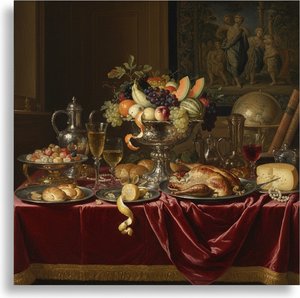
Abraham Hendricksz van Beyeren: Pioneering Dutch Still Life & the Banquet Tradition
Explore the captivating world of Dutch Golden Age still life with Abraham van Beyeren. Discover his innovative techniques, symbolic banquet scenes & lasting influence on art history. Learn about collecting these masterpieces.

Golden Light & Dutch Skies: The Timeless Magic of Dutch Golden Age Landscapes
Discover the breathtaking beauty of Dutch Golden Age landscapes. Explore the mastery of light, chiaroscuro, and 17th-century realism through an expert art history lens, celebrating the enduring legacy of the Dutch Masters for discerning collectors and art lovers.

Rembrandt'ın En Ünlü 25 Eseri: Sanat Tarihine Işık Tutan Başyapıtlar
Rembrandt'ın en ünlü 25 eserini keşfedin! Hollanda Altın Çağı'nın bu Barok dehasının ışık ve gölge oyunlarıyla dolu portreleri, tarihi resimleri sizi büyüleyecek. Sanat baskıları ve ev dekorasyonu için OriginalUniqueArt.com'da Rembrandt koleksiyonunu inceleyin.

Golden Age Reflections: Dutch Baroque Painting & Cultural Innovation
Explore the Dutch Golden Age of painting! Discover key artists like Vermeer & ter Borch, their innovative techniques, and the rich cultural context behind these Baroque masterpieces. Learn about collecting & appreciating this iconic art period.

Hollanda Altın Çağı'nın 10 Eseri: Sanat ve Ev Dekorasyonunda Usta Dokunuşlar
Hollanda Altın Çağı'nın en büyüleyici 10 eseriyle sanat tarihine yolculuk! Rembrandt, Vermeer ve daha fazlasının ustalıklarını keşfedin. Evinizi sanatla taçlandırın. OriginalUniqueArt.com’da tüm başyapıtları inceleyin.