
 Önizleme yap
 Paylaş
 Paylaş
 Detayları Gör

 İndir
İndir
 Benzerlerini gör
 X-Işını
 Slayt Gösterisi
 İstatistikler
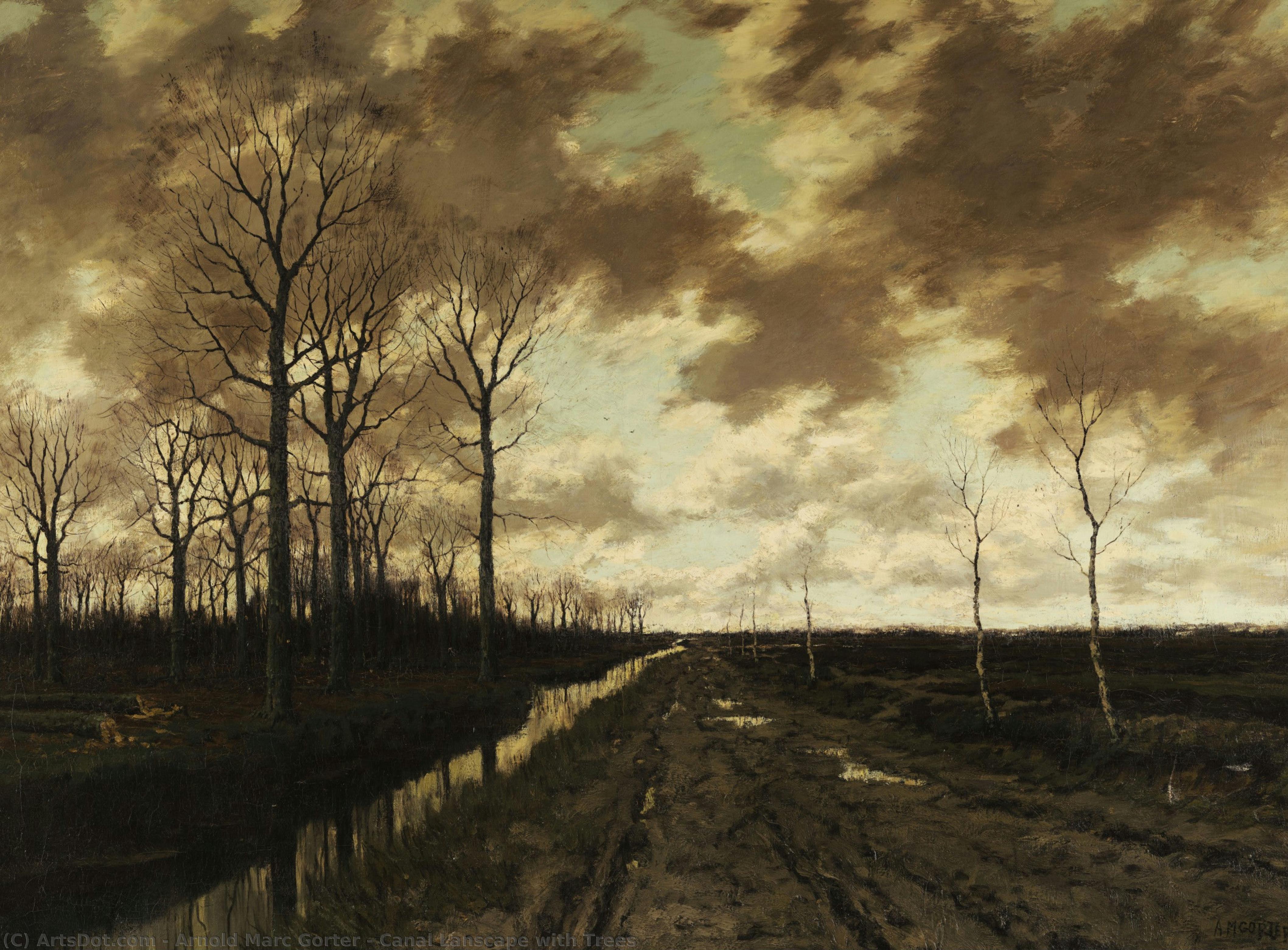
Canal Lanscape with Trees
 Oil
Oil- WallArt
- Realism
 19th Century
 100.0 x 136.0 cm
 Crocker Art Museum
 Tümünü Gör
Çevrimiçi önizlemeden çok daha üstün, yüksek çözünürlüklü ve iyileştirilmiş bir dijital görüntü satın alın.
Her dosya, uzman ekibimiz tarafından gelişmiş araçlar ve titiz manuel rötuş teknikleri kullanılarak özenle hazırlanır. Her görüntünün olağanüstü netliğe, kusursuz renk doğruluğuna ve ince ayrıntılara sahip olduğundan emin oluruz.
Son dosya; profesyonel, editoryal ve baskı süreçlerinde anında kullanıma uygun şekilde optimize edilerek 72 saat içinde e-posta yoluyla teslim edilir. Bu, seçkin tasarım stüdyoları, yayıncılar ve galerilerin güvendiği aynı kalite standartlarındadır.
Dijital Görsel
Kişisel sergileme, baskı ve yaratıcı projeleriniz için yüksek çözünürlüklü bir dosya indirin. ( Baskı Moduna Geç El yapımı tablo satın al)
Her Dijital Görüntü Siparişinde Dahil Olanlar
Uzman Dijital Teslimat, Garantili
OriginalUniqueArt.com seçtiğinizde, sadece bir görsel edinmekle kalmaz; titizlikle hazırlanmış, profesyonelce iyileştirilmiş dijital bir sanat eserine sahip olur ve memnuniyet garantisiyle güvence altına alınırsınız. Siparişinizle birlikte otomatik olarak sunulan her şey şunlardır:

Hızlı E-posta ile Teslimat
Yüksek çözünürlüklü dijital görüntü dosyanız, siparişinizin üzerinden en geç 72 saat geçmeden e-posta ile size gönderilecektir; hemen kullanıma hazırdır.

Yapay Zeka İle İyileştirilmiş Dijital Dosya
Sanat eseriniz; maksimum detay, netlik ve renk doğruluğu sağlamak amacıyla gelişmiş yapay zeka araçları ve manuel düzenleme kullanılarak profesyonelce optimize edilmektedir.

Ömür Boyu Ücretsiz Yeniden Gönderim
Dosyanızı yanlışlıkla mı sildiniz yoksa kayıp mı oldu? Endişelenmeyin; dosyanızı dilediğiniz zaman size ücretsiz olarak tekrar göndereceğiz.

Hiçbir Zaman İthalat Ücreti Ödemeyin
Sanat eserinizin tadını gümrük vergisi, harç veya teslimat ücreti ödemeden anında çıkarın; dijital indirmeler her zaman vergiden muaftır.

Renk Doğruluğu Garantisi
Profesyonel araçlar ve renk yönetimi kullanarak dijital görselinizin orijinal renklere mümkün olduğunca yakın yansıtılmasını sağlıyoruz.

100 Günlük Memnuniyet Garantisi
If you're not satisfied with your digital image, we'll revise it or refund 100% within 100 days - no questions asked.

100% Para İadesi Garantisi
Memnun kalmadınız mı? Dijital dosyanızı teslim aldıktan sonraki 100 gün içinde, hiçbir soru sorulmaksızın tam para iadesi alabilirsiniz.

Toplu Sipariş İndirimleri
Buy 3 images, save 10% - Buy 5, save 15% - Buy 10+, save 20%. Great for creative projects, galleries, and agencies.
A Winter’s Quietude: The Poetic Realism of Arnold Marc Gorter
In the quiet corners of the Dutch landscape tradition, few artists captured the melancholic beauty of a dormant season as tenderly as Arnold Marc Gorter. His masterpiece, Canal Landscape with Trees, invites the viewer into a world where time seems to slow, suspended in the silvered light of a late nineteenth-century winter. The scene unfolds along a rutted country path that skirts a tranquil canal, presenting a vista that is both stark and deeply comforting. Here, the earth lies fallow, resting beneath a heavy sky, while a line of skeletal trees stands as silent sentinels over the waterway. There is a profound sense of stillness in this composition, a moment of seasonal breath-holding where the vibrant life of summer has retreated, leaving behind a landscape of muted tones and structural elegance.
The technical mastery of Gorter is evident in his sophisticated use of a tonal palette. Eschewing the loud, dramatic colors of high Impressionism, he instead embraces a subtle symphony of grays, browns, and deep mossy greens. This restrained approach allows the artist to focus on the interplay of light and texture—the dampness of the canal banks, the rough bark of the trees, and the soft, diffused glow filtering through a canopy of clouds. One can almost feel the crisp, biting air of the Netherlands. The composition is expertly balanced; the verticality of the standing trees provides a rhythmic counterpoint to the horizontal expanse of the water and the path, creating a sense of stability and peace that draws the eye deep into the horizon where the blue sky begins to puncture the overcast heavens.
Beyond its mere depiction of nature, the painting carries a subtle narrative of human presence and the cycles of life. The sight of two felled trees on the left serves as a poignant reminder of the utilitarian relationship between the Dutch people and their land—trees harvested for fuel or construction, marking the inevitable passage of time and the necessity of survival. Yet, this touch of mortality is softened by the small, scattered figures near the canal, whose presence suggests that even in the depths of winter, life continues its quiet, rhythmic dance. For the discerning collector or interior designer, this piece offers more than just decoration; it provides an emotional anchor. It is a work of profound serenity, perfect for creating a sophisticated atmosphere of contemplation and timelessness within a curated space.
Owning a reproduction of such a significant work allows one to bring the enduring spirit of Dutch realism into the modern home. Whether placed in a sunlit gallery or a cozy study, Canal Landscape with Trees acts as a window into a lost era of pastoral tranquility. It is an invitation to pause, to breathe, and to find beauty in the understated, making it an exquisite choice for those who appreciate art that speaks softly but leaves a lasting impression on the soul.
Sanatçı Özgeçmişi
A Tranquil Vision of Dutch Landscapes
Arnold Marc Gorter (1866, Almelo – 1933, Amsterdam) stands as a quiet yet significant figure in the landscape painting tradition of the late nineteenth and early twentieth-century Netherlands. While he may not command the same global level of fame as some of his Impressionist contemporaries like Franz Marc or Auguste Renoir, Gorter’s meticulous observation and masterful execution secured him a revered place among the luminaries of his era. His ability to capture the very essence of Dutch rural life with remarkable sensitivity was so profound that he became a favored artist of Queen Wilhelmina herself—a distinction that speaks volumes about the emotional resonance and technical grace found within his canvases.
Born in the eastern town of Almelo, Gorter’s artistic journey was shaped by rigorous academic training in the heart of Amsterdam. In 1888, he began his studies under the esteemed tutelage of August Allebé and Pierre Cuypers at the Rijksnormaalschool voor teekenonderwijzers. This formative period instilled in him a foundational understanding of realist technique, which he further refined while attending the Rijksakademie van beeldende kunsten between 1889 and 1891. These years of disciplined study established his commitment to capturing the natural world with an eye for both structural accuracy and atmospheric depth.
Mastery of Light and Atmosphere
As Gorter’s career progressed, his work began to reflect the broader stylistic currents sweeping through European art. While rooted in realism, his approach evolved to embrace a more ethereal palette, where the focus shifted from precise topographical detail toward the conveyance of mood and atmosphere. One can sense the subtle influence of Impressionistic philosophies within his oeuvre, particularly in how he manipulated light to evoke specific seasonal emotions. Whether depicting the silvered, melancholic light of a winter’s day or the vibrant, sun-drenched vitality of an autumn path, Gorter possessed a unique gift for making the landscape feel alive and breathing.
His technical prowess was not merely a matter of personal satisfaction but was recognized on the most prestigious international stages. A defining moment in his professional life occurred in 1910, when he was awarded a gold medal at the Paris Salon, an achievement that solidified his reputation far beyond the borders of the Netherlands. His paintings often invite the viewer into a world where time seems to slow down; in works such as Canal Landscape with Trees, the earth appears to lie fallow and resting beneath heavy skies, creating a sense of poetic realism that is both stark and deeply comforting.
Legacy and Artistic Leadership
Beyond the easel, Gorter was a pillar of the Dutch artistic community. His active engagement in prestigious organizations such as the Pulchri Studio and Arti et Amicitiae underscores his dedication to fostering innovation and elevating the standards of visual arts. He did not merely participate in these circles; he led them, serving as the president of the artists' association Arti et Amicitiae. This leadership role allowed him to influence the direction of Dutch art and connect with a wide array of influential figures, ranging from fellow painters to royalty.
The historical significance of Gorter’s life is perhaps most beautifully illustrated by his personal connection to the Dutch monarchy. In 1922, he accompanied Queen Wilhelmina on a journey through Norway, serving not just as a companion but as her painting teacher. This intimate role highlights the respect in which his talent was held. His legacy continues through the many pupils he mentored, including Marinus Bies and Carel Lodewijk Dake, ensuring that his dedication to the beauty of the natural world would ripple through subsequent generations of landscape painters.

Arnold Marc Gorter
1866 - 1933 , Netherlands
Kısa Bilgiler
- Artistic Movement Or Style: Impressionism
- Artists Or Movements Influenced By This Artist: Blue Rider
- Artists Who Influenced This Artist: August Allebé
- Date Of Birth: 1866, Almelo
- Date Of Death: 1933, Amsterdam
- Full Name: Arnold Marc Gorter
- Nationality: Dutch
- Notable Artworks:
- Natures Mirror
- Heideweg In Drenthe
- Place Of Birth: Almelo, Netherlands