
 Önizle
 Gönder
 Paylaş
 Detaylar
 Rehber

 Dosyayı İndir
 Benzerleri
 X-Işını
 Slayt Gösterisi
 İstatistikler
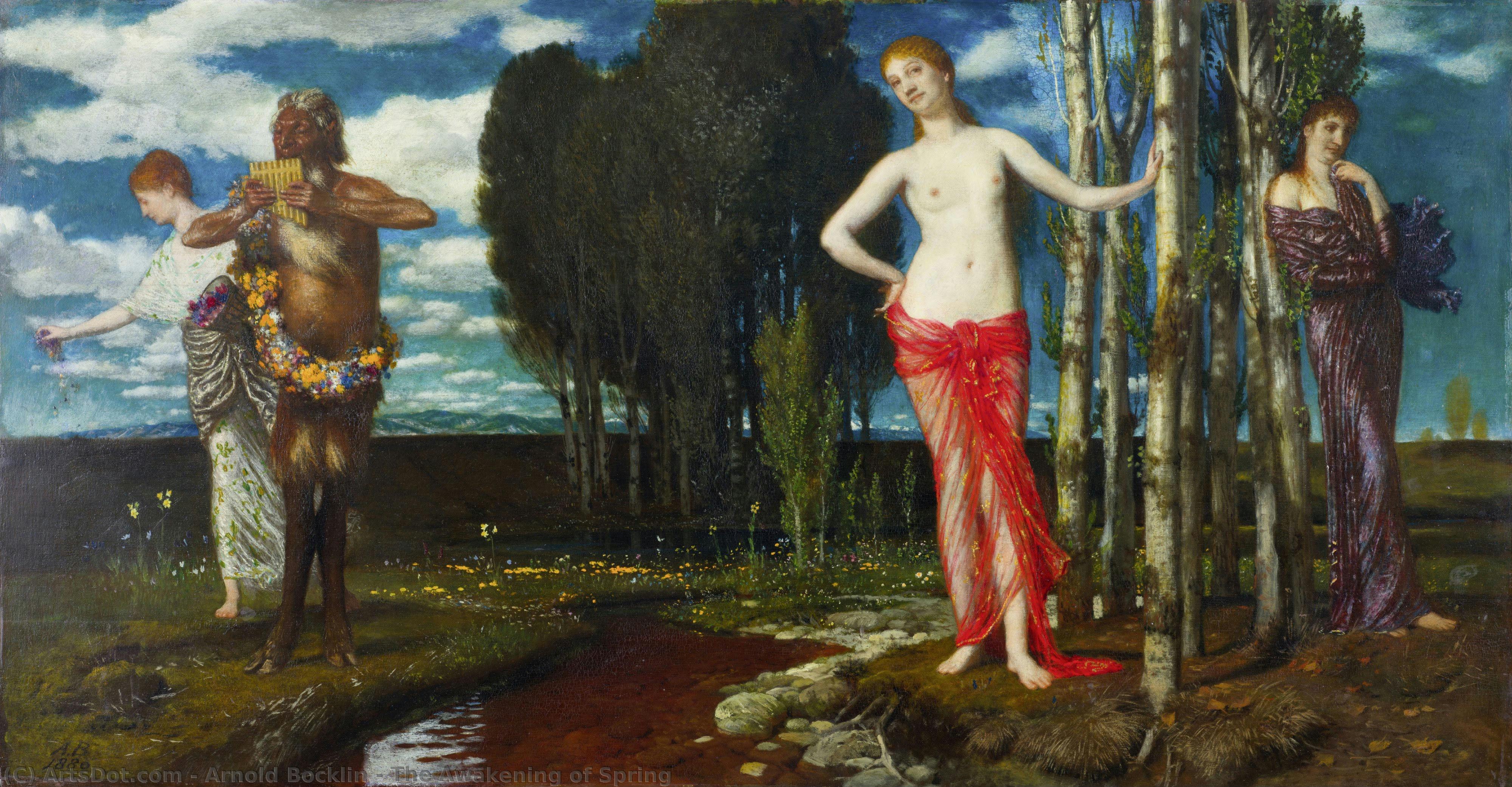
The Awakening of Spring


 Devamını Oku
Giclée / Sanat Baskısı
Hızlı üretim ve esnek bitiş seçenekleriyle müze kalitesinde giclée veya kanvas baskı. ( El Yapımı Tablo Satın Al Dijital Görsel Satışına Geç)




P118B $10

P118H $10

P118W $10

P438Z $10

P508JH $12

P508YH $12

P805H $10

P805Z $10

P919BZ $10

P919G $10

P919XJ $10

P959ZH $10

P968JZ $12

W106C $8

W218G $10

W218JH $8

W218Y $10

W307PJ $10

W316G $10

W316PJ $8

W316Y $10

W398PJ $8

W4111J $10

W500HY $15

W500JH $15

W692G $12

W849H $8

W940BG $15

W953PJ $8




Eserin orijinal oranlarıyla uyumlu, önceden belirlenmiş boyutlarımız arasından seçim yapın.

Belirli bir çerçeveye veya alana uyması için kendi ölçülerinizi girebilirsiniz. Seçtiğiniz boyut orijinal görüntünün oranlarıyla eşleşmiyorsa, sanat eserini kırpacağız veya görüntüyü aynalanmış ya da düz dolgulu bir kenarlıkla genişleteceğiz. Üretim başlamadan önce onayınız için bir dijital taslak gönderilecektir.
Lütfen ekrandaki önizlemenin gerçek kırpma veya genişletmeyi yansıtmadığını unutmayın. Nihai kompozisyonu yalnızca taslak doğru bir şekilde gösterecektir.
Özel boyutlar mevcut olsa da, orijinal oranları korumak için önceden tanımlanmış listeden bir boyut seçmenizi öneririz.
Dünya Çapında Teslimat (); standart 4/5 hafta yerine 2 haftada. (26 Eylül)

Dünya Çapında Ücretsiz Ekspres Kargo

Yüksek Kaliteli Keten Tuval

Tam Nakliye Sigortası

Gümrük Vergisi İadesi Garantisi

Gerçek Renk Uyumu Garantisi

100 Günlük İade Koşulları (Sadece Üretim Hatalı Ürünler İçin)

%100 Para İade Garantisi

Toplu Alım Avantajı
 Cam seçeneği yalnızca 110 cm altındaki boyutlar için mevcuttur.

The Awakening of Spring
Giclée / Sanat Baskısı
Baskı Boyutu
-


Toplam Fiyat
$ 80
A Dreamscape of Renewal: Arnold Böcklin’s “The Awakening of Spring”
Arnold Böcklin's "The Awakening of Spring" (Frühlingserwachen), painted in 1880, isn’t merely a depiction of springtime; it’s an immersion into a realm of potent symbolism and haunting beauty. This oil-on-wood panel, currently residing within the Kunsthaus Zürich’s collection, immediately draws the viewer into a world where the boundaries between reality and dream blur, inviting contemplation on themes of rebirth, mortality, and the ephemeral nature of existence. Böcklin, a pivotal figure in the Symbolist movement, masterfully employs muted colors—primarily blues, greens, and browns—to create an atmosphere of serene melancholy, a characteristic deeply rooted in his exploration of death and the subconscious.
The scene unfolds with a group of nude women, their forms graceful yet subtly melancholic, gathered around a cluster of blossoming trees. They are not engaged in boisterous revelry but rather seem lost in quiet contemplation, embodying a sense of serene detachment from the world. Their poses—one holding her hands to her hips, another gazing into the distance—suggest a profound connection with nature and an awareness of their own vulnerability within it. The figures aren’t presented as idealized beauties; instead, they possess a certain fragility and timelessness, reflecting Böcklin's fascination with archetypal imagery and the enduring power of myth.
The Roots of Symbolism: Context and Influences
To fully appreciate “The Awakening of Spring,” it’s crucial to understand the artistic currents that shaped Böcklin’s vision. The late 19th century witnessed a growing disillusionment with rationalism and industrialization, leading artists and intellectuals alike to seek solace in the realms of myth, folklore, and the subconscious. Symbolism, emerging from this context, rejected realism in favor of evocative imagery designed to stimulate emotional and spiritual responses. Böcklin’s work is profoundly influenced by Pre-Raphaelitism, particularly the romantic landscapes and allegorical figures of artists like William Holman Hunt and Dante Gabriel Rossetti. Furthermore, he drew inspiration from the writings of Edgar Allan Poe and the philosophies of Friedrich Nietzsche, incorporating elements of darkness, decay, and psychological intensity into his compositions.
The painting’s genesis is intertwined with a personal tragedy – Böcklin's daughter, Maria, died at a young age. This loss undoubtedly fueled his preoccupation with themes of mortality and the cyclical nature of life and death. The image of the “Isle of the Dead,” which he revisited repeatedly throughout his career, served as a visual anchor for these explorations, providing a framework for depicting the transition between worlds.
Decoding the Symbolism: Figures and Flora
Each element within "The Awakening of Spring" carries symbolic weight. The nude figures represent not just physical beauty but also vulnerability, innocence, and a connection to the natural world. Their lack of adornment emphasizes their essential nature, stripped bare of societal constraints. The trees themselves are laden with blossoms—a potent symbol of rebirth, fertility, and the promise of new beginnings. However, the muted palette and the figures’ somber expressions suggest that this renewal is not without its melancholy undertones. The presence of a single bird in the upper left corner adds another layer of meaning, representing hope and freedom amidst the prevailing atmosphere of quiet contemplation.
Notably, the painting echoes Botticelli's "Primavera," a work that itself embodies the themes of spring and renewal. Böcklin’s interpretation, however, is far more introspective and psychologically complex, reflecting his Symbolist sensibilities. The figures are not celebrating the arrival of spring; they are engaged in a silent dialogue with its mysteries—a meditation on life's fleeting beauty and inevitable decay.
A Timeless Resonance: Emotional Impact and Legacy
“The Awakening of Spring” continues to resonate deeply with viewers today, largely due to its evocative atmosphere and profound exploration of universal themes. It’s a painting that invites introspection, prompting us to consider our own relationship with nature, mortality, and the enduring power of dreams. The work's haunting beauty and subtle symbolism have cemented Böcklin’s place as one of the most important figures in Symbolist art, influencing generations of artists and inspiring countless interpretations. Reproductions of this masterpiece offer a window into a world of profound emotional depth—a testament to Böcklin’s extraordinary artistic vision.
Sanatçı Biyografisi
erken yaşam ve eğitim
arnold böcklin, İsviçreli sembolist bir ressam olarak 16 ekim 1827 tarihinde İsviçre'nin basel şehrinde dünyaya geldi. Babası christian frederick böcklin, schaffhausen'in köklü ailelerinden birine mensuptu ve ipek ticaretiyle uğraşıyordu. Arnold'ın annesi ursula lippe ise yine aynı şehrin yerlisiydi. Sanat yolculuğuna düsseldorf akademisinde schirmer'in öğrencisi olarak başlayan sanatçı, burada anselm feuerbach ile dostluk kurdu ve dösseldorf resim okulu ile özdeşleşti.sanatsal kariyer ve sembolizm
böcklin'in sanatsal serüveni onu, louvre müzesinde çalıştığı paris'ten, büyüleyici manzaralarından etkilendiği rome'a kadar pek çok şehre taşıdı. eserlerinde sıklıkla klasik mimariyle harmanlanmış alegorik ve mitolojik figürlere yer vererek ölüm ve fanilik temalarını derinle bir duyarlılıkla işledi.- en erken dönem eserlerinden biri olan great park, antik mitolojiyi ustalıkla sergiliyordu.
- bu dönemin dikkat çeken diğer çalışmaları arasında nymph and satyr (1858) ve sappho (1859) yer alıyordu.
- böcklin'in portrait of myself, with death playing a violin (1872) adlı eseri, onun kendine özgü üslubunun en çarpıcı örneklerinden biriydi.
miras ve etki
böcklin, en çok kızının defnedildiği florence'daki ingiliz mezarlığından esinlendiği the isle of the dead (ölüler adası) çalışmasının beş farklı versiyonuyla tanınır. sanatçının eserleri hans thoma gibi genç ressamları etkilemiş ve birçok geç romantik besteciye ilham kaynağı olmuştur.- clement greenberg, böcklin'in çalışmalarını döneminin "en yetkin ifadelerinden biri" olarak tanımlamıştır.
- böcklin'in üslubu, rüyalar dünyasını ve mistisizmi vurgulayan pre-raphaelites akımıyla örtüşmektedir.
müzeler ve koleksiyonlar
böcklin'in eşsiz eserlerine aşağıdaki müzelerde rastlamak mümkündür:- öffentliche kunstsammlung (basel, İsviçre)
- kunstmuseum basel (İsviçre)
- museum kunsthaus zürich (zürih, İsviçre)
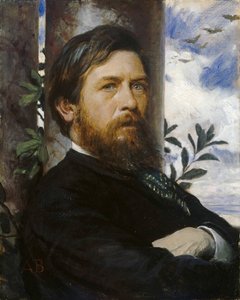
Arnold Böcklin
1827 - 1901
Kısa Bilgiler
- Artistic Movement Or Style: Sembolizm
- Artists Or Movements Influenced By This Artist:
- Hans Thoma
- Pre-Raphaelites
- Artists Who Influenced This Artist:
- Schirmer
- Feuerbach
- Date Of Birth: 16 Ekim 1827
- Date Of Death: 16 Ocak 1901
- Full Name: Arnold Böcklin
- Nationality: İsviçreli
- Notable Artworks:
- Ölüler Adası
- Nymph ve Satyr
- Sappho
- Kendimin Portresi
- Place Of Birth: Basel, İsviçre
İlgili Yazılar

Arboreal Echoes: A Historical & Artistic Exploration of Trees in Painting
Explore the rich history of trees in painting! Discover symbolism, Romantic masterpieces by Caspar David Friedrich & beyond. A curated journey for art enthusiasts.
Portrayals of Power & Perception: A Historical Survey of Women in Art
Explore the rich history of women in art – from iconic muses to groundbreaking artists. Discover feminist movements & reclaim female narratives with OriginalUniqueArt. Expert insights for discerning collectors.

The Enduring Allure of the Nude: A Historical & Artistic Exploration of the Human Form
Explore the captivating history of nude art! Discover iconic paintings & artists from classical to modern eras. Uncover symbolism, techniques & find museum-quality reproductions at OriginalUniqueArt.
Arboreal Echoes: A Historical & Artistic Exploration of Trees in Painting
Explore the rich history of trees in painting! Discover symbolism, Romantic masterpieces by Caspar David Friedrich & beyond. A curated journey for art enthusiasts.

The Enduring Muse: Women as Subject & Symbol in Art History
Explore the rich history of women in art – from iconic muses to groundbreaking artists. Discover feminist movements, global perspectives & reclaim female narratives with OriginalUniqueArt.
