Neoclassical · 1760
Parnassus (study) (Anton Raphael Mengs, 1760)
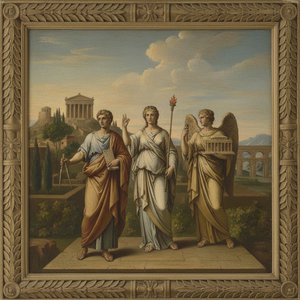
Parnassus (study), Anton Raphael Mengs (1728–1779) tarafından yapıldı. 1760 yılına aittir. Neoclassical akımına aittir. Acrylic On Canvas ile yapılmıştır. Saint Petersburg, Rusyadaki Hermitaj Müzesi bünyesinde korunmaktadır.
- 1760
- Acrylic On Canvas
- Hermitaj Müzesi, Saint Petersburg

 Gerçek Boyutta Önizle

 El Yapımı Yağlı Boya Tablo
 Paylaş
 Paylaş
 Bilgi formu


 İndir
 Benzer ürünler
 X-Işını
 Slayt Gösterisi
 Soru & Cevap

 İstatistikler
Parnassus (study) hakkında kısa bilgi
- Başlık
- Parnassus (study)
- Sanatçı
- Anton Raphael Mengs (1728–1779)
- Sanatçının doğum yeri
- Ústí nad Labem, Çekya
- Tarih
- 1760
- Teknik
- Acrylic On Canvas
- Nerede görülebilir
- Hermitaj Müzesi, Saint Petersburg, Rusya
- Akım
- Neoclassical
- Konu
- mythology, apollo, muses, parnassus, study, figures
Parnassus (study) neyi betimliyor?
A Glimpse of Enlightenment: Anton Raphael Mengs’ “Parnassus (Study)”
Anton Raphael Mengs' "Parnassus (Study)," painted in 1760, isn’t merely a depiction of a classical scene; it’s a carefully constructed meditation on knowledge, aspiration, and the burgeoning spirit of Neoclassicism. This intimate study, far removed from the grand scale of his later frescoes, offers an unparalleled intimacy with Mengs' artistic process – a rare opportunity to witness the genesis of a masterpiece. The painting captures a gathering around a statue of Apollo, the mythical patron of the arts and sciences, surrounded by figures engaged in various intellectual pursuits. It’s a tableau vivant, brimming with quiet contemplation and subtle gestures that speak volumes about the era’s fascination with reviving classical ideals.
The Neoclassical Composition: Harmony and Restraint
Mengs' style here is distinctly Neoclassical, reflecting the artistic currents of 18th-century Europe. He meticulously adheres to the principles established by artists like Raphael and Michelangelo – a commitment to clarity, balance, and idealized forms. The composition is remarkably ordered; figures are arranged with deliberate precision, creating a sense of harmonious equilibrium. Note the careful use of light and shadow, which sculpts the forms and directs the viewer’s eye across the scene. The muted palette—dominated by earthy tones of ochre, brown, and grey—further enhances the painting's sense of restraint and intellectual seriousness. The background is deliberately vague, emphasizing the figures themselves and drawing attention to their interactions.
- Apollo’s Centrality: The statue of Apollo serves as the undeniable focal point, radiating an aura of authority and wisdom.
- The Muses' Presence: Flanking Apollo are the nine Muses, each embodying a different artistic discipline – poetry, music, dance, etc. Their graceful poses and attentive gazes suggest their role as guides and inspiration for the assembled scholars.
- Diverse Figures: The gathering includes philosophers, poets, musicians, and artists, representing the breadth of intellectual pursuits valued during this period.
Symbolism Woven into Detail: Bananas and Beyond
Beyond the obvious references to classical mythology and philosophy, “Parnassus (Study)” is rich in subtle symbolism. The inclusion of two bananas – a rather unexpected detail – has sparked considerable debate among art historians. Some interpret them as representing the fruits of knowledge, while others see them as a playful nod to contemporary trends or even a commentary on the fleeting nature of beauty and pleasure. The bowl on the table, filled with fruit, reinforces this theme of abundance and nourishment for the mind. The careful placement of each object contributes to the painting’s layered meaning, inviting viewers to engage in a deeper interpretation.
A Window into Mengs' Process: Intimacy and Reflection
What truly distinguishes “Parnassus (Study)” is its intimate scale and evident preparatory nature. It’s not a finished masterpiece but rather a study, a glimpse into Mengs’ creative process. The brushstrokes are visible, revealing the artist's hand at work – a testament to his dedication and meticulous attention to detail. The painting exudes a sense of quiet reflection, suggesting that Mengs was not simply documenting a scene but grappling with fundamental questions about art, knowledge, and the role of the individual within society. It’s a poignant reminder that even in grand artistic endeavors, the most profound insights often emerge from moments of focused contemplation.
Reproductions of “Parnassus (Study)” offer a remarkable opportunity to bring this captivating artwork into your home or office. Each carefully crafted reproduction captures the painting's nuanced details and evocative atmosphere, allowing you to appreciate Mengs’ genius for generations to come.
Parnassus (study) adlı eseri hangi müze bünyesinde barındırmaktadır?
Hermitaj Müzesi
Saint Petersburg, Rusya
Hermitaj Müzesi'nin Kökenleri ve Tarihçesi Hermitaj Müzesi'nin hikayesi 1764 yılında filizlenmeye başladı. Müzenin temelleri, Berlinli tüccar Johann Ernst Gotzkowsky'den satın alınan 225 tablodan oluşan özel bir koleksiyona dayanmaktadır. Büyük Katerina tarafından başlatılan bu koleksiyon, Rusya'nın Saint Petersburg şehrinde müzenin varlığını köklü bir şekilde tesis etti.


Parnassus (study) için yüksek çözünürlüklü görseller

Kamu malı: sanatçı 1779 yılında vefat etmiştir.
Diğer boyutlar, kırpma seçenekleri ve alıntı bilgisi →Anton Raphael Mengs, Parnassus (study) (1760), Hermitaj Müzesi. Kamu malı.
Parnassus (study) hakkında sorular ve cevaplar
Orijinal Anton Raphael Mengs imzalı "Parnassus (study)" eserini nerede görebilirim?
Anton Raphael Mengs imzalı "Parnassus (study)", Hermitaj Müzesi, Saint Petersburg, Rusya bünyesinde sergilenmektedir. Müze bilgisi reprodüksiyonları değil, eserin orijinalini ifade eder.
"Parnassus (study)" hangi yıl yapıldı?
"Parnassus (study)", 1760 yılına tarihlenmektedir. Bu tarih, eseri Anton Raphael Mengs kariyerinin ve dönemin içerisine yerleştirmektedir.
Anton Raphael Mengs imzalı "Parnassus (study)" hangi teknikle icra edilmiştir?
Anton Raphael Mengs imzalı "Parnassus (study)" eserinin tekniği Acrylic On Canvas kullanılarak uygulanmıştır. Çoğaltımlar, bu tekniğin görünümünü yansıtmayı amaçlamaktadır.
"Parnassus (study)" neyi betimliyor?
"Parnassus (study)" eserinin konuları mythology, apollo, muses, parnassus, study, figures, composition şeklindedir.
Anton Raphael Mengs imzalı "Parnassus (study)" kamu malı mı?
Anton Raphael Mengs imzalı "Parnassus (study)", kamu malıdır - telif hakkı süresi dolmuştur statüsündedir. Bu durum, eserin görüntüsünün nasıl çoğaltılabileceğini belirler.
"Parnassus (study)" eserinin sanatçısı kim?
"Parnassus (study)" eserinin sanatçısı Anton Raphael Mengs'tir. Eser, Anton Raphael Mengs adına kataloglanmıştır.
"Parnassus (study)" hangi sanat akımına aittir?
"Parnassus (study)", Neoclassical akımına ait bir eserdir. Bu akım, eserin dahil olduğu sanatsal geleneği ifade eder.
"Parnassus (study)" adlı eser, Anton Raphael Mengs kariyerinin hangi dönemine ait?
"Parnassus (study)", Anton Raphael Mengs sanatçısının Mature Period dönemini temsil etmektedir."
Anton Raphael Mengs, "Parnassus (study)" eserini kaç yaşında yaptı?
"Parnassus (study)" adlı eser 1760 yılında yaratıldığında, 1728 yılında doğan Anton Raphael Mengs, 32 yaşındaydı.
Sanatçı hakkında, Anton Raphael Mengs

1728–1779, Çekya
Anton Raphael Mengs
Dünyalar Arasında Bir Köprü: Anton Raphael Mengs'in Yaşamı ve Sanatı Anton Raphael Mengs, Avrupa sanatının büyüleyici bir döneminde, Rokoko'nun süslü detaylarının yerini klasik ideallere duyulan yenilenmiş bir takdire bırakmaya başladığı bir zamanda sahneye çıktı. Bugün Çek Cumhuriyeti sınırları içinde yer alan Bohemya'nın Ústí nad Labem kentinde 1728 yılında doğan sanatçının sanatsal yolculuğu, hem soyundan gelen mirasla hem de Aydınlanma Çağı'nın entelektüel akımlarıyla derinden şekillendi. Dresden sarayında himaye bulan Danimarkalı ressam babası Ismael Mengs, genç Anton'un olağanüstü yeteneğini erkenden fark etti. Bu keşif, 1741 yılında dönüm noktası niteliğinde bir hamleyi beraberinde getirdi: Genç sanatçının antik şaheserlerin ve Raphael gibi Rönesans ustalarının eserlerinin incelendiği Roma'ya taşınması.
Anton Raphael Mengs Hakkında Anton Raphael Mengs tarafından yapılmış öne çıkan eserler
Anton Raphael Mengs tarafından yapılan diğer eserler
 Johann Joachim Winckelmann (1717–1768)1777
 Perseus and Andromeda1774
 Maria Luisa of Parma1765
 Self Portrait1774

Parnassus (study) üzerine denemeler
 Mastering Antiquity: The Top 25 Greatest Artworks by Andrea MantegnaJourney through the Renaissance with our curated guide to the top 25 Andrea Mantegna masterpieces. Explore his mastery of perspective, clas…
 The Elegance of Neoclassicism: Rediscovering Order, Balance, and Timeless Beauty in Fine ArtExplore the timeless elegance of Neoclassicism. Discover how order, balance, and classical ideals shaped art history through masterful scul…
 Nicolas Poussin: Classicism, Allegory & Order in 17th-Century French PaintingExplore the life & work of Nicolas Poussin, a master of French Classicism. Discover his allegorical paintings, Roman influences, and enduri…