

 Önizle
 Gönder
 Paylaş
 Detaylar
 Rehber

 Dosyayı İndir
 Benzerleri
 X-Işını
 Slayt Gösterisi
 Q&A
Q&A İstatistikler
George III (1738–1820)
 Oil On Canvas
- WallArt
- Neoclassicism
 214.0 x 150.0 cm
 The Royal Hospital Chelsea
 Devamını Oku
El Yapımı Yağlı Boya Reproduksiyon
Sanatçılarımız tarafından sipariş üzerine hazırlanan; istediğiniz boyut ve çerçevede, tuval üzerine el boyaması yağlı boya. ( Baskı Satışına Geç Dijital Görsel Satışına Geç)




P118B ₺10

P118H ₺10

P118W ₺10

P438Z ₺10

P508JH ₺12

P508YH ₺12

P805H ₺10

P805Z ₺10

P919BZ ₺10

P919G ₺10

P919XJ ₺10

P959ZH ₺10

P968JZ ₺12

W106C ₺8

W218G ₺10

W218JH ₺8

W218Y ₺10

W307PJ ₺10

W316G ₺10

W316PJ ₺8

W316Y ₺10

W398PJ ₺8

W4111J ₺10

W500HY ₺15

W500JH ₺15

W692G ₺12

W849H ₺8

W940BG ₺15

W953PJ ₺8




Eserin orijinal oranlarıyla uyumlu, önceden belirlenmiş boyutlarımız arasından seçim yapın.

Çerçevenize veya duvarınıza uygun olması için ihtiyacınız olan genişliği ve yüksekliği yazın. Bu eser el boyamasıdır; bu nedenle farklı bir formdaki boyutlar için sanatçı, resmin etrafına biraz daha fazla boya ekleyebilir veya biraz daha kırpabilir — seçim sizin. Boyama işlemi başlamadan önce onaylamanız için size bir dijital taslak gönderiyoruz. Bu sayfada gösterilen resim gerçek sonucu yansıtmamaktadır — gerçek sonucu yalnızca taslak göstermektedir.
Siparişten sonra, OriginalUniqueArt.com ekibi talimatlar için müşteriye e-posta gönderecek ve bir taslak önizleme sunacaktır
Dünya Çapında Teslimat (); standart 5 hafta yerine 3/4 haftada. (29 Ekim). Kaliteden ödün verilmez.

Dünya Çapında Ücretsiz Ekspres Kargo

Yüksek Kaliteli Keten Tuval

Tam Nakliye Sigortası

Gümrük Vergisi İadesi Garantisi

Gerçek Renk Uyumu Garantisi

100 Günlük İade Koşulları (Sadece Üretim Hatalı Ürünler İçin)

%100 Para İade Garantisi

Toplu Alım Avantajı
 Cam seçeneği yalnızca 110 cm altındaki boyutlar için mevcuttur.

George III (1738–1820)
Baskı Tekniği
Baskı Boyutu
-


Toplam Fiyat
₺ 14705
A Regal Portrait: Allan Ramsay’s George III
Allan Ramsay's portrait of King George III, completed around 1761-2, is more than just a likeness; it’s a carefully constructed embodiment of power, authority, and the nascent complexities of the British monarchy. This masterful work, rendered in oil on canvas, transcends mere representation to become a window into the era's political climate and artistic sensibilities – specifically, the rise of Neoclassicism within portraiture. The painting immediately commands attention with its dramatic lighting, a key element that draws the viewer’s eye directly to the King’s face, imbuing him with an almost palpable sense of presence.
Ramsay, a leading figure in 18th-century Scottish art, expertly employs linear perspective to create a sense of depth and spatial arrangement. The throne, rendered as a robust square, anchors the composition while the draped fabric behind George III flows into a dark, indistinct background – a deliberate choice that serves to highlight the subject’s importance and elevate his status. The use of geometric shapes—squares for the throne, rectangles for the robes—contrasts with the more organic curves of the King's face, suggesting a balance between rigid formality and human warmth.
A Study in Neoclassical Detail
Examining the brushwork reveals Ramsay’s meticulous technique. Layered glazes build up color depth and luminosity, particularly noticeable in the rich textures of the royal robes – a testament to his ability to capture the sheen of velvet and the weight of heavy fabrics. The artist skillfully renders skin tones with subtle variations, avoiding overly smooth surfaces; instead, he introduces a slight roughness that lends a sense of realism and immediacy. The careful attention to detail extends to the rendering of the King’s attire: the intricate embroidery, the gleaming gold accents, and the precise folds of his garments all speak to the immense wealth and power associated with the monarchy.
The painting's palette is restrained yet sophisticated, dominated by deep reds, blues, and browns – colors traditionally linked with royalty and authority. The lighting, originating from a strong left-hand source, casts dramatic shadows that sculpt George III’s features, emphasizing his brow, cheekbones, and the solemnity of his expression. This chiaroscuro effect not only adds visual interest but also contributes to the overall sense of gravitas and dignity.
Symbolism and Historical Context
George III reigned from 1760 until his death in 1820, a period marked by significant political and military upheaval. The portrait itself is deeply symbolic, reflecting the King’s role as head of state during a time of considerable change. The crown, prominently displayed, represents sovereignty and divine right – concepts that were increasingly challenged during George III's reign. The robes, rich in color and ornamentation, symbolize his wealth and status, while the scepter and orb further reinforce his authority.
Ramsay’s work was commissioned during a pivotal moment in British history—the early years of George III’s rule. The King's reign coincided with the Seven Years’ War and the subsequent American Revolution, events that profoundly shaped the course of British history. The portrait, therefore, can be interpreted as an attempt to project an image of stability and strength at a time of considerable uncertainty. It is also important to note that this particular painting was one of many commissioned by the King, reflecting his desire to solidify his position and assert his authority.
A Legacy of Elegance
Allan Ramsay’s portrait of George III stands as a remarkable achievement of Neoclassical portraiture. It is a testament to the artist's technical skill, his understanding of symbolism, and his ability to capture the essence of a historical figure. Reproductions of this iconic image continue to resonate with viewers today, offering a glimpse into the grandeur and complexities of 18th-century Britain. The painting’s enduring appeal lies not only in its aesthetic beauty but also in its ability to evoke a sense of history, power, and timeless elegance.
Soru ve Cevaplar
"George III (1738–1820)" eserinin renkleri ne kadar canlı?
"George III (1738–1820)" eserinin rengi, Subtle Color doygunlukta ve Monochromatic yoğunluktadır.
"George III (1738–1820)" eserinde hangi ruh hali ve duygu bir araya geliyor?
Allan Ramsay imzalı "George III (1738–1820)" eserinin yansıttığı ruh hali Elegant, duygusal tonu ise Nostalgic'dur.
Allan Ramsay imzalı "George III (1738–1820)" eserinin renkleri ne kadar uyumlu?
"George III (1738–1820)" eserinin renk uyumu Strong Color Unity olarak kaydedilmiştir.
Sanatçı Biyografisi
Allan Ramsay: Zarafetin ve Sanatın Bir Yaşamı
13 Ekim 1713’te İskoçya’nın Edinburgh şehrinde doğan Allan Ramsay, döneminin zarafetini ve inceliğini yakalayan önde gelen bir İskoç portre ressamı olarak ortaya çıktı. Sanatsal yolculuğu yirmi yaşında, İsveçli ressam Hans Hysing’in yanında Londra’da eğitim almasıyla başladı; ardından St. Martin's Lane Akademisi’ndeki dersler geldi. Bu temel eğitim, ona teknik ve kompozisyon konusunda sağlam bir zemin sağladı.
Ramsay’nin sanatsal gelişimi, üç yıl (1736-1738) boyunca Roma ve Napoli’ye yaptığı seyahatlerle önemli bir dönüşüm geçirdi. Burada Francesco Solimena ve Imperiali (Francesco Fernandi)’nin rehberliğinde çalıştı. Bu İtalyan ustalar, onun stilini derinden etkiledi; klasik prensipleri daha iyi anlamasını sağladı ve karakter yakalama becerilerini geliştirdi. Hakim olan Rokoko estetiğini özümsediği gibi Neoklasik ideallere de bir takdir duymaya başladı.
1738’de Britanya’ya döndüğünde Ramsay, hızla başarılı bir portre ressamı olarak kariyerini inşa etti. Konularını hem doğru bir şekilde hem de zarafetle tasvir etme yeteneği kısa sürede seçkin bir müşteri kitlesi kazandırdı. En dikkat çekici eserlerinden bazıları şunlardır:
- Kraliçe Charlotte (1744-1818) ve iki büyük oğlu (Londra Kraliyet Koleksiyonu): Kraliçenin annelik duruşunu sergileyen görkemli bir tasvir.
- Mary Degg, Robert Manners Leydisi (Edinburgh İskoç Ulusal Galerisi): Ramsay’nin aristokrat güzelliğini yakalama becerisini gösteren zarif bir portre.
- Culloden Forbes'unun Başı: Bu erken eseri, Argyll Dükü’nün dikkatini çekti ve daha sonra Royal Bank of Scotland banknotlarında yer aldı.
Ramsay’nin kariyerinde dönüm noktası olan bir an, 1761 yılında III. George'un resmî portre ressamı olarak atanmasıyla geldi. Bu prestijli görev, sanat çevrelerinde statüsünü pekiştirdi ve kraliyet ailesinden ve yüksek sosyeteden düzenli siparişler almasını sağladı. *Georgian döneminin* tartışmasız portrecisi haline geldi.
Ramsay’nin hayatının ilerleyen yıllarında edebi uğraşlara yönelmesi, geniş entelektüel ilgi alanlarını yansıttı. Ancak kişisel trajediler – sağ kolunun kazara çıkması ve ikinci eşinin 1782'de ölümü – sağlığını ve üretkenliğini etkiledi. 1784 yılında hayatını kaybetti.
Bu zorluklara rağmen Ramsay, İskoçya’nın en ünlü portre ressamlarından biri olarak kalıcı bir miras bıraktı. Samuel Johnson’ın belirttiği gibi, “Ramsay’i seviyorum. Onun sohbetinde daha fazla ders, daha fazla bilgi ve daha fazla zarafet bulamazsınız.” Eserleri, teknik becerileri, rafine estetiği ve 18. yüzyıl toplumunun içgörülü tasvirleriyle hayranlık uyandırmaya devam ediyor.
Tarihsel Önemi
Allan Ramsay’nin katkısı sanatsal yeteneğinin ötesine uzanır. Önemli sosyal ve politik değişimlerin yaşandığı bir dönemde İskoçya’nın görsel kültürünü şekillendirmede önemli bir rol oynadı. Portreleri, İskoç soylularının ve zenginlerin yaşamları, modaları ve değerleri hakkında değerli bilgiler sunar. Eserlerine Ayr Belediye Binası ve İskoç Ulusal Portre Galerisi gibi yerlerde rastlanabilir.
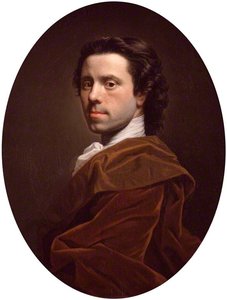
Allan Ramsay
1713 - 1784 , Birleşik Krallık
Kısa Bilgiler
- Doğum Tarihi: 13 Ekim 1713
- Doğum Yeri: Edinburgh, Birleşik Krallık
- Etkilendiği Sanatçılar:
- Hans Hysing
- Francesco Solimena
- Imperiali
- Sanatsal Akım: Rokoko, Neoklasik
- Tam Adı: Allan Ramsay
- Uyruğu: İskoç
- Ölüm Tarihi: 1784
- Önemli Eserler:
- Kraliçe Charlotte Portresi
- Mary Degg Portresi
- Duncan Forbes Portresi
İlgili Yazılar

Allen Ramsay: Portraiture, Patronage & Shaping Georgian Identity
Explore the life & work of Allen Ramsay, pivotal portraitist to George III. Discover his Rococo style, influence on Georgian society, and lasting legacy in British art history. Learn about his key works & patronage.

Georges Braque'ın En İyi 25 Eseri: Kübizm ve Modern Sanatın İkonları | OriginalUniqueArt
Georges Braque'ın en iyi 25 eserini keşfedin! Kübizm hareketinin öncüsü olan bu ikonik tablolar, modern sanatın ruhunu yansıtıyor. Sanat tarihine yolculuk yapın ve evinizi OriginalUniqueArt.com'un yüksek kaliteli baskılarıyla zenginleştirin.

Neoclassical Portraiture: The Timeless Elegance of Order, Grace, and Academic Mastery
Explore the refined world of Neoclassical portraiture. Discover the mastery of line, light, and order through an expert exploration of academic art history, from Jacques-Louis David to Jean-Antoine Houdon. Immerse yourself in the timeless elegance of classical realism.

Georges Seurat'ın En İyi 25 Eseri: İzlenimcilikten Modern Sanata Bir Yolculuk
Georges Seurat'ın en iyi 25 eserini keşfedin! İzlenimcilik ve Noktacılık akımının öncüsü bu Fransız ressamın renkli dünyasına yolculuk yapın. Sanat baskıları ve ev dekorasyonu için OriginalUniqueArt.com'da koleksiyonu inceleyin.

Majesty on Canvas: A Definitive Guide to Iconic Royal Portraits Through Art History
Explore the profound history of royal portraiture. From Baroque grandeur to Victorian elegance, discover how master artists captured power and lineage on canvas through the timeless medium of oil painting.