

 Önizle
 Gönder
 Paylaş
 Detaylar
 Rehber

 Dosyayı İndir
 Benzerleri
 X-Işını
 Slayt Gösterisi
 İstatistikler
Pleasant Letter
 Oil On Canvas
- WallArt
- Contemporary Realism
 1860
1860 66.0 x 55.0 cm
 Hermitage Müzesi
 Devamını Oku
Giclée / Sanat Baskısı
Hızlı üretim ve esnek bitiş seçenekleriyle müze kalitesinde giclée veya kanvas baskı. ( El Yapımı Tablo Satın Al Dijital Görsel Satışına Geç)




P118B ₺10

P118H ₺10

P118W ₺10

P438Z ₺10

P508JH ₺12

P508YH ₺12

P805H ₺10

P805Z ₺10

P919BZ ₺10

P919G ₺10

P919XJ ₺10

P959ZH ₺10

P968JZ ₺12

W106C ₺8

W218G ₺10

W218JH ₺8

W218Y ₺10

W307PJ ₺10

W316G ₺10

W316PJ ₺8

W316Y ₺10

W398PJ ₺8

W4111J ₺10

W500HY ₺15

W500JH ₺15

W692G ₺12

W849H ₺8

W940BG ₺15

W953PJ ₺8




Eserin orijinal oranlarıyla uyumlu, önceden belirlenmiş boyutlarımız arasından seçim yapın.

Belirli bir çerçeveye veya alana uyması için kendi ölçülerinizi girebilirsiniz. Seçtiğiniz boyut orijinal görüntünün oranlarıyla eşleşmiyorsa, sanat eserini kırpacağız veya görüntüyü aynalanmış ya da düz dolgulu bir kenarlıkla genişleteceğiz. Üretim başlamadan önce onayınız için bir dijital taslak gönderilecektir.
Lütfen ekrandaki önizlemenin gerçek kırpma veya genişletmeyi yansıtmadığını unutmayın. Nihai kompozisyonu yalnızca taslak doğru bir şekilde gösterecektir.
Özel boyutlar mevcut olsa da, orijinal oranları korumak için önceden tanımlanmış listeden bir boyut seçmenizi öneririz.
Dünya Çapında Teslimat (); standart 4/5 hafta yerine 2 haftada. (28 Eylül)

Dünya Çapında Ücretsiz Ekspres Kargo

Yüksek Kaliteli Keten Tuval

Tam Nakliye Sigortası

Gümrük Vergisi İadesi Garantisi

Gerçek Renk Uyumu Garantisi

100 Günlük İade Koşulları (Sadece Üretim Hatalı Ürünler İçin)

%100 Para İade Garantisi

Toplu Alım Avantajı
 Cam seçeneği yalnızca 110 cm altındaki boyutlar için mevcuttur.

Pleasant Letter
Giclée / Sanat Baskısı
Baskı Boyutu
-


Toplam Fiyat
₺ 3860
A Glimpse of Parisian Life: Alfred Stevens’ “Pleasant Letter”
Alfred Stevens' "Pleasant Letter," painted circa 1860-67, is more than just a portrait; it’s a meticulously crafted window into the refined world of late 19th-century Paris. This exquisite work, currently residing in the collection of the State Hermitage Museum, captures a fleeting moment of domestic intimacy—a woman seated at a table, engrossed in a letter, while her companion observes with quiet attentiveness. Stevens, a master of realism and a keen observer of human psychology, elevates this seemingly simple scene into a study of social grace, subtle emotion, and the delicate balance between observation and participation.
The painting’s genesis lies firmly within Stevens' signature style: a deliberate departure from grand historical or mythological subjects. Instead, he focused on capturing the nuances of modern life—the “la vie moderne”—as it unfolded in fashionable Parisian interiors. This shift was revolutionary at the time, as it prioritized the portrayal of contemporary society and its inhabitants with an unprecedented level of detail and psychological insight. Influenced by the Dutch Masters – particularly Gerard ter Borch and Gabriel Metsu – Stevens meticulously rendered textures, light, and shadow, creating a palpable sense of realism that drew viewers into the scene.
The Composition: A Dance of Observation
The composition itself is remarkably balanced and restrained. The seated woman, dressed in a fashionable gown of muted tones, dominates the foreground, her gaze directed towards the letter before her. Her posture—relaxed yet attentive—suggests both engagement and contemplation. Her companion, positioned slightly behind and to the side, offers a counterpoint – a quiet observer, perhaps reflecting on the contents of the letter or simply enjoying the shared moment. The arrangement isn’t overtly dramatic; rather, it's a subtle choreography of figures within a carefully designed space.
Stevens masterfully utilizes light and color to enhance the scene’s atmosphere. A soft, diffused light illuminates the room, casting gentle shadows that define the forms and textures of the furniture and clothing. The palette is predominantly muted – browns, creams, and grays—reflecting the understated elegance of the Parisian bourgeois lifestyle. The use of a delicate rose-colored shawl draped over the woman’s shoulders adds a touch of warmth and visual interest, subtly drawing the eye to her face.
Symbolism and Social Commentary
Beyond its aesthetic qualities, “Pleasant Letter” carries layers of symbolic meaning. The act of reading a letter represents communication, connection, and perhaps even unspoken desires. It’s a moment of private reflection within the confines of domestic life—a world carefully constructed to project an image of refinement and social standing. The painting subtly critiques the artificiality of such displays, hinting at the complexities beneath the surface of polite society.
Furthermore, Stevens' choice of subject matter – a seemingly ordinary scene of everyday life – speaks to his broader artistic vision. He sought to elevate the commonplace, revealing beauty and significance in the details of modern existence. The painting’s popularity during its time reflected a growing interest in capturing the realities of contemporary society—a trend that would profoundly influence subsequent generations of artists.
A Legacy of Elegance
Alfred Stevens' “Pleasant Letter” remains a testament to his exceptional skill and artistic vision. It is a captivating portrait not only of two women but also of an era – the Belle Époque—characterized by its elegance, social complexities, and burgeoning modernity. Reproductions of this work offer a remarkable opportunity to experience the subtle beauty and psychological depth of Stevens’s art, bringing a touch of Parisian refinement into any space.
Sanatçı Biyografisi
erken yaşam ve eğitim
alfred émile léopold stevens, ünlü bir Belçikalı ressam olarak 11 mayıs 1823'te brussels'da dünyaya geldi. Sanatın ruhuna derinden bağlı bir ailede büyüyen stevens'ın ağabeyi joseph (1816–1892) ve oğlu léopold (1866–1935) birer ressamdı; diğer bir kardeşi olan arthur (1825–99) ise sanat taciri ve eleştirmen olarak sanat dünyasında yerini almıştı.sanatsal kariyer
stevens, sanatsal yolculuğuna brussels'daki académie royale des beaux-arts'ta, neo-klasik bir ressam olan françois navez'in rehberliğinde başladı. 1843 yılında ağabeyi joseph'in yanına, paris'e taşındı ve école des beaux-arts'a kabul edildi. jean auguste dominique ingres'in öğrencisi olup olmadığı tartışmalı olsa da, stevens'ın 1849 tarihli ve imzalı the pardon or absolution (hermitage, st. petersburg) gibi erken dönem eserleri, 17. yüzyıl holland tarzı tür resimlerinden etkilenen geleneksel natüralist üsluptaki ustalığını gözler önüne sermektedir.ünlü oluş süreci
stevens'ın çalışmaları ilk kez 1851 yılında brussels salonunda halka sergilendi; bu başarı ona 1853 paris salonunda üçüncü sınıf madalya ve 1855 paris evrensel sergisinde ikinci sınıf madalya kazandırdı. ressamın ce qu'on appelle le vagabondage (musée d'orsay, paris) adlı tablosu napoleon iii'ün dikkatini çekmiş ve bu durum yoksulların yaşam koşullarının iyileştirilmesine yönelik önemli bir değişime önayak olmuştur.önemli eserler ve miras
- 1866 yılında resmedilen la dame en rose veya pembe kadın (musées royaux des beaux-arts de belgique, brussels), stevens'ın bu dönemdeki çalışmalarının bir simgesidir; eser, şık giyimli bir kadını japon objelerinin detaylı bir incelemesiyle ustaca harmanlar.
- stevens, 1863 yılında fransız hükümetinden legion of honor (chevalier) nişanına layık görülmüş ve 1867 yılında bu onur nişanının subay rütbesine yükseltilmiştir.

Alfred Stevens
1823 - 1906
Kısa Bilgiler
- Artistic Movement Or Style: Akademik Realizm
- Artists Who Influenced This Artist:
- Jean Auguste Dominique Ingres
- Hollanda Ustaları
- Date Of Birth: 11 Mayıs 1823
- Date Of Death: 1906
- Full Name: Alfred Émile Léopold Stevens
- Nationality: Belçikalı
- Notable Artworks:
- La Dame en Rose
- Visit to the Studio
- 'Panorama du siècle', 'L'Impératrice Joséphine et sa Cour' için hazırlık çizimi
- Place Of Birth: Brüksel, Belçika
İlgili Yazılar
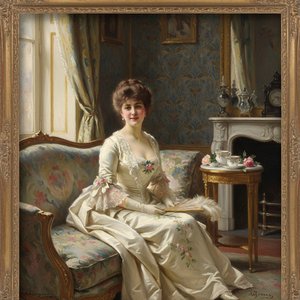
Alfred Stevens: Capturing Parisian Elegance & Fin-de-Siècle Intimacy
Discover the captivating world of Alfred Stevens, master of Parisian elegance & intimate portraiture. Explore his techniques, influences, and legacy – a prized collection for discerning art enthusiasts.

Sir Alfred Munnings' Masterpieces: 25 Paintings That Define Equine Art | OriginalUniqueArt
Explore 25 iconic Sir Alfred Munnings paintings! Discover the beauty of British Impressionism, equine art & rural England. Find museum-quality reproductions and elevate your home decor with OriginalUniqueArt. Explore the full collection online.
Illuminating Realism: Exploring the Dutch Golden Age of Painting (1600-1700)
Explore the Dutch Golden Age of painting (1600-1700) with OriginalUniqueArt. Discover Rembrandt, Vermeer & other masters. Learn about techniques, history & find museum-quality reproductions.

Alfred Stevens: Capturing Parisian Life with Intimate Realism & Symbolist Flair
Explore the captivating world of Alfred Stevens, a pioneer of intimate realism & Symbolist painting. Discover his elegant portraits of Parisian women and learn about his Dutch influences & lasting legacy. Art history insights at OriginalUniqueArt.

Golden Light & Dutch Skies: The Timeless Magic of Dutch Golden Age Landscapes
Discover the breathtaking beauty of Dutch Golden Age landscapes. Explore the mastery of light, chiaroscuro, and 17th-century realism through an expert art history lens, celebrating the enduring legacy of the Dutch Masters for discerning collectors and art lovers.