 Gerçek Boyutta Önizle
 Paylaş
 Paylaş
 Detayları Gör
 Rehber

 İndir
İndir
 Benzer ürünler
 X-Işını
 Slayt Gösterisi
 Q&A
Q&A İstatistikler
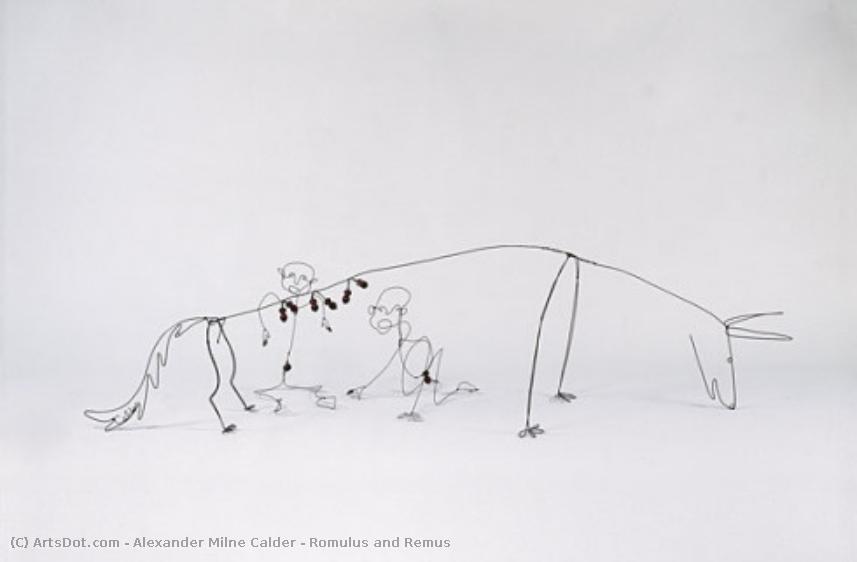
Romulus and Remus


 Tümünü Gör
Bu sayfada sergilenen eser telif hakkı yasasıyla korunmaktadır; bu da yasal olarak eserin birebir kopyasını oluşturamayacağımız veya satamayacağımız anlamına gelir. Bu koruma, aşağıdakiler gibi uluslararası anlaşmalar kapsamında uygulanmaktadır: Bern Sözleşmesi ve aşağıdakiler de dahil olmak üzere ulusal yasalarca belirlenen ABD Telif Hakkı Kanunu - 17. Başlık.
Bu yöntem, koruma altındaki sanat eserinin kopyalanmasını veya çoğaltılmasını içermediği için telif hakkı düzenlemelerine tam uyum sağlar. Bunun yerine, yaratıcı bir yeniden yorumlamadır; orijinalinden etkilenen ancak onunla aynı olmayan yeni bir tablodur.
Giclée / Sanat Baskısı
Hızlı üretim ve esnek bitiş seçenekleriyle müze kalitesinde giclée veya kanvas baskı. ( El Yapımı Tablo Satın Al Dijital Görsele Geç)




P118B ₺10

P118H ₺10

P118W ₺10

P438Z ₺10

P508JH ₺12

P508YH ₺12

P805H ₺10

P805Z ₺10

P919BZ ₺10

P919G ₺10

P919XJ ₺10

P959ZH ₺10

P968JZ ₺12

W106C ₺8

W218G ₺10

W218JH ₺8

W218Y ₺10

W307PJ ₺10

W316G ₺10

W316PJ ₺8

W316Y ₺10

W398PJ ₺8

W4111J ₺10

W500HY ₺15

W500JH ₺15

W692G ₺12

W849H ₺8

W940BG ₺15

W953PJ ₺8




Eserin orijinal oranlarıyla uyumlu, önceden belirlenmiş boyutlarımız arasından seçim yapın.

Çerçevenize veya duvarınıza uygun olması için ihtiyacınız olan genişlik ve yüksekliği yazın. Bir baskı yalnızca kesilebilir, görselden daha büyük hale getirilemez; bu nedenle farklı bir formdaki boyut seçimi, görselin bir kısmının kaybına neden olur. Herhangi bir baskı yapmadan önce onaylamanız için size bir dijital taslak gönderiyoruz. Bu sayfada gösterilen resim gerçek kesimi göstermez — bunu yalnızca taslak gösterir.
Dünya Çapında Teslimat (); standart 4/5 hafta yerine 2 haftada. (3 Kasım)

Dünya Çapında Ücretsiz Ekspres Kargo

Yüksek Kaliteli Keten Kanvas

Tam Nakliye Sigortası

Gümrük Vergisi İadesi Garantisi

Gerçek Renk Uyumu Garantisi

100 Günlük İade Politikası (Sadece Kusurlu Ürünler İçin)

%100 Para İade Garantisi

Toplu Alım İndirimi
 Cam seçeneği yalnızca 110 cm altındaki boyutlar için mevcuttur.

Romulus and Remus
Giclée / Sanat Baskısı
Reproduksiyon Boyutu
-


Toplam Tutar
₺ 3933
A Moment Frozen in Steel: Exploring Calder’s “Romulus and Remus”
Alexander Milne Calder's "Romulus and Remus," crafted in 1928, isn’t merely a sculpture; it’s a distilled essence of myth rendered in delicate wire. This piece, a testament to the artist’s pioneering approach to three-dimensional form, transcends its subject matter – the legendary founders of Rome – to become a profound meditation on beginnings, brotherhood, and the very act of creation itself. Calder, deeply influenced by Constructivism and early Modernism, sought to liberate sculpture from the constraints of traditional materials, embracing the inherent qualities of industrial wire as both medium and metaphor.
The sculpture’s stark simplicity is its most arresting feature. Two figures, rendered with astonishing grace despite their skeletal construction, stand beneath a subtly arching structure that evokes a horizon line or perhaps a stylized landscape. The color palette – a resolute black and white punctuated by subtle grays – amplifies the work's austerity, forcing the viewer to focus entirely on form and movement. The lines themselves are paramount; thin, almost impossibly delicate wires define every contour, creating an illusion of both fragility and strength. This deliberate reductionist approach mirrors Calder’s broader philosophy: to strip away the superfluous and reveal the fundamental elements of a subject.
The Poetics of Chance and Kinetic Form
Calder's work in this period – particularly his “Cirque Calder” series – exemplifies his fascination with chance and spontaneity. He didn’t meticulously plan every curve or angle; instead, he allowed the wire to guide him, embracing the unpredictable nature of the material. This process is vividly captured in "Romulus and Remus," where the figures appear to be caught mid-action, poised on the precipice of a narrative yet undefined. The slight wobble inherent in the sculpture’s construction – a subtle consequence of its wire composition – hints at a kinetic energy, suggesting that even stillness can hold a dynamic potential.
The technique itself is deceptively complex. Calder skillfully bent and assembled hundreds of individual wires, creating a surprisingly robust structure despite its delicate appearance. The varying thicknesses of the wire contribute to the sculpture’s textural richness, offering subtle shifts in sheen as light catches the metal. This careful manipulation of material speaks to Calder's mastery of his chosen medium – a testament to his ability to transform industrial components into objects of profound beauty and intellectual resonance.
Myth, Brotherhood, and the Dawn of Rome
The subject matter—the story of Romulus and Remus—is deeply rooted in Roman mythology. The legend of the twins suckled by a she-wolf is an enduring symbol of resilience, survival, and the founding of civilization. Calder’s sculpture doesn't simply depict this narrative; it captures its essence – the primal struggle for existence, the bond between brothers, and the birth of a new order. The wire itself can be interpreted as representing the threads that connect us to our past, shaping our present and influencing our future.
Created in 1928, “Romulus and Remus” stands as a pivotal work in Calder’s oeuvre, marking a significant shift towards abstraction while retaining a powerful connection to his artistic roots. It's a sculpture that invites contemplation, prompting viewers to consider the interplay of form, material, and narrative – a timeless meditation on the foundations of human experience.
Soru ve Cevaplar
Alexander Milne Calder imzalı "Romulus and Remus" sanatçının kendi ülkesinde mi bulunuyor?
Hayır - sanat eseri yurt dışında bulunmaktadır. Alexander Milne Calder adlı sanatçının doğum yeri Birleşik Krallık iken, "Romulus and Remus" eserinin orijinalini barındıran müze Amerika Birleşik Devletleri konumundadır.
"Romulus and Remus" eserinin yazarı ve yapım yılı nedir?
"Romulus and Remus" adlı eserin sanatçısı Alexander Milne Calder olup, yapım yılı 1928'dır.
Alexander Milne Calder imzalı "Romulus and Remus" hakkındaki istatistiklere nereden ulaşabilirim?
Alexander Milne Calder imzalı "Romulus and Remus" eserinin İstatistikler sayfası; eserin aylık ziyaret sayılarını, sanatçının en çok görüntülenen eserleriyle olan karşılaştırmasını ve ziyaretçilerin hangi bölgelerden geldiğini içeren halka açık ziyaret istatistiklerini sunar.
Sanatçı Özgeçmişi
Alexander Milne Calder: Philadelphia'nın Heykel Şöleni ve Bir Sanatçı Ailesinin Mirası
1846 yılında İskoçya’nın Aberdeen şehrinde doğan Alexander Milne Calder, Amerikan heykel sanatının önemli isimlerinden biri olarak öne çıkar. Ancak onun hikayesi sadece kendi eserleriyle sınırlı kalmaz; aynı zamanda bir sanatçı ailesinin de başlangıcını temsil eder. Calder, özellikle Philadelphia Belediye Binası'ndaki mimari heykelleriyle tanınır ve hem oğlu Alexander Stirling Calder hem de torunu Alexander ‘Sandy’ Calder, 20. yüzyıl heykel dünyasında önemli izler bırakmıştır.
İskoçya’dan Amerika’ya: Erken Yaşam ve Eğitim Dönemi
Calder, sanat hayatına İskoçya'da başladı. Heykeltıraş John Rhind ile çalışırken aynı zamanda Edinburgh Kraliyet Akademisi'nde eğitim aldı. Daha sonra Londra’ya taşınarak Albert Anıtı üzerinde görev yaptı. 1868 yılında Amerika Birleşik Devletleri’ne göç ederek Philadelphia’ya yerleşti. Burada Joseph A. Bailly ile dersler almasının yanı sıra, Pennsylvania Güzel Sanatlar Akademisi’nde Thomas Eakins'in öğrencisi oldu. Bu dönemde hem Avrupa sanatının klasik geleneklerini öğrenirken hem de Amerikan gerçekçiliğinin etkilerini hissetmeye başladı.
Philadelphia Belediye Binası: Bir Ömürlük Proje
Calder’ın kariyerinin dönüm noktası, Philadelphia Belediye Binası için aldığı devasa komisyon oldu. Bu proje, yaklaşık 20 yıl süren yoğun bir çalışma sürecini kapsıyordu ve mermer ile bronzdan oluşan 250'den fazla parçadan oluşuyordu. Belediye binasının kulesini taçlandıran görkemli William Penn heykeli de bu projenin önemli bir parçasıydı. Calder, sadece heykelleri tasarlamakla kalmadı; aynı zamanda detaylara gösterdiği özenle eserlerine renkli ışıklandırmalar ekleyerek yapıya benzersiz bir atmosfer kazandırdı. Bu çalışma, onun mimari heykel konusundaki yeteneğini ve sanatsal vizyonunu gözler önüne seriyordu.
Sanatçı Ailesinin Mirası ve Etkileri
Calder’ın mirası sadece kendi eserleriyle sınırlı kalmadı. Oğlu Alexander Stirling Calder da başarılı bir heykeltıraş olarak tanındı. Torunu Alexander ‘Sandy’ Calder ise 20. yüzyıl heykel sanatının en önemli isimlerinden biri haline geldi. Özellikle hareketli heykelleri, yani “mobilleri” ile ün kazandı. Sandy Calder'ın çalışmaları, büyükbabasının mimari heykellere olan ilgisinden ve sanata getirdiği yenilikçi yaklaşımlardan etkilenmiştir. Bu aile, Amerikan heykel sanatına önemli katkılar sağlamış ve nesilden nesile aktarılan bir sanatsal geleneği temsil etmiştir.
Eserlerin Kalıcılığı ve Tarihi Önemi
Alexander Milne Calder'ın eserleri günümüzde Smithsonian American Art Museum ve Galleria Civica di Arte Moderna e Contemporanea Torino gibi önemli müzelerde sergilenmektedir. Onun heykelleri, sadece estetik değerleriyle değil; aynı zamanda Amerikan sanat tarihine yaptığı katkılarla da öne çıkar. Philadelphia Belediye Binası'ndaki çalışmaları, şehrin simgesi haline gelmiş ve yüzyıllardır ziyaretçilerini büyülemeye devam etmektedir. Calder’ın sanatı, detaylara olan titizliği, mimariyle uyumu ve aile mirasının gücüyle gelecek nesiller için ilham kaynağı olmaya devam edecektir.

Alexander Milne Calder
1898 - 1976 , Birleşik Krallık
Kısa Bilgiler
- Bu Sanatçıdan Etkilenenler: ['John Rhind']
- Doğum Tarihi: 23 Ağustos 1846
- Doğum Yeri: Aberdeen, Birleşik Krallık
- Etkilediği Sanatçılar:
- Alexander Stirling Calder
- Alexander Calder
- Sanatsal Akım: Mimari heykel
- Tam Adı: Alexander Milne Calder
- Uyruk: İskoç-Amerikan
- Ölüm Tarihi: 14 Haziran 1923
- Önemli Eserler:
- Philadelphia City Hall
- William Penn heykeli
- Indian figure
Benzer Yazılar

Bronze Age to Modern Masters: 10 Sculptures That Redefined Art | OriginalUniqueArt
Journey through art history with 10 legendary bronze sculptures – from Michelangelo's David to Rodin’s Thinker. Explore the stories, techniques & timeless beauty of these masterpieces. Find museum-quality reproductions & elevate your home decor on OriginalUniqueArt.com.
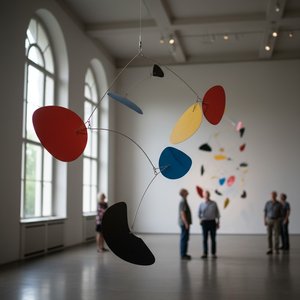
Alexander Calder: Kinetic Sculpture, Mobile Art & the Poetics of Chance
Explore the revolutionary world of Alexander Calder's kinetic sculptures & mobiles. Discover insights for collectors, acquisition advice, and the enduring legacy of this modern master. Expert analysis & art valuation.

The Enduring Form: Exploring Themes & Techniques in Sculpture Across Historical Periods
Explore the rich history of sculpture from ancient masterpieces to contemporary innovations. Discover key techniques, influential artists & investment potential for discerning art collectors.

The Enduring Form: Sculpture Across History, Technique & Emotional Resonance
Explore the rich history of sculpture with OriginalUniqueArt. Discover key techniques, influential artists & investment potential for discerning collectors. Expert insights into valuing and collecting timeless masterpieces.

Bronze Sculptures That Defined Art History | OriginalUniqueArt
Journey through art history with our Top 10 bronze sculptures! Explore masterpieces by Rodin, Michelangelo & more. Discover stories behind iconic statues and find museum-quality reproductions for your home decor at OriginalUniqueArt.com.
