- Ana Sayfa

- Kanvas baskı
- Aldo Andreani
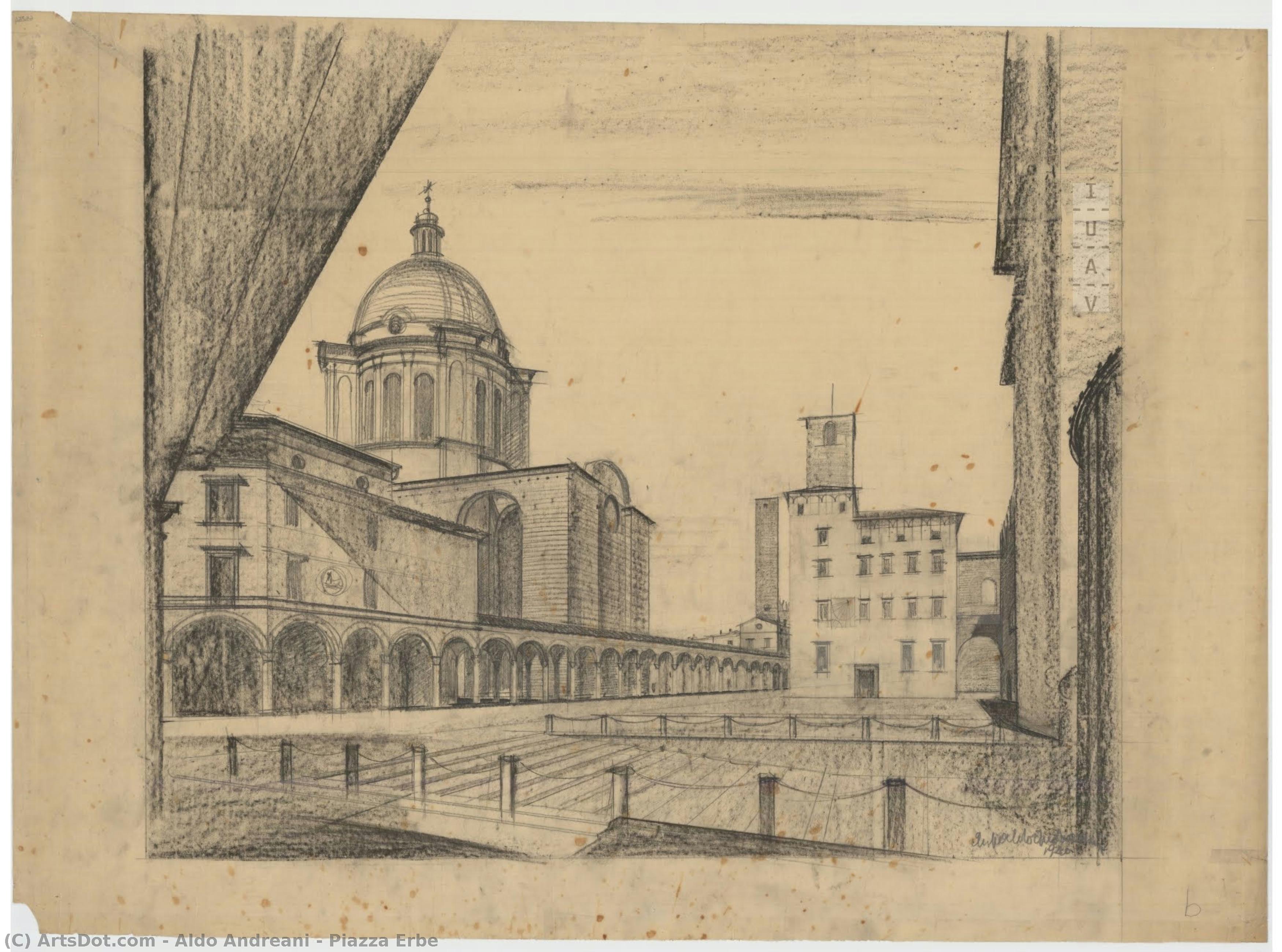
- Piazza Erbe
 Tabloyu Sipariş Et Görseli Satın Al
 Paylaş
 Paylaş
 Detayları Gör
 Favorilere ekle

 İndir
İndir
 Benzerlerini gör
 X-Işını
 Slayt Gösterisi
Piazza Erbe

 Tümünü Gör
Giclée / Sanat Baskısı
Hızlı üretim ve esnek bitiş seçenekleriyle müze kalitesinde giclée veya kanvas baskı.




































Eserin orijinal oranlarıyla uyumlu, önceden belirlenmiş boyutlarımız arasından seçim yapın.

Belirli bir çerçeveye veya alana uyması için kendi ölçülerinizi girebilirsiniz. Seçtiğiniz boyut orijinal görüntünün oranlarıyla eşleşmiyorsa, sanat eserini kırpacağız veya görüntüyü aynalanmış ya da düz dolgulu bir kenarlıkla genişleteceğiz. Üretim başlamadan önce onayınız için bir dijital taslak gönderilecektir.
Lütfen ekrandaki önizlemenin gerçek kırpma veya genişletmeyi yansıtmadığını unutmayın. Nihai kompozisyonu yalnızca taslak doğru bir şekilde gösterecektir.
Özel boyutlar mevcut olsa da, orijinal oranları korumak için önceden tanımlanmış listeden bir boyut seçmenizi öneririz.
Dünya Çapında Teslimat (); standart 4/5 hafta yerine 2 haftada. (18 Temmuz)

Dünya Çapında Ücretsiz Ekspres Kargo

Yüksek Kaliteli Keten Tuval

Tam Kapsamlı Nakliye Sigortası

Gümrük Vergisi İade Garantisi

Gerçek Renk Uyumu Garantisi

60 Günlük İade Politikası (Sadece Kusurlu Ürünler İçin)

%100 Para İade Garantisi

Toplu Alım İndirimi
 Cam seçeneği yalnızca 110 cm altındaki boyutlar için mevcuttur.

Piazza Erbe
Giclée / Sanat Baskısı
Reproduksiyon Boyutu
-


Toplam Tutar
-
Eser Açıklaması
Sanatçı Özgeçmişi
Aldo Andreani: Bridging Renaissance Legacy and Fascist Vision
Aldo Andreani (August 1, 1887 in Mantua – October 18, 1971 in Milano) stands as a pivotal figure in Italian architectural history of the early 20th century. He wasn’t merely an architect; he was a sculptor deeply rooted in classical ideals yet powerfully shaped by the aesthetic sensibilities of Fascist Italy. His career spanned decades, leaving an indelible mark on Milanese urban landscape and solidifying his reputation as one of the era's most prolific and influential artists. ### Early Life & Artistic Training Born in Mantua, Andreani’s formative years instilled a profound appreciation for Renaissance art and architecture – influences that would permeate his entire artistic trajectory. He pursued formal training at the San Luca Academy in Rome, honing his skills in drawing and modeling before graduating from the Milan Polytechnic under the tutelage of Gaetano Moretti. This foundational education established him firmly within the tradition of Italian Beaux Arts, prioritizing harmony, proportion, and meticulous craftsmanship. Notably, he began attending the first special course in sculpture at the Brera Academy in Milan in 1927, where he encountered the transformative influence of Adolph Wildt’s sculptural approach – a deliberate move away from purely decorative forms toward monumental works imbued with expressive power. ### Sculptural Achievements & Fascist Patronage Andreani quickly distinguished himself as a sculptor, producing an impressive array of portraits and religious commissions alongside larger-scale projects. His work embraced both classical modeling techniques and the bold experimentation championed by Wildt, reflecting the broader artistic currents of his time. However, Andreani’s career gained considerable prominence during the Fascist regime (1925-1943), serving as architectural decoration for monumental buildings commissioned by Mussolini. He skillfully blended Renaissance models with Fascist symbolism – a conscious effort to convey grandeur and national pride through sculptural reliefs and architectural designs. His contribution to Palazzo della Ragione exemplifies this fusion, demonstrating his ability to translate ideological imperatives into aesthetically compelling artistic expressions. ### Architectural Legacy & Notable Projects Andreani’s architectural output solidified his position as one of Milan's leading architects. He undertook numerous commissions ranging from residential buildings to civic spaces, consistently prioritizing structural integrity and elegant detailing. Among his most enduring achievements is Palazzo della Ragione – a monumental courthouse that embodies Andreani’s commitment to classical principles while incorporating innovative engineering solutions. The meticulous planning and sculptural embellishments of this building stand as testament to his artistic vision and technical prowess. Furthermore, he undertook the restauration project on the street Giustiziati, demonstrating his dedication to preserving Milanese heritage. ### Influence & Historical Significance Aldo Andreani’s work represents a crucial juncture in Italian art history—a synthesis of Renaissance erudition and Fascist ambition. He helped shape the visual culture of his era, leaving behind a legacy of buildings and sculptures that continue to inspire admiration for their beauty and craftsmanship. His exploration of monumental sculpture alongside architectural design cemented his place as an artist who successfully navigated the complexities of stylistic change while upholding enduring artistic values. Andreani’s contribution to Milanese art and architecture remains significant today, offering valuable insight into the cultural landscape of 20th-century Italy.
Aldo Andreani
1887 - 1971 , Italy
Kısa Bilgiler
- Artistic Movement Or Style: Renaissance architecture & Fascist art
- Artists Who Influenced This Artist:
- Gaetano Moretti
- Adolph Wildt
- Date Of Birth: August 1, 1887
- Date Of Death: October 18, 1971
- Full Name: Aldo Andreani
- Nationality: Italian
- Notable Artworks:
- Palazzo della Ragione
- Prospectus of restauration on the street Giustiziati
- Place Of Birth: Mantua, Italy

