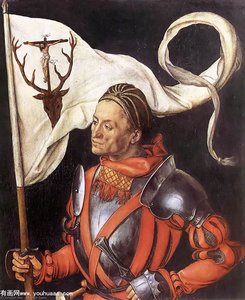
Gerçek Boyutta Önizle
 Paylaş
 Paylaş
 Detayları Gör
 Rehber

 İndir
İndir
 Benzer ürünler
 X-Işını
 Slayt Gösterisi
 Soru & Cevap
 İstatistikler
Triumphal Arch (detail)


 Tümünü Gör
Giclée / Sanat Baskısı
Hızlı üretim ve esnek bitiş seçenekleriyle müze kalitesinde giclée veya kanvas baskı. ( El Yapımı Tablo Satın Al Dijital Görsele Geç)




P118B ₺10

P118H ₺10

P118W ₺10

P438Z ₺10

P508JH ₺12

P508YH ₺12

P805H ₺10

P805Z ₺10

P919BZ ₺10

P919G ₺10

P919XJ ₺10

P959ZH ₺10

P968JZ ₺12

W106C ₺8

W218G ₺10

W218JH ₺8

W218Y ₺10

W307PJ ₺10

W316G ₺10

W316PJ ₺8

W316Y ₺10

W398PJ ₺8

W4111J ₺10

W500HY ₺15

W500JH ₺15

W692G ₺12

W849H ₺8

W940BG ₺15

W953PJ ₺8




Eserin orijinal oranlarıyla uyumlu, önceden belirlenmiş boyutlarımız arasından seçim yapın.

Çerçevenize veya duvarınıza uygun olması için ihtiyacınız olan genişlik ve yüksekliği yazın. Bir baskı yalnızca kesilebilir, görselden daha büyük hale getirilemez; bu nedenle farklı bir formdaki boyut seçimi, görselin bir kısmının kaybına neden olur. Herhangi bir baskı yapmadan önce onaylamanız için size bir dijital taslak gönderiyoruz. Bu sayfada gösterilen resim gerçek kesimi göstermez — bunu yalnızca taslak gösterir.
Dünya Çapında Teslimat (); standart 4/5 hafta yerine 2 haftada. (8 Kasım)

Dünya Çapında Ücretsiz Ekspres Kargo

Yüksek Kaliteli Keten Kanvas

Tam Nakliye Sigortası

Gümrük Vergisi İadesi Garantisi

Gerçek Renk Uyumu Garantisi

100 Günlük İade Politikası (Sadece Kusurlu Ürünler İçin)

%100 Para İade Garantisi

Toplu Alım İndirimi
 Cam seçeneği yalnızca 110 cm altındaki boyutlar için mevcuttur.

Triumphal Arch (detail)
Giclée / Sanat Baskısı
Reproduksiyon Boyutu
-


Toplam Tutar
₺ 3995
The Triumph of Line: Albrecht Dürer’s Triumphal Arch
Albrecht Dürer's "Triumphal Arch," completed in 1515, stands as an unparalleled achievement of German Renaissance art—a monumental woodcut print that transcends mere decoration to embody the ideals of imperial power and humanist contemplation. Commissioned by Emperor Maximilian I, ruler of the Holy Roman Empire, this ambitious project wasn’t simply intended to celebrate a military victory; it was conceived as a profound statement about the nature of rulership itself, reflecting Dürer's meticulous understanding of classical principles alongside his own innovative approach to printmaking. The arch’s sheer scale—measuring nearly 3 meters by 4 meters—immediately commands attention, but its true significance lies in the exquisite detail and masterful execution that characterize every aspect of its design.- A Synthesis of Tradition and Innovation: Dürer skillfully blended elements of Gothic art with Renaissance ideals, drawing inspiration from Roman triumphal arches while simultaneously elevating woodcut printing to new heights of artistic sophistication. The arch’s architectural form—a tetrapylon consisting of four massive piers supporting a central arched passageway flanked by two side arches—was modeled on ancient precedents, yet Dürer transformed this familiar structure into an emblem of modern authority through the incorporation of humanist symbolism and meticulously crafted decorative elements.
- The Woodcut Technique: The printmaking process itself was revolutionary for its time. Approximately 195 separate wood blocks were carved by Dürer’s workshop, each painstakingly etched with intricate lines to create a stunning tonal range—a feat previously unattainable in Northern European art. This technique demanded an extraordinary level of precision and patience, reflecting Dürer's unwavering commitment to mastering the craft and pushing its boundaries. The resulting surface texture—characterized by subtle grain patterns and delicate hatching—captures the materiality of the wood panel on which the painting was executed, conveying a palpable sense of tactile presence.
- Symbolism Embodied: Every element of the arch’s iconography served as a deliberate allusion to classical ideals and Christian theology. The central arch bore the inscription “This Arch of Honour with its several portals is erected in praise of the most serene, all-powerful prince and sovereign Maximilian,” proclaiming his reign as exemplary—a paragon of noble virtue tempered by military prowess. Above each archway were representations of historical events commemorating Maximilian’s triumphs, alongside busts of emperors and kings symbolizing lineage and legitimacy. The inclusion of heraldic escutcheons reinforced the emperor's claim to universal dominion, while the round towers at either end evoked images of divine majesty.
- Emotional Resonance: Beyond its formal grandeur, “The Triumphal Arch” possesses a profound emotional resonance—a testament to Dürer’s ability to convey complex ideas through visual imagery. The arch’s meticulous detail and harmonious composition invite contemplation on themes of power, honor, piety, and human achievement. It stands as an enduring symbol of Renaissance ambition and artistic excellence, captivating viewers with its beauty and stimulating intellectual curiosity centuries after its creation.
Historical Context: Maximilian I and the Pursuit of Glory
The arch’s commission coincided with a pivotal moment in European history—the ascension of Maximilian I to the throne of the Holy Roman Empire in 1508. Faced with challenges from rival princes and papal authority, Maximilian sought to consolidate his dominion through strategic alliances and assertive propaganda. Recognizing the power of visual representation to shape public opinion, he entrusted Dürer and his workshop with the task of creating a monumental print that would proclaim his imperial grandeur and inspire awe among his subjects. The arch’s design reflected this ambition—a deliberate attempt to elevate Maximilian's image as a ruler worthy of emulation, embodying both martial courage and moral virtue. It served as a powerful instrument of statecraft, reinforcing Maximilian’s legitimacy and bolstering morale during a period of turbulent political upheaval.Technical Mastery: The Art of Woodcut Printing
Dürer’s mastery of woodcut printing was unparalleled in his time—a triumph of artistic innovation that fundamentally altered the landscape of Northern European art. Unlike oil painting, which demanded considerable skill and resources, woodcut printing offered a relatively accessible medium for disseminating images widely across Europe. However, achieving exceptional tonal range and visual complexity required an extraordinary level of technical expertise. Dürer’s meticulous carving process—characterized by painstaking precision and unwavering attention to detail—transformed ordinary wood into a surface capable of capturing subtle nuances of light and shadow. The resulting print possessed a distinctive linear quality—a testament to Dürer's unwavering commitment to mastering the craft and pushing its boundaries.Legacy: An Icon of Renaissance Art
“The Triumphal Arch” remains an enduring symbol of Renaissance artistic achievement—a masterpiece that continues to inspire admiration and scholarly inquiry today. Its influence can be seen in subsequent printmaking traditions across Europe, as well as in architectural designs reflecting the arch’s monumental grandeur. More importantly, it embodies the humanist ideals championed by Dürer—a celebration of human intellect and virtue alongside an unwavering devotion to classical principles. As a testament to Dürer's genius and artistic vision, “The Triumphal Arch” continues to captivate audiences with its beauty and intellectual depth—a timeless emblem of Renaissance ambition and artistic excellence.Soru ve Cevaplar
"Triumphal Arch (detail)" benzeri eserler var mı?
"Triumphal Arch (detail)" ile benzer eserler, eserin Benzer Eserler sayfasında listelenmektedir.
Albrecht Dürer imzalı "Triumphal Arch (detail)" eserinin duygusal tonu nedir?
Albrecht Dürer imzalı "Triumphal Arch (detail)", Powerful bir duygusal ton yansıtıyor.
Albrecht Dürer, "Triumphal Arch (detail)" eserini kaç yaşında yaptı?
"Triumphal Arch (detail)" adlı eser 1515 yılında yaratıldığında, 1471 yılında doğan Albrecht Dürer, 44 yaşındaydı.
Sanatçı Özgeçmişi
Nürnberg’in Kalbinden Yükselen Bir Deha: Albrecht Dürer'in Hayatı ve Sanat Yolculuğu
Albrecht Dürer, 15. yüzyılın sonu ve 16. yüzyılın başlarında Avrupa sanatını derinden etkileyen bir isimdir. Nürnberg’de, kuyumcu babası Albrecht Dürer the Elder’ın atölyesinde büyüyen genç Albrecht, hem zanaatkârlık geleneğini hem de sanata olan tutkusunu içinde taşıyordu. 1471 yılında doğan bu dahi, kısa sürede Nürnberg sanat sahnesinin ötesine geçerek Avrupa çapında tanınacak ve Rönesans’ın en önemli figürlerinden biri haline gelecekti. Babasının atölyesinde edindiği temel beceriler, onu genç yaşta Michael Wolgemut'un atölyesine giden bir yol açtı. Wolgemut’un yanında hem resim hem de ahşap baskı tekniklerini öğrenen Dürer, Nürnberg Kroniği gibi büyük projelerde çalışarak deneyim kazandı ve sanatsal yeteneğini geliştirdi. Bu dönemde ortaya çıkan ilk eserleri, özellikle gümüş kalemle yaptığı portreler, onun olağanüstü yeteneğinin erken bir göstergesiydi.İtalya’nın Cazibesi ve Sanatın Evrimi
Dürer'in sanatsal yolculuğu, İtalya seyahatiyle yeni bir boyut kazandı. 1494 yılında başlayan bu keşif yolculuğu, onu Rönesans sanatının kalbine götürdü. Floransa, Venedik ve Roma gibi şehirlerde Raphael, Giovanni Bellini ve Leonardo da Vinci gibi dönemin önde gelen sanatçıların eserlerini yakından görme fırsatı buldu. İtalyan sanatının klasik formları, uyumlu kompozisyonları ve ince sfumato tekniği Dürer'i derinden etkiledi. Ancak bu etkiye rağmen, Kuzey Avrupa’ya özgü detaylara gösterdiği özen ve sembolizm anlayışından vazgeçmedi. İtalya seyahatleri, onun sanatını daha da olgunlaştırdı ve hem teknik becerilerini geliştirmesine hem de sanatsal vizyonunu genişletmesine olanak sağladı. 1505-1507 yılları arasındaki ikinci İtalya seyahati, antik Roma kalıntılarını incelemesi ve insan anatomisi konusundaki bilgisini derinleştirmesi için bir fırsat oldu. Bu iki farklı sanat anlayışını harmanlayarak Dürer, kendine özgü ve benzersiz bir tarz yarattı.Çeşitli Ortamlarda Ustalık: Resim, Gravür ve Ahşap Baskı
Dürer, yalnızca ressam değil, aynı zamanda olağanüstü bir gravürcü ve ahşap baskı sanatçısıydı. Yağlı boya tabloları daha az sayıda olsa da, renk kullanımı ve insan psikolojisini yakalama yeteneği takdire şayandı. *Gül Çelenk Şöleni* gibi eserleri, Venedik etkilerini taşıyan canlı bir paletle dikkat çekiyor. Ancak Dürer'in gerçek ustalığı, baskı tekniklerinde kendini gösteriyordu. Ahşap baskılarla karmaşık anlatıları ve derin duyguları aktarırken, gravürler ise eşsiz bir ayrıntı ve hassasiyet sunuyordu. *Vahiy Dizisi* (1498), ahşap baskı tekniğinin sınırlarını zorlayan bir başyapıt olarak kabul edilirken, *Melankoli I* (1514) ve *Aziz Hieronymus'un Çalışması* (1514) gibi gravürleri, sembolizmle dolu karmaşık kompozisyonları ve olağanüstü teknik becerisiyle sanat tarihine adını altın harflerle yazdırdı. Dürer, sadece bir ressam değil, aynı zamanda baskı sanatının sınırlarını genişleten bir yenilikçiydi.Teorisyen ve Yenilikçi: Albrecht Dürer'in Mirası
Dürer, sanatsal yeteneğinin yanı sıra, bir teorisyen ve düşünür olarak da öne çıktı. Sanatın altında yatan matematiksel prensipleri anlamaya çalıştı ve insan oranları üzerine yaptığı çalışmalarla sanat pratiğine bilimsel bir yaklaşım getirdi. *İnsan Oranları Üzerine Dört Kitap* (1528) adlı eseri, dönemin sanatçıları için çığır açıcı nitelikteydi. Bu eser, yalnızca akademik bir çalışma değil, aynı zamanda sanatçıların statüsünü yükseltmeyi amaçlayan bir manifesto gibiydi. Dürer'in Kuzey Avrupa geleneklerini İtalyan Rönesansı idealleriyle birleştirmesi, sanat dünyasında yeni bir sentez yarattı. Onun teknik ustalığı, yenilikçi ruhu ve derin vizyonu, nesilden nesile sanatçıları ilhamlandırmaya devam ediyor.Etkiler ve Kalıcı Miras
- Michael Wolgemut: Dürer'in ilk hocası, resim ve ahşap baskı teknikleri konusunda temel beceriler kazandırdı.
- Leonardo da Vinci: Anatomiyi, perspektifi ve sfumato tekniğini keşfetmesinde etkili oldu.
- Raphael: Kompozisyon uyumu ve idealize edilmiş formlar konusunda ilham kaynağı oldu.
- Giovanni Bellini: Renk kullanımı ve Venedik resim gelenekleri hakkında bilgi edindi.
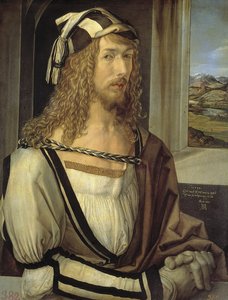
Albrecht Dürer
1471 - 1528 , İtalya
Kısa Bilgiler
- Artistic Movement Or Style: Geç Gotik, Rönesans
- Artists Or Movements Influenced By This Artist: ['Kuzey Rönesansı']
- Artists Who Influenced This Artist:
- Leonardo da Vinci
- Raphael
- Giovanni Bellini
- Date Of Birth: 21 Mayıs 1471
- Date Of Death: 6 Nisan 1528
- Full Name: Albrecht Dürer
- Nationality: Alman
- Notable Artworks:
- Apocalypse Serisi
- Melankoli I
- Aziz Hieronymus'un Çalışması
- Place Of Birth: Nürnberg, Almanya
Benzer Yazılar

British Müzesi'nin En İkonik 25 Eseri: Sanat Tarihine Yolculuk
British Müzesi'nin en değerli 25 eserini keşfedin! Leonardo da Vinci, Van Gogh ve daha fazlasının hikayeleriyle sanat tarihine yolculuk yapın. Evinizi müze kalitesinde tablolarla süsleyin. OriginalUniqueArt.com’da tüm şaheserleri inceleyin.

Mastering the Woodcut: A Definitive Guide to the Art of Relief Printing and its Historical Legacy
Explore the profound history and technical mastery of woodcut relief printing. From ancient origins to German Expressionism, discover how artists use the subtractive process to create iconic works. A definitive guide for art students, collectors, and historians.
German Renaissance Unlocked: The Bold Precision and Iconic Mastery of Albrecht Dürer Reimagined
Discover the bold precision of the German Renaissance. Explore the legendary mastery of Albrecht Dürer through expert art history insights and premium, hand-painted reproductions designed to bring iconic Northern Renaissance detail into your modern collection.

Albrecht Dürer: A Renaissance Master's Legacy of Innovation and Self-Portraiture
Explore the life & art of Albrecht Dürer, a pivotal German Renaissance master. Discover his groundbreaking printmaking techniques, iconic self-portraits, and lasting influence on Western art history. A deep dive into innovation & symbolism.
Master of the Renaissance: The Top 25 Greatest Artworks by Albrecht Dürer
Explore 25 iconic German Renaissance masterpieces by Albrecht Dürer. Discover the full collection online at OriginalUniqueArt.com.