

 Gönder
 Paylaş
 Detaylar
 Rehber

 Dosyayı İndir
 Benzerleri
 Slayt Gösterisi
 İstatistikler
Torchère


 Devamını Oku
Giclée / Sanat Baskısı
Hızlı üretim ve esnek bitiş seçenekleriyle müze kalitesinde giclée veya kanvas baskı. ( El Yapımı Tablo Satın Al Dijital Görsel Satışına Geç)




































Eserin orijinal oranlarıyla uyumlu, önceden belirlenmiş boyutlarımız arasından seçim yapın.

Belirli bir çerçeveye veya alana uyması için kendi ölçülerinizi girebilirsiniz. Seçtiğiniz boyut orijinal görüntünün oranlarıyla eşleşmiyorsa, sanat eserini kırpacağız veya görüntüyü aynalanmış ya da düz dolgulu bir kenarlıkla genişleteceğiz. Üretim başlamadan önce onayınız için bir dijital taslak gönderilecektir.
Lütfen ekrandaki önizlemenin gerçek kırpma veya genişletmeyi yansıtmadığını unutmayın. Nihai kompozisyonu yalnızca taslak doğru bir şekilde gösterecektir.
Özel boyutlar mevcut olsa da, orijinal oranları korumak için önceden tanımlanmış listeden bir boyut seçmenizi öneririz.
Dünya Çapında Teslimat (); standart 4/5 hafta yerine 2 haftada. (26 Eylül)

Dünya Çapında Ücretsiz Ekspres Kargo

Yüksek Kaliteli Keten Tuval

Tam Nakliye Sigortası

Gümrük Vergisi İadesi Garantisi

Gerçek Renk Uyumu Garantisi

100 Günlük İade Koşulları (Sadece Üretim Hatalı Ürünler İçin)

%100 Para İade Garantisi

Toplu Alım Avantajı
 Cam seçeneği yalnızca 110 cm altındaki boyutlar için mevcuttur.

Torchère
Giclée / Sanat Baskısı
Baskı Boyutu
-


Toplam Fiyat
$ 80
The Dramatic Dance of Light and Shadow: Exploring Albert-Ernest Carrier Belleuse’s “Torchère”
Albert-Ernest Carrier Belleuse's "Torchère," a captivating black and white photograph capturing the original marble sculpture, is more than just a depiction of figures; it’s a study in dynamic tension, theatrical drama, and the masterful manipulation of light and shadow. Created in 1873, this work embodies the spirit of Academic Neoclassicism while subtly hinting at the burgeoning Romanticism that would soon dominate the artistic landscape. The sculpture itself, housed within the Palais Garnier opera house in Paris, immediately commands attention with its arresting composition – a powerful male figure supporting a graceful female form, bathed in an ethereal glow.
At first glance, the scene appears to be one of quiet contemplation. The woman, poised and elegant, holds aloft what could be interpreted as a torch, though its precise form is obscured by drapery. Her posture suggests both strength and vulnerability, while her downward gaze hints at an offering or perhaps even a plea for assistance. Beneath her, the male figure is rendered with a striking physicality – his body contorted in a dramatic pose that speaks to struggle and support. This interplay of opposing forces—grace versus power, supplication versus strength—creates a compelling narrative tension that anchors the entire composition.
A Masterclass in Sculptural Technique
Carrier Belleuse was renowned for his technical prowess, particularly his ability to evoke movement and emotion through meticulously crafted marble. “Torchère” exemplifies this skill perfectly. The artist’s attention to anatomical detail is evident in the musculature of the male figure, while the flowing drapery of the woman’s gown demonstrates a deep understanding of fabric texture and form. The use of light and shadow is particularly noteworthy; it's not merely decorative but integral to conveying the sculpture’s narrative. Deep shadows accentuate the contours of the figures, emphasizing their weight and solidity, while strategically placed highlights draw attention to key details – the curve of her hand, the tension in her muscles, the subtle shift in her gaze.
Interestingly, Carrier Belleuse's approach was influenced by his time working with industrial processes. He experimented with electro-chemical techniques, such as galvanoplasty, to create intricate surface finishes and textures. This innovative spirit is reflected in the polished sheen of the marble, which catches and reflects light in a way that enhances the sculpture’s overall impact. The photograph itself captures this brilliance, showcasing the remarkable quality of the original work.
Historical Context and Artistic Influences
“Torchère” was created during a period of significant artistic transition. Following the Romantic era's emphasis on emotion and individualism, artists were increasingly drawn to the principles of Neoclassicism – a return to classical ideals of order, balance, and harmony. Carrier Belleuse skillfully blended these influences, creating a work that is both formally sophisticated and emotionally resonant. The sculpture’s narrative echoes themes found in classical mythology, particularly those involving heroic figures and divine assistance.
Furthermore, the commission for “Torchère” was part of a larger project to decorate the opulent Palais Garnier opera house. Carrier Belleuse collaborated with other prominent artists, including Auguste Rodin, creating a cohesive ensemble of sculptures and architectural elements that transformed the building into a masterpiece of artistic expression. The photograph provides a valuable glimpse into this collaborative environment, revealing the interplay of styles and techniques employed by these diverse talents.
Symbolism and Emotional Resonance
Beyond its technical brilliance, “Torchère” is rich in symbolic meaning. The sculpture can be interpreted as an allegory for human relationships – the dynamic between strength and vulnerability, support and dependence. The woman’s outstretched arm suggests a willingness to offer assistance, while the man's contorted pose hints at the challenges of navigating life’s complexities. The torch itself may represent enlightenment, guidance, or even hope in the face of adversity.
Ultimately, “Torchère” is a powerfully evocative work that transcends its literal subject matter. It invites viewers to contemplate themes of human connection, struggle, and resilience. The photograph serves as a testament to Carrier Belleuse’s artistic vision and his ability to capture the essence of sculpture in a single, unforgettable image. Reproductions of this iconic piece offer a chance to bring this dramatic narrative into any space, adding a touch of timeless elegance and intellectual depth.
Sanatçı Biyografisi
Albert Ernest Carrier Belleuse'un Heykel Mirası
On dokuzuncu yüzyıl Fransız sanatının canlı ve sürekli değişen manzarasında, Albert Ernest Carrier Belleuse kadar çok yönlülüğe ve teknik ustalığa sahip olan çok az figür vardı. 1824 yılında Anizy-le-Château'da doğan sanatçının güzel sanatlar dünyasına yolculuğu, akademilerin görkemli mermerleriyle değil, bir kuyumcu çırağının narin ve hassas elleriyle başladı. Değerli metallerin karmaşık detaylarına olan bu erken dönem aşinalığı, onda doku ve forma karşı ömür boyu sürecek bir saygı uyandırdı; bu temel, daha sonra Neoklasik katılık ile filizlenen Art Nouveau hareketinin akışkan zarafeti arasındaki o karmaşık geçişi ustalıkla yönetmesini sağladı.
École des Beaux-Arts bünyesinde David D'Angers'ın rehberliğinde aldığı resmi eğitim, yükselişi için gerekli olan yapısal disiplini ona kazandırdı. D'Angers yönetiminde Carrier Belleuse, erken dönem repertuvarının büyük bir kısmını tanımlayacak olan anatomik hassasiyeti ve klasik idealleri ustalıkla öğrendi. Ancak o, asla geçmişin basit bir taklitçisi olmadı. Kariyeri ilerledikçe, eserlerine Romantik bir coşku katmaya başladı; statik mükemmellikten uzaklaşarak daha dışavurumcu ve duygusal bir realizme yöneldi. Bu evrim, belki de en belirgin şekilde, İngiltere'deki zamanında gerçekleştirdiği narin porselen iş birliklerinde veya Paris'teki anıtsal bronz başarılarında, hareketi ve canlılığı yakalama yeteneğinde kendini gösterir.
Formun ve Akışkanlığın Ustası
Carrier Belleuse'un dehası, birbirinden farklı sanatsal akımları tek bir bütünsel estetik içinde sentezleyebilme olağanüstülüğünde yatıyordu. Rokoko döneminin süslü zarafeti ile Realizm'in ham, doğal enerjisi arasındaki boşluğu doldurma konusunda eşsiz bir yeteneğe sahipti. Eserleri, özellikle bronz veya terra cotta ile çalışırken, ışık ve gölgenin büyüleyici etkileşimini sıkça barındırır; bu sayutta yüzeyleri tenin yumuşaklığını veya kumaşın ağır dökümünü hissettirecek şekilde manipüle edebilirdi.
Heykel repertuvarı, aldığı ilhamlar kadar çeşitliydi:
- Yüceliğin Portre Sanatı: Miguel Ángel'ın gümüş kaplama bronz büstü gibi çalışmalarında, klasik saygıyı, konunun efsanevi ruhuna onur veren psikolojik bir derinlikle harmanlamadaki eşsiz yeteneğini kanıtladı.
- Alegorik Zarafet: Torchère gibi parçaları, neoklasik zarafet aracılığıyla tutku ve güç gibi karmaşık insani duyguları somutlaştırmak için iç içe geçmiş figürler kullanarak alegorik formdaki ustalığını sergiler.
- Hareketin Yakalanışı: Hayatın geçici doğasını kalıcı bir medyuma dönüştürme yeteneği, figür ile atmosfer arasındaki sınırların bulanıklaşmaya başladığı daha empresyonist arayışlarında görülür.
Mentorluk ve Tarihi Önem
Bireysel başarılarının ötesinde Carrier Belleuse, nesiller arasında bir köprü görevi görmesi nedeniyle sanat tarihinde derin bir yere sahiptir. En dikkat çekici olanı ise Auguste Rodin için bir mentor olarak hizmet etmesidir. Rodin, modernizmin yeni bir dilini yaratmak için sonunda heykelin geleneklerini yıkacak olsa da, hareketin ustasının erken dönem rotasını şekillendirmeye yardımcı olan şey, Carrier Belleuse tarafından sağlanan temel eğitim ve üslup genişliğiydi. Brüksel Borsası'nda görülenler gibi ortak çabaları, yerleşik gelenek ile yükselen yeniliğin büyüleyici bir kesişimini temsil eder.
Légion d'honneur ile ödüllendirilen ve Société Nationale des Beaux-Arts üyesi olan sanatçının bu tanınırlığı, Fransız kültürüne yaptığı muazzam katkunun bir kanıtıydı. Hassas "carrier" imzasından daha yerleşik olan "carrier-belleuse" ismine geçiş yaparken, çalışmaları on dokuzuncu yüzyılın sonundaki sofistike estetikle eş anlamlı hale geldi. Bugün onun mirası sadece müzelerde değil, modern heykelin bizzat DNA'sında yaşamaya devam ediyor; bize sanatın aynı anda hem görkemli, hem dekoratif hem de derinlemesine insani olabildiği bir dönemi hatırlatıyor.

Albert Ernest Carrier Belleuse
1824 - 1887 , Fransa
Kısa Bilgiler
- Artistic Movement Or Style: Neoklasik & Realist
- Artists Or Movements Influenced By This Artist: Auguste Rodin
- Artists Who Influenced This Artist: David D'angers
- Date Of Birth: 12 Haziran 1824
- Date Of Death: 4 Haziran 1887
- Full Name: Albert Ernest Carrier-Belleuse
- Nationality: Fransız
- Notable Artworks:
- Hippodamia'nın Tecavüzü
- Terzi Başında
- Place Of Birth: Anizy-le-Château, Fransa
İlgili Yazılar

The Enduring Form: Exploring Themes & Techniques in Sculpture Across Historical Periods
Explore the rich history of sculpture from ancient masterpieces to contemporary innovations. Discover key techniques, influential artists & investment potential for discerning art collectors.

The Enduring Allure of Marble in Art History: From Classical Sculpture to Modern Abstraction
Explore the captivating history of marble sculpture from ancient Greece to modern art. Discover renowned artists like Canova & Michelangelo, carving techniques, and investment insights at OriginalUniqueArt.

Bronze Sculptures That Defined Art History | OriginalUniqueArt
Journey through art history with our Top 10 bronze sculptures! Explore masterpieces by Rodin, Michelangelo & more. Discover stories behind iconic statues and find museum-quality reproductions for your home decor at OriginalUniqueArt.com.

Timeless Elegance: A Complete Guide to the Sublime Beauty and Artistry of Marble Sculpture
Discover the sublime beauty of marble art through an expert exploration of Renaissance and Neoclassical masterpieces. From the delicate textures of Carpeaux to the grandeur of Sansovino, immerse yourself in a guide to timeless elegance and sculptural perfection.
Timeless Grandeur: Exploring the Eternal Beauty and Art-Historical Legacy of Marble Sculpture
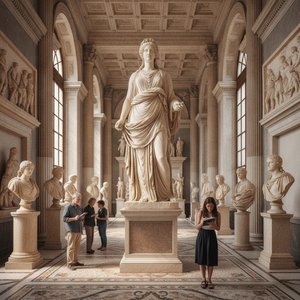
Explore the profound legacy of marble sculpture, from Classical antiquity to Neoclassical mastery. A definitive guide for elite collectors and designers seeking to integrate the luminous, eternal beauty of stone into sophisticated, high-end architectural spaces.
