 Tümünü Gör


 Herhangi bir kenarı 105 cm'den (yaklaşık 41 inç) büyük olan sanat eserleri veya reprodüksiyonlar için çerçeve, demonte edilmiş bir kit halinde gönderilecektir. Bu yöntem, güvenli teslimat sağlar ve taşıma sırasında oluşabilecek hasarları önler.


Bu tablo hakkında daha fazla bilgi
Metin boyutu

() ·
Sizin için, elle yapılmış bir tablo
El Yapımı Yağlı Boya Reproduksiyon
Sanatçılarımız tarafından sipariş üzerine hazırlanan; istediğiniz boyut ve çerçevede, tuval üzerine el boyaması yağlı boya. ( Baskı Satışına Geç Dijital Görsele Geç)
Sanatçı Biyografisi
Discover adolphe terris, a talented artist from OriginalUniqueArt known for captivating artworks inspired by Marseille. Explore his unique style, themes, and artistic legacy in the world of fine art.
...den/dan ·
Bölüm 1
Boyutu ne kadar olmalı?
Boyutu değiştirmek için kaydırın; soldaki resim çerçevenin gerçek genişliğini göstermektedir. Orijinal oranlar korunmuştur.
Standart
özel boyutlu
CM
INCH
Eserin orijinal oranlarıyla uyumlu, önceden belirlenmiş boyutlarımız arasından seçim yapın.
Boyutlar yükleniyor...

genişlik
yükseklik
Çerçevenize veya duvarınıza uygun olması için ihtiyacınız olan genişlik ve yüksekliği yazın. Bu eser el boyamasıdır; bu nedenle farklı bir formdaki boyutlar için sanatçı, resmin etrafına biraz daha fazla boya ekleyebilir veya kenarlardan biraz kırpabilir — seçim sizin. Boyama işlemi başlamadan önce onaylamanız için size bir dijital taslak gönderiyoruz. Bu sayfada gösterilen resim gerçek sonucu yansıtmamaktadır; gerçek sonucu yalnızca taslak göstermektedir.
Bölüm 2
Nasıl teslim edilmeli?
Gergin kanvasın kenarlarını seçin
Çerçevenizi seçin

Beyaz kenar bitişi ₺1

Bulanık kenar bitişi ₺1

Kenar boyalı ₺1

P118B ₺10

P118H ₺10

P118W ₺10

P438Z ₺10

P508JH ₺12

P508YH ₺12

P805H ₺10

P805Z ₺10

P919BZ ₺10

P919G ₺10

P919XJ ₺10

P959ZH ₺10

P968JZ ₺12

W106C ₺8

W218G ₺10

W218JH ₺8

W218Y ₺10

W307PJ ₺10

W316G ₺10

W316PJ ₺8

W316Y ₺10

W398PJ ₺8

W4111J ₺10

W500HY ₺15

W500JH ₺15

W692G ₺12

W849H ₺8

W940BG ₺15

W953PJ ₺8

H24-GOLD ₺30

H24-SILVER ₺30

H36-GOLD ₺45

H36-SILVER ₺45
Çerçeveli
Çerçeve Kenarlığı: . Çerçeve dahil toplam boyut: .
Bölüm 3
Bunu kim boyuyor ve herhangi bir şey değişmeli mi?
Değiştirilebilecek örneklere göz atın: Yüzü müşteri fotoğrafıyla değiştirme; Evcil hayvan ekleme (örneğin, kediyi köpek ile değiştirme); Arka plana gizli bir mesaj dahil etme; Arka plan manzarasını veya öğelerini değiştirme.
Siparişten sonra, OriginalUniqueArt.com ekibi talimatlar için müşteriye e-posta gönderecek ve bir taslak önizleme sunacaktır
Siparişten sonra, OriginalUniqueArt.com ekibi talimatlar için müşteriye e-posta gönderecek ve bir taslak önizleme sunacaktır
Dünya Çapında Teslimat (); standart 5 hafta yerine 3/4 haftada. (15 Kasım). Kaliteden ödün verilmez.
Bölüm 4
Son dokunuşlar
Müzedekiler gibi bir isimlik mi?
İşlemeli Bronz Plaka Detayları
This elegant plaque features the artist's name and the title of the artwork, finely engraved for a timeless presentation.
It is made from bronze with a refined, elegant finish. The text is precisely laser-engraved for a sharp and permanent result. Measuring 9x2 cm, the plaque is compact yet easy to read. It's built to be durable and scratch-resistant, offering a professional, museum-quality look. Mounting is simple thanks to the included adhesive backing.
Şeffaf Akrilik Plaka Detayları
The plaque includes essential engraved details such as the artist's name, the title of the artwork, the date it was created, the type of media used-like oil on canvas or watercolor-a brief description of the piece, and a QR code that links to the complete artwork information.
It is crafted from clear acrylic, offering a sleek, modern appearance. The text is UV-engraved in black to ensure strong visual contrast. With a size of 10x15 cm, it ensures optimal readability. It comes equipped with two metal hooks for secure wall mounting. The plaque is designed to be weather-resistant, making it suitable for various environments, and it includes interactive features that work seamlessly with smartphone scanning.
Siyah Akrilik Plaka Detayları
This elegant plaque includes engraved information such as the artist's name, the title of the artwork, the date it was created, the type of media used (like oil on canvas or watercolor), a short description of the artwork, and a QR code for quick access to more information.
The plaque itself is made from refined black acrylic with a premium finish. The text is laser-engraved in white for high contrast and readability. Its size is 10x15 cm, designed to be easy to read. It comes with two metal hooks for professional mounting. The design is sleek and fits any interior style. It is also weather-resistant and durable, with built-in digital integration for mobile compatibility.
Koruyucu vernik mi?
Ne zaman ihtiyacınız var?
Bölüm 5
Sipariş ettiğiniz şekilde, tablonuz
Marseille
Reproduksiyon Tekniği
Reproduksiyon Boyutu
-
Seçkin Kıdemli Sanatçı
Daha fazla detay, incelik ve ek üretim süresi
-
Reproduksiyon Çerçevesi
-
-
Herhangi bir kenarı 105 cm'den (yaklaşık 41 inç) büyük olan sanat eserleri veya reprodüksiyonlar için çerçeve, demonte edilmiş bir kit halinde gönderilecektir. Bu yöntem, güvenli teslimat sağlar ve taşıma sırasında oluşabilecek hasarları önler.
Profesyonel montaj gereklidir; bu ürün kendin yap (DIY) tarzı bir ürün değildir.
Kit; ahşap tutkalı (pakete dahil değildir), kanvas germe pensi ve tutkal kururken çıtaların dik durmasını sağlayacak işkenceler kullanılarak, deneyimli bir profesyonel çerçeveci tarafından monte edilmeli ve kanvas gerilmelidir. Hatalı montaj veya dengesiz kanvas gerginliği sanat eserine kalıcı zarar verebilir ve bu durum garantimiz kapsamında değildir.
Tüm masif ahşap çıtalar dahildir, montaj için hassas bir şekilde ölçülmüştür.
Paket içeriğinde bulunan vidalar ve köşe birleşimleri için ustanız tarafından temin edilmesi gereken, ancak pakete dahil olmayan ahşap tutkalı ile monte edilir.
Profesyonel araçlar gereklidir ve pakete dahil değildir: bir tuval germe aparatı (gerdirici) ve yapıştırıcı kururken çıtaların dik durmasını sağlayacak kıskaçlar.
Önemli:
Köşe bağlantıları için ahşap tutkalı gereklidir; tutkal tamamen kuruyana kadar çıtalar işkenceler ile sabitlenmelidir ve monte edilmiş çerçeve üzerindeki kanvasın gerilmesi için bir kanvas germe pensine ihtiyaç duyulur. Bunların hiçbiri kit içerisinde yer almamaktadır. Lütfen bu boyutu sipariş etmeden önce deneyimli bir profesyonel çerçeve ustası ile anlaşın.
Eser Etiketi
-
-
Koruyucu Vernik Katmanı
Parlak Vernik (renkleri canlandırır; ışığa ve neme karşı koruma sağlar)
-
Eserimi Özelleştir
Değiştirilebilecek örneklere göz atın: Yüzü müşteri fotoğrafıyla değiştirin; Evcil hayvan ekleyin (örneğin, kediyi köpek ile değiştirin); Arka plana gizli bir mesaj dahil edin; Arka plan manzarasını veya öğelerini değiştirin.
-
Hızlı Teslimat
Dünya Çapında Teslimat (); standart 5 hafta yerine 3/4 hafta içinde. (15 Kasım). Kaliteden ödün verilmez.
-
Hızlı Gönderim
için dünya çapında 5 haftalık teslimat süresi. (22 Kasım).
Dahil
Toplam Tutar
₺ 14858
Cam seçeneği yalnızca 110 cm altındaki boyutlar için mevcuttur.
Her siparişle birlikte gelir
- Dünya Çapında Ücretsiz Ekspres Kargo
- Yüksek Kaliteli Keten Kanvas
- Tam Nakliye Sigortası
- Gümrük Vergisi İadesi Garantisi
- Gerçek Renk Uyumu Garantisi
- 100 Günlük İade Politikası (Sadece Kusurlu Ürünler İçin)
- %100 Para İade Garantisi
- Toplu Alım İndirimi
 Gerçek Boyutta Önizle
 Paylaş
 Paylaş
 Detayları Gör
 Rehber

 İndir
İndir
 Benzer ürünler
 X-Işını
 Slayt Gösterisi
 Soru & Cevap
 İstatistikler
Rakamlarla
- 29seçilebilecek çerçeveler
- kendi oranlarında, standart boyutlar
- 5boyamak ve teslim etmek için gereken haftalar
Orijinal eser hakkında
Bu Eser Telif Hakkı Koruması Altındadır
Bu sayfada sergilenen eser telif hakkı yasasıyla korunmaktadır; bu da yasal olarak eserin birebir kopyasını oluşturamayacağımız veya satamayacağımız anlamına gelir. Bu koruma, aşağıdakiler gibi uluslararası anlaşmalar kapsamında uygulanmaktadır: Bern Sözleşmesi ve aşağıdakiler de dahil olmak üzere ulusal yasalarca belirlenen ABD Telif Hakkı Kanunu - 17. Başlık.
Saygılı ve yasal bir alternatif olarak, orijinalinden ilham alan, kişiye özel, el boyaması sanat eserleri sunuyoruz. Deneyimli ve profesyonel sanatçılarımız, aynı duyguyu uyandıran yeni ve benzersiz bir eser yaratmak için orijinalin stilini, ruhunu ve sanatsal özünü titizlikle inceler; üstelik bu eser, kendi başına özgün bir üretim olarak kalır.
Bu yöntem, koruma altındaki sanat eserinin kopyalanmasını veya çoğaltılmasını içermediği için telif hakkı düzenlemelerine tam uyum sağlar. Bunun yerine, yaratıcı bir yeniden yorumlamadır; orijinalinden etkilenen ancak onunla aynı olmayan yeni bir tablodur.

Adolphe Terris hakkında kısa bilgiler
- Artistic Movement Or Style: Photographic Impressionism
- Artists Or Movements Influenced By This Artist: ['Photographic Impressionism']
- Artists Who Influenced This Artist: ['Charles Marville']
- Date Of Death: 1900
- Full Name: Adolphe Terris
- Nationality: French
- Notable Artworks:
- Rue des Grands Carmes, Vue prise de la Rue Ste. Marthe, Marseille
- Grands Travaux de Marseille, vue des chantiers prise du milieu de la Rue de Monbrion
- Piercing of the Rue Impériale
- Place Of Birth: Aix-en-Provence, France
Sanatçı Özgeçmişi
The Lens of a Changing Era
Born in the sun-drenched landscape of Aix-en-Provence in 1820, Adolphe Terris emerged as a pivotal figure in the history of nineteenth-century photography. While many of his contemporaries focused on the static portraits of the elite, Terris turned his gaze toward the breathing, evolving pulse of the urban environment. His life and work became inextricably linked to the transformation of Marseille during the Belle Époque, a period marked by rapid industrialization and profound architectural shifts. Through his meticulous lens, he did not merely record the passage of time; he captured the very soul of a city in flux, documenting the transition from historic bastions to modern thoroughfares with an artist's eye for composition and atmosphere.
Terris’s approach to the photographic medium was deeply informed by his rigorous early education in mathematics and natural sciences. This scientific foundation provided him with the technical precision necessary to master the demanding wet collodion process, a method that required immense skill and immediate execution. However, it was his artistic training at the École Supérieure des Beaux-Arts in Paris that truly elevated his work from mere documentation to fine art. Under the influence of the Romantic and Impressionist movements, and notably mentored by the legendary Eugène Delacroix, Terris learned to perceive light, shadow, and tonal gradation as expressive tools. This unique synthesis of scientific accuracy and painterly sensibility allowed him to imbue his silver prints with a palpable sense of drama and movement.
A Monumental Documentation of Marseille
The true legacy of Adolphe Terris lies in his ambitious, large-scale project to survey the changing face of Marseille. Commissioned by municipal authorities and the prefectural administration, he undertook a systematic recording of the city's streets, public spaces, and monumental construction sites. This was a period of immense upheaval; the creation of new boulevards, such as the Boulevard de l'Empereur, necessitated the demolition of ancient neighborhoods and the displacement of thousands. Terris stood amidst the rubble and the rising ironwork, capturing the grit of construction alongside the grandeur of new engineering feats.
His work serves as a vital historical archive, preserving the memory of structures that no longer exist. Whether documenting the Percée du Fort St. Nicolas or the bustling activity of the Rue Impériale, his images offer a window into the industrial spirit of the age. His photographic style often mirrored the groundbreaking urban surveys being conducted by Charles Marville in Paris, positioning Terris as one of France’s most significant urban chroniclers. Through his work, we see the tension between the old world and the new—the heavy stone of historical forts juxtaposed against the sleek, modern lines of emerging industrial infrastructure.
Artistic Legacy and Historical Significance
The significance of Adolphe Terris extends far beyond the borders of Marseille. His ability to find beauty in the chaotic process of urban renewal has earned his work a permanent place in the world's most prestigious institutions, including The Metropolitan Museum of Art, MoMA, and the National Gallery of Art. These collections highlight not only his technical mastery of the albumen silver print but also his role in shaping the visual language of modern photography.
To study the work of Terris is to witness the birth of the modern city through a lens of profound respect for both progress and heritage. His photographs remain evocative and haunting, reminding us that every great architectural achievement is built upon layers of history and human endeavor. He remains a master of the atmospheric landscape, an artist who understood that to document a city is to capture its very heartbeat.
Benzer Yazılar
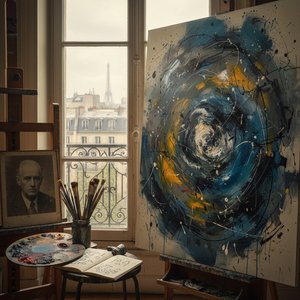
Antoine Blanchard (Marcel Masson): Parisian Abstraction & the Legacy of Automatism
Explore the captivating world of Antoine Blanchard (Marcel Masson) and his nostalgic Parisian scenes. Discover his artistic influences, unique style, and the challenges of authentication. Expert insights & art appraisal information.

Unveiling the Mystery: The Top 25 Surrealist Masterpieces by René Magritte
Explore 25 iconic René Magritte masterpieces of Surrealism. Discover museum-quality art on OriginalUniqueArt.com.

25 Masterpieces by Amedeo Modigliani: The Soul of Modern Portraiture
Immerse yourself in the haunting beauty of Amedeo Modigliani. Explore 25 iconic masterpieces, from his soulful portraits to expressive nudes. Find inspiration for your collection with museum-quality art reproductions and curated decor ideas. Discover all masterpieces on OriginalUniqueArt.com.

25 Masterpieces by Édouard Manet: The Rebel Who Redefined Modern Art
Journey through the rebellious soul of French Impressionism with our curated list of Édouard Manet's top 25 masterpieces. From iconic scandals to modern Parisian scenes, explore the stories behind these timeless works and find museum-quality art reproductions. Discover all on OriginalUniqueArt.com.