

 Önizle
 Gönder
 Paylaş
 Detaylar
 Rehber

 Dosyayı İndir
 Benzerleri
 X-Işını
 Slayt Gösterisi
 İstatistikler
Painting


 Devamını Oku
Giclée / Sanat Baskısı
Hızlı üretim ve esnek bitiş seçenekleriyle müze kalitesinde giclée veya kanvas baskı. ( El Yapımı Tablo Satın Al Dijital Görsel Satışına Geç)




































Eserin orijinal oranlarıyla uyumlu, önceden belirlenmiş boyutlarımız arasından seçim yapın.

Belirli bir çerçeveye veya alana uyması için kendi ölçülerinizi girebilirsiniz. Seçtiğiniz boyut orijinal görüntünün oranlarıyla eşleşmiyorsa, sanat eserini kırpacağız veya görüntüyü aynalanmış ya da düz dolgulu bir kenarlıkla genişleteceğiz. Üretim başlamadan önce onayınız için bir dijital taslak gönderilecektir.
Lütfen ekrandaki önizlemenin gerçek kırpma veya genişletmeyi yansıtmadığını unutmayın. Nihai kompozisyonu yalnızca taslak doğru bir şekilde gösterecektir.
Özel boyutlar mevcut olsa da, orijinal oranları korumak için önceden tanımlanmış listeden bir boyut seçmenizi öneririz.
Dünya Çapında Teslimat (); standart 4/5 hafta yerine 2 haftada. (26 Eylül)

Dünya Çapında Ücretsiz Ekspres Kargo

Yüksek Kaliteli Keten Tuval

Tam Nakliye Sigortası

Gümrük Vergisi İadesi Garantisi

Gerçek Renk Uyumu Garantisi

100 Günlük İade Koşulları (Sadece Üretim Hatalı Ürünler İçin)

%100 Para İade Garantisi

Toplu Alım Avantajı
 Cam seçeneği yalnızca 110 cm altındaki boyutlar için mevcuttur.

Painting
Giclée / Sanat Baskısı
Baskı Boyutu
-


Toplam Fiyat
$ 80
Sanatçı Biyografisi
A Life Interrupted: The Poignant Art of Abraham Weinbaum
Abraham (also known as Albert) Weinbaum’s story is one etched in both artistic promise and profound tragedy, a testament to the vibrant cultural life tragically extinguished by the horrors of World War II. Born in 1890 in Kamianets-Podilskyi, Ukraine, his early life hinted at a sensitivity that would blossom into a compelling artistic voice. Though born into a family with roots in the textile industry, Weinbaum felt drawn to a more expressive path, beginning his formal training in Odessa before relocating to Kraków. It was in Kraków that he forged friendships with fellow artists like Joseph Leski, and began to absorb influences that would shape his early style. He then moved to Paris in 1910, seeking the heart of the modern art world and a deeper connection with artistic innovation.Parisian Flourishing and Artistic Development
The École de Paris welcomed Weinbaum with open arms, becoming a crucial period in his development. He quickly integrated into the Parisian Salon system, exhibiting regularly alongside other emerging talents. His work during this time reflects a blend of realism and burgeoning modernism, often depicting intimate portraits, evocative cityscapes, and tender still lifes. However, it was his exploration of Jewish life – scenes from everyday existence, biblical narratives rendered with emotional depth – that began to define his unique artistic signature. Weinbaum wasn’t merely *representing* his heritage; he was imbuing it with a personal sensibility, capturing the spirit and struggles of a community on the cusp of immense change. His participation in exhibitions like the 1922 International Exhibition in Düsseldorf further solidified his reputation, and his paintings found favor with collectors, including acquisitions by the Belgian State. This period represents not just artistic growth but also a growing recognition of Weinbaum’s ability to connect with audiences through emotionally resonant imagery.Themes of Identity and a Looming Shadow
Weinbaum's art consistently returned to themes of Jewish identity, reflecting both pride in his cultural roots and an awareness of the rising antisemitism that permeated Europe. His paintings weren’t grand historical statements but rather intimate glimpses into daily life – families gathered around tables, figures engaged in quiet contemplation, scenes from religious traditions. These works possess a poignant quality, imbued with a sense of warmth and humanity that makes them particularly affecting today. As the political climate darkened in the late 1930s and early 1940s, this focus on Jewish life took on an increasingly urgent tone. In 1940, Weinbaum fled Paris with his wife and daughter, seeking refuge in Marseille, hoping to escape the Nazi occupation. This move, however, proved tragically insufficient.Deportation and Loss: A Legacy Silenced
The arrest of Abraham Weinbaum and his family on January 22, 1943, marked a devastating turning point. Interned at Compiègne before being transferred to Drancy, they were ultimately deported on convoy number 52 on March 23, 1943, destined for the Sobibor extermination camp. There, their lives – and Weinbaum’s artistic journey – were brutally cut short. The loss of such a promising talent represents an immeasurable tragedy for the art world. While his body of work isn't extensive, it stands as a powerful testament to the vibrant Jewish culture that was so violently suppressed during the Holocaust.Historical Significance and Enduring Impact
Abraham Weinbaum’s artwork is significant not only for its artistic merit but also for what it represents: a poignant record of a life and community tragically lost. His paintings offer a glimpse into the everyday lives of European Jews on the eve of unimaginable horror, imbued with a sense of warmth, humanity, and cultural pride. Today, his work serves as a powerful reminder of the importance of remembering the victims of the Holocaust and preserving their stories for future generations. He is remembered among the artists of Montparnasse, a testament to the enduring power of art to bear witness and offer solace in the face of unspeakable tragedy. His legacy continues to inspire reflection on themes of identity, loss, and the importance of artistic expression as a form of resistance and remembrance.
abraham weinbaum
1890 - 1943 , Ukraine
Kısa Bilgiler
- Artistic Movement Or Style: École de Paris
- Artists Who Influenced This Artist: ['Joseph Pankiewicz']
- Date Of Birth: 1890
- Date Of Death: 1943
- Full Name: Abraham Weinbaum
- Nationality: Polish
- Notable Artworks: ['Jewish Painter life']
- Place Of Birth: Kamianets-Podilskyi, Ukraine
İlgili Yazılar

Işıktan Ötesi ve Renklerin Derinliği: İzlenimcilik ve Post-İzlenimcilik Sanat Koleksiyoneri İçin Bir Rehber
İzlenimcilik ve Post-İzlenimcilik sanatını keşfedin! Koleksiyoncular için rehber, önemli ressamlar, yatırım ipuçları ve OriginalUniqueArt'ın uzman hizmetleri ile evinizi şaheserlerle donatın.

Beyond Impressionism: Exploring the Emotional Depth of Post-Impressionist Painting
Explore the profound emotional depth & innovative techniques of Post-Impressionism with OriginalUniqueArt. Discover Cézanne, Van Gogh, Gauguin & more – and their lasting impact on modern art.

Post-Empresyonizmin İzinden: Sanat Tarihini Şekillendiren 10 Başyapıt
Post-Empresyonizmin en etkileyici 10 başyapıtını keşfedin! Van Gogh, Gauguin ve daha fazlasının eserleriyle sanat tarihine yolculuk yapın. OriginalUniqueArt.com'da yüksek kaliteli tablo reproduksiyonları ve benzersiz dekorasyon fikirleri sizi bekliyor. Sanat dolu bir yaşam için şimdi inceleyin!
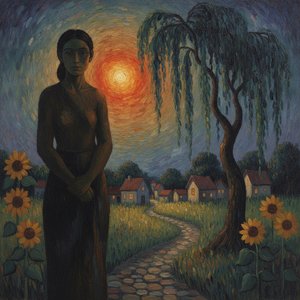
Beyond the Light: Discovering the Soul and Emotional Depth of Post-Impressionism
Embark on a cultural journey through Post-Impressionism. Discover the profound emotional depth of masters like Van Gogh and Cézanne, exploring how they moved beyond light to capture the very soul of human experience through vibrant color and symbolic form.

Impressionism vs. Post-Impressionism: A Masterclass in the Revolution of Light, Color, and Emotion
Master the nuances of Impressionism vs. Post-Impressionism with our expert guide. Explore the revolutionary shift from Monet’s fleeting light to Van Gogh’s emotional depth. Discover how these iconic movements continue to inspire fine art collectors and modern interiors today.