
 Önizle
 Gönder
 Paylaş
 Detaylar
 Rehber

 Dosyayı İndir
 Benzerleri
 X-Işını
 Slayt Gösterisi
 İstatistikler
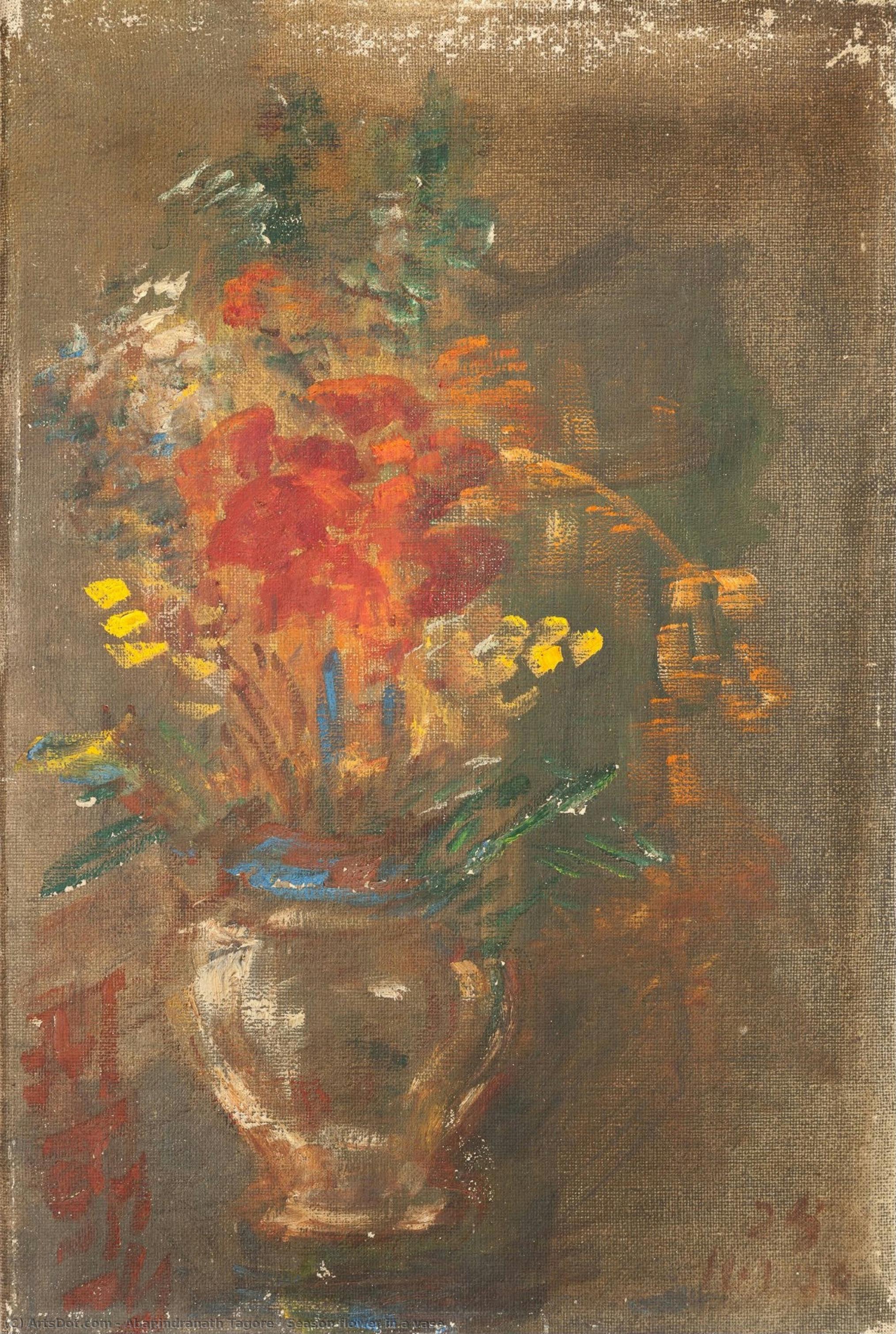
Season flower in a vase


 Devamını Oku
El Yapımı Yağlı Boya Reproduksiyon
Sanatçılarımız tarafından sipariş üzerine hazırlanan; istediğiniz boyut ve çerçevede, tuval üzerine el boyaması yağlı boya. ( Baskı Satışına Geç Dijital Görsel Satışına Geç)




P118B $10

P118H $10

P118W $10

P438Z $10

P508JH $12

P508YH $12

P805H $10

P805Z $10

P919BZ $10

P919G $10

P919XJ $10

P959ZH $10

P968JZ $12

W106C $8

W218G $10

W218JH $8

W218Y $10

W307PJ $10

W316G $10

W316PJ $8

W316Y $10

W398PJ $8

W4111J $10

W500HY $15

W500JH $15

W692G $12

W849H $8

W940BG $15

W953PJ $8




Eserin orijinal oranlarıyla uyumlu, önceden belirlenmiş boyutlarımız arasından seçim yapın.

Belirli bir çerçeveye veya alana uyması için kendi boyutlarınızı girebilirsiniz. Seçtiğiniz boyut orijinal görüntünün oranlarıyla eşleşmiyorsa, sanat eserini kırparak veya ek el boyaması öğelerle resmi uzatarak ayarlayacağız. Üretim başlamadan önce onayınız için dijital bir taslak gönderilecektir.
Lütfen ekrandaki önizlemenin gerçek kırpmayı veya uzatmayı yansıtmadığını unutmayın. Nihai kompozisyonu yalnızca hazırlanan taslak doğru şekilde gösterecektir.
Özel boyutlar mevcut olsa da, orijinal oranları korumak adına önceden tanımlanmış listeden bir boyut seçmenizi öneririz.
Siparişten sonra, OriginalUniqueArt.com ekibi talimatlar için müşteriye e-posta gönderecek ve bir taslak önizleme sunacaktır
Dünya Çapında Teslimat (); standart 5 hafta yerine 3/4 haftada. (25 Eylül). Kaliteden ödün verilmez.

Dünya Çapında Ücretsiz Ekspres Kargo

Yüksek Kaliteli Keten Tuval

Tam Nakliye Sigortası

Gümrük Vergisi İadesi Garantisi

Gerçek Renk Uyumu Garantisi

100 Günlük İade Koşulları (Sadece Üretim Hatalı Ürünler İçin)

%100 Para İade Garantisi

Toplu Alım Avantajı
 Cam seçeneği yalnızca 110 cm altındaki boyutlar için mevcuttur.

Season flower in a vase
Baskı Tekniği
Baskı Boyutu
-


Toplam Fiyat
$ 300
A Moment of Tranquil Beauty: Exploring the Essence of “Season Flower in a Vase”
Abanindranath Tagore’s “Season Flower in a Vase,” painted circa 1938, isn't merely a still life; it’s a carefully constructed meditation on beauty, tradition, and the delicate balance between East and West. Within its serene composition lies a profound reflection of Tagore’s artistic philosophy – a deliberate rejection of Western academic art while simultaneously embracing elements of Japanese aesthetics and drawing upon the rich visual vocabulary of Mughal and Rajput painting. The painting immediately evokes a sense of quiet contemplation, inviting the viewer into a space of understated elegance and poignant nostalgia.
The scene unfolds within a simple, white vase – a deliberate choice that anchors the composition and directs our attention to the vibrant blooms nestled within. These aren’t simply flowers; they are symbols deeply rooted in Indian tradition. The prominent red blossoms, likely roses or peonies, represent passion and vitality, while the delicate yellow ones suggest joy and enlightenment. Greenery, meticulously arranged, speaks of growth, renewal, and connection to nature – a core value central to Tagore's artistic vision. Notice how each element is rendered with a restrained hand, avoiding excessive detail and prioritizing suggestion over explicit representation.
The Bengal School’s Synthesis: A Bridge Between Worlds
Tagore was a pivotal figure in the establishment of the Bengal School of Art, a movement that sought to redefine Indian art after decades of Western influence. Rejecting the rigid formalism of European painting, he and his contemporaries drew inspiration from India's own artistic heritage – the intricate patterns of Mughal miniatures, the bold colors and dynamic compositions of Rajput paintings, and the spiritual symbolism of ancient Buddhist art. “Season Flower in a Vase” exemplifies this synthesis perfectly. The brushwork is fluid and expressive, reminiscent of traditional Indian painting techniques, yet it’s imbued with a subtle Western sensibility regarding composition and color harmony.
The influence of Japanese aesthetics is particularly evident in the careful arrangement of the flowers and foliage – a concept known as *kacho* or “flower viewing” – which was highly valued in Japan. The asymmetrical balance, the use of negative space, and the emphasis on capturing the essence of each element rather than its literal depiction all reflect this profound influence. Tagore’s journey to China and his subsequent study of Chinese calligraphy further enriched his artistic vocabulary, adding layers of symbolism and visual poetry to his work.
Symbolism and Emotional Resonance
Beyond its aesthetic qualities, “Season Flower in a Vase” carries a deeper symbolic weight. The painting can be interpreted as an allegory for the fleeting nature of beauty and life itself. The vibrant colors and delicate forms represent the ephemeral joys of existence, while the vase serves as a reminder of our mortality – a vessel holding precious moments that are destined to fade away. Tagore’s deliberate use of muted tones and subtle gradations of color contributes to this sense of melancholy and introspection.
Furthermore, the painting speaks to a longing for a return to traditional values and a rejection of Western materialism. Tagore's embrace of *Swadeshi* – a movement promoting Indian self-reliance – is palpable in his work. “Season Flower in a Vase” isn’t just a beautiful image; it’s a powerful statement about the importance of preserving India’s cultural heritage and finding beauty within its own traditions. It invites us to pause, reflect, and appreciate the simple pleasures of life—a timeless message rendered with exquisite artistry.
Sanatçı Biyografisi
Erken Yaşam ve Arka Plan
- Doğum: 7 Mayıs 1861, Joransanko, Kalküta, Britanya Hindistanı
- Ölüm: 5 Aralık 1951
- Aile: Seçkin Tagore ailesinin bir üyesi; Rabindranath Tagore'un yeğenidir. Büyükbabası Girindranath Tagore, babası ise Gunendranath Tagore idi.
- Eğitim: 1880'lerde Kolkata'daki Sanskrit College'da eğitim gördü ve daha sonra Calcutta Sanat Okulu'na katıldı.
Sanatsal Gelişim ve Etkiler
- İlk Eğitim: Calcutta Sanat Okulu'nda O. Ghilardi'den pastel, Charles Palmer'dan ise yağlı boya tekniklerini öğrendi. <
- Mughal ve Rajput Stilleri: Batılı sanat modellerini reddederek bu geleneksel stilleri modernize etmeye çalıştı.
- Swadeshi Değerleri: Hint geleneklerini teşvik ederek Swadeshi değerlerini sanatına dahil etti.
- Whistler'ın Estetizmi: Whistler'ın estetik ilkelerinden etkilendi.
- Japon Etkisi: Sanatçılar Tikan ve Hesida ile tanıştıktan sonra, Çin ve Japon kaligrafi geleneklerini tarzına kattı.
Başlıca Eserler ve Sanatsal Katkılar
- Rohini II: Sanatsal becerisini sergileyen dikkate değer bir eser.
- Passing of Shajahan (Şah Cihan'ın Ölümü): Kendi üslubunu yansıtan bir diğer önemli tablo.
- Season Flower in a Vase (Vazoda Mevsim Çiçeği):
Teknik ve konu üzerindeki ustalığını kanıtlayan bir çalışma. - <Arabian Nights Serisi (1930): Sömürge dönemi Kalküta'sını keşfetmek için Binbir Gece masallarını kullandığı, en büyük başarılarından biri olarak kabul edilir.
- Bharat Mata: Hindistan Ana figürünü simgeleyen çok önemli bir tablo.
- Bengal Sanat Okulu'nun Kurucusu: Modern Hint resminin şekillenmesinde ve milliyetçi sanatın teşvik edilmesinde kilit bir rol oynadı.
- <Indian Society of Oriental Art (1907): Geleneksel Hint sanat formlarını tanıtmak amacıyla bu cemiyeti kurdu.
Miras ve Tarihi Önem
- Modern Hint Resminin Öncüsü: Modern Hint sanatının gelişiminde kilit bir figür olarak tanınır.
- Sonraki Sanatçılar Üzerindeki Etkisi: Nandalal Bose, Asit Halder, Kshitindranath Majumdar ve Jamini Roy gibi önemli sanatçılara mentorluk yaptı.
- <Geleneksel Sanat Formlarının Yeniden Canlandırılması: Geleneksel Hint tekniklerine ve stillerine dönüşü savundu.
- <Bengal Çocuk Edebiyatı Üzerindeki Etkisi: Rajkahini, Budo Angla, Nalak ve Khirer Putul gibi etkileyici çocuk kitapları yazdı.
- <Ulusal Sanat Hazineleri: Eserleri Ulusal Sanat Hazinesi olarak kabul edilmektedir.

Abanindranath Tagore
1871 - 1951 , Hindistan
Kısa Bilgiler
- Artistic Movement Or Style: Bengal Sanat Okulu
- Artists Or Movements Influenced By This Artist:
- Nandalal Bose
- Kshitindranath Majumdar
- Jamini Roy
- Artists Who Influenced This Artist:
- Whistler
- Babür sanatçıları
- Rajput sanatçıları
- Date Of Birth: 7 Mayıs 1871
- Date Of Death: 5 Aralık 1951
- Full Name: Abanindranath Tagore
- Nationality: Hint
- Notable Artworks:
- Rohini II
- Şah Cihan'ın Ölümü
- Vazoda Mevsim Çiçeği
- Place Of Birth: Jorasanko, Hindistan
İlgili Yazılar

The Sublime Landscape: Exploring the Hudson River School Movement
Explore the captivating world of the Hudson River School! Discover the history, artists, and defining characteristics of this iconic American art movement. Learn about Romanticism's influence & find inspiration for your collection.

The Hague School: Realism, Atmosphere & the Dawn of Dutch Impressionism
Explore the Hague School's pivotal role in Dutch art history. Discover realism, atmospheric landscapes & its influence on Impressionism. Learn about key artists like Mauve & Maris with OriginalUniqueArt.

Raja Ravi Varma: Bridging Tradition & Modernity in 19th-Century Indian Art
Explore the life & art of Raja Ravi Varma, a pioneer who fused European techniques with Indian iconography. Discover his iconic paintings, lasting legacy, and influence on modern Indian art at OriginalUniqueArt.

Hudson River Okulu'nun 10 Başyapıtı: Sanat ve Ev Dekorasyonunda Rönesans
Hudson River Okulu'nun 10 başyapıtıyla Amerikan sanatının büyülü dünyasına yolculuk edin! Thomas Cole, Frederic Church ve daha fazlası... Sanat eserlerinin hikayelerini keşfedin ve evinizi OriginalUniqueArt.com'un benzersiz koleksiyonuyla güzelleştirin.

The Barbizon School: A Professional Guide to Naturalism and Landscape Mastery for Interior Designers
Explore the Barbizon School's mastery of naturalism. An expert guide for hotel designers and procurement managers on sourcing high-quality landscape reproductions to elevate hospitality and corporate interiors with authentic, large-scale fine art solutions.
