


A Chronicle of Wonders: Unveiling the Ashmolean Museum’s Enduring Legacy
Nestled within the venerable walls of Oxford University, the Ashmolean Museum isn't merely a collection of artifacts; it’s a vibrant testament to human curiosity and artistic expression spanning nearly six million years. Founded in 1678 by the eccentric antiquarian Elias Ashmole – a man driven by an insatiable thirst for the world’s treasures – the museum began as his personal cabinet of curiosities, a dazzling assemblage of Roman coins, Egyptian mummies, and medieval armor. This initial impulse to gather the extraordinary has blossomed into one of Britain's oldest and most distinguished public museums, a place where the echoes of ancient civilizations mingle with the brilliance of Renaissance masters and the provocative energy of contemporary art. The Ashmolean’s story is inextricably linked to Oxford itself, evolving from a modest room on Broad Street to its magnificent current form – a harmonious blend of Victorian grandeur and modern innovation.
The heart of the Ashmolean undoubtedly lies in its unparalleled Egyptian collection. Imagine stepping back through millennia as you encounter breathtaking sarcophagi adorned with intricate hieroglyphs, each symbol whispering tales of pharaohs and gods. Vibrant tomb paintings offer glimpses into daily life and elaborate funerary rituals – a window into the beliefs and practices of this ancient civilization. Beyond these monumental pieces, the museum’s holdings reveal the profound humanity of everyday Egyptians: tools, jewelry, and pottery that speak to their ingenuity and artistry. Equally captivating is the museum's exploration of Near Eastern art, showcasing monumental Assyrian reliefs depicting royal processions and epic battles alongside delicate Babylonian cylinder seals bearing intricate narratives of mythology and administration. These objects transport visitors to the heart of empires that shaped the course of human history, reminding us of the interconnectedness of cultures across vast distances and time.
Renaissance Reforged: A Celebration of Light and Detail
Venturing beyond antiquity, the Ashmolean boasts a remarkable collection of European art spanning the Middle Ages through the present day. The 17th-century Dutch and Flemish paintings are particularly celebrated, with masterpieces by Frans Hals and Jan van Eyck illuminating the meticulous detail and vibrant colors characteristic of the Renaissance. These artists weren’t simply depicting scenes; they were dissecting light and shadow, capturing textures with astonishing precision – a testament to their scientific observation blended with humanist aesthetics. The Daisy Linda Ward Collection of still life paintings stands as a particularly poignant example of this artistic movement's fascination with the natural world, offering a captivating exploration of light, shadow, and texture. The Pre-Raphaelite Gallery is another highlight, showcasing the revolutionary vision of artists like Dante Gabriel Rossetti, William Holman Hunt, and John Everett Millais who sought to recapture the beauty and spiritual depth of earlier artistic traditions – rejecting the conventions of their time in favor of a return to medieval symbolism and romanticism. Their works are imbued with a sense of longing and an intense emotionality that continues to resonate today.
Architectural Harmony: A Dialogue Between Eras
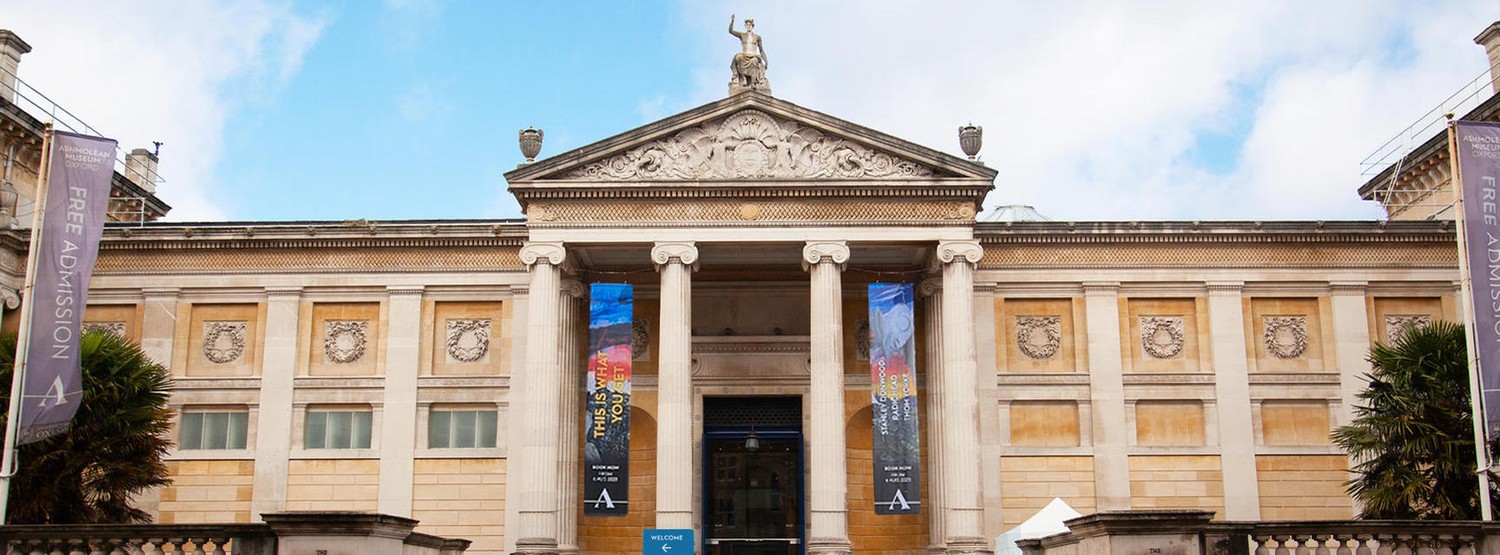
The Ashmolean’s physical space is as compelling as its collection, a testament to thoughtful design and historical preservation. The original structure, completed between 1841 and 1845 under the direction of Charles Cockerell, embodies the architectural sensibilities of the Victorian era – a grand Neo-Classical façade with imposing columns and symmetrical proportions that immediately evoke a sense of scholarly tradition. This deliberate choice reflected the museum’s mission to foster intellectual pursuits. However, the building's story takes an even more remarkable turn with the addition of the contemporary extension, designed by Rick Mather Architects. This striking structure, seamlessly integrated into the historic fabric, introduces a lightness and transparency that contrasts beautifully with the solidity of the original – a masterful demonstration of how modern design can honor architectural heritage. The Taylor Institution, housed within a wing of the building, adds another layer of architectural interest, showcasing Oxford’s commitment to scholarship and learning. The careful juxtaposition of these elements—ancient stone meeting modern design—creates an atmosphere of intellectual curiosity and artistic delight, making a visit to the Ashmolean a truly immersive experience.
A Living Museum: Innovation and Community Engagement
Charles Drury Edward Fortnum played a pivotal role in shaping the museum’s identity in the late 19th century, transforming it from a somewhat haphazard collection into a carefully curated institution. His dedication to acquiring significant works and establishing clear organizational principles laid the groundwork for the Ashmolean's success – a visionary undertaking that cemented its place as Britain’s premier art museum. More recently, the museum has embraced contemporary art, hosting exhibitions by renowned artists such as Rachel Whiteread and showcasing innovative installations that challenge traditional notions of what a museum can be—demonstrating an unwavering commitment to engaging audiences with cutting-edge artistic perspectives. The recent University Engagement Programme has further strengthened ties between the museum and the university, fostering collaboration and enriching the learning experience for students and scholars alike – a partnership reflecting Oxford’s enduring tradition of intellectual exchange. The Ashmolean is not simply a repository of the past; it's a dynamic space where art continues to inspire and challenge us all.
Treasures in Focus: Recent Highlights & Ongoing Exploration
Currently, “Stanley Donwood | Radiohead | Thom Yorke” offers a unique perspective on visual art through the lens of iconic music imagery—a thought-provoking exploration that underscores the universality of artistic expression. The museum’s collection continues to evolve, with ongoing research and acquisitions ensuring its relevance for generations to come. Works like Robert Braithwaite Martineau's "Girl with a Hoop" (1868), a charming Pre-Raphaelite portrait capturing Victorian innocence, and Adrian Maurice Daintrey’s “Portrait of a Woman” (1927) exemplify the museum’s commitment to showcasing both established masterpieces and emerging talent. Robert Collinson's "Ordered on Foreign Service" (1863), depicting an abduction at sea, offers a dramatic glimpse into Romantic painting. The Ashmolean Museum remains a vibrant hub of discovery, inviting visitors to embark on a journey through time and across cultures – a place where the past comes alive and the future of art unfolds.





