

 Visa i rummet
 Skicka
 Dela
Dela
 Detaljer
 Studentguide för konstverk

 Ladda ner
 Liknande objekt
 Röntgen
 Bildspel
 Besökstatistik
St Agnes
 Tempera On Panel
- Early Renaissance
 1448
1448- Renaissance
 63.0 x 47.0 cm
 Convento di San Marco
 Läs mer
Köp en högupplöst, förbättrad digital bild med betydligt högre kvalitet än förhandsvisningen online.
Varje fil är noggrant förberedd av våra interna specialister med hjälp av avancerade verktyg och professionell manuell retuschering. Vi säkerställer att varje bild har exceptionell skärpa, exakt färgåtergivning och fina detaljer.
Den slutgiltiga filen levereras via e-post inom 72 timmar, optimerad för omedelbar användning i professionella sammanhang, redaktionellt bruk och tryckmiljöer. Detta är samma kvalitet som med förtroende används av ledande designstudior, förlag och gallerier.
Digital bild
Ladda ner en högupplöst fil för personlig visning, utskrift och kreativa projekt. ( Byt till tryckta exemplar Köp handmålat konstverk)
Ingår i varje beställning av digital bild
Professionell digital leverans, garanterad
När du väljer OriginalUniqueArt.com får du inte bara en bild – du får ett professionellt förädlat digitalt konstverk, skapat med precision och med en garanterad tillfredsställelse. Här är allt som ingår i din beställning, automatiskt:

Snabb leverans via e-post
Din högupplösta digitala bild skickas till dig via e-post inom 72 timmar efter beställning – redo för omedelbar användning.

AI-förbättrad digital fil
Ditt konstverk optimeras professionellt med hjälp av avancerade AI-verktyg och manuell redigering, vilket garanterar maximal detaljrikedom, skärpa och färgnoggrannhet.

Gratis livstidsåterutskick
Har du råkat radera eller tappa bort din fil? Ingen oro – vi skickar den kostnadsfritt till dig när som helst.

Inga importavgifter – någonsin
Njut av ditt konstverk omedelbart utan tull, importavgifter eller leveranskostnader – digitala nedladdningar är alltid skattefria.

Garanterad färgåtergivning
Vi säkerställer att din digitala bild återger de ursprungliga färgerna så exakt som möjligt med hjälp av professionella verktyg och färghantering.

100 dagars nöjdhetsgaranti
Om du inte är nöjd med din digitala bild kommer vi att revidera den eller återbetala 100% inom 100 dagar – utan frågor.

100% pengarna-tillbaka-garanti
Inte nöjd? Få full återbetalning inom 100 dagar efter att du mottagit din digitala fil – utan frågor.

Rabatt vid storköp
Köp 3 bilder, spara 10% – Köp 5, spara 15% – Köp 10+, spara 20%. Perfekt för kreativa projekt, gallerier och byråer.
Zanobi Strozzi’s ‘St Agnes’: A Florentine Echo of Devotion
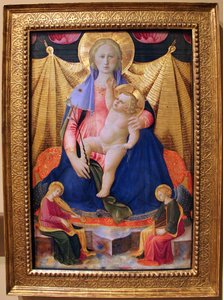
The tempera panel painting, “St Agnes,” attributed to Zanobi Strozzi and completed in 1448, is more than simply a depiction of a saint; it's a meticulously crafted window into the artistic sensibilities of early Renaissance Florence. Measuring just 63 x 47 cm, this work housed within the Museo di San Marco possesses an intimate quality that draws the viewer into its serene and profoundly devotional world. Strozzi, a pupil of the celebrated Fra Angelico, established himself as a master of detail and color, creating works imbued with a quiet spirituality that resonated deeply during his time.
- Subject & Narrative: The painting portrays Saint Agnes, martyred for her refusal to succumb to pagan temptations. The narrative is conveyed through the saint’s posture – dignified yet vulnerable – and the surrounding symbolic elements.
- Technique - Tempera on Panel: Strozzi's masterful use of tempera paint on a wooden panel creates a remarkable depth and luminosity. This technique, favored for its durability and ability to achieve rich colors, is evident in the subtle gradations of tone and the meticulous rendering of textures – from the folds of Agnes’ cloak to the intricate patterns adorning her surroundings.
A Symphony of Color and Decorative Detail
The visual impact of “St Agnes” stems largely from Strozzi's bold use of color and his extraordinary attention to decorative detail. Predominantly employing shades of blue, red, and gold – colors deeply associated with piety and royalty in the late medieval period – he constructs a complex tapestry of patterns that frame the central figure. Swirls, floral motifs, and other decorative elements aren’t merely ornamental; they serve as a visual language, amplifying the saint's solemnity and invoking a sense of heavenly grace. The background isn’t a simple backdrop but an active participant in the narrative, contributing to the overall atmosphere of reverence.
Historical Context & Artistic Influences
Created during a period of immense artistic innovation in Florence – a time when artists were rediscovering classical ideals while simultaneously developing their own unique styles – “St Agnes” reflects the evolving aesthetic sensibilities of the era. Strozzi’s close association with Fra Angelico undoubtedly influenced his approach, sharing a commitment to clarity, emotional intensity, and a profound sense of spirituality. The painting's style aligns perfectly with the artistic trends of the Florentine Renaissance, showcasing a sophisticated understanding of perspective and proportion, albeit within the constraints of the tempera medium.
Symbolism & Emotional Resonance
Beyond its technical brilliance, “St Agnes” is rich in symbolism. The red cloak, traditionally associated with sacrifice and martyrdom, underscores the saint’s tragic fate. The serene expression on her face conveys a sense of acceptance and unwavering faith. The overall effect is one of profound contemplation – an invitation to reflect on themes of devotion, courage, and ultimately, redemption. This painting continues to resonate with viewers today, offering a tangible connection to the artistic and spiritual values of Renaissance Florence.
Frågor och svar
Var kan jag köpa en digital bild av "St Agnes" av Zanobi Strozzi?
"St Agnes" finns tillgänglig som en högupplöst digital bildnedladdning, vilket kan köpas direkt på dess Digital bild-sida.
Vilket tryckformat rekommenderas för "St Agnes" av Zanobi Strozzi?
Ett tryck av "St Agnes" av Zanobi Strozzi rekommenderas i storleken Medium med Portrait orientering.
Hur är färgkompositionen i "St Agnes" av Zanobi Strozzi uppbyggd?
Färgkompositionen i "St Agnes" av Zanobi Strozzi förenar en Statement kontrast med en Balanced Harmony harmoni.
Konstnärsbiografi
Den florentinska visionären: Zanobi Strozzi – liv och arv
Under den florentinska renässansens guldålder, en tid då ljus och skugga började dansa med en nyfunnen humanistisk djupdimension, framträdde namnet Zanobi Strozzi som en livsviktig tråd i stadens konstnärliga väv. Zanobi föddes 1412 in i den illustra Strozzi-familjen, och hans tidiga liv formades av de djupgående politiska skiftena i Florens. Trots att hans härkomst knöt honom till adeln, drev faderns förtidiga död – när Zanobi bara var femton år gammal – honom mot en annan sorts öde. Denna period av personlig förlust ledde honom in i den förvandlande omfamningen av en lärlingsutbildning under Battista di Biagio Sanguigni, ett mentorskap som slutligen skulle förfina hans hand och ingjuta den tekniska precision som krävdes för att bemästra den delikata konsten med manuskriptillumination och panelmåleri.
Strozzis konstnärliga utveckling var djupt sammanflätad med sin tids andliga och estetiska strömningar. Hans mest betydelsefulla koppling var dock relationen till den vördade Fra Angelico. Som elev inom denna inflytelserika krets nöjde sig Strozzi inte med att bara efterlikna mästaren; han absorberade en djup känsla av hängivenhet och ett lysande förhållningssätt till färg som skulle bli kännetecken för hans egen stil. Detta samspel möjliggjorde en vacker stilistisk konvergens, där det eteriska, gudomliga ljuset som var karakteristiskt för Fra Angelico mötte Strozzi noggranna öga för detaljer. Hans verk överbryggade ofta klyftan mellan de intima, miniatyriserade världarna i illuminerade manuskript och den storslagna, känslosamma närvaron i religiösa altartavlor.
Mästerskap i detalj och andlig skönhet
Omfånget av Strozzis talang blir som tydligast i hans förmåga att navigera mellan olika medier med lika stor elegans. Han var en mästret av tempera på panel, ett medium som krävde enormt tålamod och en stadig hand för att uppnå de vibrerande, juvellika toner som syns i hans religiösa verk. Hans repertoar inkluderade flera betydelsefulla altartavlor och gripande skildringar av Jungfrun och barnet, stycken utformade för att väcka djup andlig reflektion hos betraktaren. I dessa verk använde Strozzi den florentinska tidiga renässansstilen för att väva samman berättelser om tro, där mjuka övergångar och intrikata mönster gav liv åt de heliga gestalterna.
Utöver de större panelerna uppnådde Strozzi legendarisk status genom sina bidrag till manuskriptillumination. Hans förmåga att bemästra små ytor gjorde det möjligt för honom att skapa miniatyrvärldar av en svindlande komplexitet. Några av hans mest framstående konstnärliga prestationer inkluderar:
- Sankt Cosmas och Damian räddade från drunkningsdöden: Ett mästerverk från 1435 som fångar ett gripande ögonblick av gudomligt ingripande, och som visar hans skicklighet i att skildra gemensam tro och dramatisk rörelse.
- Sankta Agnes: Skapad 1448, detta verk exemplifierar hans förmåga att framställa fridfulla profilporträtt mot bakgrund av virvlande, dekorativa mönster som lyfter fram periodens elegans.
- Tideboken för användning i Rom: Ett bevis på hans skicklighet som illuminatör, där varje folio fungerar som ett fönster in i det noggranna hantverket i det florentinska skriptoriet.
Ett bestående avtryck på renässansen
Zanobi Strozzis historiska betydelse ligger i hans roll som en bro mellan den medeltida traditionen av dekorativ illumination och renässansens framväxande fokus på mänsklig känsla och naturalism. Även om mycket av hans arbete var avsett för privat andakt inom Florens storslagna residens, spreds hans inflytande genom stadens verkstäder. Han hjälpte till att sprida en specifik form av florentinsk skönhet – en som var både intellektuellt rigorös och känslomässigt tillgänglig. Genom hans händer framställdes helgonens och Jungfru Marias heliga berättelser med en klarhet och livfullhet som fångade själva essensen av Quattrocento-andan.
Trots att han gick bort 1468 och lämnade efter sig ett arv etsat i bladguld och tempera, förblir Strozzi en symbol för konstnärens förmåga att finna djup mening i det lilla. Hans liv, präglat av resan från en adlig föräldralös till en hyllad mästare, speglar Florens egen förvandling: en resa från det förflutnas strukturerade traditioner mot renässansens lysande, människocentrerade briljans.
Zanobi Strozzi
1412 - 1468 , Italien
Kortfattad info
- Artistic Movement Or Style: Tidig renässans
- Artists Or Movements Influenced By This Artist: ['Bysantinsk']
- Artists Who Influenced This Artist: ['Fra Angelico']
- Date Of Birth: 17 november 1412
- Date Of Death: 6 december 1468
- Full Name: Zanobi di Benedetto di Caroccio degli Strozzi
- Nationality: Italiensk renässans
- Notable Artworks:
- Sankta Agnes
- Tideboken för användning i Rom
- Bebådelsen
- Place Of Birth: Florens, Italien