
 Förhandsvisa
 Skicka
 Dela
Dela
 Visa detaljer
 Guide
Guide

 Ladda ner
 Liknande objekt
 Röntgen
 Bildspel
 Frågor och svar
 Statistik
Work

- 136.0 x 136.0 cm


 Visa mer
Konstverket som visas på denna sida skyddas av upphovsrättslagen, vilket innebär att vi inte lagligt kan skapa eller sälja en identisk reproduktion. Detta skydd upprätthålls genom internationella avtal såsom den Bernkonventionen och genom nationella lagar, inklusive de som fastställs av Amerikansk upphovsrättslag – Titel 17. Alla rättigheter förbehållna. Återgivning av konstverk är förbjuden utan skriftligt tillstånd från WahooArt.
Denna metod följer fullt ut upphovsrättsliga regler eftersom den inte innebär kopiering eller duplicering av det skyddade konstverket. Istället är det en kreativ nytolkning – en ny målning som är influerad av originalet men inte identisk med det.
Giclée / Konsttryck
Giclée- eller canvasprint av museumskvalitet med snabb produktion och flexibla ytbehandlingsalternativ. ( Beställ handmålad reproduktion Byt till digital bild)




































Välj bland våra förinställda storlekar som motsvarar konstverkets ursprungliga proportioner.

Ange den bredd och höjd du behöver för att passa din ram eller vägg. Ett tryck kan endast beskäras, aldrig göras större än originalbilden, vilket innebär att ett format med en annan proportion leder till att en del av bilden går förlorad. Vi skickar en digital mockup för godkännande innan vi påbörjar tryckningen. Bilden som visas på denna sida visar inte den faktiska beskärningen — det är endast mockuppen som gör det.
Leverans över hela världen () på 2 veckor istället för standard 4/5 veckor. (9 november)

Fri expressfrakt över hela världen

Högkvalitativ linnecanvas

Fullständig fraktförsäkring

Garantier för återbetalning av tullavgifter

Garantier för exakt färgåtergivning

100 dagars returrätt (endast vid fel)

100% pengarna tillbaka-garanti

Mängdrabatt erbjuds
 Glasalternativet är endast tillgängligt i storlekar under 110 cm.

Work
Giclée / Konsttryck
Storlek på reproduktion
-


Slutgiltigt pris
Skr 809
A Symphony of Geometry and Light
In the vast landscape of twentieth-century abstraction, few works capture the primal energy of form as vibrantly as this 1968 masterpiece by Yoo Youngkuk. At first glance, the viewer is met with a striking interplay of a crimson triangle and a radiant yellow orb, a composition that feels both ancient and avant-garde. The painting presents a dynamic, slightly curved triangular structure that anchors the canvas, its edges bleeding into warm orange hues that suggest the heat of a setting sun or the glow of an emerging dawn. At its heart lies a luminous yellow circle, acting as a celestial focal point that breathes life into the geometric rigor. This is not merely a study of shapes; it is a rhythmic dance of color where the weight of the red pigment meets the ethereal lightness of the yellow center, creating a visual tension that pulls the eye inward toward an infinite, glowing core.
The technique employed in this work reflects Yoo Youngkuk’s profound ability to distill the natural world into its most essential elements. While the subject matter appears purely abstract, there is a palpable sense of texture and depth achieved through the careful layering of pigments on canvas. The way the colors transition from deep reds to soft oranges suggests a painterly touch that softens the hard edges of the geometry, lending the piece an organic, breathing quality. For the discerning collector or interior designer, this work offers a sophisticated balance; its bold, primary-adjacent palette provides a powerful statement piece for modern minimalist settings, yet its soft, rounded contours allow it to integrate seamlessly into more eclectic, warm-toned environments. It serves as a window into a world where geometry is not cold or clinical, but rather a vessel for warmth and vitality.
To understand this painting is to understand the legacy of Yoo Youngkuk, a pioneer who sought to translate the rugged majesty of the Korean landscape into a universal language of abstraction. Born in Uljin, his connection to the mountains and the natural light of his homeland deeply informed his geometric explorations. In this 1968 piece, we see the culmination of a lifetime spent stripping away the superficial to reveal the structural soul of nature. The triangle becomes a mountain; the circle becomes the sun; the red becomes the earth’s heat. For those looking to adorn a space with art that evokes both intellectual depth and emotional resonance, this reproduction offers more than just decoration—it provides an invitation to contemplate the eternal harmony between form, color, and the natural spirit.
Frågor och svar
Vilket format har "Work" av Yoo Youngkuk?
Formatet för "Work" är Square. Detta är användbart när du planerar var en reproduktion ska placeras.
Var kan jag ladda ner "Work" av Yoo Youngkuk?
"Work" av Yoo Youngkuk kan laddas ner som en högupplöst digital bildnedladdning via verkets sida för Ladda ner digital bild.
Kan jag se "Work" som ett bildspel i helskärm?
Ett bildspel finns tillgängligt på sidan Bildspel för "Work" av Yoo Youngkuk.
Konstnärsbiografi
En pionjär inom koreansk abstraktion: Yoo Youngkuks liv och konst
Yoo Youngkuk, ett namn synonymt med den abstrakta konstens födelse i Korea, framträdde som en central gestalt under en period av enorm social och politisk omvälvning. Han föddes 1916 i kuststaden Uljin i Sydkorea, och hans konstnärliga resa präglades av en outtröttlig utforskning och en orubblig hängivenhet till att skapa ett nytt visuellt språk för en nation som kämpade med sin identitet och modernitet. Hans tidiga liv, djupt rotat i det koreanska landskapets naturliga skönhet – särskilt de majestätatiska bergen som skulle bli ett återkommande motiv under hela hans karriär – gav honom en djup koppling till naturen, en känsla som subtilt genomsyrade även hans mest geometriskt strikta kompositioner. Denna formativa erfarenhet lade grunden för en konstnärlig vision som inte bara strävade efter att representera den yttre världen, utan att destillera dess essens till ren form och färg. Yoos väg mot abstraktionen började med formell utbildning vid Bunka Gakuin University i Tokyo, där han tog examen från institutionen för oljemåleri 1938. Det var här han kom i kontakt med västerländska abstrakta rörelser och mötte banbrytande japanska konstnärer som Murai Masanari och Hasegawa Saburo, gestalter som djupt påverkade hans tidiga experimenterande och befäste hans engagemang för den icke-föreställande konsten.Att bana en ny väg: Sinsasil-pa och tidiga experiment
När Yoo återvände till Korea 1943, mitt under andra världskrigets turbulens, mötte han betydande utmaningar i sitt sökande efter en konstnärlig vision. Krigsåren präglades av nöd och avbrott, vilket tvingade honom att försörja sig på olika sätt samtidigt som han upprätthöll sin orubbliga tro på konsten. Men med Koreas befrielse och det efterföljande etablerandet av Republiken Korea, grydde en ny era för nationens konstnärliga gemenskap. År 1948 gick Yoo Youngkuk samman med Kim Whanki och Lee Kyusang för att bilda Sinsasil-pa (New Realism Group), ett avgörande ögonblick i koreansk konsthistoria. Detta avantgardistiska kollektiv representerade det första organiserade försöket att bryta sig loss från traditionella föreställande stilar och omfamna ett modernt abstrakt uttryck. Gruppens manifest krävde en konst som speglade verkligheten i det efterkrigstida Korea, men tolkad genom en abstrakt lins – ett djärvt drag som utmanade konventionella konstnärliga normer och tände debatten inom den koreanska konstvärlden. Yoos tidiga verk under denna period uppvisar ett dynamiskt samspel mellan färgfält och framväxande geometriska former, vilket antyder den riktning hans stil skulle ta under senare år. Han delade även kortvarigt med sig av sin expertis som professor vid Seoul National University under två år, där han fostrade nästa generation konstnärer.Berget inom: Stilens evolution och symbolisk resonans
Under 1950-talet och början av 60-talet genomgick Yoo Youngkuks konstnärliga stil en betydande transformation. Medan hans tidigare verk utforskade färgfältsmåleri, började han gradvis att införliva mer definierade geometriska former, influerad av sin pågående dialog med naturen och sina personliga erfarenheter. Denna period såg framväxten av vad som skulle bli hans signaturmotiv: berget. Ofta kallad ”bergens målare”, avbildade Yoo inte berg i bokstavlig mening; snarare abstraherade han deras essens – deras soliditet, deras storslagenhet, deras andliga resonans – till kraftfulla kompositioner av färg och form. Berget blev en symbol för Korea själv, en representation av motståndskraft, uthållighet och nationens eviga anda. Efter sitt deltagande i São Paulo-biennalen 1963 upplevde Yoo en period av konstnärlig konsolidering, där han drog sig tillbaka från gruppaktiviteter för att fokusera på soloutställningar som hölls vartannat år under två decennier. Detta gjorde det möjligt för honom att förfina sin unika stil, pressa gränserna för geometrisk abstraktion och utforska alltmer komplexa relationer mellan färg, linje och rymd. Trots att han drabbades av svåra sjukdomar som band honom till en rullstol från 1960-talet och framåt, förblev Yoos kreativa energi obändig; han fortsatte att måla med orubblig hängivenhet ända fram till bara tre år före sin död 2002, vid ålderåttiosex.Ett bestående arv: Erkännande och evig influens
Yoo Youngkuks bidrag till koreansk modern konst var allmänt erkända under hans livstid, vilket kulminerade i en undersökning av tidskriften Monthly Art som hyllade honom som den mest framstående konstnären bland över hundra av hans samtida. Hans verk har ställts ut omfattande både nationellt och internationellt, vilket har befäst hans position som en ledande figur på den globala abstrakta konstscenen. Hans arv sträcker sig bortom hans målningar; han banade väg för efterföljande generationer av koreanska konstnärer att utforska abstraktion och experimentera med nya uttrycksformer. Yoos orubbliga engagemang för konstnärlig innovation, parat med hans djupa koppling till koreansk kultur och landskap, fortsätter att inspirera konstnärer än idag. Hans förmåga att översätta naturens emotionella och andliga kvaliteter till ett rent abstrakt visuellt språk förblir ett bevis på hans djupa konstnärskap och bestående inflytande. Att utforska Yoo Youngkuks mästerverk – såsom ”Mountain” eller ”Work” – erbjuder en inblick i sinnet hos en sann pionjär, en konstnär som vågade bryta med traditionen och skapa en ny väg för koreansk konst. Hans arbete står som en kraftfull påminnelse om abstraktionens transformativa kraft och dess förmåga att fånga essensen av både den yttre världen och det inre självet.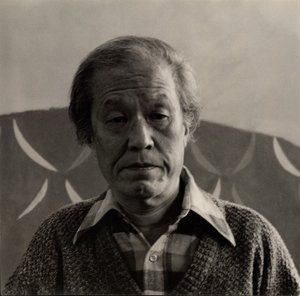
Yoo Youngkuk
1916 - 2002 , Sydkorea
Kortfakta
- Artistic Movement Or Style: Abstrakt konst
- Artists Or Movements Influenced By This Artist:
- Konstruktivism
- Suprematism
- Artists Who Influenced This Artist:
- Murai Masanari
- Hasegawa Saburo
- Date Of Birth: 1916
- Full Name: Yoo Youngkuk
- Nationality: Sydkorea
- Notable Artworks:
- Berg
- Verk
- Place Of Birth: Uljin, Sydkorea
Relaterade artiklar

Kandinskys 25 Mästerverk: En Färgstark Resa i Abstrakt Konst | OriginalUniqueArt
Utforska Wassily Kandinskys 25 mest ikoniska verk – från expressionism till abstrakt konst. Lär känna historien bakom mästerverken och hitta inspiration för din heminredning med OriginalUniqueArt.com. Upptäck hela samlingen online!

Topp 10 mästerverk inom abstrakt expressionism – konst för ditt hem | OriginalUniqueArt.com
Utforska de 10 mest inflytelserika verken inom abstrakt expressionism – från Rothkos färgfält till Pollocks action painting. Lär känna konstnärerna och deras teknik. Hitta museumskvalitativa tryck på OriginalUniqueArt.com och förvandla ditt hem med tidlös konst!

Geometrisk Abstraktion: Topp 10 Mästverk som Formade Konsten | OriginalUniqueArt.com
Utforska de 10 mästerverk som definierade geometrisk abstraktion! Lär känna Mondrian, Kandinsky & Malevich. Hitta inspiration och museumskvalitativa konsttryck för ditt hem på OriginalUniqueArt.com. Upptäck hela samlingen online!

Beyond Form & Color: Geometric Abstraction's Evolution in 20th/21st Century Art
Explore the evolution of geometric abstraction from Cubism to contemporary art. Discover key artists like Malevich & Mondrian, investment insights, and expert collecting advice at OriginalUniqueArt.

Mark Rothkos 25 Mästerverk: Djupdykning i Färg och Existens | OriginalUniqueArt
Utforska Mark Rothkos 25 mest ikoniska målningar – en djupdykning i abstrakt expressionism och färgfältets psykologi. Upptäck historien bakom varje mästerverk och hitta inspiration till ditt hem med OriginalUniqueArt.coms exklusiva konsttryck.