- Hem

- Reproduktion av oljemålning
- william wordsworth
- William Wordsworth

 Förhandsvisa
 Skicka
 Dela
Dela
 Visa detaljer

 Ladda ner
 Liknande objekt
 Röntgen
 Bildspel
William Wordsworth

 Visa mer
Handgjord oljereproduktion
Handmålad olja på duk i din valda storlek och ram, tillverkad efter beställning av våra konstnärer. ( Byt till tryck Byt till bild)




































Välj bland våra förinställda storlekar som motsvarar konstverkets ursprungliga proportioner.

Du kan ange egna mått för att passa en specifik ram eller yta. Om den valda storleken inte matchar originalbildens proportioner kommer vi antingen att beskära konstverket eller utöka målningen med ytterligare handmålade element. En digital skiss skickas till dig för godkännande innan produktionen påbörjas.
Observera att förhandsvisningen på skärmen inte återspeglar den faktiska beskärningen eller utökningen. Endast skissen visar den slutgiltiga kompositionen korrekt.
Även om anpassade storlekar är möjliga, rekommenderar vi att du väljer en dimension från den fördefinierade listan för att bevara originalproportionerna.
Efter beställning kommer OriginalUniqueArt.com team att mejla kunden för instruktioner och tillhandahålla en skissförhandsvisning
Leverans över hela världen () på 3–4 veckor istället för standard 5 veckor. (30 juli). Inga kompromisser med kvaliteten.

Fri expressfrakt över hela världen

Högkvalitativ linnecanvas

Fullständig fraktförsäkring

Garantier för återbetalning av tullavgifter

Garantier för exakt färgåtergivning

60 dagars returrätt (endast vid fabrikationsfel)

100% pengarna tillbaka-garanti

Mängdrabatt erbjuds
 Glasalternativet är endast tillgängligt i storlekar under 110 cm.

William Wordsworth
Teknik för reproduktion
Storlek på reproduktion
-


Slutgiltigt pris
$ 300
Konstnärsbiografi
François Boucher: The Architect of Rococo Grace
François Boucher, born in Paris around 1703 and passing away in 1850, stands as a towering figure in the history of French art, inextricably linked to the rise and flourishing of the Rococo style. While often overshadowed by his more flamboyant contemporaries like Watteau, Boucher’s influence on European decorative arts and painting is profound and enduring. He wasn't merely a painter; he was an orchestrator of beauty, a master of marketing, and a key figure in shaping the aesthetic sensibilities of the French court during the reigns of Louis XV and Madame de Pompadour. His career, spanning nearly five decades, exemplifies both artistic brilliance and shrewd commercial acumen.Early Years and Artistic Foundations
Boucher’s early life was marked by relative obscurity. He began his career as a printmaker and designer of book illustrations, a skill honed through apprenticeship and self-directed study. This foundational experience instilled in him an understanding of composition, line, and the meticulous rendering required for both graphic art and painting. Crucially, he gained employment around 1726–28 working for Jean de Jullienne, producing etchings after drawings by Antoine Watteau – a pivotal moment that cemented his connection to the nascent Rococo style. A trip to Italy in 1728 proved formative, exposing him to the grandeur of Baroque masters like Bernini and Caravaggio, as well as the delicate landscapes and atmospheric effects favored by Dutch painters of the seventeenth century. He also studied Venetian eighteenth-century painting, absorbing its rich color palettes and dramatic lighting. This diverse exposure informed his developing style, blending Italian dynamism with Dutch subtlety and Venetian opulence.The Royal Patronage and Rococo Mastery
Boucher’s talent quickly caught the attention of the French court, culminating in his *reçue* (formal acceptance) at the Royal Academy in 1734. This marked the beginning of a remarkably prolific career fueled by royal commissions and the patronage of influential figures like Madame de Pompadour, Louis XV's mistress. He became known for his ability to translate the court’s desires – often characterized by a preference for lighthearted themes, sensual beauty, and luxurious settings – into visually stunning works. Boucher’s subjects frequently revolved around mythological scenes, pastoral idylls, and allegorical representations of love and virtue. His most celebrated achievement was undoubtedly his reinvention of the pastoral genre, depicting idealized landscapes populated by elegantly dressed shepherds and shepherdesses engaged in scenes of erotic and sentimental romance. This style, closely tied to contemporary comic operas produced for the Foire theatre, exemplified the Rococo’s emphasis on pleasure, beauty, and escapism. His paintings for Madame de Pompadour's château at Bellevue, such as *The Toilette of Venus* and *The Interrupted Sleep*, are prime examples of this opulent and refined aesthetic.Technique and Style: A Painterly Surface
Boucher’s artistic style is characterized by a remarkable technical mastery and a distinctive painterly surface. He eschewed the heavy, sculpted forms of the Baroque in favor of softer, more fluid lines and a delicate handling of color. His palette favored blues and pinks – colors associated with luxury and sensuality – creating an atmosphere of ethereal beauty. He was particularly adept at using light to create dramatic effects, often employing chiaroscuro (contrast between light and dark) to highlight key figures and details. Boucher’s insistence on a painterly surface, achieved through meticulous layering of paint and the use of glazing techniques, resulted in works that shimmered with an almost palpable sense of luxury and refinement. His work was widely reproduced in prints, further disseminating his style throughout Europe.Legacy and Historical Significance
Despite facing criticism later in his career – notably from Denis Diderot who famously described him as “a man capable of everything—except the truth” – François Boucher remains a pivotal figure in art history. He was arguably the most influential artist in establishing the mature Rococo style, shaping its visual language and disseminating it across Europe. His work profoundly impacted decorative arts, influencing porcelain production, tapestry design, and furniture ornamentation. Boucher’s ability to seamlessly blend artistic skill with commercial savvy ensured his enduring success and cemented his place as one of France's most celebrated artists of the 18th century. His legacy continues to inspire admiration for his exquisite beauty, technical brilliance, and masterful orchestration of visual pleasure.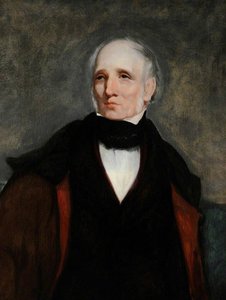
william wordsworth
1770 - 1850 , United Kingdom
Kortfattad information
- Artistic Movement Or Style: Rococo
- Artists Or Movements Influenced By This Artist:
- Père David
- Rococo style
- Artists Who Influenced This Artist:
- Watteau
- Venetian painters
- Date Of Birth: 1703
- Date Of Death: 1850
- Full Name: François Boucher
- Nationality: French
- Notable Artworks:
- The Interrupted Sleep
- Toilette of Venus
- Les Metamorphoses
- Place Of Birth: Paris, France

