
 Visa i rummet
 Skicka
 Dela
Dela
 Detaljer

 Ladda ner
 Liknande objekt
 Röntgen
 Bildspel
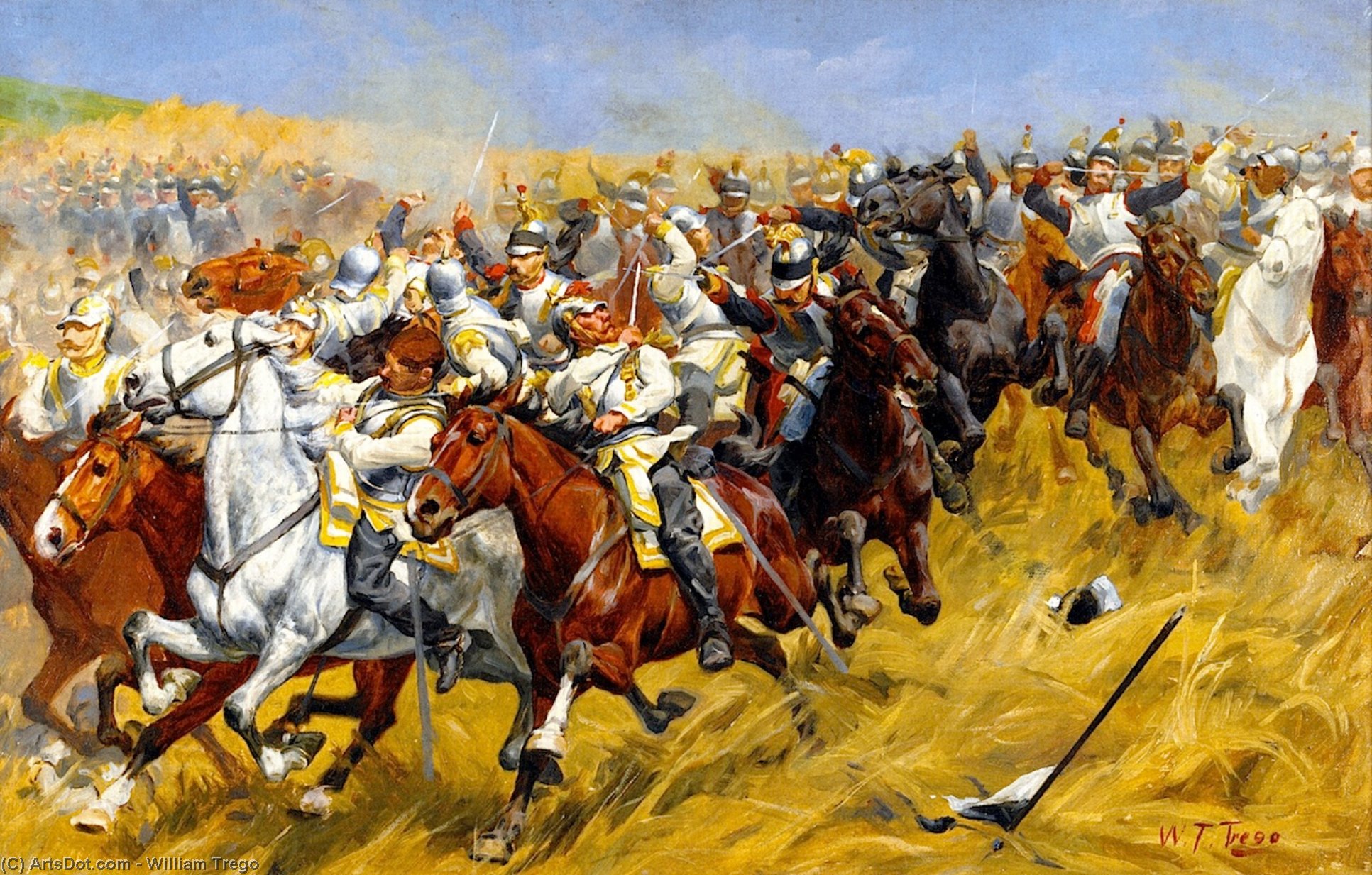
Cavalry Sketch

 Läs mer
Handgjord oljereproduktion
Handmålad olja på duk i din valda storlek och ram, tillverkad efter beställning av våra konstnärer. ( Köp tryck Köp bild)




































Välj bland våra förinställda storlekar som motsvarar konstverkets ursprungliga proportioner.

Du kan ange egna mått för att passa en specifik ram eller yta. Om den valda storleken inte matchar originalbildens proportioner kommer vi antingen att beskära konstverket eller utöka målningen med ytterligare handmålade element. En digital skiss skickas till dig för godkännande innan produktionen påbörjas.
Observera att förhandsvisningen på skärmen inte återspeglar den faktiska beskärningen eller utökningen. Endast skissen visar den slutgiltiga kompositionen korrekt.
Även om anpassade storlekar är möjliga, rekommenderar vi att du väljer en dimension från den fördefinierade listan för att bevara originalproportionerna.
Efter beställning kommer OriginalUniqueArt.com team att mejla kunden för instruktioner och tillhandahålla en skissförhandsvisning
Leverans över hela världen () på 3–4 veckor istället för standard 5 veckor. (13 augusti). Inga kompromisser med kvaliteten.

Fri expressfrakt över hela världen

Högkvalitativ linnecanvas

Fullständig fraktförsäkring

Garantier för återbetalning av tullavgifter

Garantier för exakt färgåtergivning

60 dagars returrätt (endast vid fabrikationsfel)

100% pengarna tillbaka-garanti

Mängdrabatt erbjuds
 Glasalternativet är endast tillgängligt i storlekar under 110 cm.

Cavalry Sketch
Tryckteknik
Reproduktionsstorlek
-


Totalpris
$ 300
Om konstverket
Historical Context and Artistic Style
The Cavalry Sketch depicts a dramatic scene of horsemen engaged in battle, showcasing William Trego's exceptional skill in capturing movement and energy. This painting is characteristic of the artist's style, which often featured historical and military themes. The use of oil on canvas allowed Trego to achieve a high level of detail and texture, adding depth and realism to the scene.The Cavalry Sketch is not only an impressive work of art but also an important part of American history. It provides a glimpse into the country's past, highlighting the bravery and skill of soldiers on horseback. As a handmade oil painting reproduction, this artwork can be appreciated in a new light, allowing art enthusiasts to experience the beauty and emotion of the original piece.
Similar Works and Artists
Other notable artists, such as Peter Paul Rubens, have also explored historical and military themes in their work. For example, Rubens' The Battle of the Amazons is a famous painting that showcases the artist's mastery of movement and composition. Similarly, Abraham Cooper's Cromwell At Marston Moor and Nc Wyeth's untitled (1907) demonstrate the artists' ability to capture the essence of historical events.- View more information about the Pennsylvania Academy of the Fine Arts on OriginalUniqueArt.com
- Discover William Trego's Cavalry Sketch on OriginalUniqueArt.com
- Learn more about Peter Paul Rubens and his works on OriginalUniqueArt.com
The Cavalry Sketch by William Trego is a remarkable example of American art, showcasing the artist's skill and attention to detail. As a handmade oil painting reproduction, this artwork can be appreciated by art enthusiasts around the world, providing a glimpse into the country's rich history and cultural heritage.
Om konstnären
A Life Forged in Resilience: The Story of William Trego
Born in the quiet Pennsylvania countryside of Yardley in 1858, William Brooke Thomas Trego’s life was a testament to the power of artistic dedication overcoming immense physical adversity. Son of the accomplished portrait and animal painter Jonathan Kirkbridge Trego, young William inherited not only his father's talent but also a challenging fate. At just two years old, he contracted an illness – possibly polio or a severe reaction to medical treatment – that left his hands and feet nearly paralyzed. This early struggle would profoundly shape his artistic journey, forcing him to develop unconventional techniques and fueling a determination that resonated throughout his career. The family’s move to Detroit when William was sixteen brought another incident—a harrowing accident with a gas jet that cost him his hair—further isolating him within the familial studio where he received most of his formative training. It was there, guided by his father's instruction, that Trego learned to paint, famously maneuvering a brush jammed into his right hand while controlling it with the left, a method born of necessity and refined through sheer willpower.Early Influences and Artistic Beginnings
Trego’s artistic foundation was deeply rooted in his family history. His father, Jonathan Kirkbridge Trego, was a respected portraitist and animal painter known for his vibrant colors and meticulous detail. William absorbed this legacy, benefiting from his father's extensive training in technique and composition. However, the early physical challenges he faced – specifically the paralysis affecting his hands and feet – dramatically altered the trajectory of his artistic development. Rather than being deterred, Trego embraced these limitations as a catalyst for innovation. He devised ingenious methods to overcome his physical constraints, most notably using his left hand to guide and control a brush jammed into his paralyzed right hand. This remarkable adaptation became a defining characteristic of his unique style – a testament to both his resilience and his artistic ingenuity. The move to Detroit provided him with access to further instruction, though the accident with the gas jet served as a poignant reminder of the fragility of life and a significant loss for the young artist.Breakthrough at the Michigan State Fair
Trego’s career gained momentum in 1879 with his participation in the Michigan State Fair. He presented *The Charge of Custer at Winchester*, a dramatic depiction of George Armstrong Custer's final stand during the Third Battle of Winchester. The painting immediately captivated audiences, praised for its dynamic composition, vivid portrayal of military action, and Trego’s masterful rendering of movement and emotion. This success provided Trego with invaluable exposure and the financial means to pursue his artistic ambitions more seriously. It was a pivotal moment, transforming him from a struggling artist into a recognized talent within the art world. The acclaim he received fueled his desire to further refine his skills and explore new avenues for creative expression.Academic Training and Eakins’ Influence
Following the success at the State Fair, Trego enrolled at the prestigious Pennsylvania Academy of the Fine Arts (PAFA) in Philadelphia, a decision that proved transformative for his artistic development. Under the exacting tutelage of Thomas Eakins, he immersed himself in anatomical study, rigorous figure drawing, and the principles of realism. While benefiting from Eakins’ emphasis on meticulous observation and technical proficiency, Trego found the instructor's austere approach somewhat challenging. He appreciated Eakins’ dedication to accuracy but sought a more expressive style, ultimately developing his own distinctive voice that blended academic rigor with a heightened sense of drama and emotional intensity. The experience at PAFA solidified his understanding of artistic technique while simultaneously pushing him to explore new creative boundaries.A Master of Historical Military Scenes
William Trego quickly established himself as a leading painter of historical military scenes, particularly those depicting the American Revolution and the Civil War. His canvases are characterized by an almost obsessive attention to detail – meticulously rendered uniforms, weaponry, battlefield landscapes, and individual figures. He wasn’t merely illustrating events; he was striving for accuracy and authenticity, often conducting extensive research to ensure that his paintings faithfully reflected the realities of these pivotal moments in American history. This commitment stemmed from a deep fascination with the past and a desire to honor the sacrifices made by those who fought for their country. His style evolved over time, incorporating influences from various sources while retaining a core sense of realism and dramatic intensity. Notable works such as *Quartermaster's Department: Train of Pack Mules Attacked by Mexican Cavalry, 1847* exemplify his ability to capture both the grandeur and the harsh realities of military life.Later Years and Legacy
Despite achieving considerable success in his early career, Trego faced financial challenges and professional setbacks in his later years. He broadened his artistic scope, accepting portrait commissions and illustration work to supplement his income. However, he continued to pursue his passion for historical painting, culminating in *The Chariot Race from Ben Hur* (1908), a monumental canvas that ultimately failed to garner the recognition he had hoped for. Tragically, William Trego died unexpectedly in 1909 in North Wales, Pennsylvania, under circumstances that fueled speculation about possible poisoning or overexertion due to the summer heat. Despite his untimely death and the challenges he faced throughout his life, William B.T. Trego left behind a significant body of work – a testament to his artistic skill, unwavering determination, and profound understanding of American history. His paintings continue to be admired for their meticulous detail, dramatic intensity, and poignant portrayal of courage and conflict, solidifying his place as a notable figure in American art history. His story remains an inspiring example of how adversity can fuel creativity and resilience.
William Trego
1858 - 1909 , USA
Snabbfakta
- Artistic Movement Or Style: Realism
- Artists Or Movements Influenced By This Artist: ['Amerikansk militärkonst']
- Artists Who Influenced This Artist:
- Thomas Eakins
- Tony Robert-Fleury
- William-Adolphe Bouguereau
- Date Of Birth: 1858-09-15
- Date Of Death: 1909-06-24
- Full Name: William Brooke Thomas Trego
- Nationality: Amerikansk
- Notable Artworks:
- The Charge...
- Battery...
- Quartermaster...
- Place Of Birth: Yardley, USA

