
 Förhandsvisa
 Skicka
 Dela
Dela
 Visa detaljer

 Ladda ner
 Liknande objekt
 Röntgen
 Bildspel
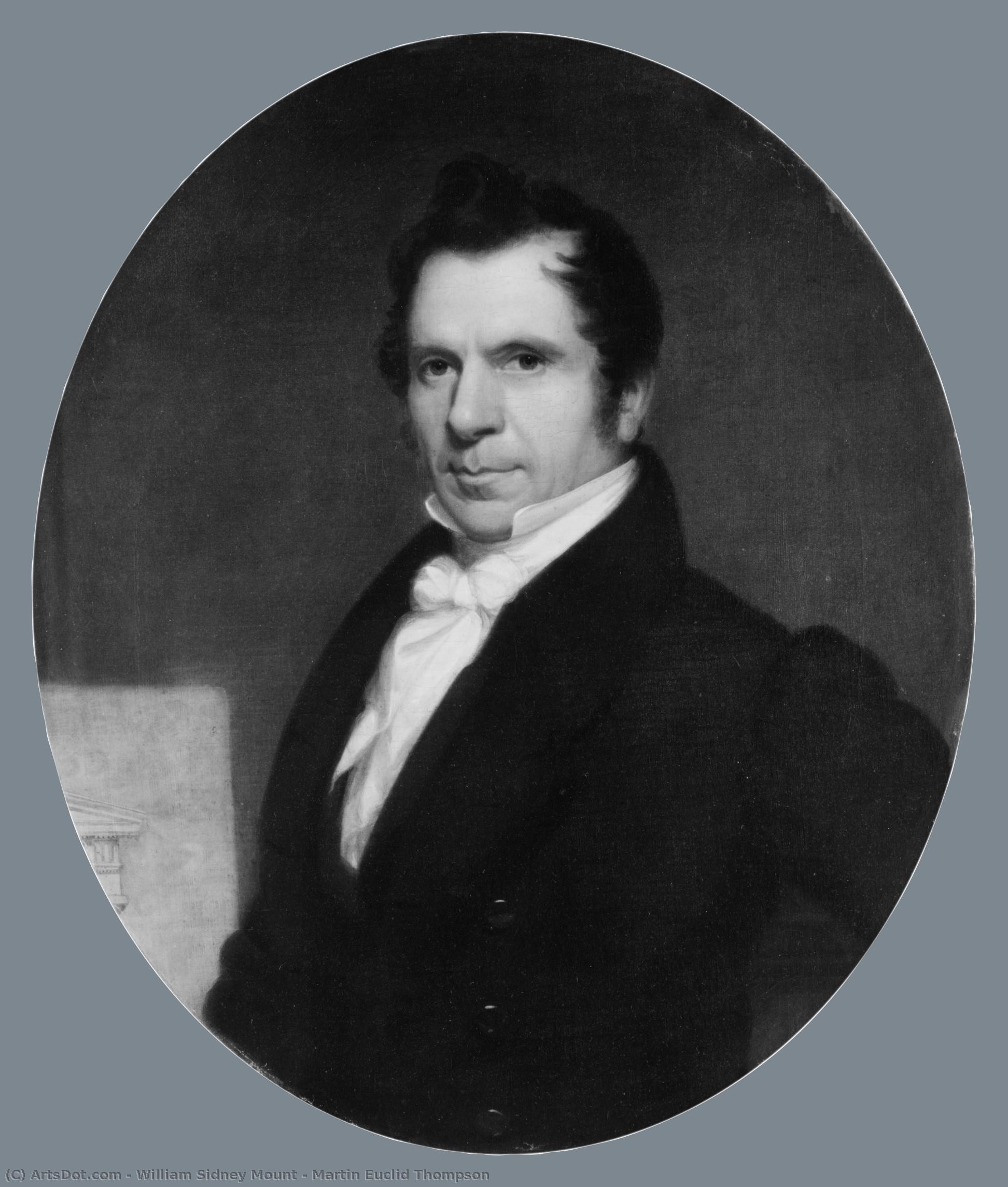
Martin Euclid Thompson
 Lithograph
- WallArt
- 19th-century Portraiture
 1830
1830 76.0 x 62.0 cm
 Metropolitan Museum of Art
 Visa mer
Köp en högupplöst, förbättrad digital bild med betydligt högre kvalitet än förhandsvisningen online.
Varje fil är noggrant förberedd av våra interna specialister med hjälp av avancerade verktyg och professionell manuell retuschering. Vi säkerställer att varje bild har exceptionell skärpa, exakt färgåtergivning och fina detaljer.
Den slutgiltiga filen levereras via e-post inom 72 timmar, optimerad för omedelbar användning i professionella sammanhang, redaktionellt bruk och tryckmiljöer. Detta är samma kvalitet som med förtroende används av ledande designstudior, förlag och gallerier.
Digital bild
Ladda ner en högupplöst fil för personlig visning, utskrift och kreativa projekt. ( Beställ tryck Beställ handmålad reproduktion)
Ingår i varje beställning av digital bild
Professionell digital leverans, garanterad
När du väljer OriginalUniqueArt.com får du inte bara en bild – du får ett professionellt förädlat digitalt konstverk, skapat med precision och med en garanterad tillfredsställelse. Här är allt som ingår i din beställning, automatiskt:

Snabb leverans via e-post
Din högupplösta digitala bild skickas till dig via e-post inom 72 timmar efter beställning – redo för omedelbar användning.

AI-förbättrad digital bild
Ditt konstverk optimeras professionellt med hjälp av avancerade AI-verktyg och manuell redigering, vilket garanterar maximal detaljrikedom, skärpa och färgnoggrannhet.

Gratis livstidsåterutskick
Har du råkat radera eller tappa bort din fil? Ingen oro – vi skickar den kostnadsfritt till dig när som helst.

Inga importavgifter – någonsin
Njut av ditt konstverk omedelbart utan tull, importavgifter eller leveranskostnader – digitala nedladdningar är alltid skattefria.

Garanterad färgåtergivning
Vi säkerställer att din digitala bild återger de ursprungliga färgerna så exakt som möjligt med hjälp av professionella verktyg och färghantering.

60 dagars nöjdhetsgaranti
Om du inte är nöjd med din digitala bild kommer vi att revidera den eller återbetala 100% inom 60 dagar – utan frågor.

100% pengarna-tillbaka-garanti
Inte nöjd? Få full återbetalning inom 60 dagar efter att du har tagit emot din digitala fil – utan frågor och diskussioner.

Rabatt vid storköp
Köp 3 bilder, spara 10% – Köp 5, spara 15% – Köp 10+, spara 20%. Perfekt för kreativa projekt, gallerier och byråer.
Beskrivning av samlarobjektet
A Portrait of Dignified Reserve: Martin Euclid Thompson by William Sidney Mount
William Sidney Mount’s “Martin Euclid Thompson,” painted in 1830, is more than just a likeness; it's a carefully constructed tableau of mid-nineteenth-century American identity. This monochrome portrait, rendered with the meticulous detail characteristic of Mount’s work and likely executed through lithography or engraving, offers a glimpse into the social fabric of its time – a world of formal propriety, quiet industry, and understated elegance. The subject himself, Martin Euclid Thompson, appears not as a flamboyant personality but as a man defined by his composure and bearing, embodying a restrained yet dignified presence that speaks volumes about his station in life.
Mount’s artistic approach is deeply rooted in the tradition of genre painting, a movement he helped pioneer in America. Rather than grand historical scenes or dramatic narratives, Mount focused on capturing the everyday lives of ordinary people – farmers, laborers, and merchants – imbuing these subjects with dignity and respect. In “Thompson,” this principle is powerfully demonstrated. The composition centers squarely on the subject’s head and shoulders, framed within a subtle oval, directing our gaze immediately to his face. This deliberate framing reinforces the portrait's purpose: to present Thompson as an individual worthy of contemplation and admiration.
The Language of Line and Tone
The painting’s strength lies in its masterful use of line and tone. Mount employs a remarkably precise linework, meticulously delineating the contours of Thompson’s face – the sharp angles of his jawline, the subtle curve of his nose, the careful rendering of his eyes. These lines aren't merely descriptive; they convey character, hinting at intelligence and self-awareness. Crucially, Mount utilizes a sophisticated system of shading to create texture and depth, suggesting the weight of the dark suit, the smoothness of the shirt fabric, and even the subtle roughness of the hair. The grayscale palette – a hallmark of lithography – allows for an extraordinary level of tonal control, creating a sense of quiet sophistication and avoiding the vibrancy often associated with color portraits.
The background is deliberately muted, fading into a neutral gray that serves to further isolate Thompson and emphasize his presence. This lack of detail isn’t a sign of carelessness; rather, it's a deliberate artistic choice, aligning with the conventions of portraiture at the time, where the subject was typically presented as the focal point, divorced from distracting surroundings. The shallow perspective reinforces this sense of immediacy, drawing the viewer directly into Thompson’s world.
Historical Context and Symbolic Resonance
“Martin Euclid Thompson” is a product of its era – the early 19th century in America, a period marked by rapid industrialization, westward expansion, and the solidification of social hierarchies. The subject's attire—a formal black suit with a crisp white shirt and bow tie—clearly indicates his status as a man of means and respectability. The portrait reflects the values of the time: order, discipline, and adherence to established norms. It’s a visual testament to the importance placed on appearances and social standing.
Interestingly, research reveals that William Sidney Mount was deeply influenced by his brother, Shepard Alonzo Mount, who specialized in still-life paintings featuring fish. This connection suggests an appreciation for detail and observation – qualities that undoubtedly informed Mount’s approach to portraiture. Furthermore, the work aligns with broader artistic trends of the period, echoing the formal conventions established by artists like Henry Inman, whose portraits were highly sought after during this time.
A Legacy of Dignified Representation
“Martin Euclid Thompson” is a compelling example of William Sidney Mount’s ability to capture not just physical likeness but also the essence of his subject. It's a portrait that invites contemplation, prompting us to consider the values and aspirations of a bygone era. Reproductions of this piece offer a unique opportunity to bring this evocative image into contemporary spaces – a chance to appreciate the artistry of Mount’s technique and to connect with the quiet dignity of Martin Euclid Thompson himself. The painting's understated elegance makes it an ideal addition to any collection, serving as both a beautiful work of art and a window into American history.
Konstnärsbiografi
A Pioneer of American Genre Painting
William Sidney Mount, born November 26, 1807, in the quiet hamlet of Setauket, Long Island, emerged as a pivotal figure in the development of distinctly American art. He wasn’t drawn to the grand historical narratives or formal portraiture that dominated artistic circles during his time; instead, Mount possessed an unwavering fascination for capturing the everyday lives unfolding around him – the farmers, musicians, and ordinary folk who formed the vibrant tapestry of rural Long Island. This singular dedication to portraying scenes of common life cemented his position as a trailblazer in genre painting within America—a movement that championed the dignity and inherent beauty residing within the mundane. His artistic journey was profoundly shaped by his upbringing; his father operated a bustling farm, store, and tavern, fostering an environment brimming with both agricultural labor and social interaction – while his uncle Micah Hawkins, a man of remarkable versatility, excelled as a composer, playwright, mimic, and poet—inspiring Mount to embrace diverse creative pursuits.Early Training and Artistic Awakening
Mount’s artistic education began not within the confines of a traditional academy but through an apprenticeship with his older brother, Henry Smith Mount, who practiced sign painting in New York City. This practical experience honed his draughtsmanship skills and instilled him with a foundational understanding of painting techniques—providing invaluable preparation for his future endeavors. However, it was a visit to the American Academy of the Fine Arts exhibition in 1825 that truly ignited his artistic passion. Surrounded by the works of established artists – notably Benjamin West and William Hogarth – Mount experienced an epiphany, shifting away from conventional subjects toward immersing himself in capturing authentic moments from daily existence. Recognizing the expressive potential inherent in depicting ordinary life, he embarked on a path that would define his artistic career. He established his own studio in New York City in 1829—a decisive step towards independence and solidifying his commitment to pursuing art as a vocation. Initially influenced by historical painting – exemplified by *Christ Raising the Daughter of Jairus* (1828) – Mount swiftly discovered that his true calling lay in portraying the world he knew best: the rural landscape of Long Island.Capturing Rural Life with Realism and Warmth
Mount’s artistic style is characterized by an unwavering realism blended seamlessly with a remarkable ability to infuse his canvases with warmth, humor, and profound empathy. He deliberately rejected idealized representations—instead opting for honest portrayals that acknowledged both the hardships and joys inherent in rural existence. His meticulous attention to detail – from the textures of fabrics to subtle expressions on faces – created an immersive experience for the viewer, conveying a palpable sense of immediacy and authenticity. *Dancing on Barn Floor* (1831), arguably his most celebrated work, exemplifies this approach; it’s a lively depiction of a rural dance—capturing not only the physical movement but also the spirit of communal celebration and social connection. Later paintings like *The Banjo Player* (1856) demonstrate Mount's exceptional skill in capturing human character—particularly evident in his poignant portrait of an African American musician. This artwork challenged prevailing stereotypes of the time, presenting a dignified depiction that underscored the importance of compassion and understanding. Other notable pieces include *The Long Story*, *Right and Left*, and *Loss and Gain* – each offering glimpses into the lives and experiences of ordinary Americans—reflecting Mount’s unwavering belief in the power of art to illuminate human emotion and circumstance.Innovation Beyond the Canvas
Mount's artistic creativity extended far beyond painting; he possessed a multifaceted talent encompassing music and invention. He was a proficient violinist, composing melodies that resonated with sincerity and beauty – demonstrating his passion for musical expression alongside his visual artistry. Furthermore, Mount undertook an ambitious project—constructing a portable studio within a horse-drawn wagon—allowing him to travel extensively throughout Long Island and directly observe the subjects he wished to depict. This innovative method underscored his dedication to capturing spontaneous moments from life and fostering genuine connections with the people around him. It was a testament to his artistic spirit and his unwavering belief in the transformative potential of art.Legacy and Enduring Influence
William Sidney Mount passed away on November 19, 1868, in Setauket—leaving behind an indelible mark on American art history. His pioneering contribution to genre painting established it as a prominent artistic movement—inspiring subsequent generations of artists who sought to portray the complexities of everyday life with honesty and compassion. He is remembered not only for his technical prowess and meticulous realism but also for his profound empathy—demonstrating that true artistry resides in capturing the essence of human experience and celebrating the dignity inherent in ordinary existence. His home and studio are now designated as a National Historic Landmark—preserving his creative space as a lasting symbol of American artistic heritage. Mount’s paintings continue to captivate audiences today—reminding us that beauty can be found in the simplest of scenes and that art possesses the power to foster understanding and connection across generations.
William Sidney Mount
1807 - 1868 , USA
Snabbfakta
- Artistic Movement Or Style: Genrefärgning, Realism
- Artists Or Movements Influenced By This Artist: ['Amerikansk genrefärgning']
- Artists Who Influenced This Artist:
- Benjamin West
- William Hogarth
- Date Of Birth: November 26, 1807
- Date Of Death: November 19, 1868
- Full Name: William Sidney Mount
- Nationality: Amerikaner
- Notable Artworks:
- Barnflögsdansaren
- Den långa berättelsen
- Höger och vänster
- Place Of Birth: Setauket, USA

