
 Förhandsvisa
 Skicka
 Dela
Dela
 Visa detaljer

 Ladda ner
 Liknande objekt
 Röntgen
 Bildspel
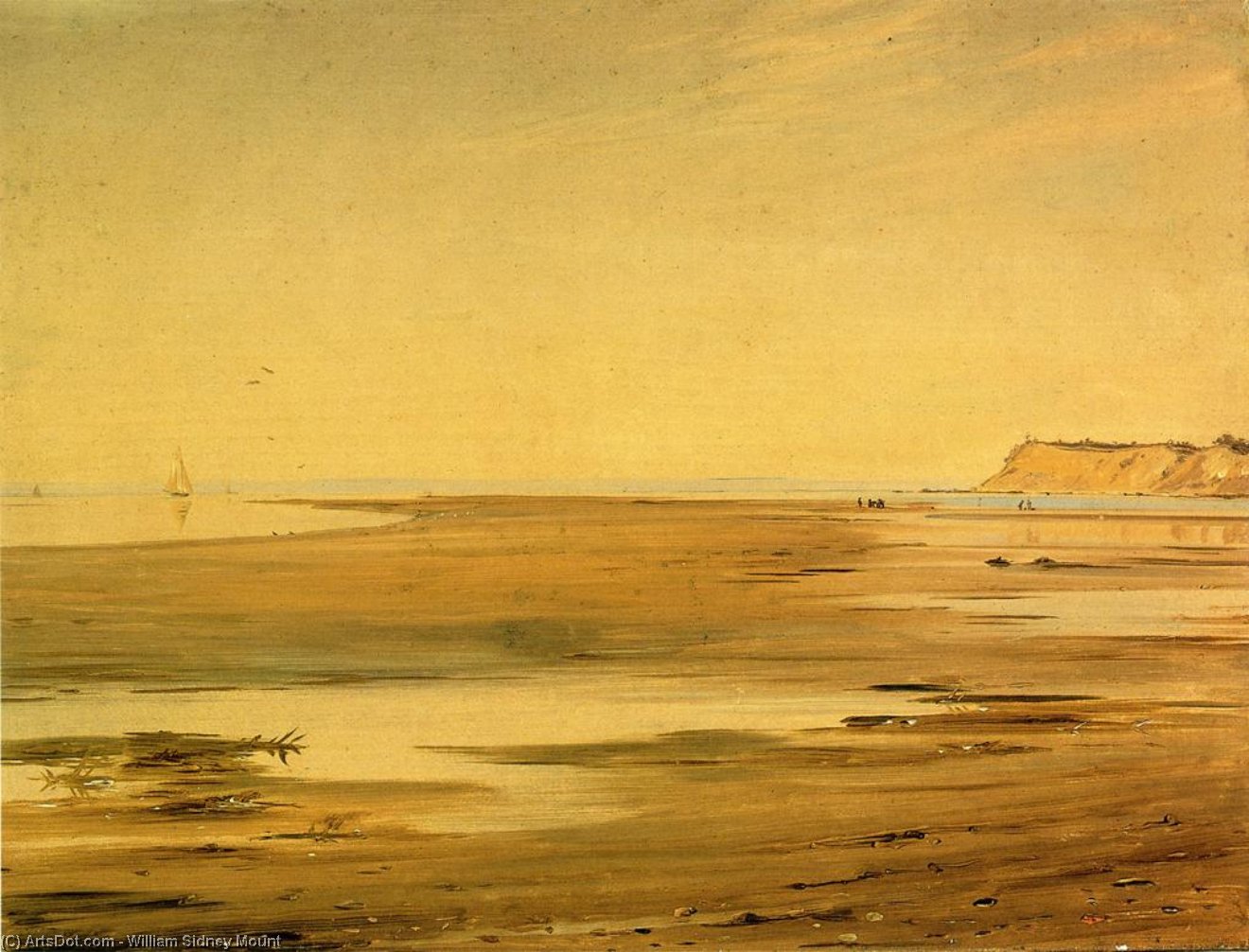
Crane Neck Across the Marsh


 Visa mer
Handgjord oljereproduktion
Handmålad olja på duk i din valda storlek och ram, tillverkad efter beställning av våra konstnärer. ( Beställ tryck Köp högupplöst bild)




P118B $10

P118H $10

P118W $10

P438Z $10

P508JH $12

P508YH $12

P805H $10

P805Z $10

P919BZ $10

P919G $10

P919XJ $10

P959ZH $10

P968JZ $12

W106C $8

W218G $10

W218JH $8

W218Y $10

W307PJ $10

W316G $10

W316PJ $8

W316Y $10

W398PJ $8

W4111J $10

W500HY $15

W500JH $15

W692G $12

W849H $8

W940BG $15

W953PJ $8




Välj bland våra förinställda storlekar som motsvarar konstverkets ursprungliga proportioner.

Du kan ange egna mått för att passa en specifik ram eller yta. Om den valda storleken inte matchar originalbildens proportioner kommer vi antingen att beskära konstverket eller utöka målningen med ytterligare handmålade element. En digital skiss skickas till dig för godkännande innan produktionen påbörjas.
Observera att förhandsvisningen på skärmen inte återspeglar den faktiska beskärningen eller utökningen. Endast skissen visar den slutgiltiga kompositionen korrekt.
Även om anpassade storlekar är möjliga, rekommenderar vi att du väljer en dimension från den fördefinierade listan för att bevara originalproportionerna.
Efter beställning kommer OriginalUniqueArt.com team att mejla kunden för instruktioner och tillhandahålla en skissförhandsvisning
Leverans över hela världen () på 3–4 veckor istället för standard 5 veckor. (18 augusti). Inga kompromisser med kvaliteten.

Fri expressfrakt över hela världen

Högkvalitativ linnecanvas

Fullständig fraktförsäkring

Garantier för återbetalning av tullavgifter

Garantier för exakt färgåtergivning

60 dagars returrätt (endast vid fabrikationsfel)

100% pengarna tillbaka-garanti

Mängdrabatt erbjuds
 Glasalternativet är endast tillgängligt i storlekar under 110 cm.

Crane Neck Across the Marsh
Reproduktionsmedium
Storlek på reproduktion
-


Slutgiltigt pris
$ 300
Beskrivning av konstverket
A Tranquil Vista of Long Island’s Coastal Landscape
William Sidney Mount's “Crane Neck Across the Marsh,” completed in 1841, stands as a quintessential example of American genre painting—a movement dedicated to portraying everyday life with remarkable realism and sensitivity. Currently residing at the Museums at Stony Brook, this artwork offers more than just a picturesque depiction of Long Island’s shoreline; it encapsulates the spirit of its time and reflects Mount's profound connection to the natural world.
Composition and Artistic Style: Capturing Light and Texture
The painting presents a serene beach scene bathed in soft, diffused sunlight. Foreground figures—likely fishermen or leisure seekers—are scattered along the sandy shore, while two boats bob gently on the calm waters of the marsh. A solitary crane gracefully traverses the reeds, adding a touch of avian elegance to the composition. Mount’s masterful use of color contributes significantly to the painting's atmosphere – warm hues dominate, creating a feeling of warmth and tranquility that invites contemplation.
Technique: Detailed Observation and Impressionistic Brushstrokes
Mount employed oil paints on wood panel, utilizing meticulous brushwork to capture the subtle nuances of light and texture. Unlike grand historical canvases, “Crane Neck Across the Marsh” prioritizes observation over idealized representation. The artist’s attention to detail is evident in the rendering of individual reeds, ripples on the water surface, and the plumage of the crane—elements meticulously crafted to convey a sense of immediacy and authenticity.
Historical Context: Romanticism's Embrace of Nature
"Crane Neck Across the Marsh" aligns perfectly with the broader artistic currents of Romanticism. This movement championed emotion and imagination as responses to experience, rejecting Neoclassical restraint in favor of expressive color palettes and dynamic compositions. Mount’s work reflects a fascination with the beauty of rural landscapes—a reaction against the industrialization and urbanization that characterized the early 19th century—and celebrates the dignity inherent in simple human activities.
Symbolism: The Crane as Emblematic Figure
The crane itself holds symbolic significance within Japanese culture, representing longevity, grace, and fidelity. Mount’s inclusion of this bird elevates “Crane Neck Across the Marsh” beyond a mere landscape depiction; it speaks to themes of harmony with nature and the enduring spirit of rural life—values that resonated deeply with Romantic sensibilities.
Experience Crane Neck Across the Marsh: A Reproduction Worthy of Distinction
If you wish to immerse yourself in the beauty of “Crane Neck Across the Marsh” and appreciate Mount’s artistic vision, consider commissioning a handmade oil painting reproduction from OriginalUniqueArt.com. Our skilled artisans meticulously recreate this masterpiece using archival pigments and techniques—ensuring that its splendor is preserved for generations to come.
Konstnärsbiografi
A Pioneer of American Genre Painting
William Sidney Mount, born November 26, 1807, in the quiet hamlet of Setauket, Long Island, emerged as a pivotal figure in the development of distinctly American art. He wasn’t drawn to the grand historical narratives or formal portraiture that dominated artistic circles during his time; instead, Mount possessed an unwavering fascination for capturing the everyday lives unfolding around him – the farmers, musicians, and ordinary folk who formed the vibrant tapestry of rural Long Island. This singular dedication to portraying scenes of common life cemented his position as a trailblazer in genre painting within America—a movement that championed the dignity and inherent beauty residing within the mundane. His artistic journey was profoundly shaped by his upbringing; his father operated a bustling farm, store, and tavern, fostering an environment brimming with both agricultural labor and social interaction – while his uncle Micah Hawkins, a man of remarkable versatility, excelled as a composer, playwright, mimic, and poet—inspiring Mount to embrace diverse creative pursuits.Early Training and Artistic Awakening
Mount’s artistic education began not within the confines of a traditional academy but through an apprenticeship with his older brother, Henry Smith Mount, who practiced sign painting in New York City. This practical experience honed his draughtsmanship skills and instilled him with a foundational understanding of painting techniques—providing invaluable preparation for his future endeavors. However, it was a visit to the American Academy of the Fine Arts exhibition in 1825 that truly ignited his artistic passion. Surrounded by the works of established artists – notably Benjamin West and William Hogarth – Mount experienced an epiphany, shifting away from conventional subjects toward immersing himself in capturing authentic moments from daily existence. Recognizing the expressive potential inherent in depicting ordinary life, he embarked on a path that would define his artistic career. He established his own studio in New York City in 1829—a decisive step towards independence and solidifying his commitment to pursuing art as a vocation. Initially influenced by historical painting – exemplified by *Christ Raising the Daughter of Jairus* (1828) – Mount swiftly discovered that his true calling lay in portraying the world he knew best: the rural landscape of Long Island.Capturing Rural Life with Realism and Warmth
Mount’s artistic style is characterized by an unwavering realism blended seamlessly with a remarkable ability to infuse his canvases with warmth, humor, and profound empathy. He deliberately rejected idealized representations—instead opting for honest portrayals that acknowledged both the hardships and joys inherent in rural existence. His meticulous attention to detail – from the textures of fabrics to subtle expressions on faces – created an immersive experience for the viewer, conveying a palpable sense of immediacy and authenticity. *Dancing on Barn Floor* (1831), arguably his most celebrated work, exemplifies this approach; it’s a lively depiction of a rural dance—capturing not only the physical movement but also the spirit of communal celebration and social connection. Later paintings like *The Banjo Player* (1856) demonstrate Mount's exceptional skill in capturing human character—particularly evident in his poignant portrait of an African American musician. This artwork challenged prevailing stereotypes of the time, presenting a dignified depiction that underscored the importance of compassion and understanding. Other notable pieces include *The Long Story*, *Right and Left*, and *Loss and Gain* – each offering glimpses into the lives and experiences of ordinary Americans—reflecting Mount’s unwavering belief in the power of art to illuminate human emotion and circumstance.Innovation Beyond the Canvas
Mount's artistic creativity extended far beyond painting; he possessed a multifaceted talent encompassing music and invention. He was a proficient violinist, composing melodies that resonated with sincerity and beauty – demonstrating his passion for musical expression alongside his visual artistry. Furthermore, Mount undertook an ambitious project—constructing a portable studio within a horse-drawn wagon—allowing him to travel extensively throughout Long Island and directly observe the subjects he wished to depict. This innovative method underscored his dedication to capturing spontaneous moments from life and fostering genuine connections with the people around him. It was a testament to his artistic spirit and his unwavering belief in the transformative potential of art.Legacy and Enduring Influence
William Sidney Mount passed away on November 19, 1868, in Setauket—leaving behind an indelible mark on American art history. His pioneering contribution to genre painting established it as a prominent artistic movement—inspiring subsequent generations of artists who sought to portray the complexities of everyday life with honesty and compassion. He is remembered not only for his technical prowess and meticulous realism but also for his profound empathy—demonstrating that true artistry resides in capturing the essence of human experience and celebrating the dignity inherent in ordinary existence. His home and studio are now designated as a National Historic Landmark—preserving his creative space as a lasting symbol of American artistic heritage. Mount’s paintings continue to captivate audiences today—reminding us that beauty can be found in the simplest of scenes and that art possesses the power to foster understanding and connection across generations.
William Sidney Mount
1807 - 1868 , USA
Kortfakta
- Artistic Movement Or Style: Genrefärgning, Realism
- Artists Or Movements Influenced By This Artist: ['Amerikansk genrefärgning']
- Artists Who Influenced This Artist:
- Benjamin West
- William Hogarth
- Date Of Birth: November 26, 1807
- Date Of Death: November 19, 1868
- Full Name: William Sidney Mount
- Nationality: Amerikaner
- Notable Artworks:
- Barnflögsdansaren
- Den långa berättelsen
- Höger och vänster
- Place Of Birth: Setauket, USA
Relaterade artiklar

Grant Wood & American Regionalism: Identity, Myth & the Rural Landscape
Explore the world of Grant Wood & American Regionalism with OriginalUniqueArt. Discover the symbolism behind 'American Gothic', recurring themes, and the movement's lasting impact on art history. High-quality reproductions available.
Landskapets Mästare: Topp 10 Konstverk som Fångar Naturens Skönhet – OriginalUniqueArt.se
Upptäck de 10 mest ikoniska landskapskonstverken! Från Monet till Van Gogh – utforska naturens skönhet, konsthistorien och tekniken bakom mästerverken. Hitta din perfekta tavla för heminredningen på OriginalUniqueArt.com.

John Constables 25 Mästerverk: En Konstnärlig Resa i Det Engelska Landskapet | OriginalUniqueArt
Utforska John Constables 25 mest ikoniska målningar – romantikens mästare av det engelska landskapet. Upptäck historien, tekniken & skönheten i verk som 'Hay Wain'. Köp exklusiva konsttryck på OriginalUniqueArt.com.

Katsushika Hokusais 25 Mästerverk: Ukiyo-e Konst & Heminredning | OriginalUniqueArt
Utforska Katsushika Hokusais 25 mest ikoniska ukiyo-e konstverk. Lär känna historien bakom 'The Great Wave' och andra mästerverk från japansk konst. Köp högkvalitativa reproduktioner & inred med tidlös skönhet på OriginalUniqueArt.com.

Evocations of Place: A Historical Journey Through Landscape Art
Explore the rich history of landscape art with OriginalUniqueArt. Discover renowned artists, movements like Impressionism & Romanticism, and expert guidance for collecting timeless pieces. Find your perfect serene escape today!

