
 Förhandsvisa
 Skicka
 Dela
Dela
 Visa detaljer
 Guide
Guide

 Ladda ner
 Liknande objekt
 Röntgen
 Bildspel
 Frågor och svar
 Statistik
Caught Napping


 Visa mer
Giclée / Konsttryck
Giclée- eller canvasprint av museumskvalitet med snabb produktion och flexibla ytbehandlingsalternativ. ( Beställ handmålad reproduktion Byt till digital bild)




P118B Skr10

P118H Skr10

P118W Skr10

P438Z Skr10

P508JH Skr12

P508YH Skr12

P805H Skr10

P805Z Skr10

P919BZ Skr10

P919G Skr10

P919XJ Skr10

P959ZH Skr10

P968JZ Skr12

W106C Skr8

W218G Skr10

W218JH Skr8

W218Y Skr10

W307PJ Skr10

W316G Skr10

W316PJ Skr8

W316Y Skr10

W398PJ Skr8

W4111J Skr10

W500HY Skr15

W500JH Skr15

W692G Skr12

W849H Skr8

W940BG Skr15

W953PJ Skr8




Välj bland våra förinställda storlekar som motsvarar konstverkets ursprungliga proportioner.

Ange den bredd och höjd du behöver för att passa din ram eller vägg. Ett tryck kan endast beskäras, aldrig göras större än originalbilden, vilket innebär att ett format med en annan proportion leder till att en del av bilden går förlorad. Vi skickar en digital mockup för godkännande innan vi påbörjar tryckningen. Bilden som visas på denna sida visar inte den faktiska beskärningen — det är endast mockuppen som gör det.
Leverans över hela världen () på 2 veckor istället för standard 4/5 veckor. (13 november)

Fri expressfrakt över hela världen

Högkvalitativ linnecanvas

Fullständig fraktförsäkring

Garantier för återbetalning av tullavgifter

Garantier för exakt färgåtergivning

100 dagars returrätt (endast vid fel)

100% pengarna tillbaka-garanti

Mängdrabatt erbjuds
 Glasalternativet är endast tillgängligt i storlekar under 110 cm.

Caught Napping
Giclée / Konsttryck
Storlek på reproduktion
-


Slutgiltigt pris
Skr 810
A Pastoral Symphony of Rest and Connection
In the quietude of an afternoon in 1848, William Sidney Mount captured more than just a moment of slumber; he immortalized the very soul of American rural life. Caught Napping, also known as Boys Caught Napping in a Field, serves as a profound window into a bygone era of tranquility and communal ease. The scene unfolds with a breathtaking sense of realism, presenting several men sprawled across a lush, verdant field beneath the protective canopy of a sprawling oak tree. As they drift in and out of sleep or engage in low-toned, animated conversation, the presence of loyal dogs curled at their feet and a patient horse standing nearby completes a tableau of perfect harmony. It is a masterful distillation of the American Romantic spirit, where the boundaries between humanity, nature, and animal companionship dissolve into a single, peaceful narrative.
For the discerning collector or interior designer, the emotional resonance of this piece lies in its ability to evoke a sense of profound stillness. Mount does not merely depict figures in a landscape; he invites the viewer to inhabit the atmosphere of the scene. There is a palpable warmth radiating from the canvas, a feeling of safety and camaraderie that makes the artwork an ideal centerpiece for spaces designed for contemplation and relaxation. The painting acts as a visual sanctuary, offering a respite from the frenetic pace of modern existence by transporting the observer back to a time defined by the slow, rhythmic cycles of pastoral life.
Mastery of Light and the Realist Tradition
Technically, Caught Napping is a triumph of the Realist movement, yet it transcends mere documentation through Mount’s sophisticated use of light. While his subject matter celebrates the honest, unadorned lives of ordinary folk, his execution draws heavily from the dramatic traditions of the Old Masters. By employing chiaroscuro—the deliberate and masterful contrast between deep shadows and luminous highlights—Mount imbues the grassy field and the figures within it with a sculptural weight and a lifelike glow. This technique, reminiscent of Rembrandt and Caravaggio, allows the sunlight filtering through the oak leaves to dance across the textures of cloth, fur, and skin, creating a surface that feels vibrantly alive.
The artist’s brushwork is both soft and purposeful, blending seamlessly to create a rich, tactile experience. Every detail, from the subtle musculature of the resting men to the gentle tilt of the horse's head, is rendered with meticulous care. This attention to detail does not overwhelm the composition but rather supports its larger emotional goal: to immerse the viewer in a textured, breathing world. For those seeking a high-quality reproduction, these nuances are essential; a faithful hand-painted version captures the subtle shifts in color and the delicate interplay of light that make Mount’s work so enduringly captivating.
A Legacy of American Identity
To understand the depth of this masterpiece, one must consider its historical significance within the American canon. William Sidney Mount was a pioneer, the first native-born American artist to specialize in genre painting—a style that found dignity in the mundane and beauty in the everyday. Growing up in the vibrant landscape of Long Island, surrounded by the rhythms of farming and local commerce, Mount possessed an intimate knowledge of his subjects. He rejected the grand, often artificial historical narratives favored by his peers, choosing instead to chronicle the authentic heartbeat of the American countryside.
In Caught Napping, we see the symbolic resonance of a nation finding its own identity through the celebration of its people and its land. The painting stands as a testament to the inherent value of quiet moments and the strength found in communal rest. It is an artwork that does not demand attention through spectacle, but rather earns it through sincerity. Whether gracing a sophisticated gallery wall or providing a soulful accent in a curated living space, this work continues to inspire awe, reminding us all of the timeless beauty found in the simplest of human connections.
Frågor och svar
Var kan jag köpa en handmålad reproduktion av "Caught Napping" av William Sidney Mount?
"Caught Napping" finns tillgänglig som en handmålad oljereproduktion på linneväv. Du kan lägga din beställning på dess Handmålad reproduktion-sida, där du kan välja mellan olika storlekar.
Hur mycket ljus verkar färgerna i "Caught Napping" reflektera?
"Caught Napping" av William Sidney Mount har en luminans på Soft Shadow. Luminans beskriver hur mycket ljus färgerna tycks reflektera.
Vilka är reproduktionsrättigheterna för "Caught Napping" på Brooklyn Museum?
Upphovsrättsläget för "Caught Napping" av William Sidney Mount är tydligt: verket är allmän egendom – upphovsrätten har löpt ut. Dess närvaro på Brooklyn Museum ändrar inte den statusen.
Konstnärsbiografi
A Pioneer of American Genre Painting
William Sidney Mount, born November 26, 1807, in the quiet hamlet of Setauket, Long Island, emerged as a pivotal figure in the development of distinctly American art. He wasn’t drawn to the grand historical narratives or formal portraiture that dominated artistic circles during his time; instead, Mount possessed an unwavering fascination for capturing the everyday lives unfolding around him – the farmers, musicians, and ordinary folk who formed the vibrant tapestry of rural Long Island. This singular dedication to portraying scenes of common life cemented his position as a trailblazer in genre painting within America—a movement that championed the dignity and inherent beauty residing within the mundane. His artistic journey was profoundly shaped by his upbringing; his father operated a bustling farm, store, and tavern, fostering an environment brimming with both agricultural labor and social interaction – while his uncle Micah Hawkins, a man of remarkable versatility, excelled as a composer, playwright, mimic, and poet—inspiring Mount to embrace diverse creative pursuits.Early Training and Artistic Awakening
Mount’s artistic education began not within the confines of a traditional academy but through an apprenticeship with his older brother, Henry Smith Mount, who practiced sign painting in New York City. This practical experience honed his draughtsmanship skills and instilled him with a foundational understanding of painting techniques—providing invaluable preparation for his future endeavors. However, it was a visit to the American Academy of the Fine Arts exhibition in 1825 that truly ignited his artistic passion. Surrounded by the works of established artists – notably Benjamin West and William Hogarth – Mount experienced an epiphany, shifting away from conventional subjects toward immersing himself in capturing authentic moments from daily existence. Recognizing the expressive potential inherent in depicting ordinary life, he embarked on a path that would define his artistic career. He established his own studio in New York City in 1829—a decisive step towards independence and solidifying his commitment to pursuing art as a vocation. Initially influenced by historical painting – exemplified by *Christ Raising the Daughter of Jairus* (1828) – Mount swiftly discovered that his true calling lay in portraying the world he knew best: the rural landscape of Long Island.Capturing Rural Life with Realism and Warmth
Mount’s artistic style is characterized by an unwavering realism blended seamlessly with a remarkable ability to infuse his canvases with warmth, humor, and profound empathy. He deliberately rejected idealized representations—instead opting for honest portrayals that acknowledged both the hardships and joys inherent in rural existence. His meticulous attention to detail – from the textures of fabrics to subtle expressions on faces – created an immersive experience for the viewer, conveying a palpable sense of immediacy and authenticity. *Dancing on Barn Floor* (1831), arguably his most celebrated work, exemplifies this approach; it’s a lively depiction of a rural dance—capturing not only the physical movement but also the spirit of communal celebration and social connection. Later paintings like *The Banjo Player* (1856) demonstrate Mount's exceptional skill in capturing human character—particularly evident in his poignant portrait of an African American musician. This artwork challenged prevailing stereotypes of the time, presenting a dignified depiction that underscored the importance of compassion and understanding. Other notable pieces include *The Long Story*, *Right and Left*, and *Loss and Gain* – each offering glimpses into the lives and experiences of ordinary Americans—reflecting Mount’s unwavering belief in the power of art to illuminate human emotion and circumstance.Innovation Beyond the Canvas
Mount's artistic creativity extended far beyond painting; he possessed a multifaceted talent encompassing music and invention. He was a proficient violinist, composing melodies that resonated with sincerity and beauty – demonstrating his passion for musical expression alongside his visual artistry. Furthermore, Mount undertook an ambitious project—constructing a portable studio within a horse-drawn wagon—allowing him to travel extensively throughout Long Island and directly observe the subjects he wished to depict. This innovative method underscored his dedication to capturing spontaneous moments from life and fostering genuine connections with the people around him. It was a testament to his artistic spirit and his unwavering belief in the transformative potential of art.Legacy and Enduring Influence
William Sidney Mount passed away on November 19, 1868, in Setauket—leaving behind an indelible mark on American art history. His pioneering contribution to genre painting established it as a prominent artistic movement—inspiring subsequent generations of artists who sought to portray the complexities of everyday life with honesty and compassion. He is remembered not only for his technical prowess and meticulous realism but also for his profound empathy—demonstrating that true artistry resides in capturing the essence of human experience and celebrating the dignity inherent in ordinary existence. His home and studio are now designated as a National Historic Landmark—preserving his creative space as a lasting symbol of American artistic heritage. Mount’s paintings continue to captivate audiences today—reminding us that beauty can be found in the simplest of scenes and that art possesses the power to foster understanding and connection across generations.
William Sidney Mount
1807 - 1868 , USA
Kortfakta
- Artistic Movement Or Style: Genrefärgning, Realism
- Artists Or Movements Influenced By This Artist: ['Amerikansk genrefärgning']
- Artists Who Influenced This Artist:
- Benjamin West
- William Hogarth
- Date Of Birth: November 26, 1807
- Date Of Death: November 19, 1868
- Full Name: William Sidney Mount
- Nationality: Amerikaner
- Notable Artworks:
- Barnflögsdansaren
- Den långa berättelsen
- Höger och vänster
- Place Of Birth: Setauket, USA
Relaterade artiklar
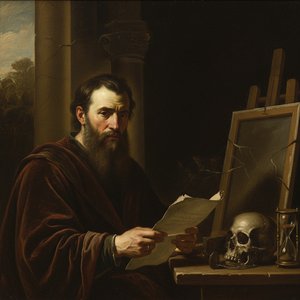
Chiaroscuro & Beyond: Exploring Dramatic Light & Shadow in Art History
Explore the captivating history of chiaroscuro – from Renaissance origins to Caravaggio & Rembrandt's mastery. Discover how light and shadow shaped art, and its enduring influence today.

Cornelius Krieghoff: Capturing the Soul of 19th-Century Canada
Explore the captivating world of Cornelius Krieghoff, Canada's beloved 19th-century painter. Discover his iconic winter scenes, Indigenous portraits & lasting legacy with our expert guide. Learn about collecting and appreciating this master artist.

The Quiet Rhythm of Rural Life: Examining Pastoral Landscapes from the Renaissance to Impressionism
Explore the evolution of pastoral landscapes from Titian to Impressionism with expert historical insight. Trace the history of nature in art.
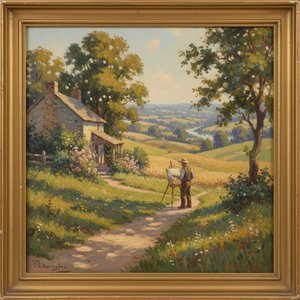
Julian Alden Weir: A Quiet Master of American Impressionism & Rural Life
Discover Julian Alden Weir, a leading American Impressionist painter celebrated for his serene landscapes & depictions of rural life. Explore his artistic evolution, influence on 'The Ten', and legacy at Weir Farm.

The Quiet Permanence of the Pastoral: Finding Stillness in Traditional Landscapes
Explore the profound stillness of pastoral landscapes through masters like Cole and Monet. Discover timeless beauty in every brushstroke.