Visa i rummet
 Skicka
 Dela
Dela
 Detaljer
 Studentguide för konstverk

 Ladda ner
 Liknande objekt
 Röntgen
 Bildspel
 Besökstatistik
Hecate or the Three Fates
 Acrylic On Canvas
- WallArt
- Romanticism
 1795
1795 439.0 x 581.0 cm
 Tate Britain
 Läs mer
Giclée / Konsttryck
Giclée- eller canvasprint av museumskvalitet med snabb produktion och flexibla ytbehandlingsalternativ. ( Köp handmålat konstverk Byt till digital bildförsäljning)




P118B Skr10

P118H Skr10

P118W Skr10

P438Z Skr10

P508JH Skr12

P508YH Skr12

P805H Skr10

P805Z Skr10

P919BZ Skr10

P919G Skr10

P919XJ Skr10

P959ZH Skr10

P968JZ Skr12

W106C Skr8

W218G Skr10

W218JH Skr8

W218Y Skr10

W307PJ Skr10

W316G Skr10

W316PJ Skr8

W316Y Skr10

W398PJ Skr8

W4111J Skr10

W500HY Skr15

W500JH Skr15

W692G Skr12

W849H Skr8

W940BG Skr15

W953PJ Skr8




Välj bland våra förinställda storlekar som motsvarar konstverkets ursprungliga proportioner.

Ange den bredd och höjd du behöver, för att passa din ram eller din vägg. Ett tryck kan endast beskäras, aldrig göras större än bilden, vilket innebär att ett format med en annan formform leder till att en del av bilden går förlorad. Vi skickar en digital mockup för godkännande innan vi trycker något. Bilden som visas på denna sida visar inte den faktiska beskärningen — det är endast mockuppen som gör det.
Leverans över hela världen () på 2 veckor istället för standard 4/5 veckor. (22 oktober)

Fri expressfrakt över hela världen

Högkvalitativ linnecanvas

Fullständig fraktförsäkring

Garantier för återbetalning av tullavgifter

Garantier för exakt färgåtergivning

100 dagars returrätt vid fabrikationsfel

100% pengarna tillbaka-garanti

Mängdrabatt erbjuds
 Glasalternativet är endast tillgängligt i storlekar under 110 cm.

Hecate or the Three Fates
Giclée / Konsttryck
Reproduktionsstorlek
-


Totalpris
Skr 793
A Haunting Vision: William Blake’s “Hecate or the Three Fates”
William Blake's "Hecate or the Three Fates," painted in 1795, is not merely a depiction of figures; it’s an immersion into a profoundly layered and intensely personal vision. This arresting image, measuring a substantial 439 x 581 cm, transcends simple representation to become a potent exploration of fate, mortality, and the intertwined realms of the material and spiritual. The painting immediately draws the viewer in with its somber palette – predominantly blacks and deep browns – punctuated by the stark white of the seated woman’s garments and the luminous presence of the owl perched high above. It's a scene steeped in atmosphere, radiating an almost palpable sense of melancholy and quiet contemplation.
Blake’s technique is immediately recognizable: a masterful blend of drawing and printmaking, executed with a remarkable degree of detail despite the painting’s relatively small scale. The figures are rendered with a meticulousness that borders on obsessive, each line and shadow carefully considered to convey texture and form. Notice particularly the intricate folds of the woman's clothing, the delicate rendering of the dog’s fur, and the almost sculptural quality of the rock formation upon which the owl rests. This hybrid approach—drawing as the foundation, then embellished with a painterly hand—was characteristic of Blake’s practice, allowing him to simultaneously control both the precision of line and the expressive potential of color.
Decoding the Mythic Narrative
The subject matter itself is rich in mythological resonance. “Hecate,” the Greek goddess of magic, witchcraft, crossroads, and ghosts, is central to the composition. She’s often depicted as a three-faced figure, and here, we see her represented by the Three Fates – Clotho (spinner of fate), Lachesis (measurer of destiny), and Atropos (cutter of life). The woman seated in the lap, seemingly lost in contemplation, is widely interpreted to be Death herself, offering a glimpse into the inescapable nature of fate. The presence of the dog, traditionally associated with loyalty and guardianship, suggests a connection between earthly bonds and the cyclical nature of existence.
The books scattered throughout the scene are significant symbols as well. They represent knowledge, wisdom, and the pursuit of understanding – yet their placement also hints at the limitations of human intellect when confronted with the mysteries of fate and mortality. The owl, a creature often linked to prophecy and wisdom in Blake’s work, perches atop the rock, acting as a silent observer, a guardian of secrets, and perhaps even a messenger from the otherworld.
Romanticism and the Inner Landscape
“Hecate or the Three Fates” is firmly rooted within the Romantic movement, a period characterized by an intense focus on emotion, imagination, and the individual’s subjective experience. Blake was a key figure in this artistic revolution, rejecting the Enlightenment's emphasis on reason and embracing instead the power of intuition and visionary insight. This painting exemplifies that shift—it isn’t concerned with objective representation but rather with conveying a deeply felt emotional state and exploring the complexities of the human psyche.
Painted during a period of intense personal and spiritual searching for Blake, this work reflects his fascination with alchemy, mythology, and esoteric knowledge. He believed in a profound interconnectedness between all things—the material world and the spiritual realm—and sought to express this unity through his art. “Hecate or the Three Fates” is therefore not just a beautiful image; it’s a window into Blake's intensely personal worldview, offering a glimpse of his unique vision of the universe.
Bringing the Vision Home: A OriginalUniqueArt Reproduction
OriginalUniqueArt.com offers meticulously crafted hand-painted reproductions of William Blake’s “Hecate or the Three Fates,” allowing you to experience this iconic artwork in stunning detail and vibrant color. Our skilled artisans replicate Blake's intricate technique, capturing the painting’s atmospheric depth and symbolic richness with unparalleled accuracy. Available on canvas, linen, and archival paper, our reproductions are designed for lasting beauty and preservation.
- Authentic Detail: Each reproduction is created by hand, ensuring a level of fidelity that cannot be achieved through digital printing.
- Premium Materials: We use only the finest archival-quality materials to guarantee long-lasting color and vibrancy.
- Multiple Sizes & Finishes: Choose from a range of sizes and finishes to perfectly complement your space and style.
- A Window into Genius: Own a piece of art history and bring the visionary world of William Blake into your home.
Explore our selection of “Hecate or the Three Fates” reproductions today and discover the enduring power of this remarkable painting. (Click here to view available options)
Frågor och svar
Vilken konststil tillhör "Hecate or the Three Fates" av William Blake?
"Hecate or the Three Fates" är ett verk inom Romanticism. Denna stilriktning anger den konstnärliga tradition som verket tillhör.
Hur starka är färgerna i "Hecate or the Three Fates"?
"Hecate or the Three Fates" av William Blake är återgiven med en Muted mättnad och en Monochromatic intensitet.
Vilka motiv förekommer i "Hecate or the Three Fates" av William Blake?
"Hecate or the Three Fates" av William Blake föreställer: mythology, fate, women, owls, books, london, visionary.
Om konstnären
William Blake – En Visionärs Färd
William Blake, född i London den 28 november 1757, var en figur för alltid utanför sin tid, ändå bestämd att bli en av de mest älskade konstnärer och poeter av Romantiken. Hans liv utspelades mot bakgrunden av ett snabbt förändrande England – en värld som kämpade med industrialisering, politisk uppror och skiftande religiösa övertygelser. Från enkla bördor som son till en hosier var hans tidiga år präglat av en intensivt vivid fantasi och en benägenhet för visionära erfarenheter som skulle djupgående påverka hans konstnärliga bana. Även om han i stort sett självlärt sig formella akademiker fick han tidigt instruktion i teckning, vilket snabbt avslöjade ett talent som pekade på den extraordinära vägen framför honom. Hans lärlingskap med graverare James Basire var avgörande och gav honom inte bara teknisk maestri utan också en förståelse för trycktekniker han senare revolutionerade. Dessa tidiga influenser – Westminster Abbey:s gotiska prakt och Michelangelos och Rafaelens klassiska former – tjänade som grundläggande element i hans utvecklande estetik, även om Blake aldrig var någon att hålla sig bunden av konvention.Teknik och Innovation: Illuminerad Tryckning
Blakes konstnärliga innovation låg inte bara i ämnet utan fundamentalt i *hur* han skapade. Missnöjd med konventionella graveringstekniker utvecklade han en unik metod kallad ”illuminerad tryckning”. Detta innebar att både text och illustration etsades på kopparplattor och sedan färglades plattorna för hand – ett arbetsamt men djupt personligt tillvägagångssätt som möjliggjorde fullständig konstnärlig kontroll. Detta var inte bara illustration följt av poesi utan en integrerad konstform där bild och vers var oskiljaktigt sammanlänkade, var och en förstärkte betydelsen av den andra. Hans reliefets teknik, född från ett påstått visionärt möte efter sin brors död, särskiljde ytterligare hans verk genom att ge det en distinkt textil struktur och möjliggjorde större konstnärlig frihet än traditionella metoder. Utöver tryckning arbetade Blake också med akvarell och tempera målningar ofta föreställande bibliska scener eller fantastiska ämnen fyllda med symbolisk vikt. En nyckelkaraktäristik för hans stil var en avsiktlig avsaknad av linjär perspektiv till förmån för ett mer känslomässigt och symboliskt representation – ett nedstämpande av rum som drog tittaren in i hjärtat av hans visionära värld.Tema om oskuld och erfarenhet
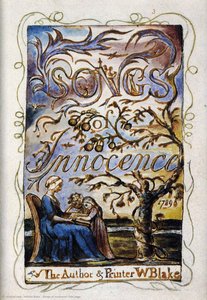
Hjärtat av Blakes konstnärliga produktion ligger i dess utforskning av djupa teman: oskuldens och erfarenheten dualitet, förnuftets begränsningar kontra fantasin befriande kraft och ett skoningslöst kritik mot samhällsnormer.- Songs of Innocence and of Experience (1794), kanske hans mest tillgängliga verk presenterar en motsvarande bild av barndom – en idyllisk och utan smuts, erfarenheten präglad av nöd och korruption.
- The Marriage of Heaven & Hell (1793) är ett provocerande prosa dikt som utmanar konventionell moral och hyllar energi, begär och uppror mot begränsande doktriner.
- Hans illustrationer till Dantes *Gudomliga Komedi* visar hans dramatiska vision och förmåga att översätta komplexa berättelser till kraftfull visuell bildspråk.
Ett arv återupptäckt: Blakes bestående inflytande
Under sitt liv förblev William Blake förhållandevis marginaliserad och förståddes inte av många av sina samtida. Hans verk kritiserades ofta som excentrisk eller till och med galen. Han kämpade ekonomiskt genom hela sitt liv och förlitade sig på uppdrag och stödet från en liten krets av förmögna personer som Thomas Butts. Trots detta började Blakes rykte växa stadigt efter sin död den 12 augusti 1827. Första generationens Pre-Raphaelites, förtrollade av hans visionära stil och symboliska bildspråk omfamnade honom som en liknande själ. Senare rörelser – Symbolism och Modernism – hittade resonans i hans betoning på fantasi, subjektiv erfarenhet och andlig övertygelse. Blakes arv är inte bara hans konstnärliga prestationer utan också hans okuvliga engagemang för kreativ frihet – ett testament till fantasin bestående kraft i en värld ofta dominerad av förnuft och begränsning. Han var en pionjär inom romantiken och hans verk fortsätter att inspirera poeter, målare och tänjare över discipliner.
William Blake
1757 - 1827 , Storbritannien
Snabbfakta
- Artistic Movement Or Style: Romantik
- Artists Who Influenced This Artist:
- Rafael
- Michelangelo
- Date Of Birth: 1757
- Date Of Death: 1827
- Full Name: William Blake
- Nationality: Brittisk
- Notable Artworks:
- Lieder von Unschuld und Erfahrung
- Die Hochzeit des Himmels und der Erde
- Der Tiger
- Jerusalem
- Place Of Birth: London, UK
Relaterade artiklar
John Varley I: Intimate Observation & the British Romantic Landscape
Explore the serene landscapes of John Varley I, a key figure in British Romanticism. Discover his unique watercolour style, collaboration with William Blake & lasting artistic legacy. Learn about collecting Varley's work.

Romantic Realism's Finest: 10 Masterpieces for Your Home | OriginalUniqueArt
Explore 10 defining masterpieces of Romantic Realism! Discover Courbet, Millet & Daumier's powerful paintings—capturing emotion and social realities. Find museum-quality reproductions for your home at OriginalUniqueArt.com.

William Blake: Romantic Visionary & Mystical Genius of the Imagination
Explore the mystical art & poetic genius of William Blake (1757-1827). Discover his revolutionary illuminated printing, rich symbolism, and lasting influence on Romanticism. Find handmade reproductions at OriginalUniqueArt.

Sir William Blake Richmond: A Visionary of Aestheticism & Symbolism
Explore the life & art of Sir William Blake Richmond, a pivotal figure bridging Pre-Raphaelitism and Aestheticism. Discover his stunning portraits, mosaics at St Paul's Cathedral, and lasting influence on Victorian art.
Echoes of Olympus: Mythological Narratives in Western Art Through the Ages
Explore the captivating history of mythological narratives in Western art! From ancient Greece to modern masterpieces, discover iconic artworks & symbolism. Expert analysis and high-quality reproductions at OriginalUniqueArt.