Förhandsvisa
 Skicka
 Dela
Dela
 Visa detaljer
 Guide
Guide

 Ladda ner
 Liknande objekt
 Röntgen
 Bildspel
 Q&A
Q&A Statistik
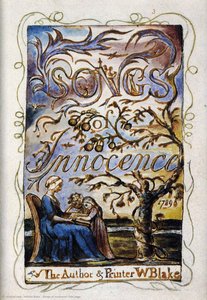
Antaeus setting down Dante and Virgil in the last circle of hell

- 37.0 x 53.0 cm


 Visa mer
Giclée / Konsttryck
Giclée- eller canvasprint av museumskvalitet med snabb produktion och flexibla ytbehandlingsalternativ. ( Beställ handmålad reproduktion Byt till digital bild)




P118B Skr10

P118H Skr10

P118W Skr10

P438Z Skr10

P508JH Skr12

P508YH Skr12

P805H Skr10

P805Z Skr10

P919BZ Skr10

P919G Skr10

P919XJ Skr10

P959ZH Skr10

P968JZ Skr12

W106C Skr8

W218G Skr10

W218JH Skr8

W218Y Skr10

W307PJ Skr10

W316G Skr10

W316PJ Skr8

W316Y Skr10

W398PJ Skr8

W4111J Skr10

W500HY Skr15

W500JH Skr15

W692G Skr12

W849H Skr8

W940BG Skr15

W953PJ Skr8




Välj bland våra förinställda storlekar som motsvarar konstverkets ursprungliga proportioner.

Ange den bredd och höjd du behöver för att passa din ram eller vägg. Ett tryck kan endast beskäras, aldrig göras större än originalbilden, vilket innebär att ett format med en annan proportion leder till att en del av bilden går förlorad. Vi skickar en digital mockup för godkännande innan vi påbörjar tryckningen. Bilden som visas på denna sida visar inte den faktiska beskärningen — det är endast mockuppen som gör det.
Leverans över hela världen () på 2 veckor istället för standard 4/5 veckor. (2 november)

Fri expressfrakt över hela världen

Högkvalitativ linnecanvas

Fullständig fraktförsäkring

Garantier för återbetalning av tullavgifter

Garantier för exakt färgåtergivning

100 dagars returrätt (endast vid fel)

100% pengarna tillbaka-garanti

Mängdrabatt erbjuds
 Glasalternativet är endast tillgängligt i storlekar under 110 cm.

Antaeus setting down Dante and Virgil in the last circle of hell
Giclée / Konsttryck
Storlek på reproduktion
-


Slutgiltigt pris
Skr 803
A Descent Into Darkness: William Blake’s “Antaeus Setting Down Dante and Virgil”
William Blake's "Antaeus Setting Down Dante and Virgil in the Last Circle of Hell," painted in 1827, is not merely a depiction of a biblical scene; it’s a profound exploration of human experience, morality, and the inescapable pull of darkness. This arresting image, rendered in a strikingly intimate scale of 37 x 53 cm, immediately draws the viewer into a landscape both terrifying and strangely compelling – a volcanic realm mirroring the depths of the soul. Blake, a figure perpetually ahead of his time, masterfully utilizes symbolic representation to convey layers of meaning rooted in Dante Alighieri’s *Inferno* and his own intensely personal spiritual beliefs.
The central figures—Antaeus, the titan forever bound to the earth, and Dante and Virgil—are presented in a moment of intense physicality. Antaeus, with arms outstretched as if grasping for salvation, is lowering the weary Dante and Virgil onto the jagged rocks of the ninth circle – the realm of those who betrayed faith. The posture of each figure speaks volumes: Dante’s face etched with exhaustion and despair, Virgil’s bearing resolute yet burdened by the task of guiding his master through this harrowing journey. Blake deliberately avoids romanticizing the scene; there's no heroic grandeur here, only a raw, almost brutal depiction of suffering and the consequences of transgression.
The Alchemy of Print: Technique and Style
Executed as an engraving with watercolor additions – a technique Blake favored to achieve both intricate detail and luminous color—the work showcases his unparalleled mastery of printmaking. The stark lines of the engraving, particularly evident in Antaeus’s form and the surrounding landscape, provide a powerful foundation for the delicate washes of watercolor that imbue the scene with an unsettling atmosphere. Blake's use of chiaroscuro – the dramatic contrast between light and shadow – is exceptionally effective, emphasizing the jagged edges of the rocks, the looming darkness, and the vulnerability of the figures. This interplay of light and dark isn’t simply aesthetic; it represents the struggle between hope and despair, knowledge and ignorance.
The choice to render this scene through printmaking itself is significant. Blake viewed engraving as a means of accessing a deeper truth, believing that it allowed for a more direct engagement with the subject matter than painting alone. The process of creating an image from a matrix demanded meticulous planning and execution, reflecting Blake’s rigorous intellectual approach to his art.
Symbolism and Spiritual Resonance
“Antaeus Setting Down Dante and Virgil” is saturated with symbolism drawn from both classical mythology and Christian theology. Antaeus, the titan who could only draw strength from contact with the earth, represents humanity's primal connection to the material world – a connection that can also be a source of weakness and corruption. Dante, as the pilgrim, embodies the human soul’s journey towards redemption, while Virgil serves as his guide, representing reason and knowledge. The last circle of Hell, reserved for those who betrayed faith, symbolizes the ultimate consequence of moral failure.
Furthermore, Blake's personal spiritual beliefs—rooted in a complex blend of pantheism, mysticism, and radical social critique—are subtly woven into the composition. The volcanic landscape itself can be interpreted as a metaphor for the internal turmoil of the human psyche, while the figures’ postures suggest a profound meditation on themes of guilt, repentance, and the possibility of spiritual rebirth. The inclusion of the background figure hints at an unseen force, perhaps representing divine judgment or the ever-present awareness of mortality.
A Timeless Vision: Reproduction and Collecting
This powerful image by William Blake transcends its historical context, continuing to resonate with viewers today. OriginalUniqueArt offers meticulously crafted hand-painted reproductions that faithfully capture the nuances of this iconic work. Each reproduction is created using traditional techniques, ensuring a remarkable level of detail and color accuracy. Whether adorning a study, a gallery wall, or serving as a focal point in an interior design scheme, “Antaeus Setting Down Dante and Virgil” offers a captivating glimpse into the visionary world of one of history’s most enigmatic artists. Its evocative imagery and profound symbolism make it not just a beautiful artwork, but a compelling meditation on the human condition – a timeless treasure for collectors and art lovers alike.
Frågor och svar
Vad förklarar upphovsrättssituationen för "Antaeus setting down Dante and Virgil in the last circle of hell" av William Blake?
Upphovsrättsläget för "Antaeus setting down Dante and Virgil in the last circle of hell" - allmän egendom – upphovsrätten har löpt ut - baseras på konstnärens dödsår 1827.
Vilken fas i William Blakes karriär tillhör "Antaeus setting down Dante and Virgil in the last circle of hell" (1827)?
Med tanke på sitt datum från 1827, tillhör "Antaeus setting down Dante and Virgil in the last circle of hell" William Blakes Late Period.
Kan jag se "Antaeus setting down Dante and Virgil in the last circle of hell" som ett bildspel i helskärm?
"Antaeus setting down Dante and Virgil in the last circle of hell" av William Blake kan visas som ett bildspel på verkets Bildspel-sida.
Konstnärsbiografi
William Blake – En Visionärs Färd
William Blake, född i London den 28 november 1757, var en figur för alltid utanför sin tid, ändå bestämd att bli en av de mest älskade konstnärer och poeter av Romantiken. Hans liv utspelades mot bakgrunden av ett snabbt förändrande England – en värld som kämpade med industrialisering, politisk uppror och skiftande religiösa övertygelser. Från enkla bördor som son till en hosier var hans tidiga år präglat av en intensivt vivid fantasi och en benägenhet för visionära erfarenheter som skulle djupgående påverka hans konstnärliga bana. Även om han i stort sett självlärt sig formella akademiker fick han tidigt instruktion i teckning, vilket snabbt avslöjade ett talent som pekade på den extraordinära vägen framför honom. Hans lärlingskap med graverare James Basire var avgörande och gav honom inte bara teknisk maestri utan också en förståelse för trycktekniker han senare revolutionerade. Dessa tidiga influenser – Westminster Abbey:s gotiska prakt och Michelangelos och Rafaelens klassiska former – tjänade som grundläggande element i hans utvecklande estetik, även om Blake aldrig var någon att hålla sig bunden av konvention.Teknik och Innovation: Illuminerad Tryckning
Blakes konstnärliga innovation låg inte bara i ämnet utan fundamentalt i *hur* han skapade. Missnöjd med konventionella graveringstekniker utvecklade han en unik metod kallad ”illuminerad tryckning”. Detta innebar att både text och illustration etsades på kopparplattor och sedan färglades plattorna för hand – ett arbetsamt men djupt personligt tillvägagångssätt som möjliggjorde fullständig konstnärlig kontroll. Detta var inte bara illustration följt av poesi utan en integrerad konstform där bild och vers var oskiljaktigt sammanlänkade, var och en förstärkte betydelsen av den andra. Hans reliefets teknik, född från ett påstått visionärt möte efter sin brors död, särskiljde ytterligare hans verk genom att ge det en distinkt textil struktur och möjliggjorde större konstnärlig frihet än traditionella metoder. Utöver tryckning arbetade Blake också med akvarell och tempera målningar ofta föreställande bibliska scener eller fantastiska ämnen fyllda med symbolisk vikt. En nyckelkaraktäristik för hans stil var en avsiktlig avsaknad av linjär perspektiv till förmån för ett mer känslomässigt och symboliskt representation – ett nedstämpande av rum som drog tittaren in i hjärtat av hans visionära värld.Tema om oskuld och erfarenhet
Hjärtat av Blakes konstnärliga produktion ligger i dess utforskning av djupa teman: oskuldens och erfarenheten dualitet, förnuftets begränsningar kontra fantasin befriande kraft och ett skoningslöst kritik mot samhällsnormer.- Songs of Innocence and of Experience (1794), kanske hans mest tillgängliga verk presenterar en motsvarande bild av barndom – en idyllisk och utan smuts, erfarenheten präglad av nöd och korruption.
- The Marriage of Heaven & Hell (1793) är ett provocerande prosa dikt som utmanar konventionell moral och hyllar energi, begär och uppror mot begränsande doktriner.
- Hans illustrationer till Dantes *Gudomliga Komedi* visar hans dramatiska vision och förmåga att översätta komplexa berättelser till kraftfull visuell bildspråk.
Ett arv återupptäckt: Blakes bestående inflytande
Under sitt liv förblev William Blake förhållandevis marginaliserad och förståddes inte av många av sina samtida. Hans verk kritiserades ofta som excentrisk eller till och med galen. Han kämpade ekonomiskt genom hela sitt liv och förlitade sig på uppdrag och stödet från en liten krets av förmögna personer som Thomas Butts. Trots detta började Blakes rykte växa stadigt efter sin död den 12 augusti 1827. Första generationens Pre-Raphaelites, förtrollade av hans visionära stil och symboliska bildspråk omfamnade honom som en liknande själ. Senare rörelser – Symbolism och Modernism – hittade resonans i hans betoning på fantasi, subjektiv erfarenhet och andlig övertygelse. Blakes arv är inte bara hans konstnärliga prestationer utan också hans okuvliga engagemang för kreativ frihet – ett testament till fantasin bestående kraft i en värld ofta dominerad av förnuft och begränsning. Han var en pionjär inom romantiken och hans verk fortsätter att inspirera poeter, målare och tänjare över discipliner.
William Blake
1757 - 1827 , Storbritannien
Kortfakta
- Artistic Movement Or Style: Romantik
- Artists Who Influenced This Artist:
- Rafael
- Michelangelo
- Date Of Birth: 1757
- Date Of Death: 1827
- Full Name: William Blake
- Nationality: Brittisk
- Notable Artworks:
- Lieder von Unschuld und Erfahrung
- Die Hochzeit des Himmels und der Erde
- Der Tiger
- Jerusalem
- Place Of Birth: London, UK
Relaterade artiklar

William Blake: Romantic Visionary & Mystical Genius of the Imagination
Explore the mystical art & poetic genius of William Blake (1757-1827). Discover his revolutionary illuminated printing, rich symbolism, and lasting influence on Romanticism. Find handmade reproductions at OriginalUniqueArt.

Engraving: A Historical Survey of Technique, Artistic Expression & Enduring Legacy
Explore the rich history of engraving with OriginalUniqueArt. Discover techniques, iconic artists like Dürer & Callot, collecting tips, and expert guidance for preserving your art investment. Learn about intaglio printing & more!

Dante Gabriel Rossettis 25 Mästerverk: Konst, Symbolik & Heminredning
Utforska Dante Gabriel Rossettis 25 mest ikoniska konstverk! Upptäck prerafaeliternas symbolik, romantisk konst och tidlösa berättelser bakom mästerverken. Köp museumkvalitativa tryck & inred med vacker väggkonst på OriginalUniqueArt.com.

Gravyrkonstens Intrikata Värld: En Historisk Översikt över Teknik, Konstnärligt Uttryck och Bestående Arv
Utforska gravyrkonstens fascinerande värld – från dess tidiga ursprung till moderna tekniker. Lär dig om kopparstick, intaglio och kända mästare. Expertinsikter & historisk översikt.
10 ikoniska gravyrer som förändrade konsthistorien – Upptäck mästerverk för ditt hem
Utforska 10 legendariska gravyrer av Dürer, Rembrandt & Goya! Upptäck konsthistorien bakom mästerverk från renässans till romantik. Köp museumkvalitativa tryck och förvandla ditt hem med tidlös skönhet på OriginalUniqueArt.com.