

 Förhandsvisa
 Skicka
 Dela
Dela
 Visa detaljer

 Ladda ner
 Liknande objekt
 Röntgen
 Bildspel
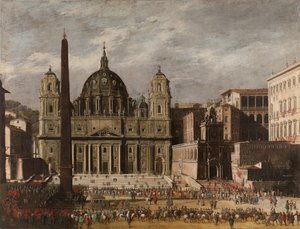
St Peter's, Rome
 Oil On Canvas
- WallArt
- Baroque
 1630
1630 168.0 x 220.0 cm
 Pradomuseet
 Visa mer
Köp en högupplöst, förbättrad digital bild med betydligt högre kvalitet än förhandsvisningen online.
Varje fil är noggrant förberedd av våra interna specialister med hjälp av avancerade verktyg och professionell manuell retuschering. Vi säkerställer att varje bild har exceptionell skärpa, exakt färgåtergivning och fina detaljer.
Den slutgiltiga filen levereras via e-post inom 72 timmar, optimerad för omedelbar användning i professionella sammanhang, redaktionellt bruk och tryckmiljöer. Detta är samma kvalitet som med förtroende används av ledande designstudior, förlag och gallerier.
Digital bild
Ladda ner en högupplöst fil för personlig visning, utskrift och kreativa projekt. ( Beställ tryck Beställ handmålad reproduktion)
Ingår i varje beställning av digital bild
Professionell digital leverans, garanterad
När du väljer OriginalUniqueArt.com får du inte bara en bild – du får ett professionellt förädlat digitalt konstverk, skapat med precision och med en garanterad tillfredsställelse. Här är allt som ingår i din beställning, automatiskt:

Snabb leverans via e-post
Din högupplösta digitala bild skickas till dig via e-post inom 72 timmar efter beställning – redo för omedelbar användning.

AI-förbättrad digital bild
Ditt konstverk optimeras professionellt med hjälp av avancerade AI-verktyg och manuell redigering, vilket garanterar maximal detaljrikedom, skärpa och färgnoggrannhet.

Gratis livstidsåterutskick
Har du råkat radera eller tappa bort din fil? Ingen oro – vi skickar den kostnadsfritt till dig när som helst.

Inga importavgifter – någonsin
Njut av ditt konstverk omedelbart utan tull, importavgifter eller leveranskostnader – digitala nedladdningar är alltid skattefria.

Garanterad färgåtergivning
Vi säkerställer att din digitala bild återger de ursprungliga färgerna så exakt som möjligt med hjälp av professionella verktyg och färghantering.

60 dagars nöjdhetsgaranti
Om du inte är nöjd med din digitala bild kommer vi att revidera den eller återbetala 100% inom 60 dagar – utan frågor.

100% pengarna-tillbaka-garanti
Inte nöjd? Få full återbetalning inom 60 dagar efter att du har tagit emot din digitala fil – utan frågor och diskussioner.

Rabatt vid storköp
Köp 3 bilder, spara 10% – Köp 5, spara 15% – Köp 10+, spara 20%. Perfekt för kreativa projekt, gallerier och byråer.
St Peter's Basilica by Viviano Codazzi – A Baroque Masterpiece
Viviano Codazzi’s “St Peter’s, Rome” stands as an exceptional testament to the grandeur and artistic fervor of the Italian Baroque period (roughly 1600-1750). Painted in 1630, this monumental oil on canvas resides within the Museo Nacional del Prado in Madrid, Spain, offering visitors a breathtaking glimpse into Codazzi’s unparalleled skill at capturing architectural magnificence. More than just a depiction of a building, it's an immersive experience of Roman spirituality and artistic ambition.A Vision of Baroque Grandeur
Codazzi expertly employs techniques characteristic of the Baroque style—primarily chiaroscuro—to illuminate the basilica’s imposing façade. Dramatic contrasts between light and shadow sculpt the stone surfaces, emphasizing the monumental scale of St Peter's and conveying a palpable sense of drama. The artist meticulously renders textures, from the rough-hewn granite of the lower walls to the polished marble of the upper tiers, demonstrating an astonishing level of detail that would have captivated audiences accustomed to theatrical presentations of art. This masterful manipulation of light contributes significantly to the painting’s emotional impact, fostering a feeling of awe and reverence.Historical Context: Rome Under Papal Patronage
The commission for “St Peter’s” reflects the immense influence wielded by the papacy during this era. Michelangelo Buonarroti's groundbreaking dome—a feat of engineering and artistic innovation—had been completed just decades prior, establishing St Peter’s as a symbol of papal authority and spiritual aspiration. Codazzi’s painting captures this moment in history, portraying the basilica not merely as a religious edifice but as an embodiment of Rome’s cultural prestige and artistic prowess. It served as inspiration for many artists of the time, cementing Codazzi's legacy as one of the foremost Baroque architectural painters.Symbolism Within the Landscape
Beyond its architectural representation, “St Peter’s” incorporates elements that resonate with broader symbolic meanings. The expansive Roman landscape surrounding the basilica—depicted in muted tones—suggests a connection to classical ideals of harmony and order. This backdrop underscores St Peter's role as the spiritual heart of Christendom, anchoring it firmly within the traditions of antiquity. Codazzi skillfully uses perspective to draw the viewer’s eye towards the dome, reinforcing its central importance and elevating the painting's visual impact.Emotional Resonance: Capturing Divine Majesty
Ultimately, Codazzi succeeds in conveying a profound emotional response—a feeling of sublime beauty and spiritual contemplation. The artist’s meticulous attention to detail combined with his masterful use of chiaroscuro creates an atmosphere that is both captivating and reverent. Viewing “St Peter’s” evokes memories of Michelangelo's dome and the grandeur of Rome, transporting the viewer back to a time when art served as a conduit for faith and artistic excellence. It remains a powerful reminder of the Baroque period's ability to inspire awe and elevate the human spirit.- Artist: Viviano Codazzi
- Year Painted: 1630
- Medium: Oil on Canvas
- Location: Museo Nacional del Prado, Madrid
Further Exploration:
For more information about Viviano Codazzi and his artistic contributions, visit Viviano Codazzi’s Artist Database. You can also delve deeper into the Museo Nacional del Prado's collection at Museo del Prado Website.
Konstnärsbiografi
The Architect of Baroque Visions
Viviano Codazzi stands as a pivotal figure in the Italian Baroque, an artist whose meticulous architectural paintings and evocative capricci cemented his place within the grand artistic landscape of the seventeenth century. Born in Bergamo, Italy, around 1604, his early life was shaped by the vibrant currents of the era. While biographical details remain somewhat sparse, evidence suggests he moved through the influential artistic circles of Rome and Naples, establishing himself as a master of perspective and light. His journey took him from the northern reaches of Italy to the sun-drenched studios of Naples, where he began to refine his skills in quadratura—the art of architectural perspective—setting the stage for a career defined by structural grandeur and historical nostalgia.
Codazzi’s fame rests primarily upon his architectural paintings, grand compositions that depict Roman ruins and idealized landscapes populated by figures rendered with remarkable realism. Unlike many of his contemporaries who focused on portraiture or mythological subjects, Codazzi dedicated himself to capturing the complexity of the built environment. He possessed a unique ability to breathe life into stone, using dramatic light and shadow to evoke the passage of time. His approach was often collaborative; he skillfully employed bamboccianti—specialized painters adept at creating realistic, everyday figures within architectural backgrounds. This technique, involving luminaries like Michelangelo Cerquozzi and Domenico Gargiulo, ensured a harmonious integration of human presence into monumental spaces, elevating his works beyond mere topographical representations into profound narratives of human existence amidst the ruins of antiquity.
Mastery of Light and Illusion
The technical brilliance of Codazzi lies in his ability to manipulate space and atmosphere. His works often feature capricci—architectural fantasies that blend real landmarks with imagined structures to create a sense of wonder. Through the use of deep shadows and brilliant highlights, he could guide the viewer's eye through labyrinthine corridors and across vast, sunlit piazzas. This mastery of light served not only to define form but also to instill a sense of melancholy and grandeur, reflecting the Baroque fascination with the ephemeral nature of power and the enduring strength of classical heritage.
His development as an artist was marked by several significant milestones:
- The Neapolitan Period: In Naples, Codazzi worked on prestigious commissions, such as those for the Certosa di San Martino, where he honed his ability to depict massive, imposing structures with startling clarity.
- The Madrid Commission: A landmark achievement arrived in 1633 when he undertook a series of four large canvases portraying scenes from Roman history for the Buen Retiro palace in Madrid. This project, which included a dramatic depiction of gladiatorial combat in the Colosseum, showcased his ability to convey epic scale and historical drama.
- The Roman Influence: His later years in Rome allowed him to engage with the city's topographical richness, using architectural treatises and prints to reconstruct the glory of the past for a contemporary audience.
Legacy and Historical Significance
The historical significance of Viviano Codazzi extends far beyond his own lifetime. He was more than just a painter of buildings; he was a storyteller of stone. By bridging the gap between realistic architectural documentation and imaginative fantasy, he paved the way for the 18th-century vedutisti. His influence can be traced directly to later masters such as Giovanni Paolo Panini, who would further refine the genre of the architectural view. Codazzi’s ability to evoke the weight of history through the texture of a crumbling column or the play of light on a marble frieze left an indelible mark on the European tradition of landscape and architectural painting.
Today, his works remain essential for understanding the Baroque psyche—a period caught between the reverence for classical antiquity and the burgeoning realism of the modern age. Through his canvases, we are invited to walk through the ruins of a lost world, experiencing the same sense of awe and contemplation that captivated his original patrons in the courts of Europe. His legacy lives on in every brushstroke that captures the eternal dialogue between humanity and the monuments we leave behind.
Viviano Codazzi
1604 - 1670 , Italy
Snabbfakta
- Artistic Movement Or Style: Baroque
- Artists Or Movements Influenced By This Artist:
- Bartolomeo Gennari
- Giovanni Battista Gaulli
- Artists Who Influenced This Artist: ['Michelangelo Merisi da Caravaggio']
- Date Of Birth: Bergamo, Italy (1604)
- Date Of Death: 1670
- Full Name: Viviano Codazzi
- Nationality: Italian
- Notable Artworks:
- The Pantheon, Rome
- Classical Ruins with Figures in the Evening
- An architectural fantasy
- Place Of Birth: Valsassina, Bergamo

