

 Förhandsvisa
 Skicka
 Dela
Dela
 Visa detaljer

 Ladda ner
 Liknande objekt
 Röntgen
 Bildspel
Saint John the Baptist


 Visa mer
Giclée / Konsttryck
Giclée- eller canvasprint av museumskvalitet med snabb produktion och flexibla ytbehandlingsalternativ. ( Beställ handmålad reproduktion Köp högupplöst bild)




P118B $10

P118H $10

P118W $10

P438Z $10

P508JH $12

P508YH $12

P805H $10

P805Z $10

P919BZ $10

P919G $10

P919XJ $10

P959ZH $10

P968JZ $12

W106C $8

W218G $10

W218JH $8

W218Y $10

W307PJ $10

W316G $10

W316PJ $8

W316Y $10

W398PJ $8

W4111J $10

W500HY $15

W500JH $15

W692G $12

W849H $8

W940BG $15

W953PJ $8




Välj bland våra förinställda storlekar som motsvarar konstverkets ursprungliga proportioner.

Du kan ange egna mått för att passa en specifik ram eller yta. Om det valda måttet inte överensstämmer med originalbildens proportioner kommer vi antingen att beskära konstverket eller utöka bilden med en speglad eller enfärgad kant. En digital mockup skickas för ditt godkännande innan produktionen påbörjas.
Vänligen notera att förhandsvisningen på skärmen inte återspeglar den faktiska beskärningen eller utökningen. Endast mockuppen visar den slutgiltiga kompositionen korrekt.
Även om anpassade storlekar är möjliga, rekommenderar vi att du väljer ett mått från den fördefinierade listan för att bevara de ursprungliga proportionerna.
Leverans över hela världen () på 2 veckor istället för standard 4/5 veckor. (6 september)

Fri expressfrakt över hela världen

Högkvalitativ linnecanvas

Fullständig fraktförsäkring

Garantier för återbetalning av tullavgifter

Garantier för exakt färgåtergivning

100 dagars returrätt (endast vid fabrikationsfel)

100% pengarna tillbaka-garanti

Mängdrabatt erbjuds
 Glasalternativet är endast tillgängligt i storlekar under 110 cm.

Saint John the Baptist
Giclée / Konsttryck
Storlek på reproduktion
-


Slutgiltigt pris
$ 80
A Vision of Devotion: Encountering Carpaccio’s Saint John
In the quiet, contemplative atmosphere of the Philbrook Museum of Art, there exists a window into the soul of the Venetian Renaissance. Vittore Carpaccio’s Saint John the Baptist, painted in 1505, is not merely a portrait but a profound spiritual encounter. The young saint stands with a poised, almost ethereal grace, draped in vibrant red robes that command the viewer's attention against the soft, atmospheric backdrop of a cloud-swept sky. Through his masterful use of oil on panel, Carpaccio captures a moment of divine stillness, inviting anyone who gazes upon it to pause and reflect on the intersection of the earthly and the divine.
The composition is a masterclass in the delicate balance of light and texture characteristic of the Venetian school. While Carpaccio’s training under the legendary Gentile Bellini provided him with a foundation in luminous color, his unique stylistic voice—deeply influenced by the meticulous detail of Netherlandish art and the structural clarity of Antonello da Messina—is on full display here. The way the light catches the folds of the crimson fabric and illuminates the saint's youthful features creates a sense of tangible presence. This technique breathes life into the figure, making him feel less like a distant icon and more like a living, breathing witness to faith.
Symbolism and the Renaissance Spirit
Every element within this frame serves a higher narrative purpose. The cross held firmly in Saint John's hand acts as a poignant symbol of his future mission and the weight of his prophetic calling. As he stands upon a pedestal, separated from the viewer by a thin veil of sanctity, the window behind him offers a glimpse into a world that feels both vast and intimate. This interplay between the interiority of the saint’s devotion and the expansive sky suggests the omnipresence of the spiritual realm within our daily existence.
For the discerning collector or interior designer, this piece offers more than just aesthetic beauty; it provides a focal point of profound emotional depth. The painting's conservative yet strikingly beautiful approach to the Renaissance style makes it a timeless addition to any curated space. Whether placed in a sunlit gallery or a sophisticated study, the Saint John the Baptist brings with it an aura of historical prestige and a sense of tranquil permanence. It is a work that does not merely decorate a room but elevates its very atmosphere, turning a house into a sanctuary of art and thought.
Konstnärsbiografi
Early Life and Training
Vittore Carpaccio, a prominent italian painter, was born in venice around 1465. He studied under the tutelage of gentile bellini, a renowned artist of the venetian school. This apprenticeship laid the foundation for carpaccio's future success. His family were fishermen and boat builders, shaping his early worldview and fostering an appreciation for craftsmanship—skills that would later translate into his artistic endeavors. Carpaccio’s artistic journey began with intensive observation of bellini’s techniques and stylistic choices, absorbing the Venetian tradition’s emphasis on luminous color palettes and balanced compositions.Artistic Style and Influences
Vittore Carpaccio's style was characterized by its conservative nature, showing minimal influence from the humanist trends that transformed italian renaissance painting during his lifetime. He largely rejected the radical experimentation championed by artists like Leonardo da Vinci, prioritizing instead a meticulous approach rooted in established conventions. His work was profoundly impacted by antonello da messina’s style—particularly his masterful use of chiaroscuro—and early netherlandish art, notably Pieter Bruegel the Elder's landscapes and Jan van Eyck’s detailed realism. This unique blend resulted in a distinctive Venetian aesthetic that blended Byzantine iconography with Northern European precision.Notable Works
Vittore Carpaccio achieved considerable fame during his lifetime through his monumental cycle depicting Saint Ursula’s Life—a series of nine paintings housed in the gallerie dell'accademia. These canvases exemplify carpaccio’s narrative prowess, skillfully conveying biblical stories with dramatic lighting and expressive figures. Glory of St. Ursula Altarpiece (1491) showcases carpaccio’s ability to capture ethereal beauty and spiritual contemplation, mirroring bellini’s luminous style. Miracle of the Relic of the Cross at the Ponte di Rialto (1494) demonstrates carpaccio's meticulous attention to detail and compositional balance—a hallmark of Venetian painting during his era. His other significant works include depictions of Mary Magdalene and Saint Jerome, reflecting a deep understanding of religious symbolism and humanist ideals.Career Highlights and Legacy
Carpaccio’s principal artistic output spanned from 1490 to 1519, securing his place among the early masters of the venetian renaissance. He was recognized as one of Venice's most respected artists, attracting commissions from wealthy patrons and elevating Venetian art to new heights. Unlike many of his contemporaries who embraced innovation, carpaccio steadfastly adhered to traditional methods—a decision that arguably preserved the Venetian artistic heritage for future generations. Despite being somewhat overshadowed by luminaries like Bellini and Giorgione, Carpaccio’s enduring legacy resides in his contribution to Venetian painting's stylistic canon and his masterful storytelling abilities. His work continues to inspire admiration for its beauty and psychological depth.References and Further Reading
Vittore Carpaccio’s artworks on OriginalUniqueArt Vittore Carpaccio on wikipedia The italian renaissance art movement on OriginalUniqueArt The Italian Renaissance Art Movement Discover more about vittore carpaccio and the venetian school on OriginalUniqueArt Vittore Carpaccio
Vittore Carpaccio
1465 - 1526 , Italien
Kortfakta
- Artistic Movement Or Style: Tidig venetiansk renässans
- Artists Who Influenced This Artist:
- Gentile Bellini
- Antonello da Messina
- Date Of Birth: Venice, Italien (c. 1465)
- Date Of Death: Koper, Italien (1526)
- Full Name: Vittore Carpaccio
- Nationality: Italien
- Notable Artworks:
- Den heliga Ursulas dröm
- Glorian av Sankt Ursula altarpiece
- Miraklet över korsets relik vid Ponte di Rialto
- Place Of Birth: Venetien
Relaterade artiklar

John Singer Sargents 25 Mästerverk: Porträtt & Impressionism för Hemmet | OriginalUniqueArt
Utforska John Singer Sargents 25 mest ikoniska målningar! Lär känna porträttkonsten, impressionismen och hans unika ljusspel. Hitta inspiration & köp högkvalitativa konsttryck på OriginalUniqueArt.com – för en elegant heminredning.

John Constables 25 Mästerverk: En Konstnärlig Resa i Det Engelska Landskapet | OriginalUniqueArt
Utforska John Constables 25 mest ikoniska målningar – romantikens mästare av det engelska landskapet. Upptäck historien, tekniken & skönheten i verk som 'Hay Wain'. Köp exklusiva konsttryck på OriginalUniqueArt.com.

Crimson Threads of Narrative: Exploring Symbolism & Representation in Artworks Featuring the Red Dress
Explore the rich symbolism of the red dress in art history! From ancient power displays to iconic portraits like Cézanne’s 'Madame Cezanne', discover the cultural and artistic significance behind this captivating color. Expert analysis & insights.
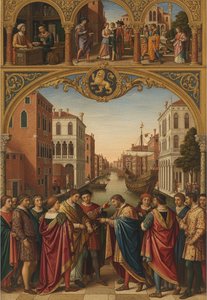
Vittore Carpaccio: Venetian Renaissance Narrative & the Poetics of Detail
Explore the captivating world of Vittore Carpaccio, a master storyteller of the Venetian Renaissance. Discover his intricate details, narrative cycles like 'The Legend of St. Ursula,' and unique artistic style.
Jacopo Tintorettos 25 Mästerverk: Drama, Ljus och Renässansens Storhet – Konst för Ditt Hem
Utforska Jacopo Tintorettos 25 mest ikoniska målningar – en resa genom venetiansk renässans och dramatiskt ljusspel. Upptäck historierna bakom mästerverken och finn inspiration till din inredning med konsttryck av högsta kvalitet på OriginalUniqueArt.com.


