Visa i rummet
 Skicka
 Dela
Dela
 Detaljer
 Studentguide för konstverk

 Ladda ner
 Liknande objekt
 Röntgen
 Bildspel
 Besökstatistik
Vävare
 Olja på duk
- Väggkonst
- Realism
 1884
1884- talet
 61.0 x 48.0 cm
 Kröller-Müller Museet
 Läs mer
Giclée / Konsttryck
Giclée- eller canvasprint av museumskvalitet med snabb produktion och flexibla ytbehandlingsalternativ. ( Köp handmålat konstverk Byt till digital bildförsäljning)




P118B Skr10

P118H Skr10

P118W Skr10

P438Z Skr10

P508JH Skr12

P508YH Skr12

P805H Skr10

P805Z Skr10

P919BZ Skr10

P919G Skr10

P919XJ Skr10

P959ZH Skr10

P968JZ Skr12

W106C Skr8

W218G Skr10

W218JH Skr8

W218Y Skr10

W307PJ Skr10

W316G Skr10

W316PJ Skr8

W316Y Skr10

W398PJ Skr8

W4111J Skr10

W500HY Skr15

W500JH Skr15

W692G Skr12

W849H Skr8

W940BG Skr15

W953PJ Skr8




Välj bland våra förinställda storlekar som motsvarar konstverkets ursprungliga proportioner.

Ange den bredd och höjd du behöver, för att passa din ram eller din vägg. Ett tryck kan endast beskäras, aldrig göras större än bilden, vilket innebär att ett format med en annan formform leder till att en del av bilden går förlorad. Vi skickar en digital mockup för godkännande innan vi trycker något. Bilden som visas på denna sida visar inte den faktiska beskärningen — det är endast mockuppen som gör det.
Leverans över hela världen () på 2 veckor istället för standard 4/5 veckor. (25 oktober)

Fri expressfrakt över hela världen

Högkvalitativ linnecanvas

Fullständig fraktförsäkring

Garantier för återbetalning av tullavgifter

Garantier för exakt färgåtergivning

100 dagars returrätt vid fabrikationsfel

100% pengarna tillbaka-garanti

Mängdrabatt erbjuds
 Glasalternativet är endast tillgängligt i storlekar under 110 cm.

Vävare
Giclée / Konsttryck
Reproduktionsstorlek
-


Totalpris
Skr 793
Vincent van Goghs Weaver – En Porträtt av Rural Livets Stilla Dedikation
Vincent van Goghs ”Weaver”, målad år 1884, är ett verk som erbjuder mer än bara en bild av vardagens praktiska aktiviteter; det är ett mäktigt uttryck för konstnärlig passion och en berättelse om en människa som sökte efter mening och skönhet i den enkla världen omkring honom. Detta målade verk finns nu hemma hos Kröller-Müller Museum i Otterlo, Nederländerna och är ett av de första exemplen på hans tidiga realism innan han utvecklade sitt senare impressionistiska språk.
Historisk Kontext och Inspiration
År 1880-talet genomgick Nederländerna betydande samhällsförändringar när industrilandskapets dominans började hota den traditionella lantbrukslivsstilen. Vävare och andra arbetare kämpade för att överleva i denna nya värld, vilket inspirerade Van Gogh till att skapa ett verk som skulle dokumentera denna förgängliga kultur med både ärlighet och empati. ”Weaver” är en del av en serie målningar där han skildrade livet på landet och försökte fånga essensen av arbetarklassens erfarenheter genom sina färger och penseldrag.
Komposition, Teknik och Konstnärlig Stil
Målningen är ett oljemålning på duk som mäts 61 x 48 cm och utförs med en imponerande realism. Kompositionen fokuserar på en man vid vävmaskinen, vars koncentration och stillhet förmedlar arbetarens engagemang och fokus. Bakgrunden är enkel och domineras av ett vitt vägg som kontrasterar mot vävmaskinens mörka toner och vävarens kläder. Detta skapar en atmosfär av lugn och reflektion där varje detalj är noggrant återgiven för att skapa en känsla av autenticitet.
Symbolism och Emotionell Inverkan
”Weaver” är mer än bara ett tekniskt mästerverk; det är också laddat med symbolisk betydelse. Vävaren själv representerar arbetsmoral, envishet och människans förmåga att skapa något av inget – egenskaper som Van Gogh värderade högt och som han försökte förmedla genom sitt konstverk. Färgschemat är valt för att skapa en känsla av melankoli och isolering, vilket återspeglar arbetarklassens kamp för att upprätthålla sina traditionella värderingar i en värld där industrilandskapets dominans hotade deras överlevnad. Detta målade verk är ett testament till människans förmåga att hitta skönhet och mening även i de mest enkla aspekterna av livet.
Teknikens Detaljer och Konstnärligt Utforskande
Van Goghs teknik visar en betydande utveckling från hans senare verk där han använde ljusare färger och mer dynamiska penseldrag. Här använder han däremot ett dämpat palett av bruna, gråa och röda för att skapa atmosfären i vävmaskinens arbetsrum – ett rum präglat av damm, skuggor och lugn koncentration. De tjocka penselstrosorna är karakteristiska för hans stil även i sina tidiga verk och bidrar till en känsla av fysisk närvaro och realism genom att skapa komplexa texturer.
Frågor och svar
Vilken känsla förmedlar Realism-verket "Vävare"?
Den Melankolisk känslan i "Vävare" ackompanjeras av dess Realism-stil.
Vilka är proportionerna för "Vävare" av Vincent Van Gogh, och hur stor är den?
Formatet för "Vävare" är Liggande format och originalet mäter 61 x 48 cm. Båda är användbara vid planering av en reproduktion.
Hur kan jag köpa ett tryck av "Vävare" av Vincent Van Gogh?
Ett tryck av "Vävare" av Vincent Van Gogh kan beställas direkt på dess Konsttryck i hög kvalitet-sida: ett konsttryck på bomullscanvas eller arkivbeständigt canvaspapper.
Om konstnären
Ett liv målat i passion: Vincent van Gogh
Vincent Willem van Gogh, ett namn synonymt med levande färger och rå emotion, förblir en av de mest igenkännbara och älskade gestalterna i konsthistorien. Han föddes den 30 mars 1853 i Zundert, Nederländerna, och hans resa från en sökande ung man till en konstnärlig visionär är en gripande berättelse om hängivenhet, kamp och slutligen ett evigt arv. Trots att han uppnådde liten kommersiell framgång under sin livstid – med endast ett sålt verk, The Red Vineyard, före sin död – är Van Goghs inverkan på den moderna konsten omätbar; han banade väg för expressionismen och inspirerade otaliga efterföljande konstnärer. Hans historia handlar inte bara om penseldrag och dukar, utan är ett vittnesbörd om den mänskliga uttrycksförmågan i mötet med motgångar.
De tidiga åren och den konstnärliga uppvaknandet
Van Goghs tidiga liv präglades av en serie ouppfyllda ambitioner. Han prövade olika yrken – som konsthandlare, lärare och till och med missionär – innan han slutligen ägnade sig åt måleriet vid den relativt sena åldern av 27 år. Dessa tidigare erfarenheter formade hans världsbild djupt och fann sin väg in i hans konst. Hans tidiga verk, som skildrade scener ur bondelivet på den belgiska landsbygden, speglar en djup empati för arbetarklassen och en dämpad palett som reflekterar deras hårda livsvillkor. Inspirerad av konstnärer som Jean-François Millet strävade Van Gogh efter att fånga dessa människors värdighet och motståndskraft genom en karg realism. Det var dock flytten till Paris 1886 som blev transformativ. Där mötte han impressionismen och postimpressionismen, och sög åt sig teknikerna från mästare som Monet, Renordination, Renoir och Pissarro. Detta möte vidgade hans konstnärliga horisonter och ledde honom till att experimentera med ljusare färger och lösare penseldrag, även om han behöll en distinkt emotionell intensitet som saknades hos många av hans samtida. Hans bror Theo, en konsthandlare, spelade en avgörande roll under denna period genom att erbjuda ekonomiskt stöd och fungera som en livsviktig länk till den parisiska konstvärlden. Deras omfattande korrespondens erbjuder ovärderliga inblickar i Van Goghs konstnärliga utveckling och personliga kamp.
Det södra ljuset och den explosiva kreativiteten
I sökandet efter ett mer levande landskap och en känsla av förnyelse flyttade Van Gogh till Arles i södra Frankrike 1888. Denna flytt markerade en period av intensiv kreativ produktion, kännetecknad av en explosion av färg och en distinkt impastoteknik – där färgen applicerades tjockt på duken för att skapa en texturerad yta som tycks pulsera av energi. Det var här han skapade några av sina mest ikoniska verk: Solrosor, Nattcaféet och Stjärnnatt. Det intensiva solljuset i Provence tycktes tända hans fantasi och ledde honom till att avbilda landskap och stilleben med en tidigare osedd vitalitet. Hans önskan om konstnärligt samarbete fick honom att bjuda in Paul Gauguin till Arles, i hopp om att etablendo en utopisk konstnärskoloni. Deras relation visade sig dock vara instabil och kulminerade i en dramatisk konfrontation som resulterade i att Van Gogh skar av sitt eget öra. Denna händelse underströk hans mentala tillstånd skörhet och markerade början på en period av institutionalisering och ökande psykisk nöd.
De sena åren och det bestående arvet
Efter sitt sammanbrott lade sig Van Gogh frivilligt in på ett asyl i Saint-Rémy, där han fortsatte att måla flitigt och fångade de omgivande landskapen med både skönhet och turbulens. Verk som Stjärnnatt, målade under denna tid, är genomdränkta av en känsla av kosmiskt förundran och ett djupt emotionellt djup. Han flyttade senare till Auvers-sur-Oise under vård av Dr. Paul Gachet, men hans kamp fortsatte. Den 29 juli 1890, vid 37 års ålder, dog Van Gogh tragiskt av ett skott orsakat av honom själv. Trots att han fick lite erkännande under sin livstid, började hans verk vinna eftermäle, mycket tack vare den outtröttliga insatsen från hans svägerska, Johanna van Gogh-Bonger, som ärvde hans kvarlåtenskap och vigde sitt liv åt att främja hans konst. Idag firas Van Goghs målningar över hela världen för sin emotionella intensitet, sina innovativa tekniker och sin tidlösa skönhet. Hans arv sträcker sig långt bortom duken; han har blivit en symbol för konstnärlig passion, uthållighet inför motgångar och konsten att uttrycka de djupaste mänskliga känslorna.
Viktiga influenser och konstnärlig utveckling
- Tidig realism: Jean-François Millet’s skildringar av bondelivet påverkade Van Goghs tidiga verk.
- Impressionism & Postimpressionism: Mötet med Monet, Renoir, Pissarro och andra i Paris vidgade hans palett och teknik.
- Japanska träsnitt: Van Gogh var djupt influerad av japanska träsnitt som han samlade på med stor entusiasm. Deras djärva kompositioner och plana färgfält påverkade hans egen stil.
- Emotionellt uttryck: Framför allt strävade Van Gogh efter att förmedla känslor genom sin konst, där han prioriterade den subjektiva upplevelsen framför objektiv representation. Detta fokus på emotionell intensitet blev ett definierande drag i hans arbete och banade väg för expressionismen.
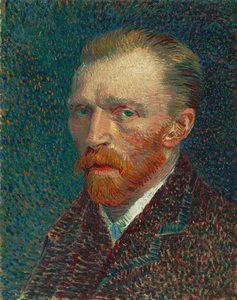
Vincent Van Gogh
1853 - 1890 , Nederländerna
Snabbfakta
- Artistic Movement Or Style: Postimpressionism
- Artists Or Movements Influenced By This Artist:
- Expressionism
- Fauvismer
- Artists Who Influenced This Artist:
- Rembrandt
- Millet
- Date Of Birth: 30 mars 1853
- Date Of Death: 29 juli 1890
- Full Name: Vincent Willem van Gogh
- Nationality: Nederländska
- Notable Artworks:
- Potatösograferna
- Solrosor
- Stjärnkval
- Nattkaféet
- Place Of Birth: Zundert, Nederländerna
Relaterade artiklar

Jan van Goyen: Master of Dutch Landscape & Atmospheric Perspective
Discover Jan van Goyen, the master of Dutch landscape painting. Explore his subtle technique, atmospheric realism & lasting influence on art history. Learn about this 17th-century pioneer at OriginalUniqueArt.
Decoding Van Gogh's Turmoil: OriginalUniqueArt’s Masterful Reproductions of Emotional Depth
Discover exquisite Van Gogh reproductions from OriginalUniqueArt – expert art specialists offering museum-quality prints & custom paintings. Trust our authentic process and elevate your collection today.

Impressionistic Realism's Finest: 10 Masterpieces for Your Home | OriginalUniqueArt
Journey through Impressionistic Realism with 10 iconic masterpieces by Monet, Renoir & Van Gogh. Explore art history, techniques & find museum-quality reproductions for your home at OriginalUniqueArt.com. Discover all masterpieces online!

Rembrandts 25 Mästerverk: En Konsthistorisk Resa för Hemmet
Utforska Rembrandts 25 mest ikoniska målningar! Lär känna historien bakom mästerverken, hans unika teknik och barockens ljusspel. Köp exklusiva konsttryck & tavlor online på OriginalUniqueArt.com – för en tidlös inredning.
Adriaen van Ostade: A Master of Dutch Genre Painting & Social Commentary
Explore the life & work of Adriaen van Ostade, a leading Dutch Golden Age painter. Discover his realistic genre scenes, social commentary, and lasting influence on art history. Learn more at OriginalUniqueArt.