Förhandsvisa
 Skicka
 Dela
Dela
 Visa detaljer
 Guide
Guide

 Ladda ner
 Liknande objekt
 Röntgen
 Bildspel
 Frågor och svar
 Statistik
Persimon i blomning

- 73.0 x 60.0 cm


 Visa mer
Giclée / Konsttryck
Giclée- eller canvasprint av museumskvalitet med snabb produktion och flexibla ytbehandlingsalternativ. ( Beställ handmålad reproduktion Byt till digital bild)




P118B Skr10

P118H Skr10

P118W Skr10

P438Z Skr10

P508JH Skr12

P508YH Skr12

P805H Skr10

P805Z Skr10

P919BZ Skr10

P919G Skr10

P919XJ Skr10

P959ZH Skr10

P968JZ Skr12

W106C Skr8

W218G Skr10

W218JH Skr8

W218Y Skr10

W307PJ Skr10

W316G Skr10

W316PJ Skr8

W316Y Skr10

W398PJ Skr8

W4111J Skr10

W500HY Skr15

W500JH Skr15

W692G Skr12

W849H Skr8

W940BG Skr15

W953PJ Skr8




Välj bland våra förinställda storlekar som motsvarar konstverkets ursprungliga proportioner.

Ange den bredd och höjd du behöver för att passa din ram eller vägg. Ett tryck kan endast beskäras, aldrig göras större än originalbilden, vilket innebär att ett format med en annan proportion leder till att en del av bilden går förlorad. Vi skickar en digital mockup för godkännande innan vi påbörjar tryckningen. Bilden som visas på denna sida visar inte den faktiska beskärningen — det är endast mockuppen som gör det.
Leverans över hela världen () på 2 veckor istället för standard 4/5 veckor. (4 november)

Fri expressfrakt över hela världen

Högkvalitativ linnecanvas

Fullständig fraktförsäkring

Garantier för återbetalning av tullavgifter

Garantier för exakt färgåtergivning

100 dagars returrätt (endast vid fel)

100% pengarna tillbaka-garanti

Mängdrabatt erbjuds
 Glasalternativet är endast tillgängligt i storlekar under 110 cm.

Persimon i blomning
Giclée / Konsttryck
Storlek på reproduktion
-


Slutgiltigt pris
Skr 813
En Fascinating Skildring av Naturlig Återfödelse – Vincent van Goghs ”Persikoträd i Blomning”
Vincent van Goghs ”Persikoträd i Blomning” från 1888 är en betäckande gestaltning av naturens flyktiga skönhet, som fångar de ömtåliga blommorna på ett persikoträd mot en lugn bakgrund. Detta förtrollande landskap inbjuder tittarna att vandra in i en fridfull värld där vårens livfulla nyanser kontrasteras mot vinterns svala reträtt. Målningen exemplifierar Van Goghs postimpressionistiska stil, kännetecknad av uttrycksfull pensling och en färgpalett som väcker både lugn och eftertanke. Det är mer än bara en landskapsbild; det är ett porträtt av en mänsklig själ i samklang med naturens rytm.
Under sin produktiva period i Arles, Frankrike, återspeglar ”Persikoträd i Blomning” hans djupa uppskattning för den naturliga världen. Målningen visar hans signaturteknik – tjockt applicerad färg och dynamiska penseldrag – som ger scenen en känsla av rörelse och livskraft. Trädet vridna stammen och utsträckta grenar skapar en fokpunkt som drar blicken inåt, medan de mjuka blommorna lägger till en touch av äterisk graciöshet. Van Goghs användning av svala toner – blått, vitt och ljus lila – kontrasteras vackert med de varma rosa- och orangefärgerna i blommorna, vilket skapar en harmonisk balans som är både visuellt slående och emotionellt resonansfull.
Postimpressionismens Maestri: Teknik och Färg
”Persikoträd i Blomning” är ett bevis på Van Goghs förmåga att fånga ljusets och färgens spel, samt hans unika sätt att uttrycka känslor genom färg. Han använde sig av en teknik som kallas impasto – tjockt applicerad färg – vilket skapar en tredimensionell yta där penseldragens textur är synliga och framträdande. Detta ger inte bara ett visuellt intresse utan också en känsla av energi och rörelse, som om trädet andas och lever på duken. De subtila nyanserna i blått och lila skapar en atmosfär av lugn och eftertanke, medan de livfulla rosa- och orangefärgerna i blommorna ger en känsla av hopp och vitalitet. Det är denna kontrast som gör målningen så fängslande och minnesvärd.
Symbolik: Återfödelse och Hopp
Persikoträdet i full blom symboliserar återfödelse, tillväxt och naturens flyktiga skönhet. Van Gogh målade ofta blommande träd som en representation av hopp och nya början – ett tema som resonerar djupt hos betraktaren. Det ensamma trädet står som ett testamente till uthållighet, vilket väcker känslor av ensamhet och introspektion. Målningen fångar ett ögonblick av tyst reflektion, och inbjuder tittarna att stanna upp och uppskatta den enkla men djupa skönheten i den naturliga världen. Det är en påminnelse om livets cykler och potentialen för ny början även under de mest utmanande tiderna.
En Emotionell Djupdykning – Van Goghs Personliga Uttryck
”Persikoträd i Blomning” är mer än bara en landskapsbild; det är ett djupt personligt uttryck för Van Goghs emotionella tillstånd. Målningen speglar hans fascination med ljusets och färgens samspel, samt hans förmåga att förmedla känslor genom färg. Det är en skildring av en man som sökte mening och skönhet i naturen, och vars konst är ett bevis på hans innerliga kamp och passion. Denna målning är ett fönster in i Van Goghs själ, och bjuder oss att dela hans upplevelse av både vackert och sorgligt.
Frågor och svar
Hur knyter "Persimon i blomning" av Vincent Van Gogh samman Post-Impressionist Mastery med konstnärens hemland?
"Persimon i blomning" skapades av Vincent Van Gogh, född i Nederländerna, inom Post-Impressionist Mastery-rörelsen. Konstnärens ursprung knyter verket till Post-Impressionist Mastery så som det utövades av konstnärer från Nederländerna.
Kan "Persimon i blomning" av Vincent Van Gogh, som finns i samlingen på Kröller-Müller Museet, reproduceras lagligt?
Upphovsrättsläget för "Persimon i blomning" av Vincent Van Gogh är tydligt: verket är allmän egendom – upphovsrätten har löpt ut. Dess närvaro på Kröller-Müller Museet ändrar inte den statusen.
Vilken färgton dominerar i "Persimon i blomning"?
En Spektrum från grönt till violett nyans går igenom "Persimon i blomning" av Vincent Van Gogh.
Konstnärsbiografi
Ett liv målat i passion: Vincent van Gogh
Vincent Willem van Gogh, ett namn synonymt med levande färger och rå emotion, förblir en av de mest igenkännbara och älskade gestalterna i konsthistorien. Han föddes den 30 mars 1853 i Zundert, Nederländerna, och hans resa från en sökande ung man till en konstnärlig visionär är en gripande berättelse om hängivenhet, kamp och slutligen ett evigt arv. Trots att han uppnådde liten kommersiell framgång under sin livstid – med endast ett sålt verk, The Red Vineyard, före sin död – är Van Goghs inverkan på den moderna konsten omätbar; han banade väg för expressionismen och inspirerade otaliga efterföljande konstnärer. Hans historia handlar inte bara om penseldrag och dukar, utan är ett vittnesbörd om den mänskliga uttrycksförmågan i mötet med motgångar.
De tidiga åren och den konstnärliga uppvaknandet
Van Goghs tidiga liv präglades av en serie ouppfyllda ambitioner. Han prövade olika yrken – som konsthandlare, lärare och till och med missionär – innan han slutligen ägnade sig åt måleriet vid den relativt sena åldern av 27 år. Dessa tidigare erfarenheter formade hans världsbild djupt och fann sin väg in i hans konst. Hans tidiga verk, som skildrade scener ur bondelivet på den belgiska landsbygden, speglar en djup empati för arbetarklassen och en dämpad palett som reflekterar deras hårda livsvillkor. Inspirerad av konstnärer som Jean-François Millet strävade Van Gogh efter att fånga dessa människors värdighet och motståndskraft genom en karg realism. Det var dock flytten till Paris 1886 som blev transformativ. Där mötte han impressionismen och postimpressionismen, och sög åt sig teknikerna från mästare som Monet, Renordination, Renoir och Pissarro. Detta möte vidgade hans konstnärliga horisonter och ledde honom till att experimentera med ljusare färger och lösare penseldrag, även om han behöll en distinkt emotionell intensitet som saknades hos många av hans samtida. Hans bror Theo, en konsthandlare, spelade en avgörande roll under denna period genom att erbjuda ekonomiskt stöd och fungera som en livsviktig länk till den parisiska konstvärlden. Deras omfattande korrespondens erbjuder ovärderliga inblickar i Van Goghs konstnärliga utveckling och personliga kamp.
Det södra ljuset och den explosiva kreativiteten
I sökandet efter ett mer levande landskap och en känsla av förnyelse flyttade Van Gogh till Arles i södra Frankrike 1888. Denna flytt markerade en period av intensiv kreativ produktion, kännetecknad av en explosion av färg och en distinkt impastoteknik – där färgen applicerades tjockt på duken för att skapa en texturerad yta som tycks pulsera av energi. Det var här han skapade några av sina mest ikoniska verk: Solrosor, Nattcaféet och Stjärnnatt. Det intensiva solljuset i Provence tycktes tända hans fantasi och ledde honom till att avbilda landskap och stilleben med en tidigare osedd vitalitet. Hans önskan om konstnärligt samarbete fick honom att bjuda in Paul Gauguin till Arles, i hopp om att etablendo en utopisk konstnärskoloni. Deras relation visade sig dock vara instabil och kulminerade i en dramatisk konfrontation som resulterade i att Van Gogh skar av sitt eget öra. Denna händelse underströk hans mentala tillstånd skörhet och markerade början på en period av institutionalisering och ökande psykisk nöd.
De sena åren och det bestående arvet
Efter sitt sammanbrott lade sig Van Gogh frivilligt in på ett asyl i Saint-Rémy, där han fortsatte att måla flitigt och fångade de omgivande landskapen med både skönhet och turbulens. Verk som Stjärnnatt, målade under denna tid, är genomdränkta av en känsla av kosmiskt förundran och ett djupt emotionellt djup. Han flyttade senare till Auvers-sur-Oise under vård av Dr. Paul Gachet, men hans kamp fortsatte. Den 29 juli 1890, vid 37 års ålder, dog Van Gogh tragiskt av ett skott orsakat av honom själv. Trots att han fick lite erkännande under sin livstid, började hans verk vinna eftermäle, mycket tack vare den outtröttliga insatsen från hans svägerska, Johanna van Gogh-Bonger, som ärvde hans kvarlåtenskap och vigde sitt liv åt att främja hans konst. Idag firas Van Goghs målningar över hela världen för sin emotionella intensitet, sina innovativa tekniker och sin tidlösa skönhet. Hans arv sträcker sig långt bortom duken; han har blivit en symbol för konstnärlig passion, uthållighet inför motgångar och konsten att uttrycka de djupaste mänskliga känslorna.
Viktiga influenser och konstnärlig utveckling
- Tidig realism: Jean-François Millet’s skildringar av bondelivet påverkade Van Goghs tidiga verk.
- Impressionism & Postimpressionism: Mötet med Monet, Renoir, Pissarro och andra i Paris vidgade hans palett och teknik.
- Japanska träsnitt: Van Gogh var djupt influerad av japanska träsnitt som han samlade på med stor entusiasm. Deras djärva kompositioner och plana färgfält påverkade hans egen stil.
- Emotionellt uttryck: Framför allt strävade Van Gogh efter att förmedla känslor genom sin konst, där han prioriterade den subjektiva upplevelsen framför objektiv representation. Detta fokus på emotionell intensitet blev ett definierande drag i hans arbete och banade väg för expressionismen.
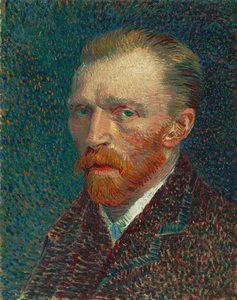
Vincent Van Gogh
1853 - 1890 , Nederländerna
Kortfakta
- Artistic Movement Or Style: Postimpressionism
- Artists Or Movements Influenced By This Artist:
- Expressionism
- Fauvismer
- Artists Who Influenced This Artist:
- Rembrandt
- Millet
- Date Of Birth: 30 mars 1853
- Date Of Death: 29 juli 1890
- Full Name: Vincent Willem van Gogh
- Nationality: Nederländska
- Notable Artworks:
- Potatösograferna
- Solrosor
- Stjärnkval
- Nattkaféet
- Place Of Birth: Zundert, Nederländerna
Relaterade artiklar
Decoding Van Gogh's Turmoil: OriginalUniqueArt’s Masterful Reproductions of Emotional Depth
Discover exquisite Van Gogh reproductions from OriginalUniqueArt – expert art specialists offering museum-quality prints & custom paintings. Trust our authentic process and elevate your collection today.

Rembrandts 25 Mästerverk: En Konsthistorisk Resa för Hemmet
Utforska Rembrandts 25 mest ikoniska målningar! Lär känna historien bakom mästerverken, hans unika teknik och barockens ljusspel. Köp exklusiva konsttryck & tavlor online på OriginalUniqueArt.com – för en tidlös inredning.

Impressionistic Realism's Finest: 10 Masterpieces for Your Home | OriginalUniqueArt
Journey through Impressionistic Realism with 10 iconic masterpieces by Monet, Renoir & Van Gogh. Explore art history, techniques & find museum-quality reproductions for your home at OriginalUniqueArt.com. Discover all masterpieces online!
Beyond Impressionism: Exploring the Emotional Depth and Vibrant Mastery of Post-Impressionist Art
Discover the profound evolution of art beyond Impressionism. Explore the emotional depth, vibrant colors, and revolutionary techniques of Post-Impressionist masters like Van Gogh and Cézanne in this expert guide to art history's most expressive movement.

Postimpressionismens 10 Mästerverk: Konst som Definierade en Epok | OriginalUniqueArt.se
Utforska postimpressionismens 10 mest ikoniska mästerverk med Van Gogh, Monet & Cézanne. Lär känna historien bakom konstverken och deras unika tekniker. Köp museumkvalitativa reproduktioner på OriginalUniqueArt.com – för en tidlös inredning.