

 Förhandsvisa
 Skicka
 Dela
Dela
 Visa detaljer
 Guide
Guide

 Ladda ner
 Liknande objekt
 Röntgen
 Bildspel
 Statistik
The Reaper

 Visa mer
Giclée / Konsttryck
Giclée- eller canvasprint av museumskvalitet med snabb produktion och flexibla ytbehandlingsalternativ. ( Beställ handmålad reproduktion Byt till digital bild)




P118B Skr10

P118H Skr10

P118W Skr10

P438Z Skr10

P508JH Skr12

P508YH Skr12

P805H Skr10

P805Z Skr10

P919BZ Skr10

P919G Skr10

P919XJ Skr10

P959ZH Skr10

P968JZ Skr12

W106C Skr8

W218G Skr10

W218JH Skr8

W218Y Skr10

W307PJ Skr10

W316G Skr10

W316PJ Skr8

W316Y Skr10

W398PJ Skr8

W4111J Skr10

W500HY Skr15

W500JH Skr15

W692G Skr12

W849H Skr8

W940BG Skr15

W953PJ Skr8




Välj bland våra förinställda storlekar som motsvarar konstverkets ursprungliga proportioner.

Ange den bredd och höjd du behöver för att passa din ram eller vägg. Ett tryck kan endast beskäras, aldrig göras större än originalbilden, vilket innebär att ett format med en annan proportion leder till att en del av bilden går förlorad. Vi skickar en digital mockup för godkännande innan vi påbörjar tryckningen. Bilden som visas på denna sida visar inte den faktiska beskärningen — det är endast mockuppen som gör det.
Leverans över hela världen () på 2 veckor istället för standard 4/5 veckor. (27 oktober)

Fri expressfrakt över hela världen

Högkvalitativ linnecanvas

Fullständig fraktförsäkring

Garantier för återbetalning av tullavgifter

Garantier för exakt färgåtergivning

100 dagars returrätt (endast vid fel)

100% pengarna tillbaka-garanti

Mängdrabatt erbjuds
 Glasalternativet är endast tillgängligt i storlekar under 110 cm.

The Reaper
Giclée / Konsttryck
Storlek på reproduktion
-


Slutgiltigt pris
Skr 797
A Moment of Profound Transition: Decoding Boccioni’s “The Reaper”
- Subject and Narrative: “The Reaper” presents a deeply moving scene – a man cradling an infant, standing alongside a woman, before the imposing facade of a church. The presence of an umbrella suggests impending or recent rainfall, adding to the painting’s somber atmosphere. While seemingly straightforward, the image resonates with layers of symbolic meaning relating to life, death, and faith.
- Futurist Roots & Departure: Umberto Boccioni (1882-1916) is best known as a leading figure in the Italian Futurist movement. However, “The Reaper” represents a fascinating divergence from his more overtly dynamic and fragmented style – works like *Unique Forms of Continuity in Space*. While traces of his interest in form simplification are present, this painting leans towards a more figurative and emotionally charged representation. It’s believed to be one of Boccioni's last paintings before his untimely death during World War I.
- Technique & Style: The painting demonstrates Boccioni’s evolving technique. Though not fully abandoning representational form, he employs a simplified approach to figures and architecture. Brushstrokes are visible, contributing to the work's textural quality and emotional intensity. The color palette is muted, dominated by earth tones and grays, reinforcing the sense of melancholy and gravity.
- Historical Context & Symbolism: Created during a period of immense social and political upheaval leading up to and during World War I, “The Reaper” can be interpreted as an allegory for loss and mortality. The church in the background symbolizes faith and tradition, while the reaper figure (implied rather than explicitly depicted) evokes themes of death and transition. The baby represents innocence and the continuation of life, creating a poignant contrast with the looming specter of mortality.
- Emotional Impact & Interpretation: “The Reaper” is not merely a depiction of figures; it’s an exploration of universal human experiences – grief, hope, and the search for meaning in the face of adversity. The painting evokes a sense of quiet contemplation and invites viewers to reflect on their own mortality and connection to something larger than themselves. The ambiguity inherent in the scene allows for multiple interpretations, making it a compelling work for both personal reflection and artistic analysis.
- For Collectors & Designers: This artwork’s subdued palette and emotionally resonant subject matter make it suitable for a variety of interior settings. It would complement spaces designed to foster contemplation or evoke a sense of history and depth. A high-quality reproduction captures the painting's textural nuances and emotional power, adding a touch of artistic sophistication to any collection.
Frågor och svar
Finns det ett faktablad om "The Reaper" av Umberto Boccioni för studenter?
Guiden till "The Reaper" är konstverkets Faktablad för elever-sida – ett utskrivbart faktablad som visar konstverket tillsammans med dess bildtext, källhänvisning och identitetstabell (konstnär, datum, medium, originalstorlek, samling).
Hur harmoniska är färgerna i "The Reaper" av Umberto Boccioni?
"The Reaper" av Umberto Boccioni uppvisar en Balanced Harmony färgharmoni.
Vilken är den övergripande stämningen i "The Reaper" av Umberto Boccioni?
"The Reaper" av Umberto Boccioni beskrivs ha en Nostalgic stämning. Denna klassificering kan hjälpa till att matcha verket med en miljö.
Konstnärsbiografi
A Life Forged in Motion: The Revolutionary Vision of Umberto Boccioni
Umberto Boccioni, född i Reggio Calabria 1882, var en central figur i den italienska futuristiska rörelsen – en kraft som bröt mot konventionella konstnärliga normer och omfamnade det moderna världens dynamik. Hans liv, tragiskt avbrutet vid bara trettio-tre års ålder, blev ett levande bevis på denna passionerade tro på framsteg, fart och den kittlande energin hos maskinåldern. Boccionis tidiga år präglades av ständig omflyttning på grund av hans fars civila tjänst – en barndom som exponerade honom för en mångfald av landskap och inställde en rastlös anda inom honom. Denna nomadiska existens ledde slutligen till Rom, där han först studerade dekorativa konstformer innan han riktade in sig på målning, absorberade influenser från Liberty-stilen hos affischerkonstnärer vid tiden. Men det var hans möte med Futurismen, tändes av Filippo Tommaso Marinettis skrifter, som verkligen satte hans konstnärliga bana i brand.Embracing the Whirlwind: The Rise of a Futurist
Året 1910 visade sig vara en avgörande punkt för Boccioni. Han skrev under *Manifesto dei Pittori Futuristi*, vilket solidifierade hans engagemang för en rörelse som firade teknik, hastighet och till och med våld som emblem för moderniteten. Detta var inte bara ett estetiskt val; det var en filosofisk uppror mot traditionernas tyngd, en önskan att fånga själva essensen av en värld som färdades mot en osäker framtid. Boccioni blev snabbt en av Futurismens mest artikulerade teoretiker, utvidgande Marinettis initiala uttalanden och tillämpade dem på den visuella konsten. Han argumenterade för ett fullständigt brott med representativ noggrannhet, förespråkade istället målningar som förmedlade inte bara *vad* saker såg ut som, utan *hur* de kändes i rörelse – känslan av fart, formernas fragmentering, den överväldigande energin hos stadslivet. Hans tidiga verk, även om de fortfarande antydde influenser från Impressionism och Divisionism, började visa denna växande besatthet av dynamik. Verk som *The City Rises* (1910-1911) är monumentala i skala och ambition, skildrar den kaotiska konstruktionen av en modern stad – en virvelvind av mänskliga figurer, byggnader och maskiner som uttrycker Futurismens ideal.Deconstructing Reality: Technique and Themes
Boccionis konstnärliga utveckling präglades av ett alltmer radikalt tillvägagångssätt för form. Han avvek från traditionella synsätt på perspektiv och komposition, omfamnade fragmentering som ett sätt att förmedla rörelse och energi. Objekt brutna ner i sina beståndsdelar, kraftlinjer strålade utåt och färger blandades i virvlande mönster – allt designat för att skapa en känsla av visuell vibration. Denna dekonstruktion var inte bara stilistisk; den var rotad i Boccionis övertygelse om att verkligheten själv var flytande och ständigt förändrande. Han sökte att representera inte den statiska utseendet på saker, utan deras dynamiska essens. Detta illustreras kraftfullt i verk som *Dynamism of a Human Body* (1913), där en figur skildras inte som en fast form utan som en serie fragmenterade former som antyder rörelse genom rymden. Hans mest ikoniska skapelse, *Unique Forms of Continuity in Space* (1913), transcenderar måleriet helt – en bronsstaty som uttrycker Futurismens ideal med hänförande kraft. Figuren framstår som fångad mitt i ett steg, dess lemmar och torso förlängda och förvrängda, vilket förmedlar en känsla av stopplös momentum.Influences and Artistic Evolution
Boccioni’s artistic journey was shaped by a diverse range of influences. He initially studied under Giacomo Balla in Rome, absorbing the techniques of Divisionism – a style characterized by breaking down colors into small, distinct brushstrokes to create an effect of movement and vibration. This early exposure to divisionist principles would later inform his own approach to representing dynamism. Furthermore, he was deeply influenced by the writings of Friedrich Nietzsche, whose philosophy of eternal recurrence and the celebration of life’s fleeting beauty resonated with Boccioni's desire to capture the energy of the modern world. He also drew inspiration from Cubism, particularly its fragmentation of form and its exploration of multiple perspectives – although his approach differed significantly from Picasso and Braque’s analytical cubism, as Boccioni sought to represent movement rather than static representation.Legacy and Lasting Impact
Boccioni’s untimely death in 1916, under the horrors of World War I, tragically cut short a brilliant career. Despite this loss, his ideas and artworks continued to exert a profound influence on subsequent generations of artists. He profoundly influenced not only Futurist artists but also movements like Constructivism and Abstract Expressionism. His exploration of motion, dynamism, and the representation of modern life paved the way for new forms of artistic expression, challenging traditional notions of beauty and representation. His work is not merely about depicting motion; it's about embodying it. Umberto Boccioni remains a potent symbol of artistic innovation – a testament to the power of embracing change and challenging the status quo. He wasn’t simply an artist; he was a prophet of modernity, capturing the spirit of a world on the cusp of transformation and leaving behind a legacy that continues to reverberate through the art world today.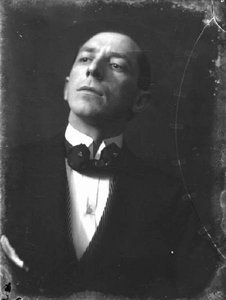
Umberto Boccioni
1882 - 1916 , Italien
Kortfakta
- Artistic Movement Or Style: Futurism
- Artists Or Movements Influenced By This Artist:
- Konstruktivism
- Abstrckt expressionism
- Artists Who Influenced This Artist:
- Giacomo Balla
- Divisionism
- Date Of Birth: 1882-10-19
- Date Of Death: 1916-08-17
- Full Name: Umberto Boccioni
- Nationality: Italienare
- Notable Artworks:
- Dynamism mänsklig kropp
- Unika former av kontinuitet i rymden
- Staden stiger
- Place Of Birth: Reggio Calabria, Italien
Relaterade artiklar

Umberto Boccioni: Dynamism, Futurist Ideals & the Evolution of Modern Sculpture
Explore the revolutionary art of Umberto Boccioni, a leading figure of Futurism. Discover his iconic sculptures & paintings, and delve into the movement's impact on modern art history with OriginalUniqueArt.

Carlo Carrà: Futurist Visions & Metaphysical Transformations in Early 20th-Century Italian Painting
Explore the artistic journey of Carlo Carrà, a pivotal figure in Italian Futurism & Metaphysical painting. Discover his dynamic compositions, collaborations with de Chirico, and lasting influence on modern art history.
The Eloquence of Arrangement: Compositional Strategies in Western Art from the Renaissance to Modernism
Explore the evolution of compositional strategies in Western art! Discover how masters like Raphael & Zurbaran used perspective, proportion, and dynamic arrangement to create timeless masterpieces. Enhance your art appreciation today!
Mario Sironi: A Poetic of Modern Italian Identity Through Symbolism & Social Commentary
Explore the profound works of Mario Sironi, a key figure in Italian Modernism. Discover his evolution from Futurism to Metaphysical painting and his powerful social commentary. Learn about his legacy at OriginalUniqueArt.

Speed, Power, and Motion: A Definitive Guide to the Italian Futurist Art Movement
Explore the dynamic world of Italian Futurism. Discover how masters like Umberto Boccioni captured speed, power, and modernity through revolutionary techniques. A definitive guide for art historians and collectors seeking to understand the movement that redefined the machine age.


