
 Förhandsvisa
 Skicka
 Dela
Dela
 Visa detaljer
 Guide
Guide

 Ladda ner
 Liknande objekt
 Röntgen
 Bildspel
 Frågor och svar
 Statistik
Pope Paul III

- 106.0 x 85.0 cm


 Visa mer
Giclée / Konsttryck
Giclée- eller canvasprint av museumskvalitet med snabb produktion och flexibla ytbehandlingsalternativ. ( Beställ handmålad reproduktion Byt till digital bild)




P118B Skr10

P118H Skr10

P118W Skr10

P438Z Skr10

P508JH Skr12

P508YH Skr12

P805H Skr10

P805Z Skr10

P919BZ Skr10

P919G Skr10

P919XJ Skr10

P959ZH Skr10

P968JZ Skr12

W106C Skr8

W218G Skr10

W218JH Skr8

W218Y Skr10

W307PJ Skr10

W316G Skr10

W316PJ Skr8

W316Y Skr10

W398PJ Skr8

W4111J Skr10

W500HY Skr15

W500JH Skr15

W692G Skr12

W849H Skr8

W940BG Skr15

W953PJ Skr8




Välj bland våra förinställda storlekar som motsvarar konstverkets ursprungliga proportioner.

Ange den bredd och höjd du behöver för att passa din ram eller vägg. Ett tryck kan endast beskäras, aldrig göras större än originalbilden, vilket innebär att ett format med en annan proportion leder till att en del av bilden går förlorad. Vi skickar en digital mockup för godkännande innan vi påbörjar tryckningen. Bilden som visas på denna sida visar inte den faktiska beskärningen — det är endast mockuppen som gör det.
Leverans över hela världen () på 2 veckor istället för standard 4/5 veckor. (10 november)

Fri expressfrakt över hela världen

Högkvalitativ linnecanvas

Fullständig fraktförsäkring

Garantier för återbetalning av tullavgifter

Garantier för exakt färgåtergivning

100 dagars returrätt (endast vid fel)

100% pengarna tillbaka-garanti

Mängdrabatt erbjuds
 Glasalternativet är endast tillgängligt i storlekar under 110 cm.

Pope Paul III
Giclée / Konsttryck
Storlek på reproduktion
-


Slutgiltigt pris
Skr 813
The Weight of Papal Power: Titian’s ‘Pope Paul III’
Titian's “Pope Paul III,” painted between 1575 and 1576, is more than just a portrait; it’s a meticulously crafted tableau of power, age, and the subtle anxieties of Renaissance Rome. Commissioned during the twilight years of Pope Paul III’s reign – a period marked by political intrigue and dynastic maneuvering – this oil-on-canvas masterpiece offers a rare glimpse into the mind of a man who wielded immense authority while grappling with the complexities of family legacy and papal succession. The painting, now housed in the Museo di Capodimonte in Naples, immediately commands attention with its rich palette and masterful use of light and shadow, hallmarks of Titian’s signature style.
Titian, a pivotal figure in Venetian art history, was renowned for his ability to capture not just physical likeness but also the very essence of his subjects. In “Pope Paul III,” he achieves this with remarkable skill. The Pope himself is depicted as an older man, his face etched with lines that speak of years spent navigating the treacherous currents of papal politics. His gaze is direct and penetrating, conveying a sense of weary wisdom and perhaps even a hint of cynicism – qualities rarely associated with portraits of religious leaders. The flowing red robe, a symbol of papal authority, contrasts sharply with the muted tones of the background, drawing the viewer’s eye to the central figure.
A Portrait Steeped in Historical Context
To fully appreciate “Pope Paul III,” it's crucial to understand the tumultuous historical backdrop against which it was created. The painting emerged during a period of significant upheaval in Europe, marked by religious conflict and shifting alliances. Pope Paul III inherited a papacy weakened by the Sack of Rome in 1527, an event that profoundly impacted the Catholic Church’s prestige and authority. He faced immediate challenges – including the rise of Protestantism and the ambitions of powerful European monarchs like Charles V – and sought to consolidate his family's influence within the Vatican hierarchy.
The commission itself is laden with symbolism. The painting was intended for both the Palazzo Ducale in Venice, where Doge Antonio Grimani served as a key patron, and for Philip II of Spain, commemorating Spain’s victory at the Battle of Lepanto – a pivotal moment in the struggle against Ottoman expansion. This dual commission underscores Paul III's strategic efforts to cultivate alliances with powerful European nations, particularly those involved in combating the spread of Protestantism.
The Language of Symbolism and Technique
Titian’s technical mastery is evident throughout “Pope Paul III.” He employs a loose, expressive brushstroke – a characteristic feature of Venetian painting – to create a sense of movement and vitality. The folds of the papal robes are rendered with remarkable detail, while the subtle variations in light and shadow imbue the portrait with depth and realism. Notably, Titian deliberately avoids idealizing the Pope’s appearance, opting instead for a more honest and unflinching portrayal of aging and experience.
Beyond the technical aspects, the painting is rich in symbolic detail. The presence of two young boys – Alessandro and Ottavio Farnese, grandsons of the Pope – subtly highlights the importance of family succession and dynastic ambitions within the papacy. Their youthful energy provides a counterpoint to the Pope’s aged demeanor, suggesting a transition of power and a concern for the future of the Church.
Emotional Resonance and Lasting Legacy
“Pope Paul III” is not merely a formal portrait; it's a powerful meditation on age, authority, and the burdens of leadership. The painting’s enduring appeal lies in its ability to evoke a sense of both grandeur and vulnerability. It invites viewers to contemplate the complexities of human nature – the interplay between power and responsibility, ambition and humility.
Reproductions of this iconic artwork offer an exceptional opportunity to bring Titian's masterful vision into any setting. Whether adorning a grand salon or a more intimate space, “Pope Paul III” serves as a timeless reminder of the enduring legacy of one of history’s greatest painters.
Frågor och svar
Vilken tryckstorlek på "Pope Paul III" av Titian passar det rekommenderade rummet?
För ett Living Room är den rekommenderade tryckstorleken för "Pope Paul III" av Titian Large.
Vilket rum rekommenderas "Pope Paul III" av Titian för?
"Pope Paul III" av Titian rekommenderas för ett Living Room. Detta förslag baseras på verkets motiv, färger och stämning.
Vilken teknik och vilket årtal gäller för "Pope Paul III" av Titian?
"Pope Paul III" av Titian är utförd i Oil On Canvas och verket är daterat 1545.
Konstnärsbiografi
The Venetian Titan: A Life in Color and Canvas
Tiziano Vecellio, känd världen över som Titian, står som en monumental figur i den italienska Renässansen – kanske dess mest hyllade färgist och en mästare som omskapade möjligheterna för oljefärgteknik. Född omkring 1490 i Pieve di Cadore, inbäddad mitt i de dramatiska landskapen i den venetianska Alperna, är hans resa från enkla början till internationellt erkännande ett testamente till enastående talang och en obeveklig dedikation till konstnärliga innovationer. Detaljerna kring Titian’s tidiga liv förblir något grumliga i dunkel, men vi vet att han var en av flera barn födda till Gregorio Vecellio, en militärman, och Lucia. Familjen såg till att deras söner’s potential och ordnade för att den unga Tiziano och hans bror Francesco skulle bli lärlingar hos en konstnär i Venedig – ett beslut som oåterkalleligt förändrade konstens gång.
Venedig vid tidens början av 1500-talet var ett pulserande centrum för handel, kultur och konstnärlig ferment. Titian’s första utbildning ägde rum i Sebastiano Zuccatos verkstad, en mosaikist, följt av korta perioder under Gentile Bellinis lärdomar och, framför allt, hans brors lärdomar Giovanni. Det var dock hans association med Giorgione – en annan venetiansk målare vars verk besatt en eterisk poetisk kvalitet – som visade sig vara mest formativ. De två konstnärerna samarbetade på flera projekt, inklusive de yttre freskerna för Fondaco dei Tedeschi, ett livligt handelsställe för tyska köpmän. Även i dessa tidiga verk var Titian’s exceptionella skicklighet uppenbar, vilket fick honom att bli erkänd bland sina samtida och förutspåde den snart blomstrande glansen.
En Mästar’s Utvecklande Stil
Titian’s konstnärliga utveckling kan karaktäriseras av en anmärkningsvärd mångsidighet och en pågående utforskning av måleritekniker. Hans tidiga verk, starkt influerade av Giorgione, visar en delikat lyrik och en skicklig användning av färg för att skapa atmosfäriska effekter. Målningar som *A Man with a Quilted Sleeve* (cirka 1509) demonstrerar hans växande talang för porträtt, fångar inte bara subjektets fysiska likhet utan också deras inre karaktär. När han mognade började Titian att avvika från Giorgione’s subtila tonaliteter och omfamna ett mer dramatiskt tillvägagångssätt för färg. *The Visitation of Mary and Elizabeth* (nu i Accademia, Venedig) exemplifierar denna förändring, vilket visar hans växande självförtroende i att hantera komplexa kompositioner och livfulla nyanser. Han experimenterade med olika penseldrag – från släta, blandade ytor till lösa, uttrycksfulla markeringar – och utvecklade en unik teknik för att lagerfärg för att skapa ljusa effekter. Hans porträtt blev kända för sin psykologiska djup och realistisk skildring av texturer och tyger. Samtidigt utmärkte han sig i mytologiska och religiösa ämnen, vilket gav dem en sensualitet och dramatik som fångade publikens uppmärksamhet.
Under sin långa karriär fortsatte Titian konsekvent att pressa de konstnärliga gränserna. Han experimenterade med olika färger, hans lösa penseldrag och hans betoning på att fånga den mänskliga tillståndets emotionella essens hade en djupgående inverkan på generationer av konstnärer. Från Peter Paul Rubens och Rembrandt till Eugène Delacroix och Édouard Manet, otaliga målare hämtade inspiration från hans mästerverk. Han anses vara en nyckelperson i övergången från den höga Renässansen till barocken, vilket banar väg för nya konstnärliga stilar och metoder.
Patronage, Prestige och Bestående Inverkan
Titian’s talang lockade uppmärksamhet från inflytelserika mecenater över hela Europa. Han var hovmålare åt kejsaren Karl V, kung Filip II av Spanien och påven Paulus III, bland andra. Detta mecenat gav honom inte bara ekonomisk säkerhet utan också möjligheten att skapa monumentala verk som visade hans konstnärliga skicklighet i stor skala. Hans förmåga att anpassa sin stil till olika hovarnas smaker samtidigt som han bibehöll sin egen distinkta röst är ett testamente till hans exceptionella talang och diplomatiska finesse.
Titian’s inflytande sträckte sig långt bortom hans livstid. Hans innovativa användning av färg, hans lösa penseldrag och hans betoning på att fånga den mänskliga tillståndets emotionella essens hade en djupgående inverkan på generationer av konstnärer. Han är allmänt erkänd som en av de största konstnärerna i den italienska Renässansen.
Utforska vidare
- Museer & Samlingar: Upptäck Titian’s verk på Scuola del Santo i Padua och San Salvador i Venedig, båda som visar hans fantastiska fresker.
- Relaterade konstnärer: Utforska Giorgione’s inflytande på Titian’s tidiga stil och den senare effekten av Titian på konstnärer som Rubens och Delacroix.
- Historisk kontext: Fördjupa dig i världen av den italienska Renässansen och venetiansk målning för att fullt ut uppskatta Titian’s konstnärliga prestationer.

Titian
1490 - 1576 , Italien
Kortfakta
- Artistic Movement Or Style: Venedensk målart
- Artists Or Movements Influenced By This Artist: ['Senare italienska renässansen']
- Artists Who Influenced This Artist:
- Giovanni Bellini
- Giorgione
- Date Of Birth: c. 1490
- Date Of Death: 1576
- Full Name: Tiziano Vecellio
- Nationality: Italienare
- Notable Artworks:
- Mannen med den quiltade ärmen
- Besökandet
- Place Of Birth: Pieve di Cadore, Italien
Relaterade artiklar

Paul Klee: A Poetics of Form and Color – Exploring the Inner Landscape of a Modern Master
Explore the captivating world of Paul Klee! Discover his innovative art, Bauhaus influence, & unique symbolic language. Expert analysis & high-quality reproductions at OriginalUniqueArt.

Paul Klees 25 Mästerverk: En Konstnärlig Resa för Hemmet och Själens Fröjd
Utforska Paul Klees 25 mest ikoniska målningar! Fördjupa dig i hans abstrakta värld av färg, expressionism och unik konstnärlig stil. Hitta inspiration till ditt hem med reproduktioner av högsta kvalitet på OriginalUniqueArt.com – din källa för tidlös konst.

Mastering Color and Light: The Timeless Brilliance of Titian's Venetian Masterpieces
Explore the luminous mastery of Titian. Discover how the Venetian master revolutionized color and light through breathtaking Renaissance techniques, from Venus Anadyomene to profound allegories, and learn to bring this timeless brilliance into your private collection.

Paul Cézannes 25 Mästerverk: En Konsthistorisk Resa för Hemmet
Utforska Paul Cézannes 25 mest ikoniska målningar! Fördjupa dig i impressionismens värld, från Mont Sainte-Victoire till stillsben. Hitta inspiration & museumkvalitativa konsttryck på OriginalUniqueArt.com.
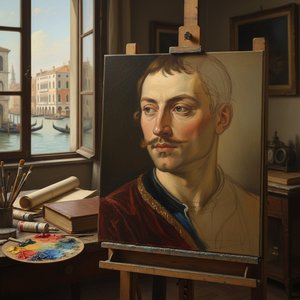
Titian: Innovation, Technique & the Venetian Renaissance Portrait Tradition
Explore the revolutionary techniques & enduring legacy of Titian, the master of Venetian Renaissance portraiture. Discover insights for collectors & appreciate his impact on art history.


