

 Visa i rummet
 Skicka
 Dela
Dela
 Detaljer
 Studentguide för konstverk

 Ladda ner
 Liknande objekt
 Röntgen
 Bildspel
 Besökstatistik
Emperor Charles
 Oil On Canvas
- WallArt
- Baroque Renaissance
 1548
1548- Renaissance
 332.0 x 279.0 cm
 Läs mer
Handgjord oljereproduktion
Handmålad olja på duk i din valda storlek och ram, tillverkad efter beställning av våra konstnärer. ( Byt till tryckta exemplar Byt till digital bildförsäljning)




P118B Skr10

P118H Skr10

P118W Skr10

P438Z Skr10

P508JH Skr12

P508YH Skr12

P805H Skr10

P805Z Skr10

P919BZ Skr10

P919G Skr10

P919XJ Skr10

P959ZH Skr10

P968JZ Skr12

W106C Skr8

W218G Skr10

W218JH Skr8

W218Y Skr10

W307PJ Skr10

W316G Skr10

W316PJ Skr8

W316Y Skr10

W398PJ Skr8

W4111J Skr10

W500HY Skr15

W500JH Skr15

W692G Skr12

W849H Skr8

W940BG Skr15

W953PJ Skr8




Välj bland våra förinställda storlekar som motsvarar konstverkets ursprungliga proportioner.

Du kan ange egna mått för att passa en specifik ram eller yta. Om den valda storleken inte matchar originalbildens proportioner kommer vi antingen att beskära konstverket eller utöka målningen med ytterligare handmålade element. En digital skiss skickas till dig för godkännande innan produktionen påbörjas.
Observera att förhandsvisningen på skärmen inte återspeglar den faktiska beskärningen eller utökningen. Endast skissen visar den slutgiltiga kompositionen korrekt.
Även om anpassade storlekar är möjliga, rekommenderar vi att du väljer en dimension från den fördefinierade listan för att bevara originalproportionerna.
Efter beställning kommer OriginalUniqueArt.com team att mejla kunden för instruktioner och tillhandahålla en skissförhandsvisning
Leverans över hela världen () på 3–4 veckor istället för standard 5 veckor. (11 oktober). Inga kompromisser med kvaliteten.

Fri expressfrakt över hela världen

Högkvalitativ linnecanvas

Fullständig fraktförsäkring

Garantier för återbetalning av tullavgifter

Garantier för exakt färgåtergivning

100 dagars returrätt vid fabrikationsfel

100% pengarna tillbaka-garanti

Mängdrabatt erbjuds
 Glasalternativet är endast tillgängligt i storlekar under 110 cm.

Emperor Charles
Tryckteknik
Reproduktionsstorlek
-


Totalpris
Skr 2909
A Regal Vision in Crimson and Gold
In the grand tapestry of the Italian Renaissance, few images command the eye with such immediate, breathtaking authority as Titian’s Emperor Charles. This monumental oil-on-canvas masterpiece, completed in 1548, is far more than a mere portrait; it is a visceral embodiment of imperial power and the heavy mantle of leadership. As the viewer approaches this work, they are met with a scene of dynamic movement and profound dignity, where the Emperor sits atop his horse, a figure of unshakeable resolve amidst the swirling energies of a changing Europe. The painting captures a pivotal moment in history—the Diet of Augsburg—where the fate of religious and political landscapes hung in the balance. Through Titian's lens, we do not just see a ruler; we witness the very spirit of an era defined by conquest, piety, and the sheer weight of Habsburg ambition.
The composition is a masterclass in controlled energy. The central figure of Charles V, clad in gleaming armor that reflects the light with a metallic brilliance, serves as the anchor for a scene teeming with life. A striking red feather adornutments his hat, providing a sharp, passionate contrast to the more somber tones of the landscape and the horse's powerful musculature. Even the subtle inclusion of nature—a distant tree and birds drifting through the sky—adds a layer of depth that makes the world within the frame feel infinite. For the collector or interior designer, this piece offers an unparalleled sense of scale and drama, making it a transformative centerpiece for any space that seeks to evoke a sense of history and timelessness.
The Mastery of Venetian Color and Texture
To behold this work is to experience the pinnacle of Titian’s technical genius. As the preeminent colorist of his age, Titian utilized a revolutionary approach to oil painting that continues to captivate modern sensibilities. He employed the delicate technique of sfumato, creating soft, smoky transitions around the edges of the Emperor and his steed, which lends an ethereal, almost dreamlike quality to the atmosphere. This prevents the portrait from feeling static, instead imbuing it with a living, breathing vitality. Complementing this softness is Titian’s bold use of impasto; the thick, textured application of paint on the armor and the horse's harness creates a tactile richness that catches the light, inviting the eye to wander over every meticulously rendered detail.
The palette itself is a symphony of imperial splendor. Deep, resonant reds and luxurious golds dance alongside the cold, hard glint of steel, creating a visual tension that mirrors the political tensions of the 16th century. This interplay of light and shadow—the classic chiaroscuro—does not merely define form but also directs the emotional narrative, guiding the viewer toward the Emperor’s face, where a sense of stoic calm prevails. For those seeking to adorn a room with art that possesses both physical texture and emotional depth, this reproduction offers a window into the very soul of Venetian technique.
A Legacy of Power and Piety
Beyond its aesthetic brilliance, "Emperor Charles" serves as a profound historical document. Painted during a period of intense religious upheaval, the work functions as a piece of visual rhetoric, designed to solidify the Emperor's position as the protector of the Holy Roman Empire. Every element, from the sturdy stance of the horse to the brilliant sheen of the armor, is a calculated symbol of strength and legitimacy. There is an underlying tension in the painting—a sense of power held in check, much like the horse’s controlled movement—that reflects the delicate political balance Charles V sought to maintain between Catholic tradition and Protestant dissent.
For the discerning art lover, owning a reproduction of such a significant work means bringing a piece of the Museo del Prado's hallowed halls into one's own private sanctuary. It is an invitation to contemplate the complexities of human leadership and the enduring beauty of the Renaissance. Whether placed in a formal study, a grand dining hall, or a sophisticated contemporary gallery, this painting provides more than just decoration; it provides a conversation, a connection to the past, and an enduring sense of majesty that transcends the centuries.
Frågor och svar
Från vilken era härstammar "Emperor Charles"?
"Emperor Charles" tillhör eran Renaissance.
Vem har skapat "Emperor Charles"?
"Emperor Charles" tillskrivs Titian.
Hur gammal var Titian när "Emperor Charles" skapades år 1548?
När "Emperor Charles" skapades år 1548, var Titian – född 1490 – 58 år gammal.
Vem är "Emperor Charles" föreslagen som present till, och för vilket användningsområde?
Presentrekommendationen för "Emperor Charles" av Titian kombinerar Corporate Gift med Statement.
Under vilket år skapades "Emperor Charles" av Titian?
"Emperor Charles" av Titian skapades år 1548.
Vilken färg dominerar kompositionen i "Emperor Charles" av Titian?
Den färg som framträder mest i "Emperor Charles" är Driftwood (#cfa95e). Den dominerande färgen är användbar när man matchar ett konstverk med en inredning.
Var placerar sig "Emperor Charles" i förhållande till Titians samlade konstnärskap?
"Emperor Charles" tillhör Titians Baroque Renaissance-period, vars dokumenterade teman inkluderar venetian tradition, royal portraiture, religious symbolism, renaissance legacy, imperial dignity.
Om konstnären
The Venetian Titan: A Life in Color and Canvas
Tiziano Vecellio, känd världen över som Titian, står som en monumental figur i den italienska Renässansen – kanske dess mest hyllade färgist och en mästare som omskapade möjligheterna för oljefärgteknik. Född omkring 1490 i Pieve di Cadore, inbäddad mitt i de dramatiska landskapen i den venetianska Alperna, är hans resa från enkla början till internationellt erkännande ett testamente till enastående talang och en obeveklig dedikation till konstnärliga innovationer. Detaljerna kring Titian’s tidiga liv förblir något grumliga i dunkel, men vi vet att han var en av flera barn födda till Gregorio Vecellio, en militärman, och Lucia. Familjen såg till att deras söner’s potential och ordnade för att den unga Tiziano och hans bror Francesco skulle bli lärlingar hos en konstnär i Venedig – ett beslut som oåterkalleligt förändrade konstens gång.
Venedig vid tidens början av 1500-talet var ett pulserande centrum för handel, kultur och konstnärlig ferment. Titian’s första utbildning ägde rum i Sebastiano Zuccatos verkstad, en mosaikist, följt av korta perioder under Gentile Bellinis lärdomar och, framför allt, hans brors lärdomar Giovanni. Det var dock hans association med Giorgione – en annan venetiansk målare vars verk besatt en eterisk poetisk kvalitet – som visade sig vara mest formativ. De två konstnärerna samarbetade på flera projekt, inklusive de yttre freskerna för Fondaco dei Tedeschi, ett livligt handelsställe för tyska köpmän. Även i dessa tidiga verk var Titian’s exceptionella skicklighet uppenbar, vilket fick honom att bli erkänd bland sina samtida och förutspåde den snart blomstrande glansen.
En Mästar’s Utvecklande Stil
Titian’s konstnärliga utveckling kan karaktäriseras av en anmärkningsvärd mångsidighet och en pågående utforskning av måleritekniker. Hans tidiga verk, starkt influerade av Giorgione, visar en delikat lyrik och en skicklig användning av färg för att skapa atmosfäriska effekter. Målningar som *A Man with a Quilted Sleeve* (cirka 1509) demonstrerar hans växande talang för porträtt, fångar inte bara subjektets fysiska likhet utan också deras inre karaktär. När han mognade började Titian att avvika från Giorgione’s subtila tonaliteter och omfamna ett mer dramatiskt tillvägagångssätt för färg. *The Visitation of Mary and Elizabeth* (nu i Accademia, Venedig) exemplifierar denna förändring, vilket visar hans växande självförtroende i att hantera komplexa kompositioner och livfulla nyanser. Han experimenterade med olika penseldrag – från släta, blandade ytor till lösa, uttrycksfulla markeringar – och utvecklade en unik teknik för att lagerfärg för att skapa ljusa effekter. Hans porträtt blev kända för sin psykologiska djup och realistisk skildring av texturer och tyger. Samtidigt utmärkte han sig i mytologiska och religiösa ämnen, vilket gav dem en sensualitet och dramatik som fångade publikens uppmärksamhet.
Under sin långa karriär fortsatte Titian konsekvent att pressa de konstnärliga gränserna. Han experimenterade med olika färger, hans lösa penseldrag och hans betoning på att fånga den mänskliga tillståndets emotionella essens hade en djupgående inverkan på generationer av konstnärer. Från Peter Paul Rubens och Rembrandt till Eugène Delacroix och Édouard Manet, otaliga målare hämtade inspiration från hans mästerverk. Han anses vara en nyckelperson i övergången från den höga Renässansen till barocken, vilket banar väg för nya konstnärliga stilar och metoder.
Patronage, Prestige och Bestående Inverkan
Titian’s talang lockade uppmärksamhet från inflytelserika mecenater över hela Europa. Han var hovmålare åt kejsaren Karl V, kung Filip II av Spanien och påven Paulus III, bland andra. Detta mecenat gav honom inte bara ekonomisk säkerhet utan också möjligheten att skapa monumentala verk som visade hans konstnärliga skicklighet i stor skala. Hans förmåga att anpassa sin stil till olika hovarnas smaker samtidigt som han bibehöll sin egen distinkta röst är ett testamente till hans exceptionella talang och diplomatiska finesse.
Titian’s inflytande sträckte sig långt bortom hans livstid. Hans innovativa användning av färg, hans lösa penseldrag och hans betoning på att fånga den mänskliga tillståndets emotionella essens hade en djupgående inverkan på generationer av konstnärer. Han är allmänt erkänd som en av de största konstnärerna i den italienska Renässansen.
Utforska vidare
- Museer & Samlingar: Upptäck Titian’s verk på Scuola del Santo i Padua och San Salvador i Venedig, båda som visar hans fantastiska fresker.
- Relaterade konstnärer: Utforska Giorgione’s inflytande på Titian’s tidiga stil och den senare effekten av Titian på konstnärer som Rubens och Delacroix.
- Historisk kontext: Fördjupa dig i världen av den italienska Renässansen och venetiansk målning för att fullt ut uppskatta Titian’s konstnärliga prestationer.

Titian
1490 - 1576 , Italien
Snabbfakta
- Artistic Movement Or Style: Venedensk målart
- Artists Or Movements Influenced By This Artist: ['Senare italienska renässansen']
- Artists Who Influenced This Artist:
- Giovanni Bellini
- Giorgione
- Date Of Birth: c. 1490
- Date Of Death: 1576
- Full Name: Tiziano Vecellio
- Nationality: Italienare
- Notable Artworks:
- Mannen med den quiltade ärmen
- Besökandet
- Place Of Birth: Pieve di Cadore, Italien
Relaterade artiklar

Olja på dukens bestående arv: Teknik, historia och samtida praktik
Utforska oljemåleriets rika historia och tekniker – från renässansens mästare till dagens konstnärer. Lär dig om material, metoder och konservering för att bevara konsten.

The Enduring Legacy of Oil on Canvas: Technique, History & Aesthetic Impact
Explore the rich history & techniques of oil painting – from Renaissance masters to Impressionism. Discover pigments, layering methods, and why this timeless medium endures. Expert insights for artists & art enthusiasts.

The Enduring Power of Painting: A Historical & Contemporary Exploration of Form and Emotion
Explore the rich history & enduring techniques of oil painting with OriginalUniqueArt. Discover masterpieces, learn about art collecting, and find authentic handmade reproductions crafted by skilled artists.
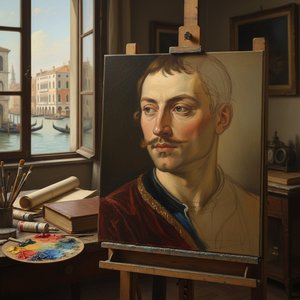
Titian: Innovation, Technique & the Venetian Renaissance Portrait Tradition
Explore the revolutionary techniques & enduring legacy of Titian, the master of Venetian Renaissance portraiture. Discover insights for collectors & appreciate his impact on art history.

Olja på duk: En tidlös teknik – Historik, process och konstnärliga möjligheter
Utforska oljemålningskonsten! Lär dig om flamländsk teknik, materialval och historisk utveckling. Expertguider för både nybörjare och erfarna konstnärer – bevara dina målningar med bästa praxis.


