- Hem

- Reproduktion av oljemålning
- thomas spencer
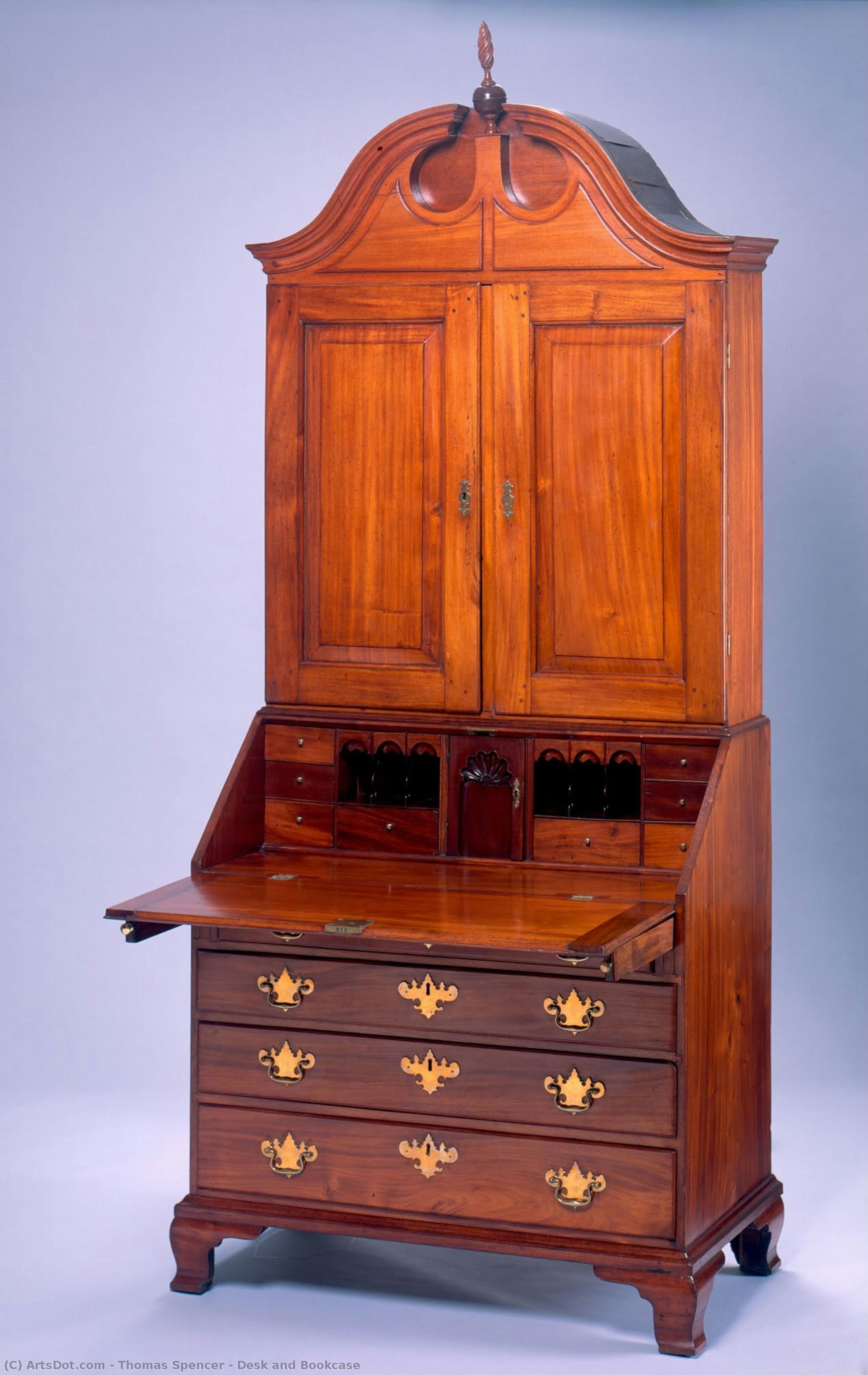
- Desk and Bookcase
 Förhandsvisa
 Skicka
 Dela
Dela
 Visa detaljer

 Ladda ner
 Liknande objekt
 Röntgen
 Bildspel
Desk and Bookcase

 Visa mer
Handgjord oljereproduktion
Handmålad olja på duk i din valda storlek och ram, tillverkad efter beställning av våra konstnärer. ( Byt till tryck Byt till bild)




































Välj bland våra förinställda storlekar som motsvarar konstverkets ursprungliga proportioner.

Du kan ange egna mått för att passa en specifik ram eller yta. Om den valda storleken inte matchar originalbildens proportioner kommer vi antingen att beskära konstverket eller utöka målningen med ytterligare handmålade element. En digital skiss skickas till dig för godkännande innan produktionen påbörjas.
Observera att förhandsvisningen på skärmen inte återspeglar den faktiska beskärningen eller utökningen. Endast skissen visar den slutgiltiga kompositionen korrekt.
Även om anpassade storlekar är möjliga, rekommenderar vi att du väljer en dimension från den fördefinierade listan för att bevara originalproportionerna.
Efter beställning kommer OriginalUniqueArt.com team att mejla kunden för instruktioner och tillhandahålla en skissförhandsvisning
Leverans över hela världen () på 3–4 veckor istället för standard 5 veckor. (31 juli). Inga kompromisser med kvaliteten.

Fri expressfrakt över hela världen

Högkvalitativ linnecanvas

Fullständig fraktförsäkring

Garantier för återbetalning av tullavgifter

Garantier för exakt färgåtergivning

60 dagars returrätt (endast vid fabrikationsfel)

100% pengarna tillbaka-garanti

Mängdrabatt erbjuds
 Glasalternativet är endast tillgängligt i storlekar under 110 cm.

Desk and Bookcase
Teknik för reproduktion
Storlek på reproduktion
-


Slutgiltigt pris
$ 300
Konstnärsbiografi
Early Life and Artistic Beginnings
Thomas Spencer, born in 1700 in East Greenwich, Kent County, Rhode Island, emerged from a lineage deeply rooted in the craft traditions of early America. His father, Thomas Spencer (1717–1753), was a versatile figure – shipwright, yeoman, cordwainer, and even high sheriff – embodying the industrious spirit of colonial life. This practical background, coupled with the artistic inclinations of his grandfather John Spencer, a carpenter, laid the foundation for young Thomas’s future path. While detailed records of his formal training remain elusive, it is clear that he apprenticed within the local joinery community, absorbing the techniques and aesthetic sensibilities prevalent in 18th-century New England. The early years were likely spent mastering the fundamentals of woodworking, learning to shape and refine materials before venturing into more specialized artistic endeavors. His maternal grandfather, Daniel Goddard, a housewright and shipwright, further solidified this familial connection to skilled trades.A Portraitist of Colonial Society
Spencer quickly established himself as a sought-after portrait painter in the mid-18th century, catering to the burgeoning gentry of Rhode Island and beyond. His work provides a fascinating glimpse into the lives and aspirations of colonial society. Unlike many artists of the period who focused on grand historical or mythological themes, Spencer’s canvases primarily depicted individuals – landowners, merchants, military figures – capturing their likenesses with remarkable clarity and attention to detail. A Gray Hunter Held by a Groom (1751) exemplifies his mastery of equestrian portraiture, showcasing not only the subject's social standing but also a deep appreciation for the natural world. The classical style he employed, while influenced by European traditions, was adapted to suit the American context, resulting in portraits that were both elegant and distinctly local. He wasn’t merely recording appearances; Spencer imbued his subjects with a sense of dignity and character, reflecting their roles within the community.The Greene Commission and Historical Significance
A pivotal moment in Spencer's career came with a commission from General Nathanael Greene in June 1775 for a “Mehogane Desk & Book Case.” This documented transaction, unearthed through research of Greene’s expenses, provides concrete evidence of Spencer’s professional activity and his connection to prominent figures during the Revolutionary War era. The desk-and-bookcase itself, now housed at the High Museum of Art in Atlanta, is a testament to Spencer's skill as a furniture maker and offers valuable insights into the tastes of the time. The discovery of this commission has elevated Spencer’s status from a relatively obscure colonial artist to a figure of historical importance, linking him directly to one of America’s founding fathers. Portrait of George Spencer, painted by Thomas Gainsborough, while not directly attributable to our Thomas Spencer, highlights the familial connections and artistic circles within which he operated.Style, Influences, and Lasting Legacy
Spencer's artistic style was characterized by a blend of realism and understated elegance. He favored a muted palette, employing subtle gradations of color to create depth and atmosphere. While influenced by the Rococo movement prevalent in Europe, his work lacked the excessive ornamentation often associated with that style. Instead, he prioritized clarity of form and meticulous attention to detail. His portraits are notable for their psychological insight, capturing not only the physical likenesses of his subjects but also their inner character. Although a comprehensive catalogue raisonné remains elusive, existing works suggest a consistent artistic vision throughout his career. He died in 1753, leaving behind a legacy that continues to resonate with scholars and art enthusiasts alike. His paintings offer a unique window into the lives and values of colonial America, providing invaluable insights into a pivotal period in American history. The rediscovery and reevaluation of his work underscore the importance of recognizing the contributions of lesser-known artists who played a vital role in shaping the nation’s cultural landscape.
Kortfattad information
- Artistic Movement Or Style: Post-Impressionism
- Date Of Death: Living
- Full Name: Thomas Spencer
- Nationality: English
- Notable Artworks:
- A Gray Hunter Held by a Groom
- Portrait of George Spencer

