

 Förhandsvisa
 Skicka
 Dela
Dela
 Visa detaljer
 Guide
Guide

 Ladda ner
 Liknande objekt
 Röntgen
 Bildspel
 Statistik
The Hundred Jugs
 Acrylic On Canvas
- WallArt
 1916
1916- 19th Century
 123.0 x 154.0 cm
 Walker Art Gallery
 Visa mer
Giclée / Konsttryck
Giclée- eller canvasprint av museumskvalitet med snabb produktion och flexibla ytbehandlingsalternativ. ( Beställ handmålad reproduktion Byt till digital bild)




P118B Skr10

P118H Skr10

P118W Skr10

P438Z Skr10

P508JH Skr12

P508YH Skr12

P805H Skr10

P805Z Skr10

P919BZ Skr10

P919G Skr10

P919XJ Skr10

P959ZH Skr10

P968JZ Skr12

W106C Skr8

W218G Skr10

W218JH Skr8

W218Y Skr10

W307PJ Skr10

W316G Skr10

W316PJ Skr8

W316Y Skr10

W398PJ Skr8

W4111J Skr10

W500HY Skr15

W500JH Skr15

W692G Skr12

W849H Skr8

W940BG Skr15

W953PJ Skr8




Välj bland våra förinställda storlekar som motsvarar konstverkets ursprungliga proportioner.

Ange den bredd och höjd du behöver för att passa din ram eller vägg. Ett tryck kan endast beskäras, aldrig göras större än originalbilden, vilket innebär att ett format med en annan proportion leder till att en del av bilden går förlorad. Vi skickar en digital mockup för godkännande innan vi påbörjar tryckningen. Bilden som visas på denna sida visar inte den faktiska beskärningen — det är endast mockuppen som gör det.
Leverans över hela världen () på 2 veckor istället för standard 4/5 veckor. (26 oktober)

Fri expressfrakt över hela världen

Högkvalitativ linnecanvas

Fullständig fraktförsäkring

Garantier för återbetalning av tullavgifter

Garantier för exakt färgåtergivning

100 dagars returrätt (endast vid fel)

100% pengarna tillbaka-garanti

Mängdrabatt erbjuds
 Glasalternativet är endast tillgängligt i storlekar under 110 cm.

The Hundred Jugs
Giclée / Konsttryck
Storlek på reproduktion
-


Slutgiltigt pris
Skr 794
A Symphony of Ceramics: William Nicholson’s “The Hundred Jugs”
William Nicholson's "The Hundred Jugs," painted in 1916 during the tumultuous years of World War I, is far more than a simple arrangement of pottery. It’s a carefully constructed tableau brimming with quiet observation, subtle tension, and a poignant exploration of domesticity amidst the backdrop of national upheaval. The painting, now residing in the Walker Art Gallery in Liverpool, immediately draws the eye into a densely packed room – not a grand hall, but rather a humble space, hinting at a comfortable, if slightly cluttered, existence. Nicholson masterfully employs a muted palette of browns, ochres, and greys, creating an atmosphere of subdued warmth that contrasts subtly with the inherent chaos of the scene.
The sheer volume of jugs is immediately arresting – a seemingly endless collection of earthenware, stoneware, china, and glass vessels in varying sizes and shapes. They aren’t arranged with any discernible order; instead, they tumble over each other, creating a sense of overflowing abundance. This isn't the idealized still life of earlier periods, where objects were meticulously posed for aesthetic perfection. Here, Nicholson embraces a more spontaneous approach, capturing the everyday reality of a household filled with possessions – a reflection of the era’s burgeoning interest in the ordinary and the vernacular.
The Beggarstaff Legacy and Artistic Innovation
To fully appreciate “The Hundred Jugs,” it's crucial to understand Nicholson’s artistic background. He was a key figure in the Beggarstaff partnership, alongside his brother-in-law James Pryde, renowned for their groundbreaking poster designs and illustrations. The Beggarstaff style – characterized by its bold lines, dynamic compositions, and often satirical or humorous subject matter – represented a significant departure from traditional illustration. Nicholson’s influence on this movement is evident in the painting's energetic arrangement and slightly off-kilter perspective.
However, “The Hundred Jugs” transcends the Beggarstaff aesthetic. While retaining some of their dynamism, it demonstrates a deeper engagement with color and texture. Nicholson’s use of tone—the subtle variations in hue and value—is particularly noteworthy. He eschews bright colors in favor of muted tones that create a sense of depth and atmosphere. This tonal approach, as he himself described, is “quality in common between colours,” prioritizing the overall harmony of the composition over precise representation.
Symbolism and Emotional Resonance
The painting’s symbolism is layered and open to interpretation. The abundance of jugs can be seen as a metaphor for domesticity, prosperity, or even the anxieties associated with wartime shortages. The cat perched atop a stack of jugs, greedily lapping up milk from a spilled vessel, adds a touch of playful irony – a moment of levity amidst a period of profound uncertainty. This small detail hints at the human desire for comfort and pleasure in the face of adversity.
Furthermore, the painting’s creation during World War I imbues it with a poignant emotional resonance. Nicholson's son, Ben, later recalled that his father’s still-life paintings stemmed from “a very simple, direct painterly approach,” rooted in the beauty of everyday objects like these jugs – a grounding force amidst the horrors of war. The painting serves as a testament to the enduring power of art to capture and convey human experience, even in times of great upheaval.
A Timeless Masterpiece for Collectors and Designers
"The Hundred Jugs" remains a captivating work of art, offering a glimpse into the domestic life of early 20th-century Britain. Its masterful composition, evocative use of color, and subtle symbolism make it a timeless masterpiece. Reproductions of this painting are highly sought after by collectors and interior designers alike, who appreciate its ability to add warmth, character, and a touch of understated elegance to any space. It’s a piece that invites contemplation, sparking conversations about art, life, and the enduring beauty found in the ordinary.
Frågor och svar
Vilken användning och vilken yta rekommenderas för "The Hundred Jugs" av William Nicholson?
"The Hundred Jugs" rekommenderas för Statement och passar utmärkt i ett Living Room.
Är William Nicholson, skaparen av "The Hundred Jugs", känd under andra namn?
William Nicholson är även känd som Sir William Newzam Prior Nicholson.
Vilket medium och vilka mått har "The Hundred Jugs" av William Nicholson?
"The Hundred Jugs" är utförd i Acrylic On Canvas och mäter 123 x 154 cm i sin ursprungliga form.
Konstnärsbiografi
Early Life and Artistic Beginnings
Sir William Newzam Prior Nicholson, född i Newark-on-Trent år 1872, växte upp i en miljö som blandade industriell praktikalitet med konstnärlig känslighet. Hans far, en framgångsrik ingenjör och konservativt parlamentsledamot, lade grunden för disciplin, medan hans mors släktband knöt honom till de estetiska traditionerna i Oxfordshire. Redan i ung ålder visade Nicholson en talang för konst, fostrad av lektioner från William Cubley, en lokal målare som själv spårade sina konstnärliga rötter tillbaka till Sir Joshua Reynolds. Denna tidiga exponering lade grunden för en karriär som skulle spänna över olika medier och stilar. Ett kort uppehåll vid Hubert von Herkomers konstskola visade sig vara avgörande, inte bara för att finjustera hans färdigheter utan också för att introducera honom till Mabel Pryde, som skulle bli hans fru och en central samarbetare i hans växande konstnärliga resa. Genom Mabel träffade han hennes bror, James Pryde, ett partnerskap som snart skulle revolutionera världen av grafisk design.The Beggarstaffs and a Revolution in Poster Art
Samarbetet mellan William Nicholson och James Pryde, känt som “J. & W. Beggarstaff”, markerade en vändpunkt i brittisk visuell kultur. De avvek från den rådande ornamentala estetiken i viktorianska affischer och omfamnade istället ett vågigt enkelhet präglat av slående silhuetter, plana färger och en medveten förkastelse av traditionell perspektiv. Deras design var inte bara reklam; de var uttalanden – kraftfulla, grafiska kompositioner som fångade allmänhetens fantasi. Affischer för produktioner som *Don Quixote* och tidningar som *Harper’s Magazine* blev omedelbart igenkända, och påverkade en generation av konstnärer och designers. Denna period var inte bara om kommersiell konst; det handlade om att omdefiniera visuell kommunikation i sig själv. Beggarstaffs arbete utmanade konventioner och banade väg för modern grafisk design och etablerade Nicholson som en innovatör. Deras inflytande spred sig långt bortom affischer, påverkade illustration och till och med målning genom sin betoning på stark form och medveten komposition.From Woodcuts to Portraits: A Developing Style
Efter upplösningen av Beggarstaff-samarbetet började Nicholson en period av stilistisk utforskning. Han vände sin uppmärksamhet till träsnideri och trätryck, tekniker som tillät honom att ytterligare förfina sin skicklighet i linje och form. Inspirerad av den inflytelserika James McNeill Whistler tog han dessa metoder till sig, producerade invecklade och suggestiva tryck som visade hans växande konstnärliga mognad. Dessa verk demonstrerade en imponerande förmåga att fånga essensen med minimal detalj, en kvalitet som skulle bli ett kännetecken för hans stil. Samtidigt etablerade Nicholson sig som porträttmålare och fick uppdrag från framstående personer i sin tid. Hans porträtt var inte bara liknelser; de var insiktsfulla studier av karaktär, avslöjande deras inre liv genom subtila nyanser av uttryck och hållning. Verk som *Lady in Furs, Mme. P.* exemplifierar denna skicklighet, fångar inte bara fysisk utseende utan också en känsla för personlighet och social ställning.Still Life, Landscape, and Lasting Legacy
I de senare stadierna av sin karriär fokuserade Nicholson alltmer på stillivsmålningar och landskapsmålningar. Hans stillivsmålningar, som *The Lowestoft Bowl*, hyllas för sin exakta uppmärksamhet på detaljer, harmoniska färgpaletter och en lugn känsla av intimitet. Han gav vardagliga objekt en poetisk kvalitet, lyfte dem bortom enkel representation till att bli symboler för skönhet och kontemplation. Hans landskap, ofta skildringar från hans resor i Spanien och Italien, fångar ljus och atmosfär med imponerande skicklighet. Under hela sitt liv fortsatte Nicholson som en mångsidig konstnär, ständigt experimenterande med nya tekniker och tillvägagångssätt. Han skrev barnböcker, designade för teatern och producerade tryck bredvid sina målningar. Sir William Nicholson's inflytande sträcker sig bortom hans egen produktiva produktion; han inspirerade generationer av konstnärer med sitt engagemang för hantverk, sin innovativa anda och sin förmåga att finna skönhet i det vardagliga. Hans verk är ett testamente till konstens kraft att belysa den mänskliga erfarenheten och transformera vår uppfattning om världen omkring oss. *Han dog 1949*, lämnande efter sig en rik konstnärligt arv som fortfarande fångar och inspirerar idag.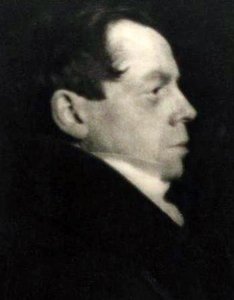
William Nicholson
1872 - 1949 , Storbritannien
Kortfakta
- Artistic Movement Or Style: Stillbider, porträtt
- Artists Or Movements Influenced By This Artist: ['Beggarstaffs']
- Artists Who Influenced This Artist:
- Whistler
- James Pryde
- Date Of Birth: 5 februari 1872
- Date Of Death: 16 maj 1949
- Full Name: Sir William Newzam Prior Nicholson
- Nationality: Brittisk
- Notable Artworks:
- Lady in Furs
- Plaza de toros
- Place Of Birth: Newark, Storbritannien
Relaterade artiklar
William Michael Harnett: Still Life, Realism & the American Pursuit of Materiality
Explore the captivating still lifes of William Michael Harnett, a master of American realism and trompe l'oeil painting. Discover his technique, legacy & the cultural context behind his iconic works.

Silent Narratives: Exploring the Enduring Appeal of Still Life Painting Across Centuries
Explore the rich history of still life painting with OriginalUniqueArt. Discover Dutch Masters, decode vanitas symbolism & learn about collecting timeless art. Expert insights and museum-quality reproductions.
Clyfford Still's Abstract Expressionism: A Study of Color, Form & the Existential Landscape
Explore the profound world of Clyfford Still's Abstract Expressionism with OriginalUniqueArt. Discover his unique style, existential themes & investment potential. Expert analysis for discerning collectors.
Sir William Nicholson: A Study in Post-Impressionist Portraiture & Decorative Modernism
Explore the life & work of Sir William Nicholson, a pivotal British Post-Impressionist painter. Discover his striking portraits, innovative woodcuts, and lasting influence on early 20th-century art. Expert insights for collectors.
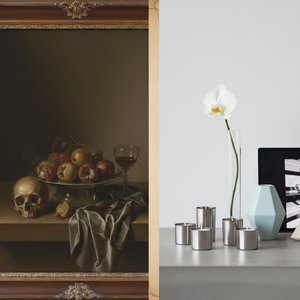
The Enduring Appeal of Still Life: A Historical & Contemporary Exploration
Explore the rich history & symbolism of still life painting with OriginalUniqueArt. Discover masterpieces from the Dutch Golden Age, learn about vanitas art, and find expert guidance for collecting timeless artworks.
