
 Visa i rummet
 Skicka
 Dela
Dela
 Detaljer
 Studentguide för konstverk

 Ladda ner
 Liknande objekt
 Röntgen
 Bildspel
 Besökstatistik
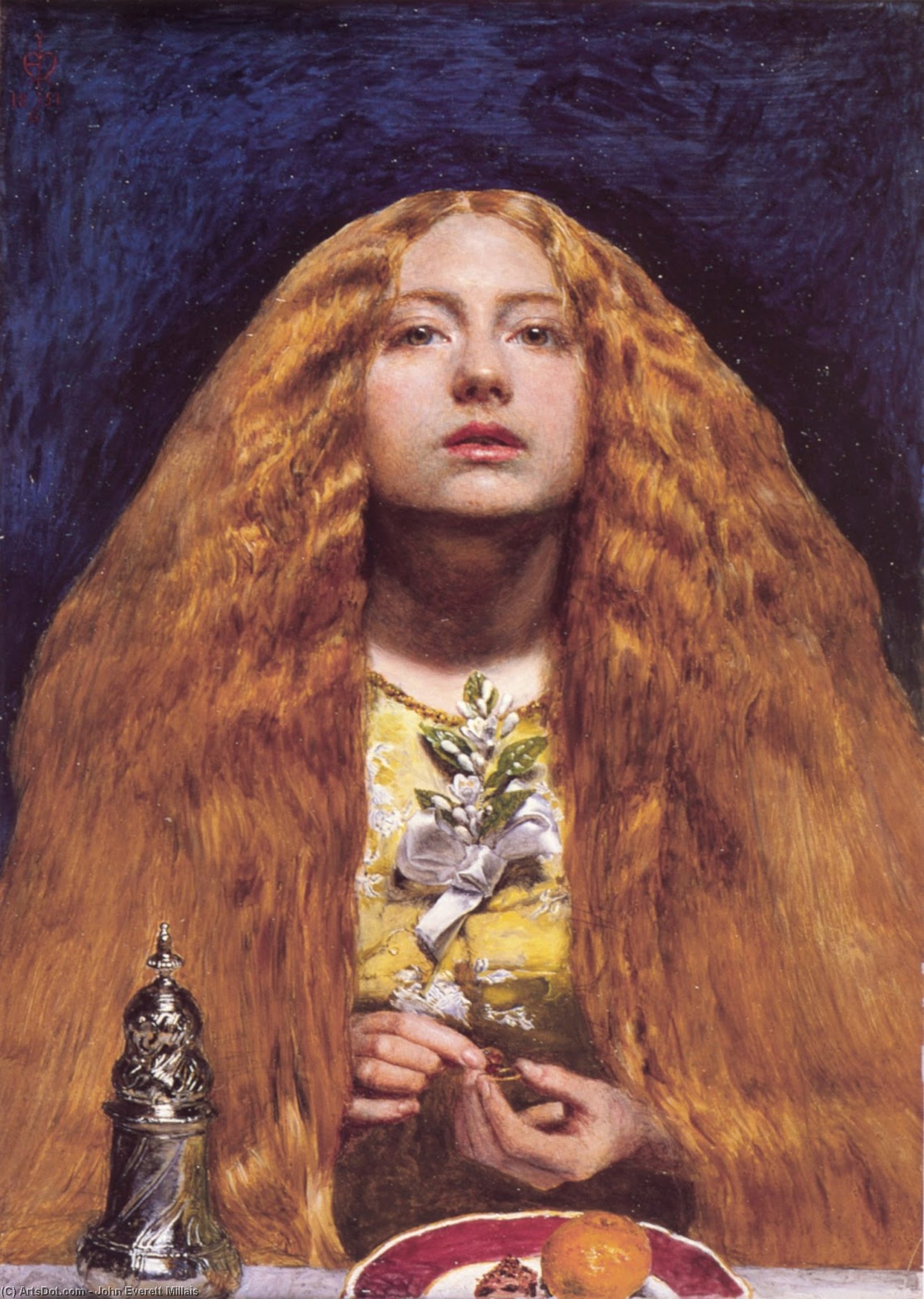
The Bridesmaid
 Oil On Canvas
- WallArt
- Romanticism
 1851
1851- 19th Century
 20.0 x 27.0 cm
 Läs mer
Handgjord oljereproduktion
Handmålad olja på duk i din valda storlek och ram, tillverkad efter beställning av våra konstnärer. ( Byt till tryckta exemplar Byt till digital bildförsäljning)




P118B Skr10

P118H Skr10

P118W Skr10

P438Z Skr10

P508JH Skr12

P508YH Skr12

P805H Skr10

P805Z Skr10

P919BZ Skr10

P919G Skr10

P919XJ Skr10

P959ZH Skr10

P968JZ Skr12

W106C Skr8

W218G Skr10

W218JH Skr8

W218Y Skr10

W307PJ Skr10

W316G Skr10

W316PJ Skr8

W316Y Skr10

W398PJ Skr8

W4111J Skr10

W500HY Skr15

W500JH Skr15

W692G Skr12

W849H Skr8

W940BG Skr15

W953PJ Skr8




Välj bland våra förinställda storlekar som motsvarar konstverkets ursprungliga proportioner.

Ange den bredd och höjd du behöver för att passa din ram eller din vägg. Eftersom detta är handmålat kan konstnären vid en annan form måla lite mer runt bilden eller beskära den något – du väljer själv. Vi skickar en digital mockup för godkännande innan målningen påbörjas. Bilden som visas på denna sida representerar inte det slutgiltiga resultatet — det är endast mockuppen som visar det.
Efter beställning kommer OriginalUniqueArt.com team att mejla kunden för instruktioner och tillhandahålla en skissförhandsvisning
Leverans över hela världen () på 3–4 veckor istället för standard 5 veckor. (23 oktober). Inga kompromisser med kvaliteten.

Fri expressfrakt över hela världen

Högkvalitativ linnecanvas

Fullständig fraktförsäkring

Garantier för återbetalning av tullavgifter

Garantier för exakt färgåtergivning

100 dagars returrätt vid fabrikationsfel

100% pengarna tillbaka-garanti

Mängdrabatt erbjuds
 Glasalternativet är endast tillgängligt i storlekar under 110 cm.

The Bridesmaid
Tryckteknik
Reproduktionsstorlek
-


Totalpris
Skr 2972
The Bridesmaid: A Glimpse into Victorian Sentiment
“The Bridesmaid,” painted by Sir John Everett Millais in 1851, is more than just a portrait; it's a window into the intricate social customs and romantic sensibilities of Victorian England. This captivating work depicts a young woman, seemingly caught in a moment of quiet contemplation following her role as a bridesmaid at a wedding ceremony. The painting’s enduring appeal lies not only in Millais’ masterful technique but also in its subtle yet profound exploration of themes like love, expectation, and the passage of time.
Artistic Style and Influences: Pre-Raphaelitism and Realism
Millais' "The Bridesmaid" is a prime example of the Pre-Raphaelite Brotherhood’s artistic philosophy. Founded in 1848 by Millais, William Holman Hunt, and Dante Gabriel Rossetti, this movement sought to reject what they perceived as the artificiality of academic art and return to the detailed observation and vibrant colors of early Renaissance painting – before Raphael, hence "Pre-Raphaelite." However, Millais also incorporated elements of realism into his work. Notice the meticulous rendering of the woman’s hair, the textures of her dress, and the details of the objects in the background—all hallmarks of a commitment to portraying reality with exceptional accuracy.
Symbolism and Interpretation: A Narrative Unveiled
Beyond its aesthetic beauty, "The Bridesmaid" is rich in symbolic meaning. The scene depicts the woman performing a traditional Victorian custom – passing a piece of wedding cake through a ring nine times, hoping to foresee her future husband. This ritual speaks to the era’s emphasis on marriage and the societal expectations placed upon young women. The inclusion of two apples resting on a table adds another layer of interpretation; apples have long been associated with love, wisdom, and abundance, suggesting that the subject is contemplating her own life and relationships. The clock in the upper left corner subtly reinforces the theme of time's passage and the fleeting nature of youth and opportunity. The woman’s expression—a blend of hope and perhaps a touch of melancholy—invites viewers to ponder her inner thoughts and feelings.
Historical Context: Victorian Society and Artistic Innovation
“The Bridesmaid” was created during a period of significant social change in England. The Victorian era (1837-1901) was characterized by rapid industrialization, strict moral codes, and a growing emphasis on domesticity. Millais’ painting reflects these values while simultaneously challenging them through its realistic portrayal of everyday life and its exploration of female subjectivity. The Pre-Raphaelites were often critical of the materialism and social inequalities of their time, and "The Bridesmaid," with its quiet intimacy and subtle symbolism, can be seen as a commentary on the complexities of Victorian society.
A Timeless Masterpiece: Owning a Reproduction
“The Bridesmaid” remains a beloved work of art, admired for its beauty, technical skill, and evocative storytelling. Handmade oil painting reproductions are available, allowing you to bring this iconic piece into your own home or collection. Experience the charm and depth of Millais’ masterpiece—a testament to the power of art to capture the essence of a bygone era.
Frågor och svar
Under vilket år skapades "The Bridesmaid" av John Everett Millais?
"The Bridesmaid" av John Everett Millais skapades år 1851.
Hur mättad är färgpaletten i "The Bridesmaid"?
"The Bridesmaid" av John Everett Millais är återgiven med en Balanced Soft mättnad.
Vilken känsla förmedlar "The Bridesmaid" som present?
"The Bridesmaid" förmedlar en Melancholic känsla, och dess rekommenderade gåva är Wedding.
Om konstnären
A Prodigy of the Pre-Raphaelites: The Life and Art of Sir John Everett Millais
John Everett Millais, född i Southampton 1829, steg in i konstvärlden med en redan bevisad talang. Redan vid elva års ålder, en otrolig prestation för sin tid, antogs han på Royal Academy Schools – den yngsta studenten någonsin att få denna möjlighet. Detta tidiga tecken på exceptionell förmåga antydde en karriär som inte bara skulle definiera ett konstnärligt rörelse utan också fånga det viktorianska samhällets fantasi med sin betraktade realism och djupa känslomässiga innehåll. Från sina första dagar besatt Millais en anmärkningsvärd förmåga till observation, en kvalitet som skulle bli grundstenen i hans konstnärliga stil. Han målade inte bara det han såg utan skapade minutiöst om det, införing av varje penseldrag med nästan fotografisk noggrannhet. Denna dedikation till sanning i representation skiljde honom från sina samtida och ledde slutligen till att han utmanade de etablerade konventionerna inom den brittiska konsten.The Birth of a Brotherhood and Artistic Rebellion
Millais konstnärliga resa tog en avgörande vändpunkt 1848, när han tillsammans med Dante Gabriel Rossetti och William Holman Hunt grundade Pre-Raphaelite Brotherhood. Detta var inte bara ett estetiskt val utan en avsiktlig revolt mot vad de ansåg vara artificialiteten i akademisk konst – konst som hade avvikit för långt från den naturliga världen och den ärlighet som präglade tidig renässanskonst, konstnärer som arbetat *innan* Raphael. De Pre-Raphaelites sökte återuppliva klarheten, detaljrikedomen och de livfulla färgpaletterna hos konstnärer som Jan van Eyck och Fra Angelico. Deras manifest var en strävan efter sanning i naturen, ett avståndstagande från idealiserade former och en omfamning av ämnen hämtade ur litteratur, mytologi och vardagslivet. Millais’s tidiga verk, såsom *Isabella*, visade omedelbart denna nya approach – en minutiös uppmärksamhet på detaljer kombinerad med en berättande intensitet som fångade och ofta provocerade publiken. Hans mest kontroversiella verk under denna period, *Christ in the House of His Parents* (1849-50), skildrade den heliga familjen inte som eteriska varelser utan som vanliga arbetarklassens människor, vilket utlöste ilska bland kritiker som ansåg dess realism förstörare och till och med blasfemt.Evolving Styles and Victorian Sensibilities
Mitten av 1850-talet markerade en betydande förändring i Millais liv och konstnärliga stil. Hans äktenskap med Effie Gray, efter att hennes äktenskap med John Ruskin hade upplösts, påverkade hans verk djupt. Han rörde sig bort från den intensivt detaljerade, symboliska stilen i sina tidiga Pre-Raphaelite målningar mot en bredare, mer atmosfärisk realism. Denna förändring var inte bara ett stilistiskt val utan också en reflektion över en ökad engagemang med samtida liv och en önskan att fånga den flyktiga skönheten i naturen. Målningar som *Autumn Leaves* exemplifierar denna nya riktning – en fridfull representation av en grupp unga kvinnor som släpper löv på en flod, fylld av en känsla av melankoli och nostalgi. Han hittade också betydande framgång som porträttist, fångandes likheten hos framstående viktorianska figurer, inklusive John Gladstone och Benjamin Disraeli. Denna period såg Millais uppnå allmän popularitet och ekonomisk säkerhet, men den drog också kritik från vissa som ansåg att han hade kompromissat sina konstnärliga principer.Major Works and Lasting Influence
Trots denna kritik förblir Sir John Everett Millais en av de viktigaste figurerna i 1800-talets brittiska konst. Hans inflytande sträcker sig bortom Pre-Raphaelite Brotherhood; han omdefinierade standarderna för realism och berättarpanting, inspirerade generationer av konstnärer. Hans ikoniska bilder – *Ophelia*, med sin hjärtskärande skönhet och symboliska rikedom, **A Huguenot**, som skildrar en gripande stund av religiös konflikt och förbjuden kärlek, och många andra – fortsätter att resonera hos publiken idag. Millais förmåga att kombinera minutiös observation med känslomässig djup, hans behärskning av färg och komposition och hans vilja att utmana konstnärliga konventioner etablerade honom som en sann innovatör. 1896 valdes han till president för Royal Academy, ett testamente till sin bestående arv – men tragiskt nog dog han bara några månader efter sin val. Hans verk hyllas fortfarande i museer och samlingar över hela världen, vilket säkerställer att dess skönhet och kraft kommer att bestå för kommande generationer.Key Works
- Christ in the House of His Parents (1849-1850): Tate Britain, London – Ett kontroversiellt mästerverk som exemplifierar tidig Pre-Raphaelite realism.
- Ophelia (1851-1852): Tate Britain, London – Kanske hans mest kända verk, känt för sin hjärtskärande skönhet och symboliska djup.
- A Huguenot (1851-1852): Privat ägd – En dramatisk skildring av religiös konflikt och förbjuden kärlek.
- Mariana (1850-1851): Manchester Art Gallery – Inspirerad av Shakespeares dramer, visar Millais’s skicklighet i att fånga stämning och atmosfär.
- Autumn Leaves (1855-1856): City of Manchester Art Galleries – En fridfull och suggestiv målning som speglar hans utvecklande stil.

John Everett Millais
1829 - 1896 , Storbritannien
Snabbfakta
- Artistic Movement Or Style: Pre-Raphaelit
- Artists Or Movements Influenced By This Artist: ['Pre-Raphaeliter']
- Artists Who Influenced This Artist: ['Pre-Raphaeliter']
- Date Of Birth: 8 juni 1829
- Date Of Death: 13 augusti 1896
- Full Name: Sir John Everett Millais
- Nationality: Brittisk
- Notable Artworks:
- Ophelia
- Christ i huset
- A Huguenot
- Place Of Birth: Southampton, Storbritannien
Relaterade artiklar

The Pre-Raphaelite Brotherhood: Rediscovering Romanticism, Mythological Depth, and Vivid Detail in Victorian Art
Explore the breathtaking world of the Pre-Raphaelite Brotherhood. Discover how this movement redefined Victorian art through vivid detail, mythological depth, and romanticism. An expert guide for classic art enthusiasts seeking to rediscover these timeless masterpieces.

Pre-Raphaelite Romanticism: A Guide to Vivid Detail and Medieval Beauty in Victorian Art
Explore the vivid detail and medieval beauty of Pre-Raphaelite Romanticism. Discover the history of masters like Rossetti and Millais through our expert guide to Victorian art, perfect for collectors and professionals seeking authentic, museum-quality reproductions.

Sir John Everett Millais: Pre-Raphaelite Rebellion & Victorian Narrative Detail
Explore the revolutionary art of Sir John Everett Millais & the Pre-Raphaelite Brotherhood. Discover their radical realism, symbolic narratives, and lasting impact on Victorian aesthetics. A deep dive into 19th-century masterpieces.
Dante Gabriel Rossettis 25 Mästerverk: Konst, Symbolik & Heminredning
Utforska Dante Gabriel Rossettis 25 mest ikoniska konstverk! Upptäck prerafaeliternas symbolik, romantisk konst och tidlösa berättelser bakom mästerverken. Köp museumkvalitativa tryck & inred med vacker väggkonst på OriginalUniqueArt.com.
The Pre-Raphaelite Brotherhood: Reclaiming Beauty, Nature, and Truth in Victorian Art History
Explore the revolutionary Pre-Raphaelite Brotherhood. Discover how these visionary artists rejected academic tradition to reclaim beauty, nature, and truth through luminous detail and literary depth in Victorian art history.


