

 Visa i rummet
 Skicka
 Dela
Dela
 Detaljer
 Studentguide för konstverk

 Ladda ner
 Liknande objekt
 Röntgen
 Bildspel
 Besökstatistik
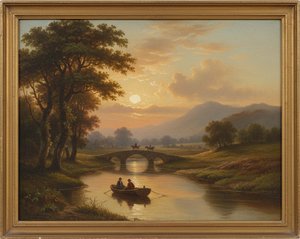
Edward Whitaker Gray
 Acrylic On Canvas
- WallArt
- Romantic Landscape
 1800
1800 75.0 x 63.0 cm
 The Royal Society
 Läs mer
Giclée / Konsttryck
Giclée- eller canvasprint av museumskvalitet med snabb produktion och flexibla ytbehandlingsalternativ. ( Köp handmålat konstverk Byt till digital bildförsäljning)




P118B Skr10

P118H Skr10

P118W Skr10

P438Z Skr10

P508JH Skr12

P508YH Skr12

P805H Skr10

P805Z Skr10

P919BZ Skr10

P919G Skr10

P919XJ Skr10

P959ZH Skr10

P968JZ Skr12

W106C Skr8

W218G Skr10

W218JH Skr8

W218Y Skr10

W307PJ Skr10

W316G Skr10

W316PJ Skr8

W316Y Skr10

W398PJ Skr8

W4111J Skr10

W500HY Skr15

W500JH Skr15

W692G Skr12

W849H Skr8

W940BG Skr15

W953PJ Skr8




Välj bland våra förinställda storlekar som motsvarar konstverkets ursprungliga proportioner.

Du kan ange egna mått för att passa en specifik ram eller yta. Om det valda måttet inte överensstämmer med originalbildens proportioner kommer vi antingen att beskära konstverket eller utöka bilden med en speglad eller enfärgad kant. En digital mockup skickas för ditt godkännande innan produktionen påbörjas.
Vänligen notera att förhandsvisningen på skärmen inte återspeglar den faktiska beskärningen eller utökningen. Endast mockuppen visar den slutgiltiga kompositionen korrekt.
Även om anpassade storlekar är möjliga, rekommenderar vi att du väljer ett mått från den fördefinierade listan för att bevara de ursprungliga proportionerna.
Leverans över hela världen () på 2 veckor istället för standard 4/5 veckor. (4 oktober)

Fri expressfrakt över hela världen

Högkvalitativ linnecanvas

Fullständig fraktförsäkring

Garantier för återbetalning av tullavgifter

Garantier för exakt färgåtergivning

100 dagars returrätt vid fabrikationsfel

100% pengarna tillbaka-garanti

Mängdrabatt erbjuds
 Glasalternativet är endast tillgängligt i storlekar under 110 cm.

Edward Whitaker Gray
Giclée / Konsttryck
Reproduktionsstorlek
-


Totalpris
Skr 765
A Moment Frozen in Time: Exploring Sir Augustus Wall Callcott’s “The Entrance to the Pool of London”
Sir Augustus Wall Callcott's "The Entrance to the Pool of London," completed in 1816, stands as a testament to Romantic landscape painting—a genre defined by its reverence for nature and its ability to evoke profound emotion. More than just a depiction of a riverside scene, this artwork embodies the spirit of its era, reflecting anxieties about industrialization alongside an enduring fascination with the sublime beauty of the English countryside. Callcott’s masterful use of tonal gradation and dramatic lighting elevates the painting beyond mere observation; it invites contemplation on the passage of time and the encroaching influence of progress upon traditional landscapes.Technical Brilliance: Impressionistic Touches Amidst Classical Form
Callcott employed a technique that skillfully blended elements of Romanticism with classical influences. While adhering to the conventions of academic portraiture—evident in the carefully constructed composition and balanced perspective—he infused his work with subtle impressionistic qualities. The artist meticulously layered thin washes of pigment, creating atmospheric haze and capturing fleeting effects of light on the water’s surface. This approach distinguishes “The Entrance to the Pool of London” from more rigid depictions of the period, demonstrating Callcott's innovative understanding of color theory and his dedication to conveying a sense of immediacy. The brushstrokes are visible yet controlled, contributing to the painting’s textural richness and enhancing its visual impact.Historical Context: Britain at the Crossroads
Painted during a pivotal moment in British history—the Industrial Revolution was rapidly transforming the nation's economy and society—Callcott’s landscape serves as a poignant counterpoint to the burgeoning factories and urban sprawl of the time. The Pool of London, once dominated by windmills and barges laden with goods, represented Britain’s maritime heritage and connection to the wider world. However, Callcott subtly conveys a feeling of melancholy, hinting at the inevitable loss of rural tranquility as industrial expansion pushed further into previously untouched territories. This duality—beauty juxtaposed against change—resonates powerfully within the artwork's narrative.Symbolism: Light and Shadow – Reflections of Inner Turmoil
The painting’s masterful use of light and shadow is laden with symbolic significance. The dominant illumination casts a cool, silvery glow upon the water, mirroring the stillness and serenity of the scene. Yet, darker patches delineate the shoreline and suggest hidden depths—representing anxieties about uncertainty and impending transformation. Callcott's deliberate manipulation of tonal values underscores the Romantic preoccupation with exploring psychological states alongside visual impressions. The light itself symbolizes hope and enlightenment, while the shadows embody fear and introspection – themes that extend beyond the confines of the landscape to engage viewers on a deeper emotional level.Emotional Resonance: Capturing the Sublime
Ultimately, “The Entrance to the Pool of London” succeeds in capturing the sublime—that elusive feeling of awe and terror experienced when confronted with overwhelming grandeur or beauty. Callcott’s depiction inspires contemplation about humanity's relationship with nature and its vulnerability before forces beyond our control. The painting lingers in the mind long after viewing, prompting reflection on themes of change, memory, and the enduring power of artistic vision. It remains a captivating example of Romantic landscape art—a timeless masterpiece that continues to resonate with audiences today.Frågor och svar
Var kan jag se originalet av "Edward Whitaker Gray" av Sir Augustus Wall Callcott?
Originalet av "Edward Whitaker Gray" av Sir Augustus Wall Callcott finns på The Royal Society, London, Storbritannien. En reproduktion gör det möjligt att visa verket i hemmet.
Vilken konstnär och vilken stil ligger bakom "Edward Whitaker Gray"?
"Edward Whitaker Gray" skapades av Sir Augustus Wall Callcott i Romantic Landscape-stil. Konstnären och stilen definierar verkets tradition.
Hur kan jag se "Edward Whitaker Gray" av Sir Augustus Wall Callcott som ett bildspel?
"Edward Whitaker Gray" av Sir Augustus Wall Callcott kan visas som ett bildspel på verkets Bildspel-sida.
Hur gammal var Sir Augustus Wall Callcott när "Edward Whitaker Gray" skapades år 1800?
Sir Augustus Wall Callcott var 21 år gammal när hen skapade "Edward Whitaker Gray" år 1800. Åldern är beräknad utifrån konstnärens födelseår, 1779.
Vilken konstnär tillskrivs "Edward Whitaker Gray"?
"Edward Whitaker Gray" tillskrivs Sir Augustus Wall Callcott.
När skapades "Edward Whitaker Gray"?
"Edward Whitaker Gray" dateras till 1800. Datumet placerar verket inom Sir Augustus Wall Callcotts karriär och dess epok.
Vilken atmosfär tillför "Edward Whitaker Gray" av Sir Augustus Wall Callcott ett rum?
Den Serene atmosfären i "Edward Whitaker Gray" av Sir Augustus Wall Callcott passar perfekt för det rekommenderade rummet: ett Living Room.
Om konstnären
tidigt liv och utbildning
Sir Augustus Wall Callcott, en berömd engelsk landskapsmålare, föddes den 20 februari 1779 i Kensington Gravel Pits, en by i Londons västra utkant. Hans tidiga liv präglades av en passion för musik, vilket ledde till att han sjöng i kören i Westminster Abbey under flera år. Senare blev han elev vid Royal Academy, där han påbörjade sin konstnärliga bana som porträttmålare under ledning av John Hoppner.vägen till berömmelse
Callcotts förkärlek för landskapsmåleri blev snart uppenbar, och efter 1804 ställde han enbart ut landskap. Hans skicklighet, eleganta kompositioner och charmfulla tonalitet ledde till en stadig ökning av hans rykte. År 1806 valdes han till assisterande medlem av Royal Academy, och år 1810 blev han fullvärdig akademiker.noterbara verk och utställningar
några av Callcotts mest framstående verk inkluderar:- The Entrance to the Pool of London (1816)
- The Mouth of the Tyne (1818)
- A Dead Calm on the Medway (1820)
- Rochester (1824)
- Raffaelle and the Fornarina (1837) – ett sällsynt exempel på hans figurmålningar, som finns att finna i South Kensington Museum (Sheepshanks Collection), numera en del av V&A
eftermäle och senare liv
Callcott adlades 1837 vid drottning Victorias tronbestigning. Han efterträdde William Seguier som inspektör av drottningens målningar år 1843. Callcott gick bort den 25 november 1844 och begravdes på Kensal Green Cemetery. se fler verk av Sir Augustus Wall Callcott på OriginalUniqueArt.com: utforska mer på Wikipedia:
Sir Augustus Wall Callcott
1779 - 1844 , Storbritannien
Snabbfakta
- Artistic Movement Or Style: Romantisk landskapsmålning
- Artists Or Movements Influenced By This Artist: ['Turner']
- Artists Who Influenced This Artist: ['John Hoppner']
- Date Of Birth: Feb 20, 1779
- Date Of Death: Nov 25, 1844
- Full Name: Augustus Wall Callcott
- Nationality: Brittisk
- Notable Artworks:
- Poolens ingång till London
- Tyne mynningen
- Lugn på Medway
- Rochester
- Raffaello och Fornarina
- Place Of Birth: Kensington, UK
Relaterade artiklar

Sir Alfred James Munnings: Topp 25 mästerverk – Konst för hemmet & själen
Utforska Sir Alfred James Munnings 25 mest ikoniska målningar! Upptäck hästkonstens mästare, hans impressionistiska landskap & gripande krigskonst. Köp exklusiva konsttryck på OriginalUniqueArt.com – för en tidlös inredning.

Sir Joshua Reynolds' Mästverk: 25 Porträtt som Definierade en Epok | OriginalUniqueArt
Utforska 25 ikoniska porträtt av Sir Joshua Reynolds – en mästare inom engelsk rokokokon och neoclassicism. Upptäck historierna bakom hans eleganta oljemålningar och finn inspiration till din heminredning med OriginalUniqueArt.com. Se hela samlingen online!
Sir Augustus Wall Callcott: A Life Painted with Light & Atmosphere
Explore the life & art of Sir Augustus Wall Callcott, a celebrated British landscape painter known for his serene scenes and elegant compositions. Discover his Romantic influences & lasting legacy at OriginalUniqueArt.

Romantiska landskap: Topp 10 mästerverk som definierade en epok – OriginalUniqueArt.se
Utforska de 10 mest ikoniska mästerverken inom romantisk landskapsmålning! Lär känna Caspar David Friedrich, Turner & andra. Hitta inspiration och köp museumkvalitativa konsttryck på OriginalUniqueArt.com.

John Constables 25 Mästerverk: En Konstnärlig Resa i Det Engelska Landskapet | OriginalUniqueArt
Utforska John Constables 25 mest ikoniska målningar – romantikens mästare av det engelska landskapet. Upptäck historien, tekniken & skönheten i verk som 'Hay Wain'. Köp exklusiva konsttryck på OriginalUniqueArt.com.
