Förhandsvisa
 Skicka
 Dela
Dela
 Visa detaljer
 Guide
Guide

 Ladda ner
 Liknande objekt
 Röntgen
 Bildspel
 Q&A
Q&A Statistik
Self-Portrait

- 117.0 x 94.0 cm


 Visa mer
Giclée / Konsttryck
Giclée- eller canvasprint av museumskvalitet med snabb produktion och flexibla ytbehandlingsalternativ. ( Beställ handmålad reproduktion Byt till digital bild)




P118B Skr10

P118H Skr10

P118W Skr10

P438Z Skr10

P508JH Skr12

P508YH Skr12

P805H Skr10

P805Z Skr10

P919BZ Skr10

P919G Skr10

P919XJ Skr10

P959ZH Skr10

P968JZ Skr12

W106C Skr8

W218G Skr10

W218JH Skr8

W218Y Skr10

W307PJ Skr10

W316G Skr10

W316PJ Skr8

W316Y Skr10

W398PJ Skr8

W4111J Skr10

W500HY Skr15

W500JH Skr15

W692G Skr12

W849H Skr8

W940BG Skr15

W953PJ Skr8




Välj bland våra förinställda storlekar som motsvarar konstverkets ursprungliga proportioner.

Ange den bredd och höjd du behöver för att passa din ram eller vägg. Ett tryck kan endast beskäras, aldrig göras större än originalbilden, vilket innebär att ett format med en annan proportion leder till att en del av bilden går förlorad. Vi skickar en digital mockup för godkännande innan vi påbörjar tryckningen. Bilden som visas på denna sida visar inte den faktiska beskärningen — det är endast mockuppen som gör det.
Leverans över hela världen () på 2 veckor istället för standard 4/5 veckor. (1 november)

Fri expressfrakt över hela världen

Högkvalitativ linnecanvas

Fullständig fraktförsäkring

Garantier för återbetalning av tullavgifter

Garantier för exakt färgåtergivning

100 dagars returrätt (endast vid fel)

100% pengarna tillbaka-garanti

Mängdrabatt erbjuds
 Glasalternativet är endast tillgängligt i storlekar under 110 cm.

Self-Portrait
Giclée / Konsttryck
Storlek på reproduktion
-


Slutgiltigt pris
Skr 804
A Portrait of Majesty: Sir Anthony van Dyck’s Self-Portrait
Sir Anthony van Dyck's 1622 self-portrait offers more than just a likeness; it’s a carefully constructed statement about the artist’s burgeoning reputation and his ambition to establish himself as a leading figure in the European art world. Housed within the Hermitage Museum’s collection, this oil on canvas presents a man of considerable presence – a Flemish Master at the courts of Europe, poised with an air of quiet confidence. The painting immediately draws the eye to Van Dyck's direct gaze; he isn’t merely posing for a portrait but engaging the viewer in a subtle exchange, inviting us into his world and subtly asserting his artistic authority.
The composition is remarkably balanced, utilizing classical principles of proportion and perspective. The dark, richly textured suit – a hallmark of Van Dyck's style – immediately establishes a sense of formality and status. The carefully arranged tie, the subtle sheen of his clothing, and the precise rendering of his hands on his hips all speak to an attention to detail that was characteristic of his work. The background, featuring a simple wall and column, serves not as a distraction but rather as a grounding element, directing our focus squarely onto the artist himself. The muted palette – dominated by deep browns, blacks, and subtle hints of red – contributes to the overall atmosphere of dignified restraint.
The Influence of Rubens and the Baroque Aesthetic
Van Dyck’s artistic journey was profoundly shaped by his early apprenticeship with Peter Paul Rubens at the court of Antwerp. Rubens' dynamic compositions, vibrant color palettes, and masterful use of light and shadow – particularly his dramatic chiaroscuro – left an indelible mark on Van Dyck’s technique. However, while he absorbed these influences, Van Dyck quickly developed a distinct style characterized by an unparalleled elegance and refinement. Unlike Rubens’ often exuberant energy, Van Dyck favored a more controlled and polished approach, emphasizing grace, composure, and a subtle sensuality.
This self-portrait exemplifies this shift. Note the meticulous attention to detail in rendering the textures of his clothing – the velvet, the fabric folds – and the delicate modeling of his face. The lighting is carefully considered, highlighting key features while maintaining an overall sense of atmospheric depth. This reflects a Baroque sensibility—a desire to capture not just the appearance but also the essence of the subject, imbuing it with psychological complexity.
A Window into a Courtier’s World
Painted in 1622, during a pivotal period in Van Dyck's career, this portrait offers a glimpse into the world of a courtier and artist. Van Dyck was rapidly gaining recognition for his portraits of European nobility, securing commissions that propelled him to prominence across England, Spain, and Italy. His work served as a powerful tool for projecting status and influence – a visual shorthand for wealth, power, and refinement.
The inclusion of the column in the background subtly references classical architecture, associating Van Dyck with the traditions of Roman art and philosophy. This was a deliberate strategy employed by many artists of the time to elevate their work and imbue it with a sense of timeless beauty and intellectual depth. Furthermore, considering that he later became the principal court painter for King Charles I of England, this self-portrait can be seen as a strategic assertion of his artistic capabilities and a demonstration of his ambition to secure a prestigious position within the English court.
Capturing the Essence: A Reproduction Opportunity
OriginalUniqueArt.com offers meticulously crafted hand-painted reproductions of Sir Anthony van Dyck’s “Self-Portrait.” Our skilled artisans replicate every nuance of Van Dyck's technique, from the subtle variations in color to the delicate modeling of his features. We use only archival-quality materials and employ time-honored painting methods to ensure that our reproductions faithfully capture the original’s beauty and atmosphere. This is more than just a print; it’s an authentic artistic experience—a chance to own a piece of art history and bring Van Dyck's masterful portrait into your home or office.
Explore the full details and dimensions of this exceptional artwork on our website, and discover how you can acquire a stunning reproduction that will grace your space for generations to come. View the Full Artwork
Frågor och svar
Vad rekommenderas en reproduktion av "Self-Portrait" av Anthony van Dyck för?
Det rekommenderade användningsområdet för "Self-Portrait" av Anthony van Dyck är Statement. Den kan även användas till andra ändamål.
Finns det verk som liknar "Self-Portrait"?
Hitta fler liknande verk till "Self-Portrait" av Anthony van Dyck på verkets sida Liknande verk.
Hur passar "Self-Portrait" in i Anthony van Dycks teman och stil?
"Self-Portrait" delar med Anthony van Dycks övriga verk sin Baroque Portraiture-stil och de återkommande temana: rubens’ dynamism, english court, aristocratic portraiture, royal patronage, baroque elegance, status symbols, van dyck’s signature style, refined portraits”.
Konstnärsbiografi
A Flemish Master at the Courts of Europe
Sir Anthony van Dyck, född i Antwerpen 1599 och död där 1641, var en av de mest framstående och inflytelserika porträttmålarna under den tidiga barocktiden. Hans liv, tragiskt kortat av sjukdom vid bara fyrtio två års ålder, präglades av en intensiv konstnärlig utforskning och prestigefyllda uppdrag som ledde honom från hans födelsestad till Italien och slutligen till hjärtat av den engelska hovet. Redan i ung ålder visade van Dyck enastående talang, och ingick i Hendrick van Balens verkstad som en ung lärling, där han snabbt absorberade de rådande stilen på sin tid. Men det var hans association med Peter Paul Rubens – inte bara som elev utan också som samarbetare – som verkligen formade hans konstnärliga grundval. Han lärde sig av Rubens dynamiska kompositioner, rika färgpaletter och skickliga hantering av ljus och skugga, men van Dyck började snart att forma sin egen distinkta stil, präglad av elegans och raffinement som skulle bli hans signatur.Italian Sojourns and the Birth of a Style
De år van Dyck tillbringade i Italien, börjande runt 1621, visade sig vara avgörande för hans konstnärliga utveckling. Han bodde huvudsakligen i Genova, där han fick gunst hos stadens aristokratiska familjer. Här började han att kultivera den sofistikerade stil som skulle göra honom känd – en stil präglad av graciösa poser, lyxiga tyger och en nästan palpabel känsla av adel. Till skillnad från Rubens ofta robusta energi, utstrålar van Dycks italienska porträtt en raffinerad samladhet, fångar inte bara fysisk likhet utan också den inre karaktären och den sociala ställningen hos hans motiv. Under denna period företog han även sin *Iconography*, en serie noggrant avbildade porträttgravyrer som skildrade framstående personer från sin tid – konstnärer, lärda män och härskare. Detta projekt visade upp hans exceptionella tekniska skicklighet och etablerade honom som en ledande gravör. Dessa tryck var inte bara register; de var noggrant konstruerade bilder designade för att bevara sina motiv och förmedla deras status och intelligens.The King's Painter: Van Dyck in England
År 1632 fick van Dyck en inbjudan som förändrade hans karriär för alltid – en uppmaning från Charles I av England att bli hovmålare. Denna anställning markerade ett vändpunkt, inte bara för van Dyck utan också för engelsk porträttkonst. Han anlände till London med ett väl bevisat rykte och snabbt blev oumbärlig för kungen, tillsagd att skapa bilder som projicerade en aura av makt, majestät och gudomligt rätt. Van Dycks porträtt av Charles I är särskilt värdefulla; han avvek från de stela, formella representationerna som föredrogs av tidigare konstnärer, istället framställde han kungen som en dynamisk, karismatisk ledare. Han använde sig av innovativa tekniker – dramatiskt ljus, svepande gester och noggrant utvalda bakgrunder – för att skapa bilder som var både visuellt imponerande och politiskt laddade. Hans inflytande sträckte sig bortom den kungliga familjen, formade den visuella kulturen i det engelska aristokratiet under över ett århundrade. Han målade inte bara porträtt; han skapade en bild av kungamakten, som påverkade hur monarkin uppfattades under mer än hundra år.Influences and Techniques
Van Dycks konstnärliga utveckling var starkt influerad av flera faktorer. Rubens dynamiska kompositioner och färgpaletter gav honom en grund för att skapa livfulla och dramatiska bilder. Rubens tekniker med ljus och skugga, särskilt hans förmåga att skapa illusionen av djup och volym, var också viktiga för van Dyck. Dessutom studerade han noggrant verk av italienska mästare som Tizian och Giorgione, och absorberade deras tekniker och stilar. Van Dycks porträtt är kända för sin elegans och raffinement, men de har också en stark känsla för realism och psykologisk insikt. Han var en skicklig observatör av människor, och han lyckades fånga deras personlighet, sociala ställning och ambitioner i sina porträtt. Hans verk fortsätter att fängsla publiken med sin skönhet, elegans och bestående psykologiska djup.Legacy and Enduring Influence
Van Dycks plötsliga död 1641 berövade konstvärlden en produktiv talang, men hans arv lever vidare än idag. Hans inflytande på engelsk porträttkonst är obestridligt; han etablerade ett standard för elegans och raffinement som efterföljande konstnärer strävade efter att emulera. Han var en av de första konstnärerna att skapa porträtt i stor skala, och hans tekniker med ljus och skugga, samt hans förmåga att fånga karaktären hos sina motiv, har haft ett stort inflytande på engelsk porträttkonst under århundraden. Utöver sin tekniska skicklighet besatt van Dyck en exceptionell förmåga att fånga essensen hos sina motiv – deras personlighet, deras sociala ställning och deras ambitioner. Hans verk fortsätter att fängsla publiken med sin skönhet, elegans och bestående psykologiska djup.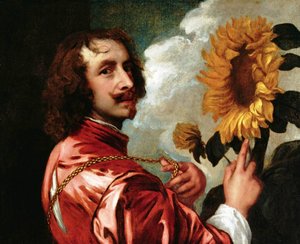
Anthony van Dyck
1599 - 1641 , Belgien
Kortfakta
- Artistic Movement Or Style: Barock
- Artists Or Movements Influenced By This Artist: ['Engelsk porträttmåleri']
- Artists Who Influenced This Artist: ['Peter Paul Rubens']
- Date Of Birth: 22 mars 1599
- Date Of Death: 9 december 1641
- Full Name: Sir Anthony van Dyck
- Nationality: Flamländsk
- Notable Artworks:
- Porträtt av en kvinna
- Hovporträtt Charles I
- Lord John Stuart
- Place Of Birth: Antwerpen, Belgien
Relaterade artiklar

Barockens Mästerverk: Topp 10 konstverk som definierade en epok – OriginalUniqueArt.se
Upptäck barockens 10 största mästerverk! Caravaggio, Rembrandt, Bernini och fler. Lär känna historien bakom ikoniska målningar & skulpturer. Köp reproduktioner av hög kvalitet på OriginalUniqueArt.com – för en lyxig heminredning.

De 10 Mästerverk som Definierade Tidig Nederländsk Målning | Konst & Inredning
Utforska de 10 mästerverk som definierade tidig nederländsk målning! Lär känna Jan van Eyck, Rogier van der Weyden och andra flamländska mästare. Upptäck symbolik, teknik & färgpaletter. Köp reproduktioner av högsta kvalitet på OriginalUniqueArt.com.
The Grandeur of Baroque Portraiture: Power, Emotion & Artistic Innovation
Explore the grandeur of Baroque portraiture! Discover Rubens, Van Dyck & the masters of 17th-century art. Uncover symbolism, techniques & lasting influence. Expert insights for collectors and enthusiasts.
Sir Anthony van Dyck: Courtly Portraiture & the Shaping of Baroque Identity
Explore the life & legacy of Sir Anthony van Dyck, the leading court painter of his era. Discover his innovative portraiture, Baroque masterpieces, and investment potential for discerning collectors. Learn more at OriginalUniqueArt.

Rembrandts 25 Mästerverk: En Konsthistorisk Resa för Hemmet
Utforska Rembrandts 25 mest ikoniska målningar! Lär känna historien bakom mästerverken, hans unika teknik och barockens ljusspel. Köp exklusiva konsttryck & tavlor online på OriginalUniqueArt.com – för en tidlös inredning.