Visa i rummet
 Skicka
 Dela
Dela
 Detaljer
 Studentguide för konstverk

 Ladda ner
 Liknande objekt
 Röntgen
 Bildspel
 Besökstatistik
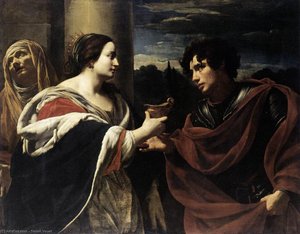
The Fortune Teller
 Oil On Canvas
- WallArt
- French Baroque Painting
 1618
1618 120.0 x 170.0 cm
 National Gallery of Canada
 Läs mer
Handgjord oljereproduktion
Handmålad olja på duk i din valda storlek och ram, tillverkad efter beställning av våra konstnärer. ( Byt till tryckta exemplar Byt till digital bildförsäljning)




P118B Skr10

P118H Skr10

P118W Skr10

P438Z Skr10

P508JH Skr12

P508YH Skr12

P805H Skr10

P805Z Skr10

P919BZ Skr10

P919G Skr10

P919XJ Skr10

P959ZH Skr10

P968JZ Skr12

W106C Skr8

W218G Skr10

W218JH Skr8

W218Y Skr10

W307PJ Skr10

W316G Skr10

W316PJ Skr8

W316Y Skr10

W398PJ Skr8

W4111J Skr10

W500HY Skr15

W500JH Skr15

W692G Skr12

W849H Skr8

W940BG Skr15

W953PJ Skr8




Välj bland våra förinställda storlekar som motsvarar konstverkets ursprungliga proportioner.

Du kan ange egna mått för att passa en specifik ram eller yta. Om den valda storleken inte matchar originalbildens proportioner kommer vi antingen att beskära konstverket eller utöka målningen med ytterligare handmålade element. En digital skiss skickas till dig för godkännande innan produktionen påbörjas.
Observera att förhandsvisningen på skärmen inte återspeglar den faktiska beskärningen eller utökningen. Endast skissen visar den slutgiltiga kompositionen korrekt.
Även om anpassade storlekar är möjliga, rekommenderar vi att du väljer en dimension från den fördefinierade listan för att bevara originalproportionerna.
Efter beställning kommer OriginalUniqueArt.com team att mejla kunden för instruktioner och tillhandahålla en skissförhandsvisning
Leverans över hela världen () på 3–4 veckor istället för standard 5 veckor. (13 oktober). Inga kompromisser med kvaliteten.

Fri expressfrakt över hela världen

Högkvalitativ linnecanvas

Fullständig fraktförsäkring

Garantier för återbetalning av tullavgifter

Garantier för exakt färgåtergivning

100 dagars returrätt vid fabrikationsfel

100% pengarna tillbaka-garanti

Mängdrabatt erbjuds
 Glasalternativet är endast tillgängligt i storlekar under 110 cm.

The Fortune Teller
Tryckteknik
Reproduktionsstorlek
-


Totalpris
Skr 2928
Simon Vouet's "The Fortune Teller": A Window into 17th-Century Parisian Society
The Fortune Teller, painted in 1618 by the masterful Simon Vouet, offers a captivating glimpse into the social and artistic currents of early 17th-century France. This portrait, measuring 120 x 170 cm, transcends a simple depiction of a gathering; it’s a carefully constructed tableau that speaks volumes about patronage, conversation, and the burgeoning influence of the Baroque style. Vouet, a pivotal figure in transitioning French painting from Mannerism to the more dynamic Baroque, meticulously renders his subject – a woman adorned in a vibrant red dress – amidst a group of attentive onlookers. The scene unfolds with an air of quiet engagement, hinting at the importance of social interaction and perhaps even divination within this era.
A Pioneer of Naturalism and Psychological Portraiture
- Vouet's Innovation: Simon Vouet is celebrated for his groundbreaking approach to portraiture. Unlike his contemporaries who adhered to the rigid, stylized conventions of Mannerism, Vouet championed a more naturalistic style, influenced by his extensive travels and studies in Italy.
- Realistic Detail: Observe the subtle nuances in the figures' expressions – the man gesturing animatedly with his hands, the woman’s hand poised as if mid-sentence. Vouet’s skill lies not just in capturing likeness but in conveying psychological depth and a sense of immediacy.
- Compositional Mastery: The arrangement of the figures is deliberate, guiding the viewer's eye through the scene with a carefully balanced composition. This reflects Vouet's understanding of classical principles of perspective and spatial relationships.
Symbolism and Context within a Baroque World
The presence of the clock in the upper portion of the painting is particularly intriguing. While seemingly decorative, it subtly reinforces the theme of time – a recurring motif in Baroque art – and perhaps alludes to the act of fortune-telling itself. The red dress worn by the central figure commands attention, a bold color choice that would have been highly fashionable at the time and likely associated with wealth and status. The scene’s setting, though not explicitly detailed, suggests a private salon or gathering place within Paris, reflecting the growing importance of intellectual and artistic circles in the city.
Technique and Materials: A Reflection of Vouet's Craftsmanship
Executed in oil on canvas, The Fortune Teller showcases Vouet’s mastery of glazing techniques. The smooth surfaces and luminous colors are achieved through meticulous layering of thin washes of paint – a hallmark of his style. The artist’s attention to detail is evident in the rendering of fabrics, textures, and subtle variations in skin tone. This level of technical precision contributed significantly to the painting's enduring appeal and its place as a seminal work within Vouet’s oeuvre.
A Timeless Portrait for Your Collection
This hand-painted reproduction captures the essence of Simon Vouet’s artistic vision, offering an exquisite addition to any art collection or interior design scheme. Its evocative portrayal of 17th-century Parisian society and its masterful execution make it a truly timeless piece. Bring the drama and sophistication of this Baroque masterpiece into your home with OriginalUniqueArt.com's meticulously crafted reproduction.
Frågor och svar
Vilken teknik användes för "The Fortune Teller" av Simon Vouet?
Simon Vouet använde tekniken Oil On Canvas för "The Fortune Teller". Tekniken definierar det ursprungliga verkets materiella karaktär.
Vilken är den dominerande nyansen i "The Fortune Teller" av Simon Vouet?
Den dominerande nyansen i "The Fortune Teller" av Simon Vouet är Amber to Saffron. Nyansen utgör den underliggande tonen i färgpaletten.
Hur stark är kontrasten i "The Fortune Teller" av Simon Vouet?
Kontrastnivån i "The Fortune Teller" av Simon Vouet är Bold.
Vilka motiv förekommer i "The Fortune Teller" av Simon Vouet?
"The Fortune Teller" av Simon Vouet föreställer: portraiture, fortune teller, social gathering, conversation, red dress, clock motif, baroque figure.
Var placerar sig "The Fortune Teller" bland Simon Vouets återkommande motiv?
Simon Vouets återkommande teman inkluderar italian mannerism influence, french court, portraiture, social status, wealth, baron de sancy’s patronage”, “vouet’s pioneering portrait style”, early baroque experimentation"]}; "The Fortune Teller" fokuserar på portraiture, fortune teller, social gathering, conversation, red dress, clock motif, baroque figure.
Hur skapades "The Fortune Teller" och vilken är dess storlek?
Originalet "The Fortune Teller" av Simon Vouet är ett verk i Oil On Canvas med måtten 120 x 170 cm. Teknik och storlek beskriver det ursprungliga objektet.
Vilket format och vilken orientering rekommenderas för tryck av "The Fortune Teller"?
För "The Fortune Teller" är den rekommenderade tryckinställningen storleken Large med Landscape orientering.
Under vilket år och inom vilken stil skapades "The Fortune Teller"?
"The Fortune Teller" skapades år 1618 inom French Baroque Painting-rörelsen.
Om konstnären
Simon Vouet: En Överbryggare Mellan Italien och Frankrikes Konst
Simon Vouet, född i Paris 1590, var mer än bara en målare; han var en konstnärlig ambassadör. Hans livsverk spänner över två kontinenter och representerar en avgörande övergång från manierismen till den fullfjädrade barocken inom fransk konst. Att födas in i en familj med konstnärliga rötter – hans far Laurent var målare och hans bror Aubin också ägnade sig åt konsten – gav Vouet en tidig introduktion till skapandets värld, en grund som skulle forma hans framtida storhet. Hans grandsons Ludovico Dorigny fortsatte familjens konstnärliga arv, vilket vittnar om den bestående inverkan av Vouets talang och engagemang.
Tidig Utveckling och Italienska Influenser
Vouets tidiga karriär präglades av porträttmålning, en disciplin där han snabbt visade prov på sin begåvning. Redan vid 14 års ålder fick han i uppdrag att måla ett porträtt i England, vilket signalerade hans växande rykte. En resa till det osmanska riket, som en del av Baron de Sancys sällskap, gav honom nya perspektiv och erfarenheter, innan han fortsatte till Venedig 1612. Men det var under hans tolvåriga vistelse i Rom från 1614 att Vouets konstnärliga identitet verkligen formades. Den italienska huvudstaden pulserade av kreativitet, och Vouet kastade sig in i den livfulla konstscenen med entusiasm.
I Rom studerade han intensivt de stora mästarna. Caravaggios dramatiska ljussättning fångade hans intresse, medan han samtidigt absorberade element från italienska manierister och noggrant analyserade Paolo Veroneses färgpaletter och användning av di sotto in su – den förvrängda perspektivtekniken som skapar en illusion av djup. Han hämtade inspiration från Carracci-familjen, Guercino, Lanfranco och Guido Reni, och smälte samman dessa olika influenser till en unik konstnärlig vision. Denna förmåga att integrera och transformera var Vouets styrka; han kopierade inte, utan skapade något nytt och distinkt.
Etablering som Ledande Konstnär och Återkomsten till Frankrike
Vouets framgång i Rom kulminerade med hans val till president för den prestigefyllda Accademia di San Luca år 1624, ett bevis på hans skicklighet och erkännande inom den italienska konstvärlden. År 1627 kallades han tillbaka till Frankrike av kung Ludvig XIII, som utnämnde honom till Premier peintre du Roi – en position som innebar att vara hovets främste målare. Detta markerade början på en period av stor produktivitet och inflytande.
Vouet etablerade en omfattande verkstad, där han utbildade en rad framstående franska konstnärer, inklusive Charles Le Brun, som senare skulle dominera dekorativa målningar på Versailles. Han introducerade den italienska barockstilen till Frankrike och formade därmed landets konstnärliga riktning under 1600-talet. Hans förmåga att kombinera italiensk elegans med fransk smak gjorde honom till en eftertraktad konstnär bland adeln och kyrkan.
Arv och Betydelse
Simon Vouets arv är djupt rotat i hans roll som en brobyggare mellan italienska och franska konsttraditioner. Han lyckades inte bara importera den dynamik och storslagenhet som kännetecknar den italienska barocken, utan också anpassa den till den franska smaken. Hans inflytande är tydligt i utvecklingen av fransk målning under 1600-talet, och hans bidrag fortsätter att uppskattas av konsthistoriker idag. Genom sina elever spreds Vouets stil och tekniker över hela Frankrike, vilket skapade en distinkt fransk barockskola som präglade landets visuella identitet under århundraden.

Simon Vouet
1590 - 1649 , Frankrike
Snabbfakta
- Artistic Movement Or Style: Barockmålning
- Artists Or Movements Influenced By This Artist:
- Charles Le Brun
- Valentin de Boulogne
- Fransk Barockmålning
- Artists Who Influenced This Artist:
- Caravaggio
- Paolo Veronese
- Guido Reni
- Date Of Birth: 9 januari 1590
- Date Of Death: 30 juni 1649
- Full Name: Simon Vouet
- Nationality: Fransk
- Notable Artworks:
- Rikedomen
- Ceres
- Den besegrade Tiden
- Place Of Birth: Paris, Frankrike
Relaterade artiklar

OriginalUniqueArt.com F.A.Q.: Elevate Your Decor with Premium Textured Giclée Prints
Discover the distinction of OriginalUniqueArt.com premium textured Giclée prints. Expertly crafted with archival 12-color pigments and museum-grade substrates, our prints offer unparalleled vividness for the discerning collector seeking luxury, durability, and timeless elegance.