Visa i rummet
 Skicka
 Dela
Dela
 Detaljer
 Studentguide för konstverk

 Ladda ner
 Liknande objekt
 Röntgen
 Bildspel
 Besökstatistik
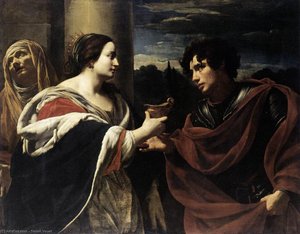
The Entombment
 Oil On Canvas
- WallArt
- Baroque Painting
 1638
1638 57.0 x 42.0 cm
 Fitzwilliam College
 Läs mer
Giclée / Konsttryck
Giclée- eller canvasprint av museumskvalitet med snabb produktion och flexibla ytbehandlingsalternativ. ( Köp handmålat konstverk Byt till digital bildförsäljning)




P118B Skr10

P118H Skr10

P118W Skr10

P438Z Skr10

P508JH Skr12

P508YH Skr12

P805H Skr10

P805Z Skr10

P919BZ Skr10

P919G Skr10

P919XJ Skr10

P959ZH Skr10

P968JZ Skr12

W106C Skr8

W218G Skr10

W218JH Skr8

W218Y Skr10

W307PJ Skr10

W316G Skr10

W316PJ Skr8

W316Y Skr10

W398PJ Skr8

W4111J Skr10

W500HY Skr15

W500JH Skr15

W692G Skr12

W849H Skr8

W940BG Skr15

W953PJ Skr8




Välj bland våra förinställda storlekar som motsvarar konstverkets ursprungliga proportioner.

Ange den bredd och höjd du behöver, för att passa din ram eller din vägg. Ett tryck kan endast beskäras, aldrig göras större än bilden, vilket innebär att ett format med en annan formform leder till att en del av bilden går förlorad. Vi skickar en digital mockup för godkännande innan vi trycker något. Bilden som visas på denna sida visar inte den faktiska beskärningen — det är endast mockuppen som gör det.
Leverans över hela världen () på 2 veckor istället för standard 4/5 veckor. (23 oktober)

Fri expressfrakt över hela världen

Högkvalitativ linnecanvas

Fullständig fraktförsäkring

Garantier för återbetalning av tullavgifter

Garantier för exakt färgåtergivning

100 dagars returrätt vid fabrikationsfel

100% pengarna tillbaka-garanti

Mängdrabatt erbjuds
 Glasalternativet är endast tillgängligt i storlekar under 110 cm.

The Entombment
Giclée / Konsttryck
Reproduktionsstorlek
-


Totalpris
Skr 793
The Weight of Sorrow: Simon Vouet’s “The Entombment”
Simon Vouet's "The Entombment," painted in 1635–1638, is not merely a depiction of a biblical scene; it’s an exquisitely rendered meditation on grief, faith, and the profound dignity of sacrifice. This monumental work, currently residing within the collection of the Fitzwilliam Museum in Cambridge, transcends its subject matter to become a powerful testament to the Baroque era's ability to evoke intense emotion through masterful technique and carefully considered symbolism. Vouet, a pivotal figure in bridging the gap between Mannerism and the burgeoning Baroque style in France, imbued this piece with the dramatic lighting and emotional depth that would define his career.
The painting immediately draws the viewer into a scene of palpable sorrow. Jesus Christ, recently taken from the cross, lies supine within a richly appointed tomb – a bed draped in luxurious fabrics, its details suggesting both earthly comfort and impending finality. The figures surrounding him are rendered with an almost sculptural quality, their bodies conveying a range of emotions: Mary Magdalene, her face etched with anguish, gently lays her head upon Christ’s chest; John the Evangelist kneels in prayer, his posture reflecting deep contemplation; while other mourners – including soldiers and attendants – stand as witnesses to this solemn event. Vouet's skill lies not just in capturing individual likenesses but in conveying the collective weight of grief that permeates the scene.
A Masterclass in Baroque Technique
Vouet’s mastery of technique is evident in every brushstroke. He employed a layered approach, building up the image through numerous glazes – a hallmark of his style and one that contributes to the painting's luminous quality. The use of *chiaroscuro*, or dramatic contrasts between light and shadow, is particularly striking. The soft, diffused light emanating from an unseen source illuminates Christ’s body and the faces of the mourners, while plunging the tomb into a deeper darkness, symbolizing death and the unknown. This interplay of light and shadow not only creates a sense of drama but also directs the viewer's eye to the most important elements of the composition.
Furthermore, Vouet’s attention to detail is remarkable. The textures of the fabrics – the velvet, linen, and wool – are rendered with astonishing realism, as are the folds of Christ’s garments and the expressions on the faces of the figures. The artist's meticulous observation of anatomy and drapery reflects his extensive training in Italy, where he had spent much of his early career studying the works of masters like Titian and Veronese. The composition itself is carefully balanced, with a clear sense of depth and perspective that draws the viewer into the scene.
Symbolism and Spiritual Resonance
Beyond its technical brilliance, “The Entombment” is rich in symbolic meaning. The tomb itself represents not just death but also resurrection – the promise of eternal life offered through Christ’s sacrifice. The presence of Mary Magdalene, traditionally depicted as a repentant sinner, underscores the theme of redemption and forgiveness. The soldiers guarding the tomb symbolize earthly authority and the limitations of human power to prevent divine destiny. The bird perched atop the tomb, often interpreted as an angel or dove, represents hope and the arrival of the Holy Spirit.
Moreover, the painting’s emotional intensity speaks to a broader spiritual concern – the universality of suffering and the importance of compassion. Vouet's depiction of grief is not merely sentimental; it is profoundly moving, inviting viewers to contemplate their own experiences of loss and mortality. The scene resonates with the viewer on a deeply human level, reminding us of the enduring power of faith and the significance of acts of kindness and empathy.
A Legacy of Elegance and Emotion
“The Entombment” stands as a quintessential example of Baroque art – a fusion of technical virtuosity, dramatic emotion, and profound symbolism. Simon Vouet’s ability to capture both the physical beauty of his subjects and the depth of their emotional experience is truly remarkable. Reproductions of this masterpiece offer an opportunity to bring its elegance and spiritual resonance into any setting, serving as a poignant reminder of humanity's shared journey through life and death.
Frågor och svar
Var placerar sig "The Entombment" bland Simon Vouets återkommande motiv?
Simon Vouets återkommande teman inkluderar italian baroque, mannerist influence, religious devotion, christian narrative, royal patronage, courtly commissions, emotional intensity, dramatic scenes; "The Entombment" fokuserar på christianity, entombment, jesus, mary magdalene, angels, burial, renaissance, baroque.
Förvaras "The Entombment" av Simon Vouet i konstnärens hemland?
Nej – konstverket förvaras utomlands. Simon Vouet föddes i Frankrike, och originalet av "The Entombment" finns på ett museum i Storbritannien.
Vilken fas i Simon Vouets karriär motsvarar årtalet 1638 för "The Entombment"?
"The Entombment", skapat år 1638, tillhör den Mature Period av Simon Vouets karriär.
Om konstnären
Simon Vouet: En Överbryggare Mellan Italien och Frankrikes Konst
Simon Vouet, född i Paris 1590, var mer än bara en målare; han var en konstnärlig ambassadör. Hans livsverk spänner över två kontinenter och representerar en avgörande övergång från manierismen till den fullfjädrade barocken inom fransk konst. Att födas in i en familj med konstnärliga rötter – hans far Laurent var målare och hans bror Aubin också ägnade sig åt konsten – gav Vouet en tidig introduktion till skapandets värld, en grund som skulle forma hans framtida storhet. Hans grandsons Ludovico Dorigny fortsatte familjens konstnärliga arv, vilket vittnar om den bestående inverkan av Vouets talang och engagemang.
Tidig Utveckling och Italienska Influenser
Vouets tidiga karriär präglades av porträttmålning, en disciplin där han snabbt visade prov på sin begåvning. Redan vid 14 års ålder fick han i uppdrag att måla ett porträtt i England, vilket signalerade hans växande rykte. En resa till det osmanska riket, som en del av Baron de Sancys sällskap, gav honom nya perspektiv och erfarenheter, innan han fortsatte till Venedig 1612. Men det var under hans tolvåriga vistelse i Rom från 1614 att Vouets konstnärliga identitet verkligen formades. Den italienska huvudstaden pulserade av kreativitet, och Vouet kastade sig in i den livfulla konstscenen med entusiasm.
I Rom studerade han intensivt de stora mästarna. Caravaggios dramatiska ljussättning fångade hans intresse, medan han samtidigt absorberade element från italienska manierister och noggrant analyserade Paolo Veroneses färgpaletter och användning av di sotto in su – den förvrängda perspektivtekniken som skapar en illusion av djup. Han hämtade inspiration från Carracci-familjen, Guercino, Lanfranco och Guido Reni, och smälte samman dessa olika influenser till en unik konstnärlig vision. Denna förmåga att integrera och transformera var Vouets styrka; han kopierade inte, utan skapade något nytt och distinkt.
Etablering som Ledande Konstnär och Återkomsten till Frankrike
Vouets framgång i Rom kulminerade med hans val till president för den prestigefyllda Accademia di San Luca år 1624, ett bevis på hans skicklighet och erkännande inom den italienska konstvärlden. År 1627 kallades han tillbaka till Frankrike av kung Ludvig XIII, som utnämnde honom till Premier peintre du Roi – en position som innebar att vara hovets främste målare. Detta markerade början på en period av stor produktivitet och inflytande.
Vouet etablerade en omfattande verkstad, där han utbildade en rad framstående franska konstnärer, inklusive Charles Le Brun, som senare skulle dominera dekorativa målningar på Versailles. Han introducerade den italienska barockstilen till Frankrike och formade därmed landets konstnärliga riktning under 1600-talet. Hans förmåga att kombinera italiensk elegans med fransk smak gjorde honom till en eftertraktad konstnär bland adeln och kyrkan.
Arv och Betydelse
Simon Vouets arv är djupt rotat i hans roll som en brobyggare mellan italienska och franska konsttraditioner. Han lyckades inte bara importera den dynamik och storslagenhet som kännetecknar den italienska barocken, utan också anpassa den till den franska smaken. Hans inflytande är tydligt i utvecklingen av fransk målning under 1600-talet, och hans bidrag fortsätter att uppskattas av konsthistoriker idag. Genom sina elever spreds Vouets stil och tekniker över hela Frankrike, vilket skapade en distinkt fransk barockskola som präglade landets visuella identitet under århundraden.

Simon Vouet
1590 - 1649 , Frankrike
Snabbfakta
- Artistic Movement Or Style: Barockmålning
- Artists Or Movements Influenced By This Artist:
- Charles Le Brun
- Valentin de Boulogne
- Fransk Barockmålning
- Artists Who Influenced This Artist:
- Caravaggio
- Paolo Veronese
- Guido Reni
- Date Of Birth: 9 januari 1590
- Date Of Death: 30 juni 1649
- Full Name: Simon Vouet
- Nationality: Fransk
- Notable Artworks:
- Rikedomen
- Ceres
- Den besegrade Tiden
- Place Of Birth: Paris, Frankrike
Relaterade artiklar

The Dramatic Flourish: Exploring the Baroque Movement's Enduring Legacy in Art History
Explore the dramatic world of Baroque art! Discover iconic artists like Caravaggio & Rubens, defining techniques, and its lasting impact on art history. Expert insights for collectors & enthusiasts at OriginalUniqueArt.
Simon Vouet: A Baroque Master's Journey from Italian Influence to French Classicism
Explore the life & art of Simon Vouet, a pivotal French Baroque painter who introduced Italian styles to France. Discover his masterpieces and lasting influence on 17th-century art.

Barockens dramatik: Att föra prakt och känsla in i samtida interiörer
Upptäck barockens dramatik och lyx! Lär dig hur du integrerar denna klassiska stil i ditt hem med våra experttips och inspirerande exempel. Skapa en palatskänsla idag!

The Visceral Stage: Exploring Dramatic Narratives & Emotional Intensity in Baroque Art
Explore the dramatic world of Baroque art! Discover iconic masters like Caravaggio & Rembrandt, their techniques, and the movement's lasting impact. Expert insights for collectors & enthusiasts at OriginalUniqueArt.

Barockens Mästerverk: Topp 10 konstverk som definierade en epok – OriginalUniqueArt.se
Upptäck barockens 10 största mästerverk! Caravaggio, Rembrandt, Bernini och fler. Lär känna historien bakom ikoniska målningar & skulpturer. Köp reproduktioner av hög kvalitet på OriginalUniqueArt.com – för en lyxig heminredning.