Visa i rummet
 Skicka
 Dela
Dela
 Detaljer
 Studentguide för konstverk

 Ladda ner
 Liknande objekt
 Röntgen
 Bildspel
 Besökstatistik
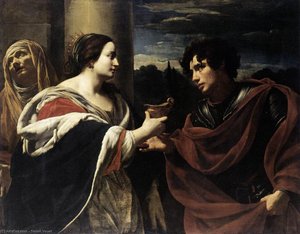
Sleeping Venus
 Acrylic On Canvas
- WallArt
- Baroque
 1630
1630 100.0 x 84.0 cm
 Szépművészeti Múzeum
 Läs mer
Giclée / Konsttryck
Giclée- eller canvasprint av museumskvalitet med snabb produktion och flexibla ytbehandlingsalternativ. ( Köp handmålat konstverk Byt till digital bildförsäljning)




P118B Skr10

P118H Skr10

P118W Skr10

P438Z Skr10

P508JH Skr12

P508YH Skr12

P805H Skr10

P805Z Skr10

P919BZ Skr10

P919G Skr10

P919XJ Skr10

P959ZH Skr10

P968JZ Skr12

W106C Skr8

W218G Skr10

W218JH Skr8

W218Y Skr10

W307PJ Skr10

W316G Skr10

W316PJ Skr8

W316Y Skr10

W398PJ Skr8

W4111J Skr10

W500HY Skr15

W500JH Skr15

W692G Skr12

W849H Skr8

W940BG Skr15

W953PJ Skr8




Välj bland våra förinställda storlekar som motsvarar konstverkets ursprungliga proportioner.

Ange den bredd och höjd du behöver, för att passa din ram eller din vägg. Ett tryck kan endast beskäras, aldrig göras större än bilden, vilket innebär att ett format med en annan formform leder till att en del av bilden går förlorad. Vi skickar en digital mockup för godkännande innan vi trycker något. Bilden som visas på denna sida visar inte den faktiska beskärningen — det är endast mockuppen som gör det.
Leverans över hela världen () på 2 veckor istället för standard 4/5 veckor. (20 oktober)

Fri expressfrakt över hela världen

Högkvalitativ linnecanvas

Fullständig fraktförsäkring

Garantier för återbetalning av tullavgifter

Garantier för exakt färgåtergivning

100 dagars returrätt vid fabrikationsfel

100% pengarna tillbaka-garanti

Mängdrabatt erbjuds
 Glasalternativet är endast tillgängligt i storlekar under 110 cm.

Sleeping Venus
Giclée / Konsttryck
Reproduktionsstorlek
-


Totalpris
Skr 787
A Moment of Serene Contemplation: Simon Vouet’s “Sleeping Venus”
Simon Vouet's "Sleeping Venus," painted around 1630, is not merely a depiction of a reclining nude; it’s an exquisite distillation of Renaissance ideals and the burgeoning Baroque aesthetic. This captivating work transcends simple portraiture, offering instead a profound meditation on beauty, repose, and the delicate balance between earthly pleasure and spiritual contemplation. The painting immediately draws the viewer into a world of hushed tranquility, inviting us to share in the woman's peaceful slumber – a rare and deliberate choice for art of that era.
Vouet, a pivotal figure in transitioning French painting from Mannerism to the Baroque, masterfully employed techniques honed during his extensive travels through Italy. He absorbed the influence of artists like Raphael and Leonardo da Vinci, particularly their understanding of light and shadow – crucial elements evident in the soft, diffused illumination that bathes Venus’s form. The artist's meticulous attention to detail is remarkable; from the subtle folds of her drapery to the delicate curve of her lips, every element contributes to a sense of palpable realism, yet imbued with an ethereal quality.
The Symbolism of Slumber
The choice of Venus asleep holds significant symbolic weight. In classical mythology, Venus is the goddess of love and beauty, but here she’s presented not as a vibrant, active force, but in a state of serene repose. This isn't simply an image of physical beauty; it speaks to a deeper concept – the ideal of inner grace and spiritual harmony. The clouds beneath her suggest a realm beyond earthly concerns, hinting at a connection with the divine. The positioning of her head, slightly tilted back, evokes a sense of vulnerability and trust, as if she’s surrendering entirely to the peace of her dreams.
Furthermore, the inclusion of the tree branch extending from the upper left corner adds another layer of meaning. Trees often symbolize life, growth, and connection to nature – elements that complement Venus's association with fertility and abundance. The branches subtly frame the figure, emphasizing her centrality within the composition and reinforcing the painting’s overall theme of harmonious integration.
A Window into 17th-Century France
"Sleeping Venus" is a quintessential example of the artistic climate in 17th-century France, a period marked by a renewed interest in classical antiquity and a shift towards more dynamic and emotionally charged forms of art. Vouet’s work reflects this transition, moving away from the stylized elegance of Mannerism toward the richer colors, dramatic lighting, and heightened realism characteristic of the Baroque. It was commissioned during a time when royal patronage fueled artistic innovation, allowing artists like Vouet to experiment with new techniques and explore ambitious subjects.
The painting’s creation coincided with the rise of Louis XIII and Cardinal Richelieu, who were both avid collectors of art and sought to elevate French culture through lavish displays of wealth and power. Vouet's work served as a powerful symbol of royal authority and artistic excellence, contributing to the grandeur of Versailles and other prominent palaces.
Recreating the Masterpiece: A High-Quality Reproduction
Reproducing "Sleeping Venus" today offers an opportunity to bring this timeless masterpiece into any setting. A carefully crafted print or canvas reproduction captures not only the painting’s visual beauty but also its underlying emotional resonance. The soft, luminous quality of the original is faithfully replicated, creating a piece that will grace any room with an air of serenity and sophistication. Consider framing it in a classic style to further enhance its historical context and artistic merit.
Whether you're an art enthusiast, a collector seeking to expand your collection, or simply someone looking for a stunning addition to your home décor, Simon Vouet’s “Sleeping Venus” remains a testament to the enduring power of beauty, tranquility, and artistic genius.
Frågor och svar
Hur möts epok och stil i "Sleeping Venus" av Simon Vouet?
"Sleeping Venus" tillhör den Baroque rörelsen, och dess skapare verkade under Tidig modern tid-eran.
Är "Sleeping Venus" av Simon Vouet fri från upphovsrätt?
"Sleeping Venus" av Simon Vouet är allmän egendom – upphovsrätten har löpt ut. Denna status avgör hur bilden av verket får återges.
Vilket användningsområde rekommenderas för "Sleeping Venus" av Simon Vouet?
Det rekommenderade användningsområdet för "Sleeping Venus" av Simon Vouet är Statement. Den kan även användas till andra ändamål.
Om konstnären
Simon Vouet: En Överbryggare Mellan Italien och Frankrikes Konst
Simon Vouet, född i Paris 1590, var mer än bara en målare; han var en konstnärlig ambassadör. Hans livsverk spänner över två kontinenter och representerar en avgörande övergång från manierismen till den fullfjädrade barocken inom fransk konst. Att födas in i en familj med konstnärliga rötter – hans far Laurent var målare och hans bror Aubin också ägnade sig åt konsten – gav Vouet en tidig introduktion till skapandets värld, en grund som skulle forma hans framtida storhet. Hans grandsons Ludovico Dorigny fortsatte familjens konstnärliga arv, vilket vittnar om den bestående inverkan av Vouets talang och engagemang.
Tidig Utveckling och Italienska Influenser
Vouets tidiga karriär präglades av porträttmålning, en disciplin där han snabbt visade prov på sin begåvning. Redan vid 14 års ålder fick han i uppdrag att måla ett porträtt i England, vilket signalerade hans växande rykte. En resa till det osmanska riket, som en del av Baron de Sancys sällskap, gav honom nya perspektiv och erfarenheter, innan han fortsatte till Venedig 1612. Men det var under hans tolvåriga vistelse i Rom från 1614 att Vouets konstnärliga identitet verkligen formades. Den italienska huvudstaden pulserade av kreativitet, och Vouet kastade sig in i den livfulla konstscenen med entusiasm.
I Rom studerade han intensivt de stora mästarna. Caravaggios dramatiska ljussättning fångade hans intresse, medan han samtidigt absorberade element från italienska manierister och noggrant analyserade Paolo Veroneses färgpaletter och användning av di sotto in su – den förvrängda perspektivtekniken som skapar en illusion av djup. Han hämtade inspiration från Carracci-familjen, Guercino, Lanfranco och Guido Reni, och smälte samman dessa olika influenser till en unik konstnärlig vision. Denna förmåga att integrera och transformera var Vouets styrka; han kopierade inte, utan skapade något nytt och distinkt.
Etablering som Ledande Konstnär och Återkomsten till Frankrike
Vouets framgång i Rom kulminerade med hans val till president för den prestigefyllda Accademia di San Luca år 1624, ett bevis på hans skicklighet och erkännande inom den italienska konstvärlden. År 1627 kallades han tillbaka till Frankrike av kung Ludvig XIII, som utnämnde honom till Premier peintre du Roi – en position som innebar att vara hovets främste målare. Detta markerade början på en period av stor produktivitet och inflytande.
Vouet etablerade en omfattande verkstad, där han utbildade en rad framstående franska konstnärer, inklusive Charles Le Brun, som senare skulle dominera dekorativa målningar på Versailles. Han introducerade den italienska barockstilen till Frankrike och formade därmed landets konstnärliga riktning under 1600-talet. Hans förmåga att kombinera italiensk elegans med fransk smak gjorde honom till en eftertraktad konstnär bland adeln och kyrkan.
Arv och Betydelse
Simon Vouets arv är djupt rotat i hans roll som en brobyggare mellan italienska och franska konsttraditioner. Han lyckades inte bara importera den dynamik och storslagenhet som kännetecknar den italienska barocken, utan också anpassa den till den franska smaken. Hans inflytande är tydligt i utvecklingen av fransk målning under 1600-talet, och hans bidrag fortsätter att uppskattas av konsthistoriker idag. Genom sina elever spreds Vouets stil och tekniker över hela Frankrike, vilket skapade en distinkt fransk barockskola som präglade landets visuella identitet under århundraden.

Simon Vouet
1590 - 1649 , Frankrike
Snabbfakta
- Artistic Movement Or Style: Barockmålning
- Artists Or Movements Influenced By This Artist:
- Charles Le Brun
- Valentin de Boulogne
- Fransk Barockmålning
- Artists Who Influenced This Artist:
- Caravaggio
- Paolo Veronese
- Guido Reni
- Date Of Birth: 9 januari 1590
- Date Of Death: 30 juni 1649
- Full Name: Simon Vouet
- Nationality: Fransk
- Notable Artworks:
- Rikedomen
- Ceres
- Den besegrade Tiden
- Place Of Birth: Paris, Frankrike
Relaterade artiklar

Barockens dramatik: Att föra prakt och känsla in i samtida interiörer
Upptäck barockens dramatik och lyx! Lär dig hur du integrerar denna klassiska stil i ditt hem med våra experttips och inspirerande exempel. Skapa en palatskänsla idag!

The Dramatic Flourish: Exploring the Baroque Movement's Enduring Legacy in Art History
Explore the dramatic world of Baroque art! Discover iconic artists like Caravaggio & Rubens, defining techniques, and its lasting impact on art history. Expert insights for collectors & enthusiasts at OriginalUniqueArt.

The Enduring Allure of the Nude: A Historical & Artistic Exploration of the Human Form
Explore the captivating history of nude art! Discover iconic paintings & artists from classical to modern eras. Uncover symbolism, techniques & find museum-quality reproductions at OriginalUniqueArt.

Simon Vouet: A Baroque Master's Journey from Italian Influence to French Classicism
Explore the life & art of Simon Vouet, a pivotal French Baroque painter who introduced Italian styles to France. Discover his masterpieces and lasting influence on 17th-century art.
Charles Le Brun: Master of French Baroque Classicism & His Enduring Legacy
Explore the life & art of Charles Le Brun, master of French Baroque Classicism. Discover his royal commissions, influence on Versailles, and enduring legacy through detailed analysis & stunning artworks.