Visa i rummet
 Skicka
 Dela
Dela
 Detaljer
 Studentguide för konstverk

 Ladda ner
 Liknande objekt
 Röntgen
 Bildspel
 Besökstatistik
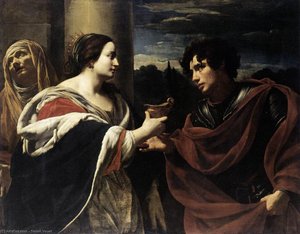
Gaucher de Châtillon, Connétable
 Oil On Canvas
- WallArt
- Baroque Painting
 1632
1632 218.0 x 137.0 cm
 Louvren
 Läs mer
Handgjord oljereproduktion
Handmålad olja på duk i din valda storlek och ram, tillverkad efter beställning av våra konstnärer. ( Byt till tryckta exemplar Byt till digital bildförsäljning)




P118B Skr10

P118H Skr10

P118W Skr10

P438Z Skr10

P508JH Skr12

P508YH Skr12

P805H Skr10

P805Z Skr10

P919BZ Skr10

P919G Skr10

P919XJ Skr10

P959ZH Skr10

P968JZ Skr12

W106C Skr8

W218G Skr10

W218JH Skr8

W218Y Skr10

W307PJ Skr10

W316G Skr10

W316PJ Skr8

W316Y Skr10

W398PJ Skr8

W4111J Skr10

W500HY Skr15

W500JH Skr15

W692G Skr12

W849H Skr8

W940BG Skr15

W953PJ Skr8




Välj bland våra förinställda storlekar som motsvarar konstverkets ursprungliga proportioner.

Ange den bredd och höjd du behöver för att passa din ram eller din vägg. Eftersom detta är handmålat kan konstnären vid en annan form måla lite mer runt bilden eller beskära den något – du väljer själv. Vi skickar en digital mockup för godkännande innan målningen påbörjas. Bilden som visas på denna sida representerar inte det slutgiltiga resultatet — det är endast mockuppen som visar det.
Efter beställning kommer OriginalUniqueArt.com team att mejla kunden för instruktioner och tillhandahålla en skissförhandsvisning
Leverans över hela världen () på 3–4 veckor istället för standard 5 veckor. (21 oktober). Inga kompromisser med kvaliteten.

Fri expressfrakt över hela världen

Högkvalitativ linnecanvas

Fullständig fraktförsäkring

Garantier för återbetalning av tullavgifter

Garantier för exakt färgåtergivning

100 dagars returrätt vid fabrikationsfel

100% pengarna tillbaka-garanti

Mängdrabatt erbjuds
 Glasalternativet är endast tillgängligt i storlekar under 110 cm.

Gaucher de Châtillon, Connétable
Tryckteknik
Reproduktionsstorlek
-


Totalpris
Skr 2950
A Noble Portrait in Baroque Grace: Simon Vouet’s Gaucher de Châtillon
Simon Vouet's "Gaucher de Châtillon, Connétable" – painted in 1632 – is more than just a portrait; it’s a meticulously crafted window into the heart of 17th-century French nobility and the burgeoning Baroque artistic movement. The painting depicts Gaucher V de Châtillon, a pivotal figure in French history as Constable of Champagne and later Constable of France, rendered with an arresting blend of realism and idealized elegance. Vouet, a key figure in transitioning French art from Mannerism to the dramatic flair of the Baroque, masterfully captures not just the subject’s likeness but also his status, bearing, and a subtle air of contemplative dignity.
The composition itself is carefully orchestrated. Gaucher dominates the frame, positioned slightly off-center, lending him an approachable yet undeniably regal presence. His gaze, directed towards the viewer with a quiet intensity, invites engagement. The rich fabrics – the deep blue doublet and flowing orange robe – are rendered with astonishing detail, showcasing Vouet’s skill in capturing texture and light. Notice how the folds of the garments seem to ripple and move, creating a dynamic sense of volume that elevates the portrait beyond a static representation.
The Baroque Palette and Painterly Technique
Vouet's mastery lies not only in his ability to depict form but also in his innovative use of color and technique. He moved away from the flat, stylized approaches of earlier Renaissance portraiture, embracing a more atmospheric and luminous style influenced by his time spent in Italy. The painting’s palette is dominated by earthy tones – ochres, browns, and deep reds – creating a sense of warmth and gravitas. However, these are punctuated with vibrant blues and subtle greens, particularly in the landscape backdrop, adding depth and visual interest.
Vouet employed a technique known as “alla prima,” meaning he painted directly onto the canvas without extensive underdrawing or layering. This resulted in a remarkably smooth surface and a sense of immediacy. The brushstrokes are visible yet controlled, contributing to the painting’s overall richness and texture. He skillfully used light and shadow – *chiaroscuro* – to sculpt Gaucher's features and create a three-dimensional effect, further enhancing his presence within the scene.
Historical Context: A Nobleman in Turbulent Times
To fully appreciate “Gaucher de Châtillon,” it’s essential to understand its historical context. The painting was created during a period of significant political and social upheaval in France – the reign of Louis XIII and the rise of Cardinal Richelieu, who commissioned many portraits for his collection. Gaucher himself played a crucial role in French politics, serving as Constable during a time of war and instability. His position demanded both military prowess and diplomatic skill.
The inclusion of a landscape – rolling hills under a cloudy sky – subtly reinforces this historical setting. It’s not merely decorative; it provides a sense of place and suggests the challenges faced by Gaucher in his role as a protector of the realm. The painting, therefore, becomes a visual testament to both an individual's life and the broader currents of French history.
Symbolism and Emotional Resonance
Beyond its historical significance, “Gaucher de Châtillon” is rich in symbolic meaning. The noble attire signifies his status and authority, while the contemplative expression suggests a man burdened by responsibility yet possessing inner strength. The composition itself – with Gaucher centrally positioned – conveys a sense of dignity and importance.
Ultimately, Vouet’s portrait transcends mere likeness; it captures something deeper—the essence of a nobleman navigating a complex world. It's a powerful image that speaks to themes of leadership, duty, and the enduring legacy of a remarkable figure in French history. Reproductions of this masterpiece offer a captivating glimpse into a bygone era, inviting viewers to contemplate the artistry and historical significance of this exceptional work.
Frågor och svar
Hur samverkar kontrast och harmoni i "Gaucher de Châtillon, Connétable"?
Färganalysen av "Gaucher de Châtillon, Connétable" av Simon Vouet uppvisar en Bold kontrast och en Balanced Harmony harmoni.
Var kan jag se en förhandsvisning av "Gaucher de Châtillon, Connétable"?
Sidan Förhandsvisning för "Gaucher de Châtillon, Connétable" låter dig förhandsgranska konstverket innan du beställer.
Vem är upphovspersonen till "Gaucher de Châtillon, Connétable" och vilket år skapades verket?
Simon Vouet skapade "Gaucher de Châtillon, Connétable" år 1632.
Om konstnären
Simon Vouet: En Överbryggare Mellan Italien och Frankrikes Konst
Simon Vouet, född i Paris 1590, var mer än bara en målare; han var en konstnärlig ambassadör. Hans livsverk spänner över två kontinenter och representerar en avgörande övergång från manierismen till den fullfjädrade barocken inom fransk konst. Att födas in i en familj med konstnärliga rötter – hans far Laurent var målare och hans bror Aubin också ägnade sig åt konsten – gav Vouet en tidig introduktion till skapandets värld, en grund som skulle forma hans framtida storhet. Hans grandsons Ludovico Dorigny fortsatte familjens konstnärliga arv, vilket vittnar om den bestående inverkan av Vouets talang och engagemang.
Tidig Utveckling och Italienska Influenser
Vouets tidiga karriär präglades av porträttmålning, en disciplin där han snabbt visade prov på sin begåvning. Redan vid 14 års ålder fick han i uppdrag att måla ett porträtt i England, vilket signalerade hans växande rykte. En resa till det osmanska riket, som en del av Baron de Sancys sällskap, gav honom nya perspektiv och erfarenheter, innan han fortsatte till Venedig 1612. Men det var under hans tolvåriga vistelse i Rom från 1614 att Vouets konstnärliga identitet verkligen formades. Den italienska huvudstaden pulserade av kreativitet, och Vouet kastade sig in i den livfulla konstscenen med entusiasm.
I Rom studerade han intensivt de stora mästarna. Caravaggios dramatiska ljussättning fångade hans intresse, medan han samtidigt absorberade element från italienska manierister och noggrant analyserade Paolo Veroneses färgpaletter och användning av di sotto in su – den förvrängda perspektivtekniken som skapar en illusion av djup. Han hämtade inspiration från Carracci-familjen, Guercino, Lanfranco och Guido Reni, och smälte samman dessa olika influenser till en unik konstnärlig vision. Denna förmåga att integrera och transformera var Vouets styrka; han kopierade inte, utan skapade något nytt och distinkt.
Etablering som Ledande Konstnär och Återkomsten till Frankrike
Vouets framgång i Rom kulminerade med hans val till president för den prestigefyllda Accademia di San Luca år 1624, ett bevis på hans skicklighet och erkännande inom den italienska konstvärlden. År 1627 kallades han tillbaka till Frankrike av kung Ludvig XIII, som utnämnde honom till Premier peintre du Roi – en position som innebar att vara hovets främste målare. Detta markerade början på en period av stor produktivitet och inflytande.
Vouet etablerade en omfattande verkstad, där han utbildade en rad framstående franska konstnärer, inklusive Charles Le Brun, som senare skulle dominera dekorativa målningar på Versailles. Han introducerade den italienska barockstilen till Frankrike och formade därmed landets konstnärliga riktning under 1600-talet. Hans förmåga att kombinera italiensk elegans med fransk smak gjorde honom till en eftertraktad konstnär bland adeln och kyrkan.
Arv och Betydelse
Simon Vouets arv är djupt rotat i hans roll som en brobyggare mellan italienska och franska konsttraditioner. Han lyckades inte bara importera den dynamik och storslagenhet som kännetecknar den italienska barocken, utan också anpassa den till den franska smaken. Hans inflytande är tydligt i utvecklingen av fransk målning under 1600-talet, och hans bidrag fortsätter att uppskattas av konsthistoriker idag. Genom sina elever spreds Vouets stil och tekniker över hela Frankrike, vilket skapade en distinkt fransk barockskola som präglade landets visuella identitet under århundraden.

Simon Vouet
1590 - 1649 , Frankrike
Snabbfakta
- Artistic Movement Or Style: Barockmålning
- Artists Or Movements Influenced By This Artist:
- Charles Le Brun
- Valentin de Boulogne
- Fransk Barockmålning
- Artists Who Influenced This Artist:
- Caravaggio
- Paolo Veronese
- Guido Reni
- Date Of Birth: 9 januari 1590
- Date Of Death: 30 juni 1649
- Full Name: Simon Vouet
- Nationality: Fransk
- Notable Artworks:
- Rikedomen
- Ceres
- Den besegrade Tiden
- Place Of Birth: Paris, Frankrike
Relaterade artiklar

Barockens dramatik: Att föra prakt och känsla in i samtida interiörer
Upptäck barockens dramatik och lyx! Lär dig hur du integrerar denna klassiska stil i ditt hem med våra experttips och inspirerande exempel. Skapa en palatskänsla idag!

Barockens Mästerverk: Topp 10 konstverk som definierade en epok – OriginalUniqueArt.se
Upptäck barockens 10 största mästerverk! Caravaggio, Rembrandt, Bernini och fler. Lär känna historien bakom ikoniska målningar & skulpturer. Köp reproduktioner av hög kvalitet på OriginalUniqueArt.com – för en lyxig heminredning.

Goyas 25 Mästerverk: En Konstnärlig Resa Genom Spansk Historia | OriginalUniqueArt
Utforska Goyas 25 mest ikoniska målningar! Fördjupa dig i spansk konsthistoria, romantikens dramatik och mörka färger. Köp museumkvalitativa reproduktioner & inred med tidlösa klassiker på OriginalUniqueArt.com.

Om oss
Upptäck vår historia! Vi för in konst i världsklass i ditt liv genom experturval, skräddarsydda lösningar och kostnadsfria förhandsvisningar. Godkänt av privatpersoner och företag sedan år 2000.
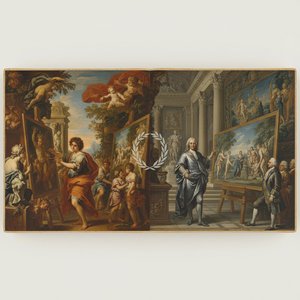
Simon Vouet: A Baroque Master's Journey from Italian Influence to French Classicism
Explore the life & art of Simon Vouet, a pivotal French Baroque painter who introduced Italian styles to France. Discover his masterpieces and lasting influence on 17th-century art.