

 Förhandsvisa
 Skicka
 Dela
Dela
 Visa detaljer
 Guide
Guide

 Ladda ner
 Liknande objekt
 Röntgen
 Bildspel
 Statistik
Grass and Insects


 Visa mer
Handgjord oljereproduktion
Handmålad olja på duk i din valda storlek och ram, tillverkad efter beställning av våra konstnärer. ( Byt till tryck Byt till digital bild)




P118B Skr10

P118H Skr10

P118W Skr10

P438Z Skr10

P508JH Skr12

P508YH Skr12

P805H Skr10

P805Z Skr10

P919BZ Skr10

P919G Skr10

P919XJ Skr10

P959ZH Skr10

P968JZ Skr12

W106C Skr8

W218G Skr10

W218JH Skr8

W218Y Skr10

W307PJ Skr10

W316G Skr10

W316PJ Skr8

W316Y Skr10

W398PJ Skr8

W4111J Skr10

W500HY Skr15

W500JH Skr15

W692G Skr12

W849H Skr8

W940BG Skr15

W953PJ Skr8




Välj bland våra förinställda storlekar som motsvarar konstverkets ursprungliga proportioner.

Ange den bredd och höjd du behöver för att passa din ram eller din vägg. Eftersom detta är handmålat kan konstnären, vid ett annat format, måla lite mer runt bilden eller beskära den något – det är du som väljer. Vi skickar en digital mockup för godkännande innan målningen påbörjas. Bilden som visas på denna sida representerar inte det slutgiltiga resultatet — det är endast mockuppen som visar det.
Efter beställning kommer OriginalUniqueArt.com team att mejla kunden för instruktioner och tillhandahålla en skissförhandsvisning
Leverans över hela världen () på 3–4 veckor istället för standard 5 veckor. (25 oktober). Inga kompromisser med kvaliteten.

Fri expressfrakt över hela världen

Högkvalitativ linnecanvas

Fullständig fraktförsäkring

Garantier för återbetalning av tullavgifter

Garantier för exakt färgåtergivning

100 dagars returrätt (endast vid fel)

100% pengarna tillbaka-garanti

Mängdrabatt erbjuds
 Glasalternativet är endast tillgängligt i storlekar under 110 cm.

Grass and Insects
Reproduktionsmetod
Storlek på reproduktion
-


Slutgiltigt pris
Skr 2973
Shin Saimdang’s “Grass and Insects”: A Symphony of Color and Quiet Observation
Shin Saimdang (1504–1551), a trailblazing female artist in Joseon dynasty Korea, stands as an emblem of intellectual curiosity and artistic prowess—a woman who defied societal constraints to pursue her passions for poetry, calligraphy, and painting. Her legacy resides not merely in the exquisite beauty of her artwork but also in its profound reflection of the era’s cultural values and philosophical ideals. This examination delves into “Grass and Insects,” one of her most celebrated panels from a monumental ten-panel folding screen—a masterpiece that encapsulates Saimdang's distinctive artistic vision and offers invaluable insight into Korean art history.A Window Into Joseon Aesthetic Principles
“Grass and Insects” exemplifies the dominant aesthetic sensibilities of the late 16th century, characterized by meticulous detail, harmonious color palettes, and a reverence for nature’s subtle grandeur. The screen embodies Neo-Confucian ideals—a belief system that prioritized moral cultivation alongside intellectual pursuits—reflected in Saimdang's careful composition and her masterful execution of brushstrokes. Unlike Western art traditions focused on dramatic narratives or idealized figures, Korean painting during this period favored contemplative scenes depicting landscapes and flora, intended to inspire serenity and contemplation. The screen’s overall design adheres to the principles of “Yonghwa,” meaning “harmonious beauty”—a concept central to Joseon artistic philosophy that sought to achieve balance between form and content.Technique and Material Considerations
Saimdang employed a technique rooted in meticulous observation and painstaking layering—a hallmark of Korean painting at the time. Using mineral pigments mixed with animal glue, she achieved remarkable luminosity and vibrancy, capturing the delicate textures of grass blades and the iridescent sheen of insects’ wings. The screen's surface is covered with thin layers of lacquer, providing protection while enhancing the colors and creating a tactile experience for the viewer. Furthermore, Saimdang skillfully utilized “Ma,” or negative space—a technique that deliberately leaves areas unfilled to create visual balance and emphasize the subject matter—demonstrating an understanding of compositional principles that transcended mere representation. The careful blending of pigments and meticulous brushwork contribute to the screen’s enduring beauty and artistic significance.Symbolism: Echoes of Confucian Thought
Beyond its technical brilliance, “Grass and Insects” resonates with deeper symbolic meanings rooted in Confucian cosmology—a worldview that viewed humanity as intrinsically linked to the natural world. The depiction of various insects—including beetles, dragonflies, cicadas, and moths—represents transformation and renewal—themes central to Confucian teachings concerning reincarnation and moral progress. Similarly, the inclusion of flowers like hibiscus, poppies, and lilies symbolizes purity and virtue—values upheld by Joseon society as markers of moral excellence. The meticulous rendering of grass blades underscores the importance of simplicity and humility—qualities considered essential for achieving inner harmony and cultivating compassion.Emotional Resonance: A Moment Frozen in Time
“Grass and Insects” transcends mere visual representation; it evokes a profound emotional response—a feeling of tranquility and appreciation for the beauty of the natural world. The screen’s muted color palette—dominated by greens, blues, and reds—creates an atmosphere of serenity and contemplation—inviting viewers to pause and reflect on the passage of time. Saimdang's masterful brushwork conveys a sense of quiet observation—capturing not just what is seen but also what is felt—a testament to her artistic sensitivity and her ability to communicate complex ideas through subtle visual cues. Viewing this artwork inspires contemplation about the interconnectedness of humanity and nature, reminding us of the enduring power of art to elevate our spirits and enrich our understanding of the human experience.Concluding Remarks: An Artistic Legacy Enduring Through Centuries
Shin Saimdang’s “Grass and Insects” remains a cornerstone of Korean art history—a testament to her artistic genius and her unwavering commitment to intellectual pursuits. Its harmonious composition, masterful technique, and evocative symbolism continue to captivate audiences today—serving as an enduring reminder of Joseon dynasty Korea's aesthetic ideals and its profound appreciation for the natural world. The screen’s legacy extends beyond its visual splendor; it embodies a spirit of contemplation and moral cultivation—values that resonate powerfully across cultures and generations—solidifying Saimdang’s place as one of Korea’s most celebrated artists and an inspiration to aspiring creatives everywhere.Frågor och svar
Hur välkänd är "Grass and Insects" av Shin Saimdang?
Popularitetsnivån för "Grass and Insects" av Shin Saimdang är Recognized.
Vilket år skapades "Grass and Insects" av Shin Saimdang?
"Grass and Insects" av Shin Saimdang skapades år 1500.
Är bilden av "Grass and Insects" av Shin Saimdang fri att återge?
"Grass and Insects" av Shin Saimdang är allmän egendom – upphovsrätten har löpt ut. Denna status avgör hur bilden av verket får återges.
Konstnärsbiografi
en banbrytande kvinnlig konstnär i Joseon-dynastins Korea
shin saimdang, en mångsidig konstnär från Sydkorea, levde under Joseon-perioden och lämnade ett outplånligt avtryck i den koreanska konsthistorien. Hon föddes den 29 oktober 1504 i Gangneung, Gangwon-provinsen, och var inte bara en målare utan även en författare, kalligraf och poet.tidigt liv och konstnäriska början
Shin Saimdangs konstnärliga talang var tydlig redan från tidig ålder. Vid endast sju års ålder imiterade hon målarstilen hos an gyeon, en annan framstående koreansk konstnär. Hennes födelsehem, Ojukheon, som också är hennes möderliga familjs hem, är välbevarat än idag.konstnärliga bidrag och stil
Shin Saimdangs målningar, kännetecknade av fina penseldrag och livfulla färger, är en del av en tio-panelsskärm. Hennes verk, såsom gräs och insekter, presenterar ett urval av motiv inklusive vattenmeloner, auberginer, vallmo, hibiskus och olika insekter. Dessa målningar kan finnas i National Museum of Korea (Seoul, Sydkorea), där de fortsätter att inspirera konstälskare.- se shin saimdangs konstverk på OriginalUniqueArt: https://OriginalUniqueArt.com/@/shin-saimdang
- utforska National Museum of Koreas samling: /en/art/show/national-museum-of-korea-seoul/
- upptäck mer om konströrelsen under Joseon-dynastin: konströrelsen under Joseon-dynastin
arv och betydelse
Shin Saimdangs arv sträcker sig bortom hennes konstverk, då hon också är känd för att vara mor till yi i, en berömd lärd och politiker under Joseon-dynastin. Hennes liv och verk fungerar som en inspiration för många och förkroppsligar essensen av koreansk konst under Joseon-perioden. viktiga konstverk av shin saimdang:- gräs och insekter (National Museum of Korea, Seoul, Sydkorea)
- andra noterbara verk med fina penseldrag och klara, livfulla färger, som en del av en tio-panelsskärm.
- an gyeon, en annan framstående koreansk målare från den tidiga Joseon-perioden.

Shin Saimdang
1504 - 1551 , Sydkorea
Kortfakta
- Artistic Movement Or Style: Joseon-dynastins konst
- Artists Or Movements Influenced By This Artist: Joseon-dynastins konst
- Artists Who Influenced This Artist: An Gyeon
- Date Of Birth: 29 oktober 1504
- Date Of Death: 1551
- Full Name: Shin Saimdang
- Nationality: Koreansk
- Notable Artworks: ['Gräs och insekter']
- Place Of Birth: Gangneung, Sydkorea
Relaterade artiklar
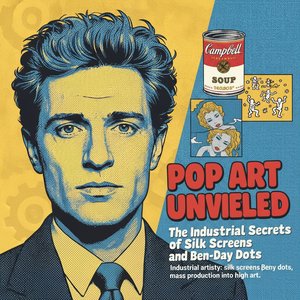
Pop Art Unveiled: The Industrial Secrets of Silk Screens and Ben-Day Dots
Explore the industrial artistry of Pop Art. Delve into the sophisticated history of Ben-Day dots and silk screen techniques that transformed mass media into high art, perfect for discerning collectors seeking deep historical insight and aesthetic excellence.
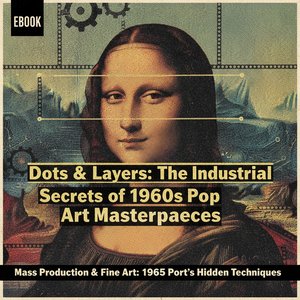
Dots & Screens: The Industrial Secrets Behind 1960s Pop Art Masterpieces
Explore the industrial secrets of 1960s Pop Art. Discover how Ben-Day dots and silk screening transformed mass media into masterpieces by Roy Lichtenstein. An in-depth look at the intersection of mechanical printing and fine art history for students and collectors.

Beyond the Screen: Transforming Personal Memories into Timeless AI-Driven Anime Masterpieces
Experience the magic of digital metamorphosis. Transform your cherished photos into stunning, hand-painted anime masterpieces using our proprietary AI technology and professional artists. Elevate your personal story with a timeless, high-quality oil painting on canvas.
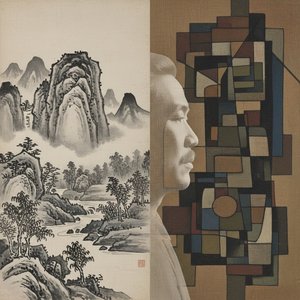
Yi Eungro: Bridging East & West in the Landscape of Korean Modernism
Explore the captivating world of Yi Eungro (Lee Ungno), a pivotal figure in Korean modernism. Discover his unique fusion of Eastern and Western artistic traditions, abstract masterpieces, and lasting legacy. A must-read for discerning art collectors.
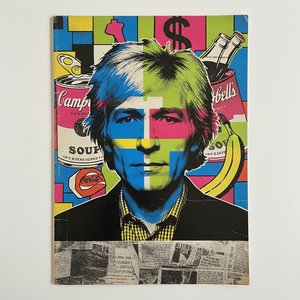
Andy Warhol: Deconstructing Pop Culture & Redefining Artistic Expression
Explore the revolutionary art of Andy Warhol & the Pop Art movement. Discover his iconic techniques, cultural impact, and investment potential. A guide for discerning collectors.