

 Visa i rummet
 Skicka
 Dela
Dela
 Detaljer
 Studentguide för konstverk

 Ladda ner
 Liknande objekt
 Röntgen
 Bildspel
 Besökstatistik
After the Storm


 Läs mer
Konstverket som visas på denna sida skyddas av upphovsrättslagen, vilket innebär att vi inte lagligt kan skapa eller sälja en identisk reproduktion. Detta skydd upprätthålls genom internationella avtal såsom den Bernkonventionen och genom nationella lagar, inklusive de som fastställs av Amerikansk upphovsrättslag – Titel 17. Alla rättigheter förbehållna. Återgivning av konstverk är förbjuden utan skriftligt tillstånd från WahooArt.
Denna metod följer fullt ut upphovsrättsliga regler eftersom den inte innebär kopiering eller duplicering av det skyddade konstverket. Istället är det en kreativ nytolkning – en ny målning som är influerad av originalet men inte identisk med det.
Giclée / Konsttryck
Giclée- eller canvasprint av museumskvalitet med snabb produktion och flexibla ytbehandlingsalternativ. ( Köp handmålat konstverk Byt till digital bildförsäljning)




P118B Skr10

P118H Skr10

P118W Skr10

P438Z Skr10

P508JH Skr12

P508YH Skr12

P805H Skr10

P805Z Skr10

P919BZ Skr10

P919G Skr10

P919XJ Skr10

P959ZH Skr10

P968JZ Skr12

W106C Skr8

W218G Skr10

W218JH Skr8

W218Y Skr10

W307PJ Skr10

W316G Skr10

W316PJ Skr8

W316Y Skr10

W398PJ Skr8

W4111J Skr10

W500HY Skr15

W500JH Skr15

W692G Skr12

W849H Skr8

W940BG Skr15

W953PJ Skr8




Välj bland våra förinställda storlekar som motsvarar konstverkets ursprungliga proportioner.

Ange den bredd och höjd du behöver, för att passa din ram eller din vägg. Ett tryck kan endast beskäras, aldrig göras större än bilden, vilket innebär att ett format med en annan formform leder till att en del av bilden går förlorad. Vi skickar en digital mockup för godkännande innan vi trycker något. Bilden som visas på denna sida visar inte den faktiska beskärningen — det är endast mockuppen som gör det.
Leverans över hela världen () på 2 veckor istället för standard 4/5 veckor. (25 oktober)

Fri expressfrakt över hela världen

Högkvalitativ linnecanvas

Fullständig fraktförsäkring

Garantier för återbetalning av tullavgifter

Garantier för exakt färgåtergivning

100 dagars returrätt vid fabrikationsfel

100% pengarna tillbaka-garanti

Mängdrabatt erbjuds
 Glasalternativet är endast tillgängligt i storlekar under 110 cm.

After the Storm
Giclée / Konsttryck
Reproduktionsstorlek
-


Totalpris
Skr 793
A Symphony of Light and Shadow
In the evocative masterpiece After the Storm, George Inness invites the viewer into a fleeting moment of atmospheric transition, where the raw power of nature meets a profound, quiet serenity. The canvas captures that precise, breathless interval when a tempest has passed, leaving behind a landscape transformed by moisture and light. In the middle foreground, sunlit trees draped in rich autumnal foliage glow with a golden intensity, acting as a luminous anchor amidst the surrounding drama. This brilliance stands in stark contrast to the distant horizon, where heavy, retreating storm clouds still cast deep, brooding shadows across the earth. It is a painting of dualities: the tension between the dark, receding gloom and the triumphant, emerging sun, creating a visual rhythm that breathes with the life of the natural world.
The composition is masterfully orchestrated to guide the eye through a narrative of pastoral peace. To the left, beneath the protective canopy of the trees, three cows graze in quiet repose, their presence grounding the scene in the humble reality of country life. On the right, the delicate figure of a woman advances with a pail in hand, her movement suggesting the rhythmic, enduring labor of the seasons. In the far distance, a small, white cottage with a red roof catches a stray beam of sunlight, appearing almost like a celestial vision amidst the vastness. This careful placement of elements creates an immense sense of depth and dimension, drawing the observer deeper into the heart of the American landscape.
The Soul of Tonalism and Technique
As a pivotal figure in the evolution of American landscape painting, Inness utilizes a technique that transcends mere topographical accuracy to reach for something more spiritual. While his early years were rooted in the grand, detailed traditions of the Hudson River School, After the Storm showcases his mastery of the Tonalist approach. Here, the artist moves away from sharp outlines toward a more unified, atmospheric palette. Through the subtle manipulation of color and soft, blended brushwork, he captures the "envelope" of air and moisture that hangs over the field. The interplay of light is not merely a visual effect but a tactile sensation; one can almost feel the dampness of the earth and the warmth of the sun breaking through the mist.
This stylistic shift reflects Inness’s deep connection to the French Barbizon School and the philosophical influence of Swedenborgian spiritualism. For Inness, the landscape was a mirror for the human soul. The storm represents the turbulence of existence, while the clearing sky symbolizes hope, clarity, and the persistence of light. For collectors and interior designers, this painting offers more than just aesthetic beauty; it provides an emotional sanctuary. Its muted, earthy tones and harmonious composition make it a sophisticated choice for creating a focal point in a room that demands tranquility, elegance, and a touch of the sublime.
An Enduring Legacy for the Modern Collector
Owning a reproduction of After the Storm is an opportunity to bring a piece of nineteenth-century American romanticism into a contemporary setting. The painting’s ability to evoke nostalgia while remaining strikingly modern in its atmospheric abstraction ensures its relevance across different eras of decor. Whether placed in a sun-drenched library or a quiet study, the work serves as a window into a world where nature and spirit are inextricably linked. It is an investment in atmosphere, offering a timeless sense of peace that resonates with anyone who finds beauty in the quiet aftermath of life's many storms.
Frågor och svar
Vilken luminans har "After the Storm" av Scotlan George Inness?
"After the Storm" av Scotlan George Inness har en luminans på Soft Shadow. Luminans beskriver hur mycket ljus färgerna tycks reflektera.
Är "After the Storm" fri från upphovsrätt?
Upphovsrättslig status för "After the Storm" av Scotlan George Inness: verket är fortfarande skyddat av upphovsrätt. Detta avgör om reproduktioner av bilden får framställas fritt.
Vilken teknik har använts för "After the Storm"?
Mediet i "After the Storm" av Scotlan George Inness är Oil On Canvas. Reproduktionerna strävar efter att återge utseendet av denna teknik.
Om konstnären
The Ethereal Vision of George Inness
George Inness stands as one of the most profound and influential landscape painters of the nineteenth century, a master who sought to capture not merely the physical topography of the American wilderness, but the very soul of the natural world. While his contemporaries in the Hudson River School often focused on the grand, panoramic documentation of a burgeoning nation, Inness carved out a singular artistic path that blended Romantic idealism with deep scientific observation. His work serves as a bridge between the tangible reality of the earth and the intangible realms of spiritual contemplation, exploring the profound relationship between nature and the human spirit.
Born in Newburgh, New York, on May 1, 1825, Inness’s early life was steeped in a connection to both the rugged American landscape and his ancestral roots. His father, an emigrant from Ayrshire, Scotland, instilled within him a deep appreciation for the contemplative power of the wild. This duality of heritage—the American frontier and the Scottish tradition—would later manifest in his ability to find both epic scale and intimate, evocative beauty in his subjects. His early training was diverse, ranging from instruction under John Jesse Barker to a formative apprenticeship with the map engraver N. Curcept, which provided him with a foundational precision in visual representation that would later support his more expressive, atmospheric endeavors.
Spiritualism and the Barbizon Influence
The true metamorphosis of Inness’s style can be traced to his encounter with the theological writings of Emanuel Swedenborg. This profound spiritual influence became the cornerstone of his artistic worldview; Inness believed that the material world was permeated by unseen spiritual forces, and he viewed the canvas as a conduit for accessing these hidden realms. This conviction moved him away from the literalism of topographical painting toward a more subjective, emotional approach to landscape.
As his career progressed, Inness looked toward Europe, specifically absorbing the influences of the French Barbizon school. This movement, which emphasized the intimate, moody, and atmospheric qualities of nature, resonated deeply with his Swedenborgian beliefs. By integrating the tonalist sensibilities of the Barbizon masters with the grander traditions of American landscape painting, he developed a technique that prioritized light, shadow, and color to evoke mood rather than mere detail. His brushwork became more expressive, utilizing textures such as impasto to create depth and dimensionality, drawing the viewer into a world where the boundaries between the earth and the sky seem to dissolve.
A Legacy of Light and Atmosphere
The breadth of Inness’s oeuvre is reflected in works that range from the dramatic to the serene. In masterpieces such as Sundown, he demonstrates an unparalleled ability to capture the fleeting magic of a sunset, using a sky filled with clouds to create a dramatic backdrop for a peaceful pastoral scene. Similarly, his work September Afternoon showcases his mastery of tranquility, employing warm colors and a careful balance of light and shadow to evoke a sense of harmony within the natural landscape. Even in his more rugged depictions, such as the romanticized Scottish woodlands of Elf Ground, the artist’s focus remains on the evocative power of the atmosphere.
Throughout his life, Inness’s achievements redefined the boundaries of American art. He moved the genre of landscape painting from a medium of documentation to one of profound psychological and spiritual expression. His historical significance lies in this very transition—the movement toward Tonalism and the idea that art should capture the elusive essence of experience itself. Today, his legacy continues to resonate with artists and admirers alike, serving as a timeless reminder that the most beautiful landscapes are those that reflect the inner landscape of the human heart.

Snabbfakta
- Artistic Movement Or Style: Hudson River School; Luminist
- Artists Or Movements Influenced By This Artist: ['Régis François Gignoux']
- Artists Who Influenced This Artist:
- Thomas Cole
- Asher Durand
- Date Of Birth: May 1, 1825
- Date Of Death: August 3, 1894
- Full Name: George Inness
- Nationality: American
- Notable Artworks:
- View of the Tiber near Perugia
- Clearing Up
- Place Of Birth: Newburgh, New York
Relaterade artiklar

Arboreal Echoes: A Historical & Artistic Exploration of Trees in Painting
Explore the rich history of trees in painting! Discover symbolism, Romantic masterpieces by Caspar David Friedrich & beyond. A curated journey for art enthusiasts.
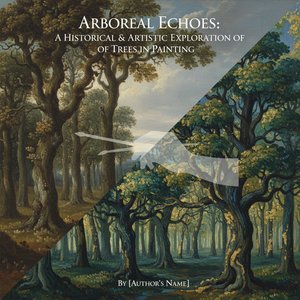
Arboreal Echoes: A Historical & Artistic Exploration of Trees in Painting
Explore the rich history of trees in painting! Discover symbolism, Romantic masterpieces by Caspar David Friedrich & beyond. A curated journey for art enthusiasts.
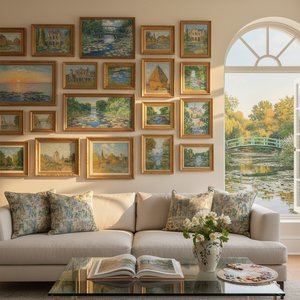
Claude Monet: Topp 25 mästerverk – Impressionismens ljus i ditt hem
Utforska Claude Monets 25 mest ikoniska målningar – från vattenliljor till soluppgång. Lär känna impressionismens mästare och hitta inspiration för ditt hem med konsttryck av högsta kvalitet på OriginalUniqueArt.com.

Paul Cézannes 25 Mästerverk: En Konsthistorisk Resa för Hemmet
Utforska Paul Cézannes 25 mest ikoniska målningar! Fördjupa dig i impressionismens värld, från Mont Sainte-Victoire till stillsben. Hitta inspiration & museumkvalitativa konsttryck på OriginalUniqueArt.com.

Golden Hues & Crimson Leaves: Capturing the Magic of Autumn Colors in Fine Art
Embark on a visual journey through the golden hues of autumn fine art. Discover how masters like Van Gogh capture seasonal magic through vibrant oil landscapes and explore expert tips for collecting timeless autumnal masterpieces.