Förhandsvisa
 Skicka
 Dela
Dela
 Visa detaljer
 Guide
Guide

 Ladda ner
 Liknande objekt
 Röntgen
 Bildspel
 Frågor och svar
 Statistik
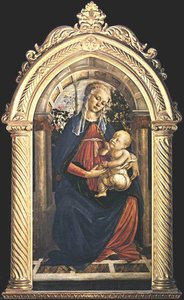
The Annunciation


 Visa mer
Giclée / Konsttryck
Giclée- eller canvasprint av museumskvalitet med snabb produktion och flexibla ytbehandlingsalternativ. ( Beställ handmålad reproduktion Byt till digital bild)




P118B Skr10

P118H Skr10

P118W Skr10

P438Z Skr10

P508JH Skr12

P508YH Skr12

P805H Skr10

P805Z Skr10

P919BZ Skr10

P919G Skr10

P919XJ Skr10

P959ZH Skr10

P968JZ Skr12

W106C Skr8

W218G Skr10

W218JH Skr8

W218Y Skr10

W307PJ Skr10

W316G Skr10

W316PJ Skr8

W316Y Skr10

W398PJ Skr8

W4111J Skr10

W500HY Skr15

W500JH Skr15

W692G Skr12

W849H Skr8

W940BG Skr15

W953PJ Skr8




Välj bland våra förinställda storlekar som motsvarar konstverkets ursprungliga proportioner.

Ange den bredd och höjd du behöver för att passa din ram eller vägg. Ett tryck kan endast beskäras, aldrig göras större än originalbilden, vilket innebär att ett format med en annan proportion leder till att en del av bilden går förlorad. Vi skickar en digital mockup för godkännande innan vi påbörjar tryckningen. Bilden som visas på denna sida visar inte den faktiska beskärningen — det är endast mockuppen som gör det.
Leverans över hela världen () på 2 veckor istället för standard 4/5 veckor. (5 november)

Fri expressfrakt över hela världen

Högkvalitativ linnecanvas

Fullständig fraktförsäkring

Garantier för återbetalning av tullavgifter

Garantier för exakt färgåtergivning

100 dagars returrätt (endast vid fel)

100% pengarna tillbaka-garanti

Mängdrabatt erbjuds
 Glasalternativet är endast tillgängligt i storlekar under 110 cm.

The Annunciation
Giclée / Konsttryck
Storlek på reproduktion
-


Slutgiltigt pris
Skr 811
The Annunciation: A Florentine Echo of Divine Grace
Sandro Botticelli’s “Annunciation,” painted between 1489 and 1490, is more than just a depiction of a pivotal biblical moment; it's a shimmering distillation of the Early Renaissance spirit – a harmonious blend of classical ideals, burgeoning humanism, and profound spiritual contemplation. This exquisite tempera panel, now housed within the Uffizi Gallery in Florence, invites us into a serene Florentine setting where the angel Gabriel delivers the momentous news to Mary, marking the beginning of her divine journey. The painting’s enduring appeal lies not only in its technical mastery but also in its ability to evoke a sense of quiet reverence and timeless beauty.
Botticelli masterfully employs a classical style reminiscent of his teacher, Fra Filippo Lippi, yet imbues it with a distinctly Florentine sensibility. The composition centers around the angel Gabriel, rendered with an almost ethereal grace – his pose is deliberately off-center, drawing our eye and creating a dynamic balance within the scene. Behind him unfolds a landscape subtly suggestive of Florence itself: a distant hill, reminiscent of the Boboli Gardens, and architectural elements hinting at a building facade, grounding the divine narrative in a recognizable earthly realm. The use of smooth, flowing lines, particularly evident in the drapery and the delicate folds of Gabriel’s wings, creates a sense of movement and effortless elegance. Shapes are largely organic – rounded forms for the body and drapery, contrasted with the geometric precision of the architectural background – a testament to Botticelli's careful observation of nature and his desire to capture its inherent beauty.
A Symphony of Color and Technique
Botticelli’s technique is characterized by a remarkable subtlety and restraint. The painting is executed in tempera on wood, a medium known for its luminous quality and ability to achieve delicate details. He skillfully utilizes *chiaroscuro*, though subtly, to model the figures and create a sense of volume – the soft light illuminating Gabriel’s face and drapery contrasts with the deeper shadows that define Mary's form. The pigments themselves are primarily earth-based, lending the work a rich, warm palette—ochres, siennas, and umbers dominate, creating an atmosphere of quiet solemnity. The slightly layered textures, characteristic of fresco painting (though applied to panel here), suggest the artist’s meticulous brushwork and his dedication to capturing the nuances of light and shadow.
Notably, Botticelli employed a technique known as *incision*, carefully cutting lines into the wood panel itself. These incised lines, visible upon close inspection, not only strengthened the structure but also served to define shapes and create a sense of depth – a sophisticated approach that was particularly prevalent in Florentine painting during this period. The use of gold leaf, though perhaps less pronounced than in some contemporary works, adds a touch of celestial radiance to Gabriel’s wings and certain architectural details, further emphasizing the divine nature of the event.
Symbolism and Spiritual Resonance
Beyond its aesthetic beauty, “The Annunciation” is rich in symbolic meaning. The pose of Gabriel, with his hands folded in prayer or contemplation, immediately conveys a sense of reverence and solemnity. Mary’s kneeling posture, her head bowed in humility, underscores the magnitude of the announcement she receives. The setting itself—a simple, yet elegant interior—represents the sanctity of her home and the quiet intimacy of this momentous encounter. The distant landscape, with its subtle references to Florence, serves as a reminder that even within the divine realm, earthly concerns and beauty still hold significance.
Furthermore, the painting’s composition echoes classical ideals of harmony and proportion. The use of one-point perspective creates a sense of depth and spatial coherence, drawing the viewer into the scene and inviting contemplation. The Annunciation, therefore, is not merely a representation of a biblical event; it's an embodiment of Renaissance values—a celebration of beauty, grace, and spiritual devotion. It’s a window into a world where art and faith converged to create something truly transcendent.
A Timeless Masterpiece – Perfect for Reproduction
OriginalUniqueArt offers meticulously crafted hand-painted reproductions of Botticelli's “Annunciation,” capturing the essence of this iconic masterpiece with unparalleled fidelity. Whether you’re an art collector, a design enthusiast seeking to infuse your space with timeless elegance, or simply someone captivated by the beauty of Renaissance art, our reproductions provide a stunning and authentic way to experience this extraordinary work. Each reproduction is created using archival-quality materials and techniques, ensuring that it will retain its vibrant colors and exquisite detail for generations to come. Explore our collection today and bring the serenity and grace of “The Annunciation” into your home.
Frågor och svar
Var och för vilket ändamål rekommenderas "The Annunciation"?
"The Annunciation" av Sandro Botticelli rekommenderas för Statement, helst i ett Living Room. Användningsområde och rymd hjälper dig att avgöra var en reproduktion passar bäst.
Vilken atmosfär förmedlar "The Annunciation"?
Den övergripande stämningen i "The Annunciation" av Sandro Botticelli är Calm. Stämningen beskriver verkets allmänna atmosfär.
Vilka färger dominerar i "The Annunciation" av Sandro Botticelli?
"The Annunciation" av Sandro Botticelli använder en Pastels-palett, där Rosy Brown (#cdb477) är den dominerande färgen.
Konstnärsbiografi
Early Life and Florentine Beginnings
Sandro Botticelli, född Alessandro di Mariano di Vanni Filipepi omkring 1445 i Florens, Italien, steg fram under en period av extraordinär kulturell upphetsning – den tidiga Renässansen. Hans liv var djupt rotat i stadens konstnärliga och sociala tyg; han strävade aldrig långt ifrån sitt bostadsområde Ognissanti, vilket var ett testamente till både familjeband och det levande kreativa ekosystem som fostrade honom. Hans far, Mariano Filipepi, en guldsmed och senare tennare, gav tidigt en exponering för hantverksskicklighet och noggrannhet – kvaliteter som skulle påverka Botticellis konstnärliga approach djupt. Trots initiala rapporter om träning som guldsmed, fann han snart sin kall under ledning av Fra Filippo Lippi, en framstående målare på den tiden. Detta lärande var avgörande, det fördjupade hans kunskaper i tekniker och estetik i den florentinska skolan samtidigt som det kopplade honom till inflytelserika mecenater som familjen Medici.A Style Defined by Grace and Myth
Botticellis konstnärliga stil är omedelbart igenkännbar för sin lyriska skönhet, präglad av elegant linjearkitektur, flytande konturer och en delikat användning av färg. Han behärska övergången mellan de sena gotiska traditionerna och den blomstrande renässansestetiken, absorberade influenser från mästare som Fra Angelico och Paolo Uccello men skapade ett unikt personligt synsätt. Hans figurer har en eterisk kvalitet, ofta porträtterade med förlängda proportioner och graciösa poser som uttrycker både rofylldhet och en subtil melankoli. En definierande egenskap i hans verk är den frekventa införlivningen av klassisk mytologi – en reflektion över de humanister intressen som svepte genom renässansens Florens. Han illustrerade inte bara dessa gamla berättelser; han gav dem nya lager av mening, utforskade teman om kärlek, skönhet och andlig längtan. Botticellis teknik var innovativ för sin tid. Han använde ofta en silverstiftsteknik underlag för sina dukar, vilket bidrog till den ljusness och de delikata detaljerna som ses i hans färdiga verk. Hans användning av temperafärg möjliggjorde exakt återgivning och livfulla färger, medan hans senare experiment med oljefärger utvidgade hans uttrycksmöjligheter.Iconic Masterpieces and Artistic Development
Botticellis arv vilar på ett antal ikoniska målningar som fortfarande fångar publikens uppmärksamhet århundraden senare. Venus födelse, färdigställd omkring 1486, står som kanske hans mest berömda verk – en allegorisk representation av gudinnan som framträder ur ett snäckskal, och symboliserar renässansens ideal om skönhet och harmoni. Dess eleganta komposition, delikata färgpalett och suggestiva symbolik har gjort den till ett bestående symbol för eran. Samma sak gäller Primavera, skapad omkring 1482, en komplex och gåtfull målning som firar våren och kärleken, befolkad med symboliska figurer hämtade från klassisk mytologi. Dessa verk visar Botticellis behärskning av komposition, hans förmåga att skapa atmosfärisk djup och hans djupa förståelse för mänskliga känslor. Hans tidiga 1470-tal fokuserade på religiösa ämnen, där han finslipade sina tekniska färdigheter och etablerade ett rykte om skicklighet i utförandet. De följande åren markerades av en blomstrande period, med skapandet av hans mest kända mytologiska målningar. Men den sena 1490-talet såg en förändring i hans stil, påverkad av den passionerade predikan från Girolamo Savonarola – en dominikanerpräst som fördömde vad han ansåg vara Florens dekadens och moraliska korruption. Denna period resulterade i mer austera och känslomässigt laddade verk, som återspeglade en växande andlig intensitet.Major Works
- Venus födelse (c. 1486): En ikonisk representation som symboliserar renässansens ideal om skönhet.
- Primavera (c. 1482): En komplex allegorisk målning som firar våren och kärleken.
- Adoration of the Magi (1475-1476): Visar tidig behärskning av komposition och perspektiv.
- Mystic Nativity (1501): Återspeglar en förändring mot andliga teman i hans senare karriär.
Legacy and Rediscovery
Efter sin död 1510 försvann Botticellis rykte gradvis i glömska. I nästan tre århundraden var hans verk i stort sett glömda, skuggade av mästarnas prestationer under den höga renässansen som Leonardo da Vinci och Michelangelo. Men en anmärkningsvärd återupptäckt inträffade på 1800-talet med uppkomsten av Pre-Raphaeliterna – en grupp engelska konstnärer som förkastade akademiska konventioner och sökte inspiration i den tidiga italienska renässansens konst. De fascinerades av Botticellis linjära elegans, livfulla färger och poetiska känsla, erkände honom som en likasinnad. Denna nya uppskattning utlöste en omvärdering av hans verk, etablerade honom som en av de viktigaste konstnärerna under den tidiga renässansen. Idag firas han för sin unika konstnärliga vision, hans beherskande teknik och hans bestående förmåga att väcka skönhet, känslor och andlig kontemplation. Hans inflytande kan ses i efterföljande generationer av konstnärer som har sökt att fånga samma känsla för elegans och graciöshet i sitt eget arbete. Han är en symbol för Florens konstnärliga prestationer och ett testamente till renässansens humanism.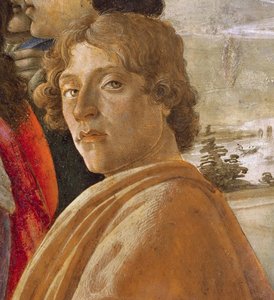
Sandro Botticelli
1445 - 1510 , Italien
Kortfakta
- Artistic Movement Or Style: Tidig Renässans
- Artists Or Movements Influenced By This Artist: ['Pre-Raphaeliter']
- Artists Who Influenced This Artist:
- Fra Angelico
- Paolo Uccello
- Date Of Birth: c. 1445
- Date Of Death: 1510
- Full Name: Alessandro di Mariano Filipepi
- Nationality: Italiensk
- Notable Artworks:
- Venus födelse
- Våren
- Adoration Magi
- Place Of Birth: Florens, Italien
Relaterade artiklar

Celestial Messengers: A Comprehensive Exploration of Angelic Representation in Art History
Explore the captivating history of angels in art! Discover symbolism, iconic Renaissance masterpieces & renowned artists. Expert insights for art lovers & collectors at OriginalUniqueArt.
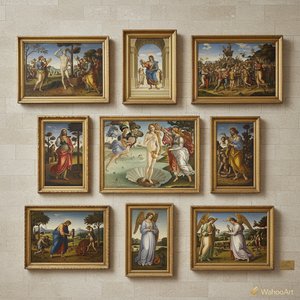
Tio Renässansmästerverk som Formade Konsten – Upptäck Klassikerna med OriginalUniqueArt
Upptäck 10 renässansmästerverk av Botticelli, Leonardo da Vinci & Michelangelo! Fördjupa dig i italiensk konsthistoria och tidig renässans. Hitta inspiration för ditt hem med museumskvalitets reproduktioner på OriginalUniqueArt.com.
Frescens arv som familjetradition: Måla din historia på väggarna
Utforska väggmålningens historia och teknik! Lär dig skapa din egen familjetradition med konst på väggen. Expertguider, inspiration & tips.

Sandro Botticellis 25 Mästerverk: En Konsthistorisk Resa för Hemmet
Utforska Sandro Botticellis 25 mest ikoniska målningar! Fördjupa dig i renässansens skönhet, klassisk mytologi och tidlösa konstverk. Köp högkvalitativa reproduktioner & hitta inspiration för ditt hem på OriginalUniqueArt.com.

Celestial Messengers: Angels in Painting – A Historical & Artistic Exploration
Explore the captivating history of angels in painting! Discover symbolism, iconic Renaissance & Byzantine masterpieces, and renowned artists. Expert insights for art lovers & collectors at OriginalUniqueArt.