

 Visa i rummet
 Skicka
 Dela
Dela
 Detaljer
 Studentguide för konstverk

 Ladda ner
 Liknande objekt
 Röntgen
 Bildspel
 Besökstatistik
Ceres and Phytalus


 Läs mer
Handgjord oljereproduktion
Handmålad olja på duk i din valda storlek och ram, tillverkad efter beställning av våra konstnärer. ( Byt till tryckta exemplar Byt till digital bildförsäljning)




P118B Skr10

P118H Skr10

P118W Skr10

P438Z Skr10

P508JH Skr12

P508YH Skr12

P805H Skr10

P805Z Skr10

P919BZ Skr10

P919G Skr10

P919XJ Skr10

P959ZH Skr10

P968JZ Skr12

W106C Skr8

W218G Skr10

W218JH Skr8

W218Y Skr10

W307PJ Skr10

W316G Skr10

W316PJ Skr8

W316Y Skr10

W398PJ Skr8

W4111J Skr10

W500HY Skr15

W500JH Skr15

W692G Skr12

W849H Skr8

W940BG Skr15

W953PJ Skr8




Välj bland våra förinställda storlekar som motsvarar konstverkets ursprungliga proportioner.

Ange den bredd och höjd du behöver för att passa din ram eller din vägg. Eftersom detta är handmålat kan konstnären vid en annan form måla lite mer runt bilden eller beskära den något – du väljer själv. Vi skickar en digital mockup för godkännande innan målningen påbörjas. Bilden som visas på denna sida representerar inte det slutgiltiga resultatet — det är endast mockuppen som visar det.
Efter beställning kommer OriginalUniqueArt.com team att mejla kunden för instruktioner och tillhandahålla en skissförhandsvisning
Leverans över hela världen () på 3–4 veckor istället för standard 5 veckor. (22 oktober). Inga kompromisser med kvaliteten.

Fri expressfrakt över hela världen

Högkvalitativ linnecanvas

Fullständig fraktförsäkring

Garantier för återbetalning av tullavgifter

Garantier för exakt färgåtergivning

100 dagars returrätt vid fabrikationsfel

100% pengarna tillbaka-garanti

Mängdrabatt erbjuds
 Glasalternativet är endast tillgängligt i storlekar under 110 cm.

Ceres and Phytalus
Tryckteknik
Reproduktionsstorlek
-


Totalpris
Skr 3220
A Mythological Encounter in Shadow and Line
In the evocative depths of Salvator Rosa’s 1662 masterpiece, Ceres and Phytalus, we are transported into a realm where the boundaries between the divine and the mortal dissolve. This exquisite etching captures a pivotal moment of mythological encounter, rendered through the masterful use of monochromatic linework. The scene centers upon Ceres, the Roman goddess of agriculture and fertility, and the mortal Phytalus, whose kneeling posture radiates a profound sense of reverence and supplication. Through the delicate interplay of light and shadow, Rosa invites the viewer into a dense, primordial forest where every etched line breathes life into the surrounding foliage. The composition is not merely a depiction of a story, but an immersive experience of texture and atmosphere, where the organic curves of the human forms emerge from a rugged, untamed landscape.
The technical brilliance of this work lies in Rosa’s command over the medium of printmaking. Utilizing the intricate techniques of hatching and cross-hatching, the artist achieves a remarkable range of tonal variations that simulate depth and dimension without the need for color. These dense networks of lines create areas of profound darkness within the thickets, contrasting sharply with the lighter, more delicate strokes that define the figures' skin and the soft highlights on the leaves. This method lends the piece a tactile quality; one can almost feel the rough bark of the ancient trees and the dampness of the forest floor. The lack of a singular, piercing light source creates a diffused, ethereal glow, contributing to the dreamlike, somewhat ambiguous perspective that characterizes the Baroque fascination with the mysterious and the sublime.
The Baroque Spirit and Symbolic Resonance
As a prominent figure of the Italian Baroque, Salvator Rosa was renowned for his refusal to conform to the rigid classical standards of his era. In Ceres and Phytalus, we see his signature blend of naturalism and dramatic tension. The subject matter—a goddess descending to interact with humanity—carries heavy symbolic weight, touching upon themes of abundance, the cycle of life, and the sacred connection between the earth and its inhabitants. For the discerning collector or interior designer, this piece offers more than just visual beauty; it provides a window into the philosophical inquiries of the 17th century. The tension held in Phytalus’s bowed head and the commanding yet nurturing presence of Ceres creates an emotional resonance that lingers long after the first glance.
Integrating a high-quality reproduction of such a work into a contemporary space allows for a sophisticated dialogue between historical depth and modern elegance. Whether placed in a study filled with leather-bound books or as a focal point in a minimalist gallery-style living room, the monochromatic intensity of Rosa’s vision commands attention. It serves as an intellectual anchor, sparking conversation about mythology, the artistry of the etching needle, and the enduring power of the Baroque aesthetic. To possess such a work is to hold a fragment of history, capturing the very essence of a period defined by its passion, its shadows, and its profound reverence for the natural world.
Frågor och svar
Vilket användningsområde rekommenderas för "Ceres and Phytalus" av Salvator Rosa?
Det rekommenderade användningsområdet för "Ceres and Phytalus" av Salvator Rosa är Accent. Den kan även användas till andra ändamål.
Kan jag undersöka "Ceres and Phytalus" mer i detalj?
Röntgen-sidan för "Ceres and Phytalus" av Salvator Rosa är en interaktiv visare som låter dig bläddra genom elva optiska lager av konstverkets bild, inklusive en vy i röntgenstil.
Finns det en nedladdningsbar version av "Ceres and Phytalus" tillgänglig?
"Ceres and Phytalus" av Salvator Rosa kan laddas ner från verkets Ladda ner-sida som en högupplöst digital bildnedladdning.
Om konstnären
**tidigt liv och utbildning**
salvator rosa, en italiensk barockmålare, poet och gravör, föddes i arenella, neapel, den 20 juni eller 21 juli 1615. hans mor, giulia greca rosa, tillhörde en av de grekiska familjerna på sicilien. trots sin fars önskan att han skulle bli jurist eller präst, visade salvator en förkärlek för konsten redan från tidig ålder.**konstnärlig karriär**
salvator rosas konstnärliga bana präglades av hans okonventionella och extravaganta stil, vilket skilde honom från hans samtida. han var verksam i neapel, rom och florens, och hans verk påverkades av riberas naturalism och poussins klassicism. ändå vägrade han att låta sig binda av någon specifik stil eller rörelse.- pythagoras emerging from the underworld (kimbell art museum, fort worth, usa), ett av hans mest kända verk, uppvisar hans unika blandning av filosofiska och konstnärliga teman.
- hans the baptism of the eunuch (chrysler museum of art, norfolk, usa) demonstrerar hans förmåga att injicera hög dramatik även i mindre bibliska berättelser.
**inflytande och arv**
salvator rosas arbete hade en betydande inverkan på utvecklingen av barockkonsten. hans inflytande kan ses i verken hos senare konstnärer, såsom luca giordano, som fortsatte att tänja på gränserna för konstnärligt uttryck. **viktiga länkar:** salvator rosas profil på OriginalUniqueArt wikipedia: salvator rosa pythagoras emerging from the underworld på OriginalUniqueArt**slutsats**
salvator rosas liv och verk fortsätter att fascinera både konstälskare och historiker. hans okonventionella stil och ständiga uppror mot sin tids normer har cementerat hans plats i barockkonstens annaler. som målare, poet och gravör förblir han en gåtfull figur, och hans arbete fortsätter att inspirera nya generationer av konstnärer och konstentusiaster.
Salvator Rosa
1615 - 1673 , Italien
Snabbfakta
- Artistic Movement Or Style: Barock
- Artists Or Movements Influenced By This Artist: ['Romantik']
- Artists Who Influenced This Artist: ['José de Ribera']
- Date Of Birth: Juni 20 eller juli 21, 1615
- Full Name: Salvator Rosa
- Nationality: Italien
- Notable Artworks:
- Vy över Golfen Salerno
- Studie för "Il Genio di Rosa"
- Grotta med vattenfall
- Place Of Birth: Arenella, Sicilien
Relaterade artiklar
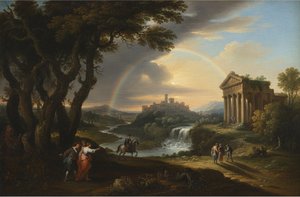
Shadow, Light, and Spectacle: The Dramatic Evolution of Baroque Landscape Painting
Explore the breathtaking drama of Baroque landscapes. Our expert guide delves into the interplay of light and shadow in 17th-century masterpieces. Discover art history and find museum-quality, hand-painted oil reproductions to bring classical grandeur to your home.

Drama in Nature: The Captivating Grandeur of Baroque Landscapes and the Art of Emotional Spectacle
Explore the breathtaking drama of Baroque landscapes. From Rubens's grand vistas to the mastery of chiaroscuro, discover how 17th-century artists transformed nature into a theatrical stage of emotion and light. A deep dive for true art enthusiasts.
10 Etser som Förändrade Konsthistorien – Mästverk för Ditt Hem
Utforska 10 legendariska etsningar av Rembrandt, Goya och Dürer! Lär känna historien bakom dessa mästerverk & tekniken som förändrade konsten. Köp reproduktioner av högsta kvalitet på OriginalUniqueArt.com – för en tidlös inredning.

Baroque Classicism: The Grandeur of Order and Drama in 17th-Century Art History
Explore the profound elegance of Baroque Classicism. Discover how 17th-century masters synthesized dramatic emotion with classical order through the lens of the Counter-Reformation and the works of legends like Carlo Maratta and Andrea Sacchi.

Salvator Rosa: A Baroque Rebel's Vision of Landscape, Allegory & the Human Condition
Explore the captivating world of Salvator Rosa, a rebellious Baroque master. Discover his dramatic landscapes, allegorical paintings & lasting influence on Romanticism. Hand-painted reproductions available at OriginalUniqueArt.


