

 Visa i rummet
 Skicka
 Dela
Dela
 Detaljer
 Studentguide för konstverk

 Ladda ner
 Liknande objekt
 Röntgen
 Bildspel
 Besökstatistik
The Rower
 Oil On Panel
- Fauvism
 1914
1914- Modern
 60.0 x 80.0 cm
 Läs mer
Giclée / Konsttryck
Giclée- eller canvasprint av museumskvalitet med snabb produktion och flexibla ytbehandlingsalternativ. ( Köp handmålat konstverk Byt till digital bildförsäljning)




P118B $10

P118H $10

P118W $10

P438Z $10

P508JH $12

P508YH $12

P805H $10

P805Z $10

P919BZ $10

P919G $10

P919XJ $10

P959ZH $10

P968JZ $12

W106C $8

W218G $10

W218JH $8

W218Y $10

W307PJ $10

W316G $10

W316PJ $8

W316Y $10

W398PJ $8

W4111J $10

W500HY $15

W500JH $15

W692G $12

W849H $8

W940BG $15

W953PJ $8




Välj bland våra förinställda storlekar som motsvarar konstverkets ursprungliga proportioner.

Du kan ange egna mått för att passa en specifik ram eller yta. Om det valda måttet inte överensstämmer med originalbildens proportioner kommer vi antingen att beskära konstverket eller utöka bilden med en speglad eller enfärgad kant. En digital mockup skickas för ditt godkännande innan produktionen påbörjas.
Vänligen notera att förhandsvisningen på skärmen inte återspeglar den faktiska beskärningen eller utökningen. Endast mockuppen visar den slutgiltiga kompositionen korrekt.
Även om anpassade storlekar är möjliga, rekommenderar vi att du väljer ett mått från den fördefinierade listan för att bevara de ursprungliga proportionerna.
Leverans över hela världen () på 2 veckor istället för standard 4/5 veckor. (26 september)

Fri expressfrakt över hela världen

Högkvalitativ linnecanvas

Fullständig fraktförsäkring

Garantier för återbetalning av tullavgifter

Garantier för exakt färgåtergivning

100 dagars returrätt vid fabrikationsfel

100% pengarna tillbaka-garanti

Mängdrabatt erbjuds
 Glasalternativet är endast tillgängligt i storlekar under 110 cm.

The Rower
Giclée / Konsttryck
Reproduktionsstorlek
-


Totalpris
$ 80
A Moment Frozen in Fauvist Vibrancy
In the annals of early twentieth-century modernism, few works capture the electric tension between classical poise and avant-garde rebellion as intimately as Roger de La Fresnaye’s 1914 masterpiece, The Rower. This captivating oil on panel serves as a profound window into a pivotal moment in art history, where the structured geometry of Cubism began to dance with the raw, unbridating emotion of Fauvism. At first glance, the viewer is met with a striking central figure: a man seated with an air of nonchalant confidence, his legs crossed and eyes shielded by sunglasses, draped in a deep black shirt that anchors the composition. He sits not merely as a subject, but as a totem of modern identity, embodying the burgeoning spirit of a new era.
The painting’s brilliance lies in its masterful use of color and light, characteristic of the Fauvist movement. De La Fresnaye employs a palette that feels both deliberate and spontaneous, using bold, energetic brushstrokes to breathe life into the scene. While the man remains the focal point, the surrounding environment is rich with subtle narrative layers. The presence of additional benches and a solitary chair near the frame's edge suggests a shared space, perhaps a quiet corner of a riverside retreat, while a delicate vase in the background adds a touch of domestic elegance to the otherwise rugged, modern composition. This interplay between the structured elements of the setting and the fluid, vibrant application of paint creates a visual rhythm that is both soothing and stimulating.
The Intersection of Tradition and Radicalism
To understand The Rower, one must look toward the artist’s own storied lineage. Born into an aristocratic French family in Le Mans, Roger de La Fresnaye was steeped in the traditions of classical education and high culture. However, his soul belonged to the radical shifts occurring in the Parisian salons. This painting represents the exquisite synthesis of that tension; it possesses the formal stability one might expect from a classically trained hand, yet it is infused with the "wild beast" energy of the Fauves. The way the light interacts with the dark tones of the subject's attire and the rhythmic placement of the background elements demonstrate a sophisticated command over spatial depth, achieved through color rather than traditional perspective.
For the discerning collector or interior designer, this artwork offers more than mere aesthetic pleasure; it provides a sophisticated focal point that bridges the gap between historical significance and contemporary chic. The piece possesses a timeless quality—the subject's modern attire and sunglasses make him feel remarkably contemporary, yet the 1914 provenance anchors the work in a legendary era of artistic discovery. Whether placed in a minimalist gallery setting or as a bold statement piece in a richly textured room, The Rower invites conversation, evoking a sense of mystery, leisure, and the enduring allure of the modern human condition.
Om konstnären
Roger de La Fresnaye – Symbolism, Cubism and the Pursuit of Prismatic Beauty
Roger de La Fresnaye’s artistic journey began amidst the opulent surroundings of Château de la Fresnaye in Falaise, where he was born in 1885 into a family steeped in military tradition. Yet, unlike many aristocrats of his time, young Roger possessed an innate fascination for art—a passion that would propel him beyond the confines of privilege and forge a path toward groundbreaking innovation within the burgeoning landscape of early 20th-century painting. His formative years were marked by classical training at the Académie Julian and later the École des Beaux-Arts in Paris, institutions where he absorbed the foundational principles of Impressionism and established connections with influential artists who would shape his artistic sensibilities.From Nabis Dreams to Cubist Geometry
Initially drawn to the Symbolist movement championed by Maurice Denis and Paul Sérusier, De La Fresnaye embraced their distinctive aesthetic—characterized by flattened forms, decorative patterns, and a profound preoccupation with subjective experience. His early canvases, such as *Woman with Chrysanthemums*, embody this ethereal quality, mirroring the Nabis’ quest for spiritual resonance through visual representation. The influence of Denis's emphasis on color and composition is palpable, reflecting a desire to transcend mere observation and delve into deeper emotional truths. However, De La Fresnaye swiftly recognized the limitations of Symbolism’s stylistic conventions and embarked upon an exploration of Cubism—a revolutionary movement spearheaded by Pablo Picasso and Georges Braque that challenged traditional notions of perspective and representation. Around 1912, he joined the *Section d'Or*, a collective of artists united by their unwavering commitment to Cubist principles. This affiliation marked a decisive turning point in his artistic development, propelling him toward geometric abstraction while simultaneously retaining elements of Symbolism’s expressive power. De La Fresnaye skillfully blended these disparate influences—a testament to his intellectual curiosity and artistic versatility—creating canvases that pulsate with vibrant color palettes and fragmented forms. His masterpiece, *The Conquest of the Air*, exemplifies this synthesis perfectly: a dynamic composition brimming with prismatic hues and angular geometries that simultaneously evoke Cézanne’s spatial explorations and Delaunay’s Orphism’s radiant chromatic harmonies. This painting stands as an emblem of De La Fresnaye's artistic vision—a bold assertion of modernist ideals tempered by a sensitivity to traditional aesthetic concerns.War, Illness and the Evolution of Style
The First World War profoundly impacted De La Fresnaye’s life, disrupting his studies and ultimately curtailing his promising career trajectory. He enlisted in the French army, but tragically succumbed to tuberculosis shortly after joining its ranks—a debilitating illness that irrevocably altered his physical condition and consequently influenced his artistic style. The robust, geometrically charged canvases of his Cubist period gave way to a more lyrical approach—characterized by linear precision and an introspective gaze. This stylistic shift wasn’t merely a reaction to hardship; it represented a deliberate reconsideration of artistic priorities—a quest for beauty within constraint that resonated with the artist's own personal experience.Legacy and Enduring Influence
Despite his tragically curtailed life span, Roger de La Fresnaye left behind an impressive body of work—a testament to his unwavering dedication to art and his pioneering role in shaping modern painting. His canvases are housed in prestigious museums across Europe, including the Musée d'Art Moderne de Troyes and the Centre Pompidou in Paris, ensuring that his artistic legacy continues to inspire generations of artists. The record-breaking sale of *La Conquête de l’Air* at Christie’s in 2017—fetching over €2.3 million—served as a poignant affirmation of De La Fresnaye's enduring artistic merit and cemented his place among the titans of early 20th-century art. He remains an artist whose work transcends stylistic boundaries, embodying both intellectual rigor and profound emotional depth—a true visionary who dared to reimagine the visual world with unparalleled brilliance.
Roger de La Fresnaye
1885 - 1925 , Frankrike
Snabbfakta
- Artistic Movement Or Style: Symbolism och Kubism
- Artists Or Movements Influenced By This Artist: ['Early 20th-century art']
- Artists Who Influenced This Artist:
- Maurice Denis
- Paul Sérusier
- Georges Braque
- Pablo Picasso
- Date Of Birth: 1885-07-11
- Date Of Death: 1925-11-27
- Full Name: Roger de La Fresnaye
- Nationality: Fransk
- Notable Artworks:
- La Conquest de l’Air
- La Madelon
- Le Cuirassier
- Place Of Birth: Le Mans, France
Relaterade artiklar
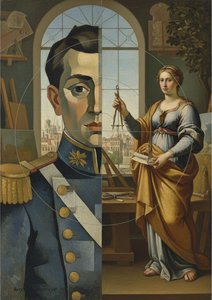
Roger de la Fresnaye: Cubism, Tradition & the Search for Order in Early 20th-Century French Painting
Explore the captivating world of Roger de la Fresnaye, a pivotal French Cubist painter. Discover his unique blend of tradition & modernity, influences, and lasting legacy with OriginalUniqueArt.

Maurice Quentin de La Tour: Light, Shadow & the Rococo Portrait
Explore the captivating world of Maurice Quentin de La Tour, a master of Rococo portraiture. Discover his innovative pastel techniques, intimate depictions of French aristocracy, and lasting artistic legacy. Learn more at OriginalUniqueArt.

Goyas 25 Mästerverk: En Konstnärlig Resa Genom Spansk Historia | OriginalUniqueArt
Utforska Goyas 25 mest ikoniska målningar! Fördjupa dig i spansk konsthistoria, romantikens dramatik och mörka färger. Köp museumkvalitativa reproduktioner & inred med tidlösa klassiker på OriginalUniqueArt.com.

Om oss
Upptäck vår historia! Vi för in konst i världsklass i ditt liv genom experturval, skräddarsydda lösningar och kostnadsfria förhandsvisningar. Godkänt av privatpersoner och företag sedan år 2000.
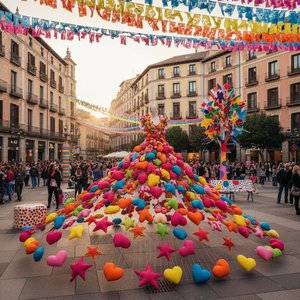
Águeda Ruiz de la Prada: A Study of Eclecticism & Emotional Resonance in Contemporary Spanish Painting
Discover the vibrant world of Ágatha Ruiz de la Prada, a leading figure in contemporary Spanish art. Explore her eclectic style, emotional depth & legacy – a must-read for discerning collectors.

