
 Förhandsvisa
 Skicka
 Dela
Dela
 Visa detaljer
 Guide
Guide

 Ladda ner
 Liknande objekt
 Röntgen
 Bildspel
 Frågor och svar
 Statistik
Uncle Tom and LIttle Eva


 Visa mer
Giclée / Konsttryck
Giclée- eller canvasprint av museumskvalitet med snabb produktion och flexibla ytbehandlingsalternativ. ( Beställ handmålad reproduktion Byt till digital bild)




P118B Skr10

P118H Skr10

P118W Skr10

P438Z Skr10

P508JH Skr12

P508YH Skr12

P805H Skr10

P805Z Skr10

P919BZ Skr10

P919G Skr10

P919XJ Skr10

P959ZH Skr10

P968JZ Skr12

W106C Skr8

W218G Skr10

W218JH Skr8

W218Y Skr10

W307PJ Skr10

W316G Skr10

W316PJ Skr8

W316Y Skr10

W398PJ Skr8

W4111J Skr10

W500HY Skr15

W500JH Skr15

W692G Skr12

W849H Skr8

W940BG Skr15

W953PJ Skr8




Välj bland våra förinställda storlekar som motsvarar konstverkets ursprungliga proportioner.

Ange den bredd och höjd du behöver för att passa din ram eller vägg. Ett tryck kan endast beskäras, aldrig göras större än originalbilden, vilket innebär att ett format med en annan proportion leder till att en del av bilden går förlorad. Vi skickar en digital mockup för godkännande innan vi påbörjar tryckningen. Bilden som visas på denna sida visar inte den faktiska beskärningen — det är endast mockuppen som gör det.
Leverans över hela världen () på 2 veckor istället för standard 4/5 veckor. (5 november)

Fri expressfrakt över hela världen

Högkvalitativ linnecanvas

Fullständig fraktförsäkring

Garantier för återbetalning av tullavgifter

Garantier för exakt färgåtergivning

100 dagars returrätt (endast vid fel)

100% pengarna tillbaka-garanti

Mängdrabatt erbjuds
 Glasalternativet är endast tillgängligt i storlekar under 110 cm.

Uncle Tom and LIttle Eva
Giclée / Konsttryck
Storlek på reproduktion
-


Slutgiltigt pris
Skr 810
A Poignant Encounter in the American Landscape
In the tender brushstrokes of Robert Seldon Duncanson’s 1853 masterpiece, Uncle Tom and Little Eva, we are invited into a moment of profound stillness and quiet connection. The painting presents a scene of serene companionship, where a man and a young girl sit nestled beneath the protective canopy of a sprawling tree. Clad in luminous white garments that seem to catch the soft, filtered light of the afternoon, they exist in a world seemingly removed from the turbulence of their era. As the woman—or perhaps the youthful figure representing Eva—points toward a distant horizon, her gesture draws our eyes across the tranquil water where a solitary boat rests near the shore. This delicate interaction between the figures and the vastness of the landscape creates a sense of longing and wonder, capturing a fleeting instance of peace amidst the shifting tides of history.
Duncanson, a pioneer of the American landscape tradition, utilizes his mastery of light and atmosphere to elevate this narrative scene into something much more than a mere portrait. The composition is enriched by the presence of birds in flight, scattered throughout the sky like living notes of music, adding a layer of kinetic energy to an otherwise motionless tableau. Through his expert use of color and texture, Duncanson achieves a luminous quality that breathes life into the natural elements, from the verdant foliage of the sheltering tree to the shimmering reflections on the water's surface. For the discerning collector or interior designer, this piece offers a sophisticated interplay of light and shadow, making it an ideal centerpiece for spaces that value tranquility, depth, and historical resonance.
Historical Resonance and Symbolic Depth
To understand the emotional weight of Uncle Tom and Little Eva, one must look through the lens of its mid-19th-century context. Created in 1853, a period of intense social upheaval in the United States, the painting subtly engages with the cultural zeitgeist of the time. The figures, evocative of characters from Harriet Beecher Stowe’s influential literature, represent much more than a simple pastoral scene; they embody themes of innocence, resilience, and the enduring human spirit. The choice of white clothing serves as a powerful symbol of purity and spiritual light, contrasting beautifully with the earthy, grounded tones of the American landscape that Duncanson so loved to depict.
The artistry lies in how Duncanson weaves these heavy historical themes into a soft, romanticized aesthetic. He does not rely on overt political statements but instead uses the harmony of nature—the calm water, the steady tree, and the rhythmic flight of birds—to suggest a yearning for peace and justice. This subtle approach allows the artwork to resonate on multiple levels: as a beautiful landscape, a touching character study, and a profound historical document. For those seeking to adorn their homes with art that inspires contemplation, this reproduction offers an unparalleled opportunity to possess a piece that is as intellectually stimulating as it is visually breathtaking.
A Timeless Addition to the Refined Interior
For the art enthusiast or the professional decorator, a high-quality reproduction of this work serves as more than just decoration; it acts as a window into a pivotal moment in American art history. The painting’s palette—a sophisticated blend of soft whites, deep greens, and tranquil blues—complements a wide array of interior styles, from classic traditionalism to modern organic aesthetics. Its ability to evoke a sense of calm and nostalgia makes it a transformative element in any room, providing a focal point that invites guests to linger and reflect.
Owning a piece that celebrates the legacy of Robert Seldon Duncanson means bringing into one's environment a testament to perseverance and artistic brilliance. The meticulous detail captured in every leaf and every ripple of water ensures that this reproduction maintains the soul of the original 1853 masterpiece. Whether placed in a sunlit library or a quiet study, Uncle Tom and Little Eva continues to tell a story of connection, beauty, and the enduring power of the natural world.
Frågor och svar
Vilken stil tillhör "Uncle Tom and LIttle Eva"?
"Uncle Tom and LIttle Eva" av Robert Seldon Duncanson tillhör Hudson River School-rörelsen. Denna rörelse ger det stilistiska sammanhanget för verket.
Vilket rum rekommenderas "Uncle Tom and LIttle Eva" av Robert Seldon Duncanson för?
Det rekommenderade utrymmet för "Uncle Tom and LIttle Eva" av Robert Seldon Duncanson är ett Living Room. Förslaget kan naturligtvis anpassas efter din inredning.
Vilken period av Robert Seldon Duncansons karriär tillhör "Uncle Tom and LIttle Eva"?
"Uncle Tom and LIttle Eva" representerar Robert Seldon Duncansons Mature Period.
Konstnärsbiografi
Robert Seldon Duncanson: En Pionjär i Amerikansk Landskapsmåleri
Robert Seldon Duncansons namn ekar med både konstnärlig briljans och historisk betydelse, och han etablerade sig som en nyckelperson i 1800-talets amerikanska konst. Född omkring 1821 i Fayetteville, New York, till föräldrar av europeiskt och afroamerikanskt ursprung – hans far, John Dean Duncanson, en fri svart hantverkare som förmedlade värdena av arbetsmoral och lärande – navigerade Duncanson en värld präglad av rasdiskriminering samtidigt som han uppnådde internationellt erkännande som landskapsmålare. Hans resa var en av självbildning, orubblig hängivenhet och en djup förbindelse med den naturliga världen, vilket slutligen etablerade honom som den första afroamerikanska konstnären som fick allmänt erkännande på båda sidor om Atlanten. Familjens flytt till Monroe, Michigan, innebar att den unga Robert blev lärling hos en snickare och målare, vilket avslöjade en tidig talang för konsten som snart skulle definiera hans livs väg.Från Porträtt till Panoramas
Duncansons konstnärliga utveckling inleddes med porträttmålning, ett praktiskt sätt att etablera sig som professionell konstnär. Men Cincinnati, Ohio – en stad känd som ”Västs Aten” – lockade honom 1840 och erbjöd möjligheter till tillväxt och exponering som inte fanns någon annanstans. I stort sett självutbildad, finslipade Duncanson sina färdigheter genom noggrann studie av tryck och gravyrer, direkt skissning från naturen och minutiös kopiering av mästares verk. Detta rigorösa tillvägagångssätt gjorde det möjligt för honom att utveckla ett skarpt öga för detaljer och en anmärkningsvärd teknisk skicklighet trots brist på formell utbildning. Det var i Cincinnati som han började sin övergång mot landskapsmålning, dragen av de romantiska idealen och den sublima skönheten i det amerikanska vildmarken. Hudson River Schools inflytande blev alltmer uppenbart i hans verk, särskilt de suggestiva kompositionerna hos Thomas Cole, vars dramatiska framställningar av naturen resonerade djupt med Duncansons egen konstnärliga vision. Han kopierade inte bara scener; han tolkade dem genom ett unikt personligt perspektiv, och målade in sina dukar med en känsla för lugn och andlig koppling.En Europeisk Sjöresa och Internationellt Erkännande
En vändpunkt i Duncansons karriär inträffade 1853-1854 med en lång resa till Europa. Denna resa gav honom ovärderlig exponering för europeiska mästares verk, breddade hans konstnärliga horisonter och raffinerade hans teknik. Han studerade de gamla mästarna, absorberade deras metoder för ljus, färg och komposition, som han sedan integrerade i sin egen distinkta stil. Återvändandet till Amerika ledde till att hans verk visade en nyfunnen sofistikering och mognadhet, vilket lockade uppmärksamhet inte bara i Amerika utan också i England, Skottland och Kanada. Utställningar följde, vilket etablerade honom som en konstnär av betydande talang och vision. Han blev en nyckelperson i att utveckla Ohio River Valley landskaps traditionen, fångade den fridfulla skönheten i regionen med anmärkningsvärd skicklighet. Hans målningar var inte bara representationer av plats; de var uttryck för stämning, atmosfär och naturens sublima kraft.En Blandning av Tradition och Symbolik
Duncansons konst är ofta fylld med subtila symboliska element som har lett till spekulationer om hans rasiska bakgrund. Han var en del av ett aktivt abolitionistiskt nätverk i Cincinnati, vilket gav honom tillgång till information och kontakter som skulle ha varit otillgängliga för många andra konstnärer på den tiden. Hans målningar innehåller ofta allegoriska element som kan tolkas som kritik av slaveriet, även om han själv betonade att han ville undvika att distrahera betraktaren från naturens skönhet. Det är en fråga om debatt huruvida dessa symboler var medvetna eller omedvetna, men de bidrog till hans konstnärliga arv och hans roll som en röst för förändring i en tid av stora sociala orättvisor.En Arv och Historisk Betydelse
Robert Seldon Duncansons arv sträcker sig bortom hans konstnärliga prestationer. Han bröt ner barriärer för afroamerikanska konstnärer under en period präglad av utbredd rasdiskriminering, och fungerade som inspiration för framtida generationer. Hans framgång utmanade rådande samhällsnormer och visade på konstens kraft att överskrida fördomar. Trots att artisterxpertar fortsätter att debattera huruvida hans ras påverkade hans konstnärliga uttryck – vissa föreslår subtila symboliska representationer av rassegment i hans landskap – finns det inget tvivel om att Duncansons livshistoria är ett testamente till motståndskraft, talang och den bestående mänskliga andan. Hans lugna vyer fortsätter att fängsla publiken, påminner oss om den varaktiga skönheten i naturen och den otroliga talangen hos en konstnär som vågade drömma bortom de begränsningar som hans tid påtvingade honom.Viktiga Verk
- ”Land of the Lotus Eaters”
- ”The River”
- ”Autumnal Landscape”
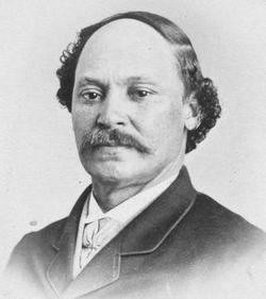
Robert Seldon Duncanson
1821 - 1872 , USA
Kortfakta
- Artistic Movement Or Style: Hudson River School
- Artists Or Movements Influenced By This Artist: ['Ohio River Valley']
- Artists Who Influenced This Artist: ['Thomas Cole']
- Date Of Birth: c. 1821
- Date Of Death: Dec 21, 1872
- Full Name: Robert Seldon Duncanson
- Nationality: Amerikansk
- Notable Artworks:
- Landskap med får
- Rosstilliv
- Place Of Birth: Fayetteville, USA
Relaterade artiklar
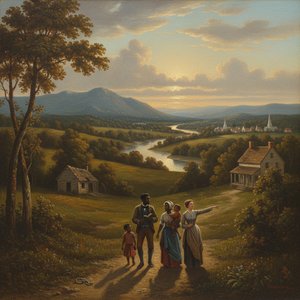
Robert Seldon Duncanson: Landscape, Abolitionism & Shaping American Identity
Discover Robert Seldon Duncanson, the first internationally acclaimed African American landscape artist. Explore his connection to the Hudson River School, abolitionism, and enduring legacy through serene vistas & powerful symbolism.

Romantiska landskap: Topp 10 mästerverk som definierade en epok – OriginalUniqueArt.se
Utforska de 10 mest ikoniska mästerverken inom romantisk landskapsmålning! Lär känna Caspar David Friedrich, Turner & andra. Hitta inspiration och köp museumkvalitativa konsttryck på OriginalUniqueArt.com.

Grant Wood & American Regionalism: Identity, Myth & the Rural Landscape
Explore the world of Grant Wood & American Regionalism with OriginalUniqueArt. Discover the symbolism behind 'American Gothic', recurring themes, and the movement's lasting impact on art history. High-quality reproductions available.

Evocations of Place: A Historical Journey Through Landscape Art
Explore the rich history of landscape art with OriginalUniqueArt. Discover renowned artists, movements like Impressionism & Romanticism, and expert guidance for collecting timeless pieces. Find your perfect serene escape today!

Capturing the Soul of Nature: A Journey Through the Sublime Majesty of American Romanticism
Explore the breathtaking beauty of American Romanticism. Discover how Hudson River School masters captured the sublime spirit of the wilderness through luminous oil landscapes and emotional depth. A journey into the soul of nature for the true art enthusiast.
