

 Visa i rummet
 Skicka
 Dela
Dela
 Detaljer
 Studentguide för konstverk

 Ladda ner
 Liknande objekt
 Röntgen
 Bildspel
 Besökstatistik
Green Column/Figure


 Läs mer
Konstverket som visas på denna sida skyddas av upphovsrättslagen, vilket innebär att vi inte lagligt kan skapa eller sälja en identisk reproduktion. Detta skydd upprätthålls genom internationella avtal såsom den Bernkonventionen och genom nationella lagar, inklusive de som fastställs av Amerikansk upphovsrättslag – Titel 17. Alla rättigheter förbehållna. Återgivning av konstverk är förbjuden utan skriftligt tillstånd från WahooArt.
Denna metod följer fullt ut upphovsrättsliga regler eftersom den inte innebär kopiering eller duplicering av det skyddade konstverket. Istället är det en kreativ nytolkning – en ny målning som är influerad av originalet men inte identisk med det.
Giclée / Konsttryck
Giclée- eller canvasprint av museumskvalitet med snabb produktion och flexibla ytbehandlingsalternativ. ( Köp handmålat konstverk Byt till digital bildförsäljning)




P118B Skr10

P118H Skr10

P118W Skr10

P438Z Skr10

P508JH Skr12

P508YH Skr12

P805H Skr10

P805Z Skr10

P919BZ Skr10

P919G Skr10

P919XJ Skr10

P959ZH Skr10

P968JZ Skr12

W106C Skr8

W218G Skr10

W218JH Skr8

W218Y Skr10

W307PJ Skr10

W316G Skr10

W316PJ Skr8

W316Y Skr10

W398PJ Skr8

W4111J Skr10

W500HY Skr15

W500JH Skr15

W692G Skr12

W849H Skr8

W940BG Skr15

W953PJ Skr8




Välj bland våra förinställda storlekar som motsvarar konstverkets ursprungliga proportioner.

Ange den bredd och höjd du behöver, för att passa din ram eller din vägg. Ett tryck kan endast beskäras, aldrig göras större än bilden, vilket innebär att ett format med en annan formform leder till att en del av bilden går förlorad. Vi skickar en digital mockup för godkännande innan vi trycker något. Bilden som visas på denna sida visar inte den faktiska beskärningen — det är endast mockuppen som gör det.
Leverans över hela världen () på 2 veckor istället för standard 4/5 veckor. (22 oktober)

Fri expressfrakt över hela världen

Högkvalitativ linnecanvas

Fullständig fraktförsäkring

Garantier för återbetalning av tullavgifter

Garantier för exakt färgåtergivning

100 dagars returrätt vid fabrikationsfel

100% pengarna tillbaka-garanti

Mängdrabatt erbjuds
 Glasalternativet är endast tillgängligt i storlekar under 110 cm.

Green Column/Figure
Giclée / Konsttryck
Reproduktionsstorlek
-


Totalpris
Skr 787
A Quiet Resonance: Exploring Robert Mangold’s “Green Column/Figure”
Robert Mangold's "Green Column/Figure," created in 2003, isn’t merely a depiction of form; it’s an invitation to contemplate the relationship between structure and movement, stillness and energy. This deceptively simple work, rendered with graphite or charcoal on paper – likely a print – possesses a profound quietude that belies its underlying dynamism. The piece immediately draws the eye to the stark verticality of the muted green column, a grounding element against which the sinuous, dark grey line dramatically asserts itself. It’s a composition built on subtle contrasts, inviting prolonged observation and revealing layers of meaning with each glance.
Mangold, emerging from the shadow of Abstract Expressionism in the 1960s, deliberately rejected bombastic gestures in favor of a more intellectual approach to painting. His work, as he himself described, was a “quiet revolution,” dismantling traditional conventions and paving the way for new explorations of form and perception. This piece exemplifies that ethos – it’s not about shouting; it's about whispering, suggesting, and ultimately, prompting introspection. The deliberate restraint in color and line allows the viewer to project their own interpretations onto the canvas, fostering a deeply personal connection with the artwork.
Deconstructing Form: Line, Shape, and Texture
The core of “Green Column/Figure” resides within its meticulously crafted line. It’s not a perfectly smooth curve; rather, it possesses a delightful imperfection – slight variations in thickness and subtle breaks that imbue the form with character and life. This deliberate roughness contrasts beautifully with the rectangular stability of the green background, creating a compelling tension between order and chaos, control and spontaneity. The shapes themselves—the rigid column and the flowing line—are deliberately juxtaposed, highlighting their inherent differences while simultaneously suggesting a harmonious balance.
Beyond the primary forms, the texture of the paper plays a crucial role in the overall effect. The subtle variations in tone – the creamy off-white with hints of yellow – contribute to an aged or vintage feel, as if the artwork has witnessed time itself. This tactile quality invites a closer examination, encouraging viewers to appreciate the materiality of the medium and the artist’s hand.
Symbolic Weight: Movement, Structure, and the Human Condition
The winding line can be interpreted in numerous ways. It could represent a life force, a current flowing through the structured background – a visual metaphor for the dynamism inherent within constraints. The vertical column, with its implied stability, might symbolize the framework of existence, while the line embodies the unpredictable nature of experience. There’s an undeniable sense of movement captured in this stillness; it's as if the artwork is perpetually in motion, subtly shifting and evolving before your eyes.
Furthermore, the piece resonates with themes of contemplation and resilience. The simplicity of the composition encourages a meditative state, inviting viewers to slow down and consider their own place within the larger context of life. It’s a reminder that beauty can be found in restraint, and that even the most seemingly minimal forms can hold profound emotional weight.
A Timeless Reproduction: Bringing Mangold's Vision Home
OriginalUniqueArt offers meticulously hand-painted reproductions of Robert Mangold’s “Green Column/Figure,” capturing the essence of this iconic artwork with unparalleled fidelity. Each reproduction is created by skilled artists who understand the nuances of Mangold’s technique and his deliberate use of line, texture, and color. Whether you're a seasoned art collector or simply seeking to add a touch of understated elegance to your interior space, a OriginalUniqueArt reproduction provides an authentic and enduring representation of this remarkable piece.
Consider how the subtle variations in tone and texture – faithfully reproduced in our hand-painted versions – will transform your room. “Green Column/Figure” is more than just a decoration; it’s a conversation starter, a source of contemplation, and a testament to the enduring power of minimalist art.
Frågor och svar
Hur är färgkompositionen i "Green Column/Figure" av Robert Mangold uppbyggd?
I "Green Column/Figure" paras en Serene kontrast med en Unified Palette harmoni.
Förvaras "Green Column/Figure" av Robert Mangold i konstnärens hemland?
Nej – konstverket förvaras utomlands. Robert Mangold föddes i USA, och museet som förvarar originalet av "Green Column/Figure" ligger i United States of America.
Hur passar "Green Column/Figure" in i Robert Mangolds teman och stil?
Inom Robert Mangolds produktion är "Green Column/Figure" skapad i Minimalist Abstract-stil, med de återkommande temana abstract minimalism, geometric forms, quiet reflection, post-expressionism, conceptual space.
Om konstnären
En Tyst Revolution av Form: Robert Mangolds Värld
Robert Mangold framträdde som en central gestalt i den amerikanska konstscenen under 1960-talet, men hans påverkan var inte präglad av skryt eller överdådiga gester. Istället var det en tyst revolution – en subtil demontering av traditionella målningskonventioner som banade vägen för nya utforskningar av form, färg och perception. Född i North Tonawanda, New York, 1937, var vägen till att bli en ledande minimalistisk målare inte omedelbart tydlig. Han studerade först ingenjörskonst innan han insåg den starka dragningskraften i konstnärligt uttryck och tog examen från University of Buffalo och Yale University School of Art. Denna tidiga exponering för tekniska discipliner kan ha informerat hans senare noggranna tillvägagångssätt vid målning, där precision och konceptuell stringens är av största vikt. Mangolds resa började i skuggan av abstrakt expressionism, men han insåg snabbt en önskan om något mer återhållsamt, mer intellektuellt – ett steg bort från den subjektiva känslomässigheten mot en objektiv utforskning av konstens fundamentala element.Pionjärernas Inflytande och Födelsen av en Stil
Mangolds konstnärliga utveckling formades djupt av möten med de abstrakta pionjärer som föregick honom. De asketiska geometrier hos Kazimir Malevich, de noggrant kalibrerade kompositionerna hos Piet Mondrian och de expansiva färgfält hos Barnett Newman resonerade djupt, vilket gav en grund för hans egen unika vision. Han imiterade inte dessa mästare; snarare absorberade han deras kärnprinciper – reduktionen till väsentliga former, betoningen på flackhet och utforskningen av rumsliga relationer – och omtolkade dem genom en distinkt samtida lins. Denna period markerade ett medvetet förkastande av den gestuella intensiteten som kännetecknade abstrakt expressionism. Mangold sökte eliminera alla spår av konstnärens hand, sträva efter en känsla av opersonlig objektivitet. Det var i detta sökande som han började experimentera med formade dukar – ett definierande kännetecken för hans mogna stil. Dessa var inte godtyckliga former; de var noggrant övervägda ingrepp, som utmanade själva idén om vad en målning *kunde* vara.Formade Dukar och Konceptuell Stringens
Introduktionen av formade dukar var inte bara ett estetiskt val för Mangold; det var ett konceptuellt sådant. Genom att överge det traditionella rektangulära formatet störde han den etablerade relationen mellan bild och bärare, vilket tvingade betraktarna att konfrontera målningens fysiska form som ett objekt i rummet. Hans kompositioner innehåller typiskt geometrisk abstraktion – förenklade former och linjer arrangerade med noggrann precision. Dessa former är inte representativa; de hänvisar inte till något utanför sig själva. Istället existerar de rent som arrangemang av färg och linje, vilket bjuder in till kontemplation av deras inneboende egenskaper. Mangolds palett föredrar ofta dämpade pastelltoner som skapar atmosfäriska effekter utan att överväldiga betraktaren. Denna återhållsamhet sträcker sig till hans teknik: ytor är släta och jämna, utan penseldrag eller andra bevis på manuell manipulation. Resultatet är en känsla av serenitet – en målning som känns både närvarande och fjärran, vilket bjuder in till långvarig observation. Stora serier som Plane/Figure Series, med sina utforskningar av delade dukkompositioner, och Ring Series, som innehåller cirkulära former inom rektangulära fält, visar hans konsekventa engagemang i dessa kärnprinciper.Arv och Varaktig Påverkan
Robert Mangolds inflytande på samtida konst är obestridligt. Han spelade en avgörande roll i att forma utvecklingen av minimalistisk målning, utvidga möjligheterna för abstrakt konst och utmana konventionella föreställningar om representation. Tillsammans med konstnärer som Robert Ryman representerar han hjärtat av minimalistisk målning – ett åtagande om konceptuell stringens och formell reduktion. Hans verk har visats flitigt på museer och gallerier över hela världen, och hittat hem i framstående samlingar såsom The Museum of Modern Art och The Metropolitan Museum of Art i New York, samt The Tate Modern i London. Bortom sina målningar sträckte sig Mangolds utforskningar till väggmålningar, storskaliga verk som är utformade för att interagera med arkitektoniska rum, och Column Structure Series, som undersökte vertikalitet och rumsliga relationer. Hans arv handlar inte bara om de specifika former han skapade; det handlar om frågorna han ställde – frågor som fortsätter att resonera med konstnärer idag som brottas med konstens fundamentala element och abstraktionens möjligheter. Han visade att djupt konstnärligt uttryck inte kunde uppstå från grandiosa gester, utan från en tyst, ihållande utforskning av form och färg.
Robert Mangold
1937 - , USA
Snabbfakta
- Artistic Movement Or Style: Minimalism
- Artists Or Movements Influenced By This Artist: ['Robert Ryman']
- Artists Who Influenced This Artist:
- Kazimir Malevich
- Piet Mondrian
- Barnett Newman
- Date Of Birth: 1937
- Full Name: Robert Mangold
- Nationality: Amerikansk
- Notable Artworks:
- Plane/Figure Series
- Ring Series
- Untitled
- 1/2 V Series
- Place Of Birth (City And Country): North Tonawanda, USA
Relaterade artiklar

The Beauty of Less: A Sophisticated Guide to the Soul of Minimalist Art and Geometric Harmony
Discover the profound elegance of minimalist art. Explore how geometric abstraction and the beauty of reduction create serene, sophisticated spaces through our expert guide to finding soul and harmony in every line and shape.

Topp 10 mästerverk inom abstrakt expressionism – konst för ditt hem | OriginalUniqueArt.com
Utforska de 10 mest inflytelserika verken inom abstrakt expressionism – från Rothkos färgfält till Pollocks action painting. Lär känna konstnärerna och deras teknik. Hitta museumskvalitativa tryck på OriginalUniqueArt.com och förvandla ditt hem med tidlös konst!

Geometrisk Abstraktion: Topp 10 Mästverk som Formade Konsten | OriginalUniqueArt.com
Utforska de 10 mästerverk som definierade geometrisk abstraktion! Lär känna Mondrian, Kandinsky & Malevich. Hitta inspiration och museumskvalitativa konsttryck för ditt hem på OriginalUniqueArt.com. Upptäck hela samlingen online!

Kandinskys 25 Mästerverk: En Färgstark Resa i Abstrakt Konst | OriginalUniqueArt
Utforska Wassily Kandinskys 25 mest ikoniska verk – från expressionism till abstrakt konst. Lär känna historien bakom mästerverken och hitta inspiration för din heminredning med OriginalUniqueArt.com. Upptäck hela samlingen online!
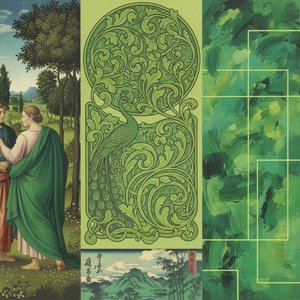
Verdant Visions: Exploring the Symbolism & Aesthetic Impact of Green in Art History
Explore the rich history & symbolism of green in art! Discover iconic paintings, techniques, and how to bring verdant harmony into your home with OriginalUniqueArt's expert guide.