

 Förhandsvisa
 Skicka
 Dela
Dela
 Visa detaljer

 Ladda ner
 Liknande objekt
 Röntgen
 Bildspel
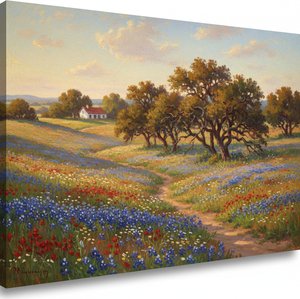
October Sunlight


 Visa mer
Handgjord oljereproduktion
Handmålad olja på duk i din valda storlek och ram, tillverkad efter beställning av våra konstnärer. ( Beställ tryck Köp högupplöst bild)




P118B $10

P118H $10

P118W $10

P438Z $10

P508JH $12

P508YH $12

P805H $10

P805Z $10

P919BZ $10

P919G $10

P919XJ $10

P959ZH $10

P968JZ $12

W106C $8

W218G $10

W218JH $8

W218Y $10

W307PJ $10

W316G $10

W316PJ $8

W316Y $10

W398PJ $8

W4111J $10

W500HY $15

W500JH $15

W692G $12

W849H $8

W940BG $15

W953PJ $8




Välj bland våra förinställda storlekar som motsvarar konstverkets ursprungliga proportioner.

Du kan ange egna mått för att passa en specifik ram eller yta. Om den valda storleken inte matchar originalbildens proportioner kommer vi antingen att beskära konstverket eller utöka målningen med ytterligare handmålade element. En digital skiss skickas till dig för godkännande innan produktionen påbörjas.
Observera att förhandsvisningen på skärmen inte återspeglar den faktiska beskärningen eller utökningen. Endast skissen visar den slutgiltiga kompositionen korrekt.
Även om anpassade storlekar är möjliga, rekommenderar vi att du väljer en dimension från den fördefinierade listan för att bevara originalproportionerna.
Efter beställning kommer OriginalUniqueArt.com team att mejla kunden för instruktioner och tillhandahålla en skissförhandsvisning
Leverans över hela världen () på 3–4 veckor istället för standard 5 veckor. (28 augusti). Inga kompromisser med kvaliteten.

Fri expressfrakt över hela världen

Högkvalitativ linnecanvas

Fullständig fraktförsäkring

Garantier för återbetalning av tullavgifter

Garantier för exakt färgåtergivning

60 dagars returrätt (endast vid fabrikationsfel)

100% pengarna tillbaka-garanti

Mängdrabatt erbjuds
 Glasalternativet är endast tillgängligt i storlekar under 110 cm.

October Sunlight
Reproduktionsmedium
Storlek på reproduktion
-


Slutgiltigt pris
$ 300
A Moment of Golden Light: Exploring “October Sunlight”
Robert Julian Onderdonk’s “October Sunlight,” painted in 1911, isn't merely a depiction of a Texas autumn; it’s a profound distillation of the state’s spirit – its rugged beauty, its enduring light, and a poignant sense of melancholy. This oil on canvas captures a specific moment, a fleeting intersection between the fading warmth of summer and the approaching chill of winter, rendered with an Impressionistic fervor that speaks volumes about Onderdonk's artistic vision.
The scene unfolds within a landscape dominated by towering trees, their branches reaching skyward like supplicating arms. The foliage is ablaze with color – vibrant reds, deep oranges, and touches of golden yellow—a testament to the season’s final, glorious burst before yielding to dormancy. Yet, there's an underlying sense of quietude, a stillness that suggests both beauty and a certain sadness. The artist masterfully employs broken brushstrokes and dappled light to create an atmosphere thick with atmospheric perspective; the distant trees recede into a hazy blue, while the foreground is sharply defined, drawing the viewer’s eye into the heart of the composition.
The Texas Painter's Palette: Technique and Style
Onderdonk was deeply rooted in the Impressionist tradition, yet he infused it with his distinctly Texan sensibility. He favored a palette rich in earth tones – ochres, siennas, and umbers—that perfectly capture the colors of the Texas landscape. His brushwork is loose and expressive, prioritizing capturing the *impression* of light and color over meticulous detail. Notice how he uses short, broken strokes to build up layers of paint, creating a shimmering effect that mimics the play of sunlight through the leaves. The painting’s luminosity isn't achieved through heavy glazing but rather through careful layering and manipulation of color—a technique that lends the work an almost palpable warmth.
The composition itself is carefully balanced, with the trees acting as a vertical anchor and the light source – a brilliant shaft of sunlight piercing through the branches – creating a dynamic diagonal line. This interplay of form and light draws the eye across the canvas, inviting the viewer to lose themselves in the scene’s tranquil beauty.
A Portrait of Texas: Historical Context
Robert Julian Onderdonk is often hailed as “the father of Texas painting,” a title earned through his tireless dedication to capturing the essence of the Lone Star State. Born in San Antonio in 1882, he spent much of his life documenting the landscapes and people of Texas, becoming particularly renowned for his depictions of bluebonnets and other wildflowers. “October Sunlight” was painted during a period when Onderdonk was establishing himself as one of Texas’s leading artists, and it reflects his growing confidence in his ability to translate the state's visual richness onto canvas.
The painting also speaks to the broader cultural context of early 20th-century Texas. The era witnessed a burgeoning interest in regional art and identity, as Texans sought to define their own artistic voice distinct from that of the East Coast. Onderdonk’s work embodies this spirit of regionalism, celebrating the beauty and character of his native land.
Evoking Emotion: Symbolism and Resonance
Beyond its technical merits, “October Sunlight” resonates with a profound emotional depth. The painting evokes a sense of nostalgia—a longing for simpler times, for the fading warmth of summer, and for the beauty of the natural world. The solitary trees, bathed in golden light, seem to stand as silent witnesses to the passage of time. There’s also an undercurrent of melancholy, perhaps reflecting Onderdonk's own struggles with illness and financial hardship during his lifetime.
Ultimately, “October Sunlight” is a testament to the power of art to capture not just what we see but also what we feel—a poignant reminder of the beauty and fragility of life in the heart of Texas. It’s a piece that invites contemplation, offering a moment of quiet reflection amidst the hustle and bustle of modern life.
Konstnärsbiografi
Robert Julian Onderdonk: The Poet of the Texas Landscape
Robert Julian Onderdonk, affectionately known as “the father of Texas painting,” wasn’t simply a recorder of the Lone Star State's beauty; he was its passionate interpreter—a poet who captured the very soul of the Texan landscape on canvas. Born in San Antonio on July 30, 1882, into an artistic lineage – his father, Robert Jenkins Onderdonk, being a respected painter himself – Julian’s life unfolded as a deeply personal and evocative exploration of light, color, and the captivating essence of his native land. From early childhood, nurtured by a family that valued both intellectual pursuits and artistic expression, he developed a profound connection to the visual world, sketching diligently and absorbing the nuances of light and shadow with an artist’s eye. This foundational appreciation for observation and artistry would ultimately shape a career dedicated to translating the spirit of Texas onto canvas, establishing him as a uniquely Texan voice within the broader American Impressionist movement. The Onderdonk heritage also included a strong educational foundation; his grandfather, Henry Onderdonk, served as headmaster of Saint James School in Maryland, instilling a sense of refinement and discipline alongside artistic fervor – a combination that proved invaluable to Julian’s development.A Journey from New York Studies to a Texan Vision
Onderdonk's formal artistic journey began at West Texas Military Academy, where he simultaneously honed his skills as a painter and taught art to his fellow students, demonstrating a remarkable balance between personal creation and instruction. A pivotal moment arrived in 1901 when, through the generosity of a neighbor, he embarked on a transformative trip to New York City. There, he immersed himself completely in the teachings of William Merritt Chase at Shinnecock Hills Summer School of Art on Long Island. This experience proved profoundly influential, instilling within him a deep appreciation for *en plein air* painting – the practice of creating art directly from nature – and an unwavering focus on capturing fleeting moments of light and atmosphere. He continued his studies with Chase for several years, absorbing not only technical skills but also the artist’s philosophy of observing and translating the world around him onto canvas. Despite initial attempts to establish himself in New York's bustling art scene, where he married Gertrude Shipman and began a family, Onderdonk found an undeniable pull back towards the landscapes of his youth – the vibrant hues and expansive vistas of Texas beckoning with a unique artistic inspiration that the urban environment couldn’t match.A Homecoming and the Bloom of Inspiration
The year 1909 marked a significant turning point as Robert Julian Onderdonk returned to San Antonio, along with his family. This relocation ushered in the most productive and celebrated period of his career – a time when he wholeheartedly dedicated himself to portraying the beauty of the Texan countryside, quickly becoming renowned for his vibrant depictions of bluebonnet fields—scenes that would become inextricably linked with his artistic identity. Onderdonk’s paintings are characterized by their loose brushstrokes, a rich palette of colors, and an evocative portrayal of the landscape – capturing not just what he saw but how it *felt* to be immersed in its light and air. Works like “Blue Bonnet Field, Early Morning, San Antonio Texas” (1914), “Road to the Hills” (1918), "Early Spring—Bluebonnets and Mesquite" (1919), “Coreopsis, near San Antonio, Texas” (1919), and “Dawn in the Hills” (1922) exemplify his mastery of Impressionistic techniques and his deep connection to the land. He wasn’t merely painting landscapes; he was conveying a feeling—a memory, an emotion—the very soul of Texas. His artistic process involved careful observation of light, color, and texture, translating these elements onto canvas with a sensitivity that resonated deeply with viewers.Legacy and Enduring Influence
Robert Julian Onderdonk’s untimely death in 1922 at the age of forty tragically cut short a promising career, yet his legacy continues to resonate profoundly within Texan artistic circles and beyond. His unwavering dedication to portraying the unique beauty of the Texas landscape earned him the well-deserved title of “the father of Texas painting.” His influence extended far beyond his own creations, inspiring generations of artists to embrace regional subjects and develop a distinct style rooted in the spirit of the Southwest. Recognition of his importance grew over time, culminating in national acclaim—three of his paintings even graced the Oval Office during President George W. Bush’s administration – a testament to the enduring appeal of his work. The Dallas Museum of Art houses an extensive collection of his paintings, dedicating several rooms to showcase his artistic achievements, ensuring that his contributions are celebrated for future generations. Furthermore, the preservation of his former art studio on the grounds of the Witte Museum in San Antonio serves as a tangible reminder of his enduring legacy—a space where visitors can connect with the artist’s creative process and appreciate the beauty of his work firsthand. The publication of *Julian Onderdonk: A Catalogue Raisonne* by Harry A. Halff and Elizabeth Halff solidified his place in art history, providing a comprehensive record of his oeuvre and ensuring that his contributions would be recognized for years to come.A Lasting Impression
- Key Influences: William Merritt Chase’s emphasis on *en plein air* painting and capturing fleeting light effects profoundly shaped Onderdonk's style.
- Artistic Style: Onderdonk masterfully blended Impressionistic techniques with a uniquely Texan sensibility, characterized by loose brushstrokes, vibrant colors, and an evocative portrayal of the landscape.
- Major Themes: The Texas landscape, particularly bluebonnet fields, served as his primary inspiration – symbolizing the beauty and spirit of the region.
- Historical Significance: Onderdonk is credited with establishing a distinctly Texan voice within American Impressionism, inspiring generations of artists to celebrate their regional heritage.

Robert Julian Onderdonk
1880 - 1922 , USA
Kortfakta
- Artistic Movement Or Style: Impressionism
- Artists Or Movements Influenced By This Artist: ['Texanska konstnärer']
- Artists Who Influenced This Artist: ['William Chase']
- Date Of Birth: 30 juli 1882
- Date Of Death: 27 okt 1922
- Full Name: Robert Julian Onderdonk
- Nationality: Amerikansk
- Notable Artworks:
- Blue Bonnet Fält
- Väg till kullorna
- Place Of Birth: San Antonio, USA
Relaterade artiklar
Robert Julian Onderdonk: Pioneering Texas Impressionism & Capturing Regional Light
Explore the life & art of Robert Julian Onderdonk, 'the Father of Texas Painting.' Discover his vibrant Impressionist landscapes, iconic bluebonnets, and lasting legacy. Learn about collecting Onderdonk's work today.

Evocations of Place: A Historical Journey Through Landscape Art
Explore the rich history of landscape art with OriginalUniqueArt. Discover renowned artists, movements like Impressionism & Romanticism, and expert guidance for collecting timeless pieces. Find your perfect serene escape today!

Romantiska landskap: Topp 10 mästerverk som definierade en epok – OriginalUniqueArt.se
Utforska de 10 mest ikoniska mästerverken inom romantisk landskapsmålning! Lär känna Caspar David Friedrich, Turner & andra. Hitta inspiration och köp museumkvalitativa konsttryck på OriginalUniqueArt.com.

Evocations of Place: A Historical Journey Through Landscape Art
Explore the rich history of landscape art with OriginalUniqueArt. Discover renowned artists, movements like Impressionism & tonalism, and expert guidance for collecting timeless pieces. Find your perfect serene escape today!

Paul Cézannes 25 Mästerverk: En Konsthistorisk Resa för Hemmet
Utforska Paul Cézannes 25 mest ikoniska målningar! Fördjupa dig i impressionismens värld, från Mont Sainte-Victoire till stillsben. Hitta inspiration & museumkvalitativa konsttryck på OriginalUniqueArt.com.

