
 Förhandsvisa
 Skicka
 Dela
Dela
 Visa detaljer
 Guide
Guide

 Ladda ner
 Liknande objekt
 Röntgen
 Bildspel
 Frågor och svar
 Statistik
The Four Seasons


 Visa mer
Giclée / Konsttryck
Giclée- eller canvasprint av museumskvalitet med snabb produktion och flexibla ytbehandlingsalternativ. ( Beställ handmålad reproduktion Byt till digital bild)




P118B Skr10

P118H Skr10

P118W Skr10

P438Z Skr10

P508JH Skr12

P508YH Skr12

P805H Skr10

P805Z Skr10

P919BZ Skr10

P919G Skr10

P919XJ Skr10

P959ZH Skr10

P968JZ Skr12

W106C Skr8

W218G Skr10

W218JH Skr8

W218Y Skr10

W307PJ Skr10

W316G Skr10

W316PJ Skr8

W316Y Skr10

W398PJ Skr8

W4111J Skr10

W500HY Skr15

W500JH Skr15

W692G Skr12

W849H Skr8

W940BG Skr15

W953PJ Skr8




Välj bland våra förinställda storlekar som motsvarar konstverkets ursprungliga proportioner.

Ange den bredd och höjd du behöver för att passa din ram eller vägg. Ett tryck kan endast beskäras, aldrig göras större än originalbilden, vilket innebär att ett format med en annan proportion leder till att en del av bilden går förlorad. Vi skickar en digital mockup för godkännande innan vi påbörjar tryckningen. Bilden som visas på denna sida visar inte den faktiska beskärningen — det är endast mockuppen som gör det.
Leverans över hela världen () på 2 veckor istället för standard 4/5 veckor. (5 november)

Fri expressfrakt över hela världen

Högkvalitativ linnecanvas

Fullständig fraktförsäkring

Garantier för återbetalning av tullavgifter

Garantier för exakt färgåtergivning

100 dagars returrätt (endast vid fel)

100% pengarna tillbaka-garanti

Mängdrabatt erbjuds
 Glasalternativet är endast tillgängligt i storlekar under 110 cm.

The Four Seasons
Giclée / Konsttryck
Storlek på reproduktion
-


Slutgiltigt pris
Skr 811
A Vision of Eternal Cycles
Renato Reni’s “The Four Seasons,” painted in 1617, is more than a depiction of nature's rhythms; it’s a profound meditation on the passage of time, the cyclical nature of life, and the interwoven destinies of humanity and divinity. This monumental work, now residing within the Museo di Capodimonte in Naples, immediately captivates with its rich tapestry of figures – four women embodying each season, their children representing the continuity of generations. The painting isn’t merely a visual record; it's an allegorical narrative brimming with symbolic weight and imbued with the emotional intensity characteristic of the High Renaissance.
Baroque Grandeur and Reni’s Signature Style
Reni, known as “Le Guide” (The Guide) for his masterful guidance to younger artists, expertly blends classical ideals with a distinctly Baroque sensibility. The composition is meticulously balanced, drawing the eye through a carefully orchestrated arrangement of figures and elements. His technique showcases an unparalleled command of color, light, and shadow – a hallmark of the era – creating a palpable sense of depth and atmosphere. Notice how he employs sfumato, subtly blurring outlines to soften forms and evoke a dreamlike quality. The rich palette, dominated by warm earth tones punctuated by vibrant splashes of color representing each season, contributes significantly to the painting’s dramatic effect.
- Technique: Oil on canvas, demonstrating Reni's mastery of glazing and layering techniques.
- Composition: A carefully balanced pyramid structure guides the viewer's eye through the scene.
- Color Palette: Dominated by earth tones with vibrant accents representing each season – green for Spring, golden hues for Summer, russet reds and browns for Autumn, and icy blues and whites for Winter.
Symbolism Woven into the Narrative
Each woman embodies a specific season, not just through her attire but also through the gestures and expressions that convey their respective moods. Spring is represented by a youthful figure holding a child, symbolizing new beginnings and fertility. Summer exudes warmth and abundance, while Autumn reflects contemplation and harvest. Winter evokes a sense of stillness and introspection. The presence of angels – one on the left, two on the right – reinforces the painting’s spiritual dimension, suggesting divine guidance and protection throughout the cycles of life. The children themselves are not merely decorative elements; they represent the continuation of time and the enduring legacy of each season.
A Window into 17th-Century Thought
“The Four Seasons” reflects the prevailing philosophical currents of the early 17th century, particularly the emphasis on cyclical time and the interconnectedness of all things. The painting speaks to a worldview where human life is inextricably linked to the rhythms of nature and the divine order. Further research reveals connections to Renaissance ideas about harmony, proportion, and the beauty of the natural world – themes that resonated deeply with artists and intellectuals of the era. The work’s enduring appeal lies in its ability to capture both the grandeur of historical art and the timeless relevance of universal human experiences.
Frågor och svar
Hur samverkar medium och rörelse i "The Four Seasons"?
I "The Four Seasons" möter Acrylic On Canvas-tekniken Baroque Classicism-rörelsen.
Vilken är den rekommenderade tryckstorleken för "The Four Seasons" av Guido Reni?
Rekommenderad tryckstorlek för "The Four Seasons" är Medium. Andra storlekar finns tillgängliga med samma proportioner.
Under vilket år och inom vilken stil skapades "The Four Seasons"?
"The Four Seasons" av Guido Reni är daterat till 1617 och tillhör Baroque Classicism.
Konstnärsbiografi
Guido Renis liv och arv
Guido Reni, även känd som Le Guide, föddes i Bologna, Italien, år 1575. Han var enda barnet till Daniele Reni, en musiker, och Ginevra Pozzi, också från en musikalisk familj. Denna uppväxt instillerade honom med en uppskattning för harmoni och form som senare skulle påverka hans konstnärliga stil. Redan i nio års ålder började Guido sin lärlingsutbildning under Denis Calvaert, en flamländsk målare verksam i Bologna. Han studerade tillsammans med blivande konstnärer Albani och Domenichino, vilket lade en stark grund i klassiska principer.
Konstnärlig karriär och utveckling
Renis konstnärliga karriär sträckte sig över flera italienska städer, inklusive Rom, Neapel och hans hemstad Bologna. Hans tidiga verk visade inflytandet av Calvaert och Carracci-bröderna, med betoning på anatomisk noggrannhet och dramatisk komposition. Reni utvecklade dock snabbt en distinkt stil som kännetecknades av dess eleganta klassicism, förfinad teknik och emotionell intensitet. Han blev en dominant figur i den Bolognesiska skolan, känd för sin betoning på akademisk utbildning och idealiserade former.
Viktiga influenser
- Denis Calvaert: Renis första lärare gav honom en stark grund i flamländsk målnings teknik.
- Carracci-familjen (Annibale, Agostino, Ludovico): Deras betoning på klassisk konst och anatomisk studie hade en djupgående inverkan på hans konstnärliga utveckling.
- Raphael: Reni beundrade i hög grad Raphaels graciösa och harmoniska kompositioner, vilket är tydligt i många av hans verk.
Huvudsakliga verk och konstnärlig stil
Renis oeuvre omfattar ett brett spektrum av ämnen, inklusive religiösa scener, mytologiska berättelser och allegoriska representationer. Några av hans mest kända verk inkluderar:
- Apollo på solvagnen (Albertina, Wien): En dynamisk teckning som visar Renis behärskning av barockstil.
- Sankt Jakob den Större: Demonstrerar hans förmåga att fånga religiös glöd och mänskliga känslor.
- Atalanta och Hippomenes (Palatset Capodimonte, Neapel): Ett exempel på hans mytologiska målningar, präglade av graciösa figurer och dramatisk berättande.
- Sankt Hieronymus: Ett bevis på Renis förmåga att balansera komposition med emotionellt djup.
- Tarantella (Palatset Capodimonte, Neapel): Illustrerar hans inflytande på italiensk folkkultur och dans.
Renis stil beskrivs ofta som eklektisk klassicism. Han blandade precisionen i klassisk konst med dynamiken och känslorna i barockperioden. Hans figurer är typiskt idealiserade, med en lugn skönhet och graciös rörelse.
Historisk betydelse och arv
Guido Reni spelade en avgörande roll för att forma utvecklingen av High Baroque-stilen i Italien. Han påverkade generationer av konstnärer med sin förfinade teknik, eleganta kompositioner och emotionella djup. Hans verk finns i framstående museer över hela världen, inklusive Palatset Capodimonte i Neapel. Renis arv sträcker sig bortom måleriet; han var också en poet och en respekterad intellektuell figur under sin tid.
Hans konst fortsätter att inspirera konstnärer och konstentusiaster idag, vilket befäster hans plats som en av de viktigaste målarna på 1600-talet. Hans inflytande kan ses i efterföljande barockkonstnärer som sökte emulera hans graciösa stil och emotionella kraft.
Död
Guido Reni dog i Bologna år 1642, och lämnade efter sig ett rikt konstnärligt arv som fortsätter att fängsla publiken århundraden senare.

Guido Reni
1575 - 1642 , Italien
Kortfakta
- Artistic Movement Or Style: Högbarock, Bologneseskolan
- Artists Who Influenced This Artist:
- Denis Calvaert
- Carracci-familjen
- Raphael
- Date Of Birth: 1575
- Date Of Death: 1642
- Full Name: Guido Reni (Le Guide)
- Nationality: Italiensk
- Notable Artworks (List Of Titles):
- Apollo på solvagnen
- Sankt Jakob den större
- Atalanta och Hippomenes
- Place Of Birth (City And Country): Bologna, Italien
Relaterade artiklar

Barockens Mästerverk: Topp 10 konstverk som definierade en epok – OriginalUniqueArt.se
Upptäck barockens 10 största mästerverk! Caravaggio, Rembrandt, Bernini och fler. Lär känna historien bakom ikoniska målningar & skulpturer. Köp reproduktioner av hög kvalitet på OriginalUniqueArt.com – för en lyxig heminredning.

Italian Baroque Unlocked: High-Drama Art That Hits Hard
Dive into the high-drama world of Italian Baroque art. Discover how chiaroscuro, intense emotion, and theatrical lighting redefined aesthetics. Explore the visceral power of the Counter-Reformation through a modern lens with expert insights from OriginalUniqueArt.com.
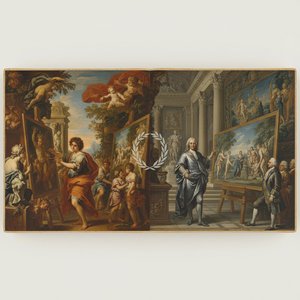
Simon Vouet: A Baroque Master's Journey from Italian Influence to French Classicism
Explore the life & art of Simon Vouet, a pivotal French Baroque painter who introduced Italian styles to France. Discover his masterpieces and lasting influence on 17th-century art.
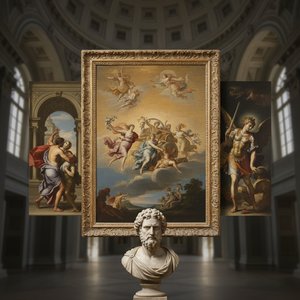
Guido Reni: A Study in Baroque Classicism & Artistic Perfection
Explore the life & work of Guido Reni, a master of Baroque classicism. Discover his iconic religious & mythological paintings, and understand his enduring influence on art history. Expert analysis for collectors.

Barockens dramatik: Att föra prakt och känsla in i samtida interiörer
Upptäck barockens dramatik och lyx! Lär dig hur du integrerar denna klassiska stil i ditt hem med våra experttips och inspirerande exempel. Skapa en palatskänsla idag!